Gardening Techniques for Diagnosing Yellow Leaves
Yellow leaves point to a problem, not a single cause. Start with where the yellowing began, whether the pattern is even or veined, and whether the soil is too dry or too wet. That order helps you sort water stress, nutrient shortage, pH lockout, pests, and disease before you cut healthy tissue or feed a stressed plant. University extension guidance on chlorosis and nutrient uptake notes that visual symptoms work best when paired with soil and root checks.
How do you read yellow leaves?


Read the leaf like a clue sheet. Start with where the yellowing begins on the plant. Then check the vein pattern, the texture, and whether the leaf is still changing or already fully yellow. Chlorosis is the term for yellowing tied to reduced chlorophyll, and it can point to water, nutrient, pest, disease, or environmental stress. Missouri Botanical Garden and university extension guides both emphasize that symptom pattern matters more than the color alone.
What you’ll need
- Gloves
- Pruning shears
- A clean tray or paper towel
- A small trowel or chopstick for checking soil moisture
- A magnifier or phone camera for spotting pests and vein patterns
- A basic soil test kit if the problem keeps returning
Use this workflow in order: check leaf position, then pattern, then soil, then pests, then disease, then light and pH. That sequence reduces guesswork and prevents the common mistake of adding fertilizer to a plant that actually has damaged roots, poor drainage, or a pest problem. For pH, extension sources consistently note that nutrients can be present but unavailable when the root zone is too acidic or too alkaline.
- Inspect the plant from top to bottom and note which leaves yellow first. Lower leaves, older leaves, new growth, and whole-plant fading point to different causes.
- Look closely at the color pattern. Uniform yellowing, interveinal yellowing, speckling, crisp edges, and mushy tissue can each help narrow the likely cause.
- Check the soil before you water. Use the finger test 1-2 inches deep, then compare soil feel, pot weight, and drainage.
- Inspect both sides of the leaf for pests, spots, rot, or distortion. Feeding damage and disease often leave more than plain yellowing.
- Decide whether the leaf is recoverable. Keep leaves that are only lightly yellow and still firm; remove leaves that are fully yellow, mushy, or diseased.
Quick diagnosis tree
Use this short tree before you treat anything. If lower leaves yellow first, think age, nitrogen shortage, or water stress. If new leaves yellow first, think iron lockout, transplant shock, or active root trouble. If spotting or stippling appears, move to pests and disease. If the pattern is general rather than spotty, check light, pH, and drainage next.
Picture a 10-inch houseplant in a nursery pot. The lower leaves turn yellow first, the soil stays damp for days, and the pot feels heavy even after a week. That pattern points to waterlogged roots before it points to fertilizer.
Suppose a tomato seedling in a sunny window turns pale all over, but the veins stay green. If the pot dries fast and the soil pulls away from the sides, the issue is more likely watering or root stress than disease.
Check where the yellowing starts
Leaf position is one of the fastest ways to sort causes. Lower leaves first often points to water stress, age, or nitrogen shortage. New growth first often points to iron deficiency, transplant shock, or root stress. Interveinal yellowing usually points to iron or magnesium issues. Uniform fading suggests light or overall stress. Speckles, spots, or distortion call for a pest or disease check.
Lower leaves first
Overwatering often starts yellowing in lower foliage, especially when roots sit in damp soil and cannot get enough oxygen. Older leaves can also yellow naturally before dropping, and yellow leaves may appear during dormancy, especially in winter. If only the oldest leaves are affected and new growth looks normal, aging is more likely than a whole-plant problem. Nitrogen shortage also commonly starts on older leaves because the plant moves nitrogen to newer growth first.
New growth first
Iron deficiency usually shows up on newer leaves first, with yellow tissue and greener veins. That pattern is different from magnesium deficiency, which tends to show on older or middle leaves first. New-growth chlorosis can also happen after transplant shock, root damage, or when a high or low pH locks up nutrients even when fertilizer is present. Clemson, Penn State, and other extension programs note that pH can block uptake without removing nutrients from the soil.
Interveinal yellowing
Yellowing between leaf veins is a classic chlorosis pattern. Iron deficiency often shows this pattern on the youngest growth, while magnesium deficiency usually appears on older leaves. If the veins stay green while the tissue between them turns yellow, look at nutrient uptake and soil pH. The University of Minnesota Extension and Missouri Botanical Garden both recommend checking pH when the pattern suggests a nutrient issue that fertilizer alone does not fix.
Uniform fading, speckles, or distortion
Uniform fading across the plant often points to light stress, feeding problems, transplant shock, or broad plant stress. Too much light can scorch leaves, while too little light can reduce photosynthesis and cause fading. Speckling, stippling, spots, or distorted leaves fit pests or disease more than a simple watering issue. Missouri Botanical Garden and state IPM guides treat stippling and silvering as strong pest clues, especially for mites and thrips.
Is it overwatering or underwatering?
These two problems can look similar at first, but the soil and leaf texture separate them. Overwatering tends to leave soil damp for too long, especially in containers with poor drainage. Underwatering tends to leave papery, crispy yellow leaves, slower growth, and soil that pulls away from the pot wall. Overwatering symptoms can overlap with root rot, but yellow leaves alone do not guarantee rot.
- Press a finger 1-2 inches into the soil. If it feels wet and stays wet, pause watering.
- Lift the pot and compare its weight to normal. Heavy pots usually hold too much water; very light pots often dry out too fast.
- Check drainage holes and the tray underneath. Standing water keeps roots saturated and can cause yellow leaves plus nutrient uptake problems.
- Look at the leaves and stems. Mushy leaves, soft stems, and a sour smell point to overwatering. Papery yellow leaves with brown edges point to underwatering.
- For container plants, slide the root ball partly out if needed. Rootbound pots, circling roots, and compacted media can cause both drought stress and poor drainage at the same time.
Overwatering is especially common after seasonal watering changes. A plant that needed frequent watering in summer may hold moisture much longer in cooler weather. Garden beds can suffer too, but containers fail faster because their roots have less buffer against saturation or drought.
In a garden bed, yellowing after rain often points to poor drainage or compacted soil. In a pot, the same symptom can mean blocked drainage holes, a rootbound root ball, or salt buildup from repeated feeding. If yellowing persists after watering changes, soil pH deserves a look. For a broader checklist, compare the plant to typical overwatering symptoms rather than assuming the soil is simply “too wet.”
Rule out nutrient shortage and pH
Nutrient issues often show up as patterned yellowing rather than random discoloration. Nitrogen deficiency makes older leaves yellow first and is common in leafy vegetables and lawns. Iron deficiency usually shows as yellowing between veins on newer growth. Magnesium deficiency is also common in roses and tomatoes and often starts on older leaves. University extension references also stress that pH can lock out nutrients even when fertilizer has been applied.
What to check first
- Nitrogen deficiency: older leaves yellow first while newer growth stays greener.
- Iron deficiency: new leaves show yellowing between veins, often starting at the edges.
- Magnesium deficiency: interveinal chlorosis appears on older or middle leaves, especially in roses and tomatoes.
- Soil pH: if yellowing continues after watering changes, pH may be locking out nutrients.
If yellowing remains after you correct moisture, a soil test is the next step. In garden beds, pH and fertility shift more slowly, so the issue may take longer to show. In containers, nutrients can run out faster, and salts from fertilizer can build up and interfere with uptake. Extension sources commonly recommend testing pH before adding more fertilizer when chlorosis persists.
A common mistake is feeding a plant before checking the pattern. If the newest leaves are yellow between green veins, iron is a better clue than plain hunger. If the oldest leaves yellow first across a leafy crop or lawn patch, nitrogen is more likely. If the problem appears after repeated fertilizing, check for fertilizer burn or salt buildup instead of adding more product.
For quick reference, use the related guides on chlorosis, soil pH testing, and fertilizer burn when symptoms keep returning after watering and feeding adjustments.
Could pests, disease, or light be the cause?
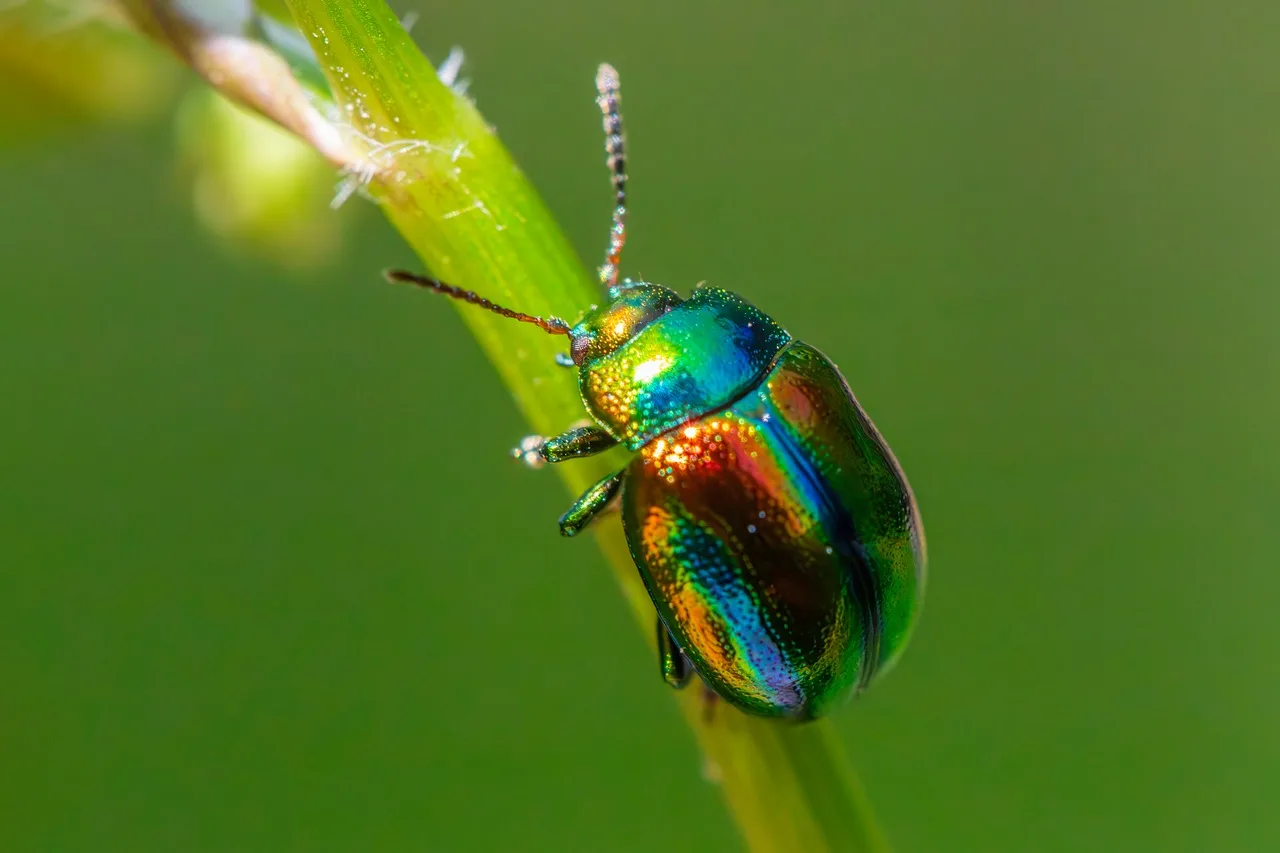
Check pests and disease when watering does not explain the pattern. Pests can cause yellowing through feeding damage, and you need to inspect both upper and lower leaf surfaces. Disease often pairs yellowing with spots, rot, or distortion. Light extremes can also trigger yellowing by scorching or by reducing photosynthesis. State IPM programs and Missouri Botanical Garden both recommend looking for pattern plus pest evidence before treating.
Pests
Look for mites, aphids, thrips, and other feeding damage. Fine stippling, silvering, curled growth, and tiny moving specks are clues. Use a phone camera or magnifier on both sides of the leaf, because many pests hide underneath. If the symptom pattern looks like stippling rather than whole-leaf yellowing, spider mites are a strong possibility.
Disease and light stress
Fungal or bacterial problems usually leave more than plain yellowing. Spots, soft rot, wilting, or distorted tissue point in that direction. If the plant sits in very strong sun, scorching can bleach or yellow leaves. If it sits too far from light, growth can fade because photosynthesis drops. For spots on roses, review rose diseases alongside watering and airflow concerns.
Rose yellowing can come from water, nutrients, pests, and disease, so roses deserve a full check instead of a single fix. For seedlings, keep the focus on light balance, steady moisture, and gentle nutrition. For lawns and leafy vegetables, uniform yellowing often points first to nitrogen shortage. University extension resources also note that stressed seedlings may yellow quickly after transplanting even without a disease outbreak.
Yellow leaf diagnosis matrix

Use this matrix as a fast proof tool. Match the symptom pattern to the plant part affected, then ask how confident the clue is, what simple test confirms it, and what first fix makes sense. It is strongest when you combine visible symptoms with soil moisture, drainage, and a close look at roots, pests, and recent changes.
| Symptom pattern | Plant part affected | Likely cause | Likely cause confidence | Quick test | First fix |
|---|---|---|---|---|---|
| Lower leaves yellow first | Older, lower canopy | Overwatering, aging, or nitrogen shortage | Moderate | Check soil 1-2 inches down | Pause watering and inspect drainage |
| New growth yellow first | Newest leaves at shoot tips | Iron deficiency, transplant shock, or root stress | Moderate to high | Compare newest leaves to older foliage | Test soil pH and review root conditions |
| Interveinal chlorosis | New or older leaves depending on nutrient | Iron deficiency or magnesium deficiency | High | Look for green veins with yellow tissue between them | Test soil pH and review feeding |
| Crispy yellow edges | Leaf margins | Underwatering or light stress | Moderate | Feel for dry soil pulling from the pot wall | Water deeply and move from harsh exposure if needed |
| Mushy yellow leaves | Leaf blade and soft stems | Overwatering or rot | High | Check for soft stems and a sour smell | Improve drainage and reduce watering |
| Speckled or stippled leaves | Upper and lower leaf surfaces | Pests | High | Inspect both leaf surfaces with a magnifier | Remove heavily damaged leaves and treat the pest |
| Silvering with yellowing | Leaf surface and young growth | Thrips or mite feeding | Moderate to high | Tap leaf over white paper and look for tiny specks | Wash foliage and treat the pest as directed |
| Uniform fading across the plant | Whole plant | Light stress, transplant shock, or broad nutrient shortage | Moderate | Compare plant position to available light | Adjust light and review feeding |
| Container plant with wet soil | Root zone in pots | Poor drainage or rootbound roots | High | Lift the pot and check drainage holes | Repot into fresh mix if roots are crowded |
| Container plant with soil pulling away | Root zone in pots | Underwatering | High | Look for a gap at the pot wall | Water until the mix is evenly moist |
| Garden bed yellowing after rain | Lower leaves and root zone | Waterlogged soil | Moderate to high | Dig a shallow hole and check for standing moisture | Improve drainage and avoid extra watering |
| Rose leaves yellowing between veins | Young or middle leaves | Iron or magnesium deficiency | Moderate to high | Check whether new or older leaves are affected | Test pH and adjust feeding |
| Seedlings pale and slow | Entire seedling | Too little light, inconsistent moisture, or transplant shock | Moderate | Compare growth near the brightest window | Increase light and keep moisture steady |
| Lawn or vegetable leaves yellowing first on older growth | Lower or older foliage | Nitrogen deficiency | High | Check whether the newest growth stays greener | Use nitrogen-rich fertilizer or compost |
| Yellowing after repeated fertilizing | Root zone and leaf margins | Salt buildup or fertilizer burn | Moderate | Look for crust on soil and scorched tips | Flush salts if appropriate and pause feeding |
| Yellowing after transplant or root disturbance | Newest leaves and whole plant | Transplant shock | Moderate | Check recent potting-up or root damage | Reduce stress, keep moisture steady, and wait |
Common mistakes
The biggest mistake is watering again before checking the soil. That can worsen root oxygen deprivation and rot. Another common error is feeding first and asking questions later, which can hide the real issue when pH, pests, or salt buildup are involved. Extension sources repeatedly warn that symptom-based fertilizing without diagnosis often delays recovery.
- Do not remove every yellow leaf immediately. Leave lightly yellow leaves in place if they are still firm and the cause is being corrected.
- Do not ignore the underside of leaves. Many pests stay there.
- Do not treat container and garden-bed problems the same way. Drainage, root crowding, and salt buildup matter much more in pots.
- Do not blame age when young leaves are yellowing, patterned, or distorted.
Remove leaves that are fully yellow, mushy, or clearly diseased. Leave partly yellow leaves if they are still firm and the plant is recovering. Monitor the plant if the newest growth looks normal and the yellowing stops spreading.
Frequently asked questions
Why are my plant leaves turning yellow?
Start with position, pattern, and soil moisture. Lower leaves often point to overwatering, age, or nitrogen shortage. New growth yellowing more often points to iron deficiency, transplant shock, or root trouble. Speckles, spots, rot, or distortion suggest pests or disease. Light stress, drainage problems, and pH lockout can also be the trigger.
How do I tell if yellow leaves are from overwatering or underwatering?
Overwatered plants usually have damp soil, heavy pots, lower-leaf yellowing, and sometimes soft stems or a sour smell. Underwatered plants usually have crispy edges, papery leaves, stunted growth, and soil that pulls away from the pot wall. Check 1-2 inches down before watering again, and do not assume yellow leaves mean root rot without those extra clues.
What does yellowing between leaf veins mean?
Yellowing between green veins is chlorosis and often points to iron or magnesium deficiency. Iron issues usually show on newer growth, while magnesium issues more often show on older leaves. If the pattern keeps returning, test soil pH as well, because nutrients can be present but unavailable when the root zone is too acidic or too alkaline.
Can nutrient deficiencies cause yellow leaves in plants?
Yes. Nitrogen deficiency makes older leaves yellow first, while iron deficiency can yellow new leaves between the veins. Magnesium deficiency also causes interveinal chlorosis, usually on older or middle leaves. If watering changes do not help, use a soil test kit and review whether the plant needs more nutrients, different pH, or better drainage.
When should I remove yellow leaves from a plant?
Remove leaves that are fully yellow, mushy, or diseased. Leave firm leaves that are only partly yellow if they can still photosynthesize while the plant recovers. Use clean shears and prune only the worst tissue so you do not strip a stressed plant too fast. If the yellowing is from transplant shock, give the plant time before pruning heavily.
How do I diagnose yellow leaves on roses specifically?
Check water, nutrients, pests, disease, and pH in that order. Roses commonly show iron or magnesium issues as interveinal yellowing, but mites, aphids, black spot, and poor drainage can cause similar symptoms. Look under leaves for pests and review rose diseases if spots or distortion appear. If yellowing persists, a soil test is the next step.