Gardening Techniques for Correcting Overfertilized Plants
Use a 3-step triage: scrape off granules or crust from the soil surface if the damage is light, flush the pot with plain room-temperature water to move salts out of the root zone, and repot at once if roots are burned, cramped, or the plant keeps collapsing. Ignoring fertilizer burn can scorch roots, slow water uptake, and kill the plant fast. This guide shows gardening techniques for correcting overfertilized plants by matching surface cleanup, soil flushing, or emergency repotting to the plant type.
What you’ll need

- Gloves
- Clean scissors or snips
- A clean scoop or spoon
- Plain water at room temperature
- A watering can or garden hose
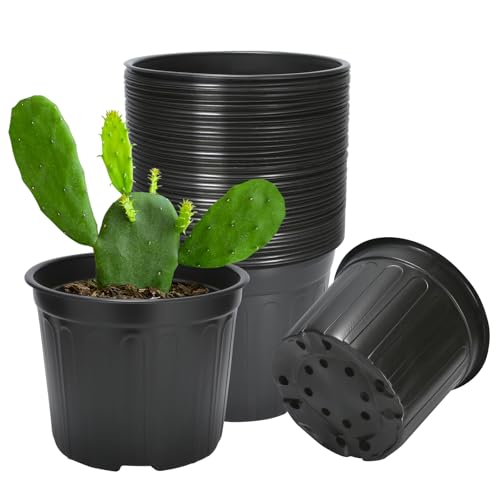
- A spare container with drainage holes, if repotting is needed
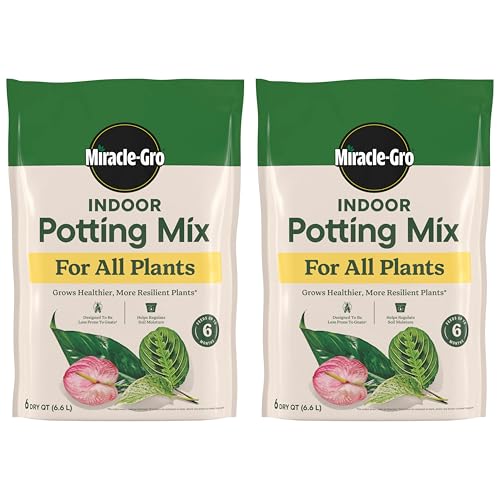
- Fresh potting soil
- A notebook or phone note for a 7-day recovery log
📊 For in-ground plants, wikiHow says to "flood the soil around the root system" and let water drip for 30 minutes. Source: Wikihow.
How do I tell if my plant is overfertilized?
Look for wilting, misshapen growth, or foliage that is scorched, curled, or otherwise damaged while the soil surface shows fertilizer residue or a white crust. Overfertilized plants can also show stress after excess fertilizer in soil or after water evaporates and leaves salts behind. Catching it early matters.
Dry granules on top of the soil point to a different cleanup step than a wet spill on leaves. A white crust on the topsoil is often visible salt buildup and should be removed before leaching or repotting. Damaged leaves will not recover, so the goal is to protect fresh growth.
Check leaves, then soil
- Inspect the newest leaves and the worst-looking leaves for wilting, scorch, or odd shape.
- Look at the soil surface for white crust, spilled pellets, or sticky residue.
- Touch the container or bed surface only if needed to confirm the residue is on top, not buried deep.
- Separate this from drought stress: drought usually improves after watering, while fertilizer burn often does not.
- Watch for collapse, soft stems, or widespread yellowing that suggests another problem is involved too.
Say your 6-inch basil pot has curled leaves and a dusting of white granules on top. That is a cleanup-and-flush problem, not a prune-first problem. Suppose the same basil also has soft stems and a sour smell from the potting mix; that points beyond fertilizer burn and calls for a closer look at root damage or waterlogging.
What should I do first after overfertilizing a plant?
Stop feeding immediately, remove any fertilizer granules, crust, or residue from the surface, and keep the root system from taking in more salts. If the damage is light, surface cleanup may be enough at first. If the plant is collapsing or the soil is heavily loaded, move quickly to leaching or repotting instead of adding more fertilizer or extra amendments.
First 5 actions for potted plants
- Move the pot out of direct sun for the day.
- Scoop off dry granules or crust from the soil surface.
- Water the pot with plain room-temperature water and let it drain fully.
- Repeat the fill-and-drain cycle only as long as the pot is draining freely and the plant stays stable.
- Repot into fresh potting soil if the burn is severe or the container mix is saturated with fertilizer.
First 5 actions for in-ground plants
- Brush or lift off visible fertilizer from the soil surface without working it deeper.
- Soak the root zone with a garden hose to push salts downward from the active roots.
- Keep the stream focused on the root area, not the whole bed.
- Stop once the soil has been thoroughly soaked and no longer takes water easily.
- Leave the roots alone after that unless the plant is still collapsing or the spill covered a wider bed.
First 5 actions for seedlings
- Remove visible fertilizer from the seedling mix with a clean scoop.
- Rinse the top layer gently with plain water instead of blasting the tray.
- Protect fragile stems from splash and disturbance.
- Move the tray only if the mix is clearly contaminated through the top layer.
- For seedlings, it is commonly best to hold off on any feeding until new growth resumes.
What happens if the plant is too stressed for simple flushing?
Use the least disruptive fix that protects the root system. If the container plant keeps wilting after drainage, if the potting mix is loaded with fertilizer, or if the root ball is cramped and damaged, repotting into fresh potting soil is safer than repeated flushing. Extra handling can slow recovery.
Root systems stressed by excess fertilizer need time to heal. More watering is helpful only when the pot drains well and the plant is still holding together. If the stem is collapsing, if leaves keep drooping after watering, or if the container smells rotten, treat the plant as more than a fertilizer-burn case.
Signs that flushing is not enough
- The plant keeps collapsing after one careful rinse.
- Water runs around the edge and never really wets the root ball.
- The container mix stays crusted or sticky after repeated drainage.
- The roots are cramped enough that fresh water cannot move through the pot evenly.
- New symptoms point to stem collapse or root trouble rather than only fertilizer burn.
How do I rescue potted plants first?
For containers, start by removing surface fertilizer and then leach the mix with plain water so salts move away from the roots. If the burn is severe, repot into fresh potting soil after the flush. Do not keep flooding a pot that has stopped draining, because a saturated root zone can make stress worse.
Rescue decision checklist
| Plant type | First 5 actions | When to stop flushing | When to prune | When to repot |
|---|---|---|---|---|
| Potted plants | Remove surface fertilizer; move out of harsh sun; water with plain room-temperature water; let it drain; watch for renewed wilting | Stop when drainage slows, the mix stays waterlogged, or the plant is getting weaker instead of steadier | Cut off leaves that are already damaged; do not trim healthy growth | Repot right away if the burn is severe, the mix is contaminated, or the pot no longer drains well |
| In-ground plants | Brush off surface granules; soak the root zone with a hose; keep water focused on the affected area; avoid digging; check nearby plants for spillover | Stop once the soil is deeply soaked and the zone is no longer absorbing water normally | Prune leaves that are clearly damaged; leave the rest so the plant can keep photosynthesizing | Repot is not relevant unless the plant is being moved from a container into the ground after rescue |
| Seedlings | Lift off visible fertilizer; rinse lightly; protect stems; avoid overwatering; wait for fresh growth | Stop as soon as the top layer is rinsed and the mix is evenly moist, not soggy | Only remove tissue that is already dead or collapsing | Repot only if the seedling mix is clearly contaminated and the plant is large enough to handle the move |
If that didn’t work, try this next
- Check the drainage path again. A pot that cannot drain needs fresh soil, not another rinse.
- Inspect the newest growth. If it is still folding, the plant may need more time before any further handling.
- For a container, move the root ball into fresh potting soil and a clean pot of the same size if the mix is badly contaminated.
- For in-ground plants, widen the soaked area only if a spill spread beyond the original planting hole.
- For seedlings, stop at the lightest cleanup that removed visible fertilizer and wait for new leaves.
How should you treat in-ground plants?
In beds and plantings, the goal is to move fertilizer salts away from the root zone without digging up roots. A garden hose gives a continuous stream that can flood the soil around the root system. Use enough water to soak the area thoroughly, then leave the roots undisturbed.
In-ground cleanup steps
- Lift off any visible granules or crust from the soil surface.
- Set the hose to a steady stream and soak the root zone, not the whole bed.
- Keep the water on the affected area long enough to wet the root depth, then stop.
- Do not hoe, fork, or dig around the roots unless you are removing a spill layer on top.
- Check nearby plants if fertilizer may have spread through the bed.
For a border shrub bed, a single plant may be the only one showing burn, but a fertilizer spill can affect several feet of soil. If multiple plants on the same side of the bed wilt at once, treat the area as a wider salt problem rather than a single-plant issue.
When should I prune leaves damaged by too much fertilizer?
Prune only the leaves that are already damaged, after the plant has been stabilized and the surface fertilizer has been removed. Burned tissue will not recover. Cutting off dead or badly distorted leaves keeps the plant from wasting energy on tissue that cannot heal.
Use scissors or snips, and cut cleanly. Leave healthy green growth in place. If too much foliage is removed at once, the plant loses more of its ability to recover. For seedlings, prune only clearly dead pieces. For mature plants, keep the healthy canopy.
What to cut and what to leave
- Cut off leaves that are brown, crisp, or badly misshapen.
- Leave lightly marked but still working leaves if they are mostly green.
- Do not pull leaves off by hand if they resist.
- Do not cut roots unless there is clearly dead tissue that must be removed for another reason.
Can a severely overfertilized potted plant recover?
Yes, a severely overfertilized potted plant can recover if you act quickly enough. If the plant keeps collapsing after drainage, repotting into fresh potting soil may give the roots a better chance to heal.
Flush first if the pot drains well. Repot if the mix is badly loaded, the container is cramped, or repeated flushing is making the plant worse. Fresh soil matters because it removes the contaminated medium and gives the roots a cleaner place to recover.
Use fresh soil
- The potting mix has a heavy crust or obvious contamination through more than the surface layer.
- The plant wilts again soon after watering.
- The pot is so full of roots that water cannot move through evenly.
- The foliage keeps declining after a careful flush.
How long should I wait before fertilizing again?
Wait about a month before feeding again if the plant is recovering and pushing healthy new growth. Do not restart fertilizer just because old leaves look better; track fresh growth instead. For seedlings, wait longer than for mature plants if they were stressed, and restart only when the mix and growth both look stable. (Wikihow)
7-day recovery log
| Day | What to record | What matters |
|---|---|---|
| 1 | Leaf posture, soil surface, drainage after cleanup | Confirms whether the rescue step reduced stress |
| 2 | Any new wilt or collapse | Tells you if the roots are still struggling |
| 3 | Condition of new growth and stem firmness | New growth should stay steady |
| 4 | Soil surface moisture and any return of crust | Checks for lingering salts |
| 5 | Leaf color change on fresh growth | Recovery shows up in new tissue first |
| 6 | Need for pruning any dead leaves | Remove only tissue that has already failed |
| 7 | Decision to hold or resume feeding later | Use the plant’s recovery, not the calendar alone |
Frequently asked questions
Can I flush fertilizer out of soil without killing the plant?
If the pot drains freely, plain water at room temperature is commonly used for flushing containers. For containers, water until the pot drains fully, then repeat only as needed based on the plant’s response. Do not keep flushing a pot that has stopped draining, because that can add water stress.
Should I remove the white crust on top of the soil?
Yes. White crust on topsoil is visible salt buildup and should be physically removed before you flush or repot. Scoop it off carefully so you do not push the salts deeper into the root zone. That surface cleanup is especially important in containers.
Should I repot a plant after fertilizer burn?
Repot if the burn is severe, the potting mix is heavily contaminated, or the container no longer drains well. Use fresh potting soil and a clean container with drainage holes. Repotting gives the roots a cleaner medium and avoids repeated contact with the salts.
Is overfertilizing worse in pots or in the ground?
It is usually worse in pots because salts concentrate in a small volume of mix and the roots have less room to escape them. In the ground, a spill can still damage a root zone, but the soil volume is larger and easier to soak through if you catch it early.