Gardening Techniques for Handling Root-Bound Plants
Treat root-bound plants by matching root disturbance to the plant type: gently tease loose roots for most pot-bound houseplants and seedlings, score the outer root mass for woody transplants, and leave fine feeder roots mostly intact. Cut too hard, or skip the fix, and roots keep circling, water runs off, and new growth stalls. This guide shows how to diagnose root-bound plants and choose between teasing, scoring, or leaving roots alone before repotting.
Recognizing symptoms and assessing the right approach

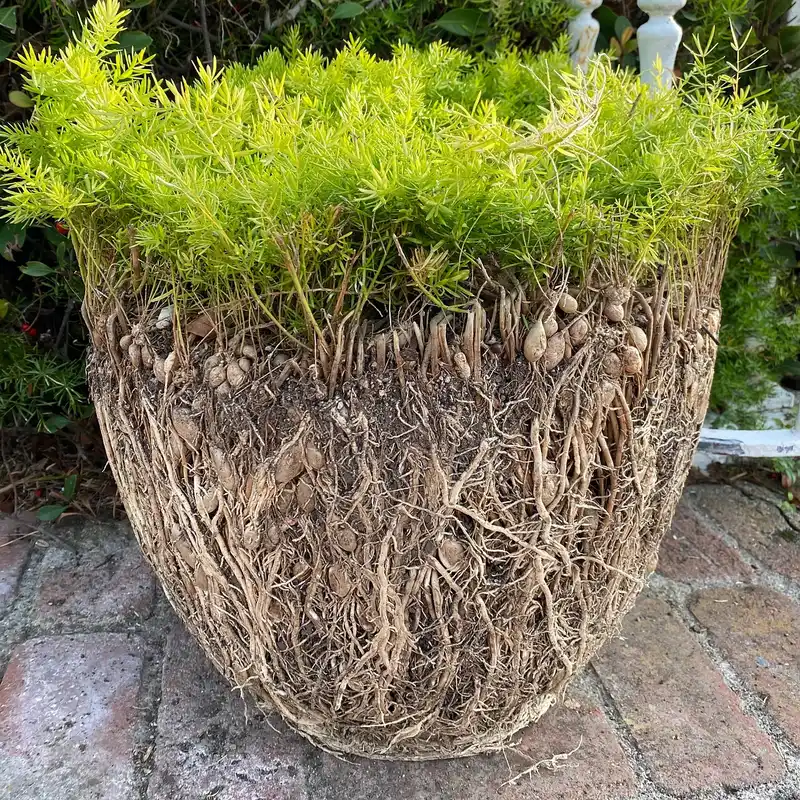
A root-bound plant is one whose roots have filled the container, started circling the pot, and may push through drainage holes. Above the soil line, the plant may wilt as if it needs water, and you may see yellow or brown leaves, along with slow or stalled growth. To confirm it, remove the plant from the pot and inspect the rootball.
The goal is not the same for every plant. Annuals and seedlings often want the lightest handling. Perennials can take a little more root disturbance. Woody shrubs and young trees may need scoring or limited root pruning, but only when the rootball is dense enough to block outward growth.
What you’ll need
- A new pot or a planting spot in the ground
- Fresh potting mix or prepared garden soil
- A flexible container, if the plant is in one
- A long thin serrated knife, if the container is rigid
- Clean water
- A shaded recovery spot
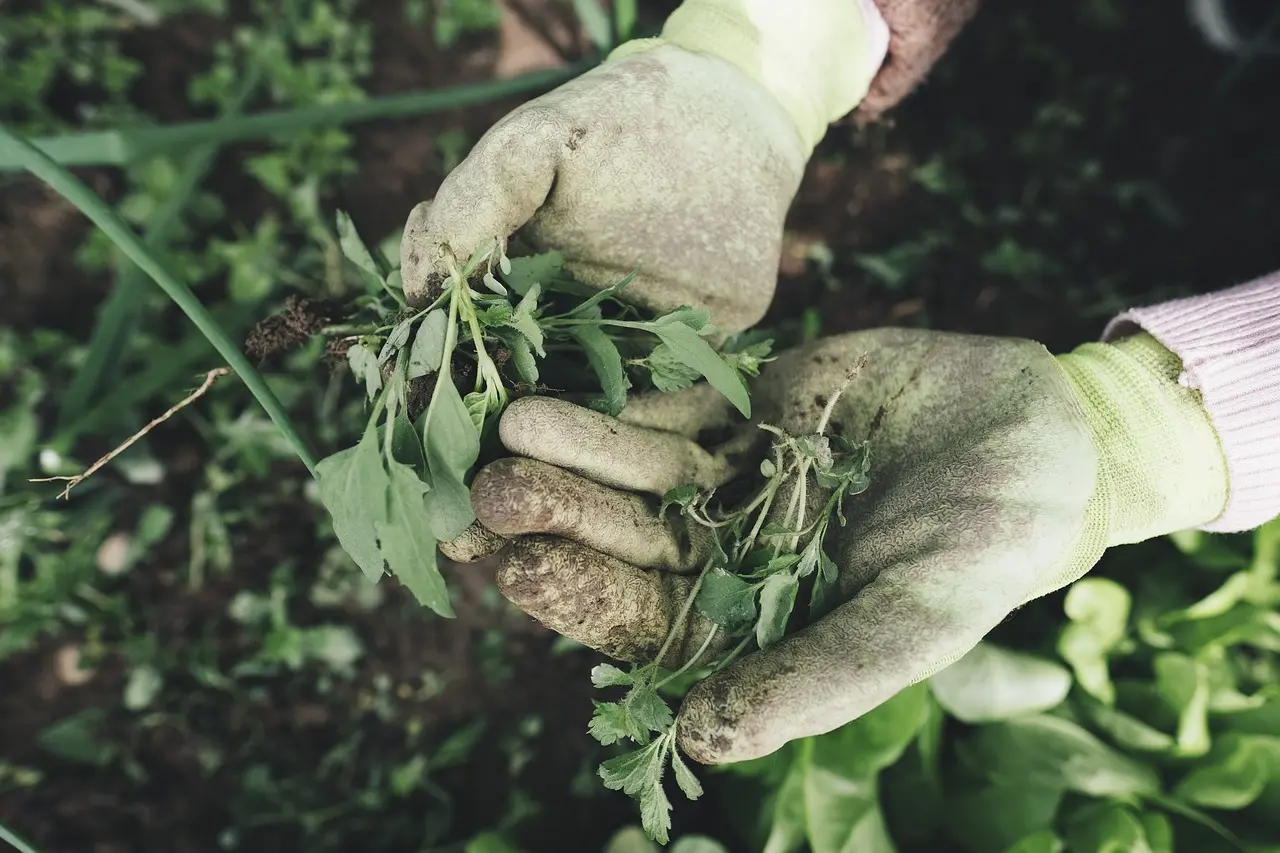
- Gloves, if the roots are woody or abrasive
Root-bound triage by plant type
| Plant type | Severity signs | Recommended root handling | Safe pot-size increase | First-week recovery actions |
|---|---|---|---|---|
| Seedlings and herbaceous annuals | Light circling roots; fast-drying mix; leaves wilt between waterings | Tease the outer roots gently and set them outward | One pot size up | Water once thoroughly, keep out of harsh sun, check daily for rebound |
| Herbaceous perennials | Rootball holds the pot shape; moderate crowding; slowed top growth | Tease mild circling roots; score the outer mass if roots mat tightly | One pot size up | Water once, keep shaded for a few days, watch drainage holes and leaf tone |
| Woody shrubs | Dense outer roots; roots showing above soil; container pushed out of shape or cracked | Score the rootball; root-prune only the worst circling roots | One pot size up, or move to ground if space allows | Water once, shelter from hot sun, monitor for renewed wilt or leaf drop |
| Young trees | Strong circling pattern; roots through drainage holes; rootball repels water | Score outer roots and correct obvious girdling roots; keep fine feeder roots mostly intact | One pot size up, or plant out where roots can spread | Water once, stake only if needed, check moisture and stability during week one |
Annuals and seedlings
These plants usually recover best when you disturb the rootball lightly. If the roots only circle near the edge, tease them loose with your fingers and set them outward in the new mix. Avoid heavy cutting unless the root mat is so tight that water cannot enter the ball.
A common first-timer mistake is moving a pepper seedling from a 4-inch pot into a very large container “for room to grow.” That extra space can stay wet too long. A single-size jump is usually safer, and for peppers and tomatoes, many growers use at least 5 gallons of soil per plant.
Perennials
Perennials can handle moderate correction, but they still prefer the least disruptive fix that opens the outer roots. If the rootball comes out intact and the outer roots are only lightly circling, tease first. If the edge is felted and dense, make shallow vertical scores before repotting.
Leave the interior root mass mostly alone. That is where the plant’s feeder roots are working. Cut only the tight outer shell that would keep roots from moving outward.
Woody shrubs and young trees
Woody plants are the group most likely to need scoring, but they are also the group most likely to suffer from overcutting. Use root pruning only when circling roots are clear and persistent, or when the rootball is so dense that it holds the shape of the pot and repels water.
For ground planting, spread the corrected roots outward in the planting hole. For container planting, keep the new pot close to the old size increase and avoid exposing too much bare root.
When to leave roots mostly intact
Leave the roots mostly intact when the plant is only lightly crowded, when the species resents hard root work, or when the rootball already has many fine feeder roots near the edge. In that case, only loosen the circling roots that are easy to separate. If the plant is weak, hot, or newly stressed, less disturbance is usually safer.
How do you tell if a plant is root bound?
You can usually spot the problem from the leaves and the pot, but you confirm it by removing the plant and checking the rootball. The clearest signs are wilting that looks like thirst, yellow or brown leaves, stalled growth, roots showing above the soil, and roots escaping through drainage holes.
Check the container too. A severe case may crack or deform the pot. In a bad rootball, the roots may hold the shape of the container after the plant slides out, and the outer layer can be so dense that water runs off instead of soaking in.
Above-soil symptoms
Root bound symptoms can look like an under-watered plant. The leaves may droop even after a normal watering schedule, and new growth may stay small. If the plant stops expanding while the mix dries unusually fast, the roots may have taken over the pot volume.
Drainage-hole clues
Roots growing out of drainage holes are a warning sign. They show that the root system has pushed beyond the available space. In a crowded container, that is often paired with poor drainage and a rootball that dries in patches or becomes hard to rewet.
What a crowded rootball looks like
Slide the plant out and look for a tight mat of roots circling the container edge. Pepper Geek describes root bound roots as growing in a circling pattern around the container. If the rootball keeps the pot shape or needs a side cut to inspect deeper roots, the crowding is no longer mild.
How should you handle the roots?
Start with the least disruptive fix that matches the severity. Mild crowding gets teasing. Moderate crowding gets scoring or light loosening. Severe crowding may need root pruning or, in a rigid pot, cutting the container away. The plant type should set the limit, not habit.
Say your basil seedlings are in a 3-inch cell pack and the roots only circle the outer edge. Teasing a few roots outward and moving to one size up is enough. Now suppose a young maple in a nursery pot has thick roots wrapping the pot and pushing through the drainage holes. That needs scoring, and possibly a larger move if the rootball is stable.
- Remove the plant and inspect the rootball.
- Tease only the loose outer roots if crowding is mild.
- Score the side of the rootball if the outer mat is tight.
- Trim only the worst circling roots on woody plants that tolerate it.
- Repot immediately after the roots are opened.
If that did not work, step up only one level. For a flexible container, squeeze it in different directions to loosen the plant. For a rigid container, use a long thin serrated knife close to the container edge. For a very severe case, you may need to break the container rather than tear the rootball.
Repotting and transplanting steps
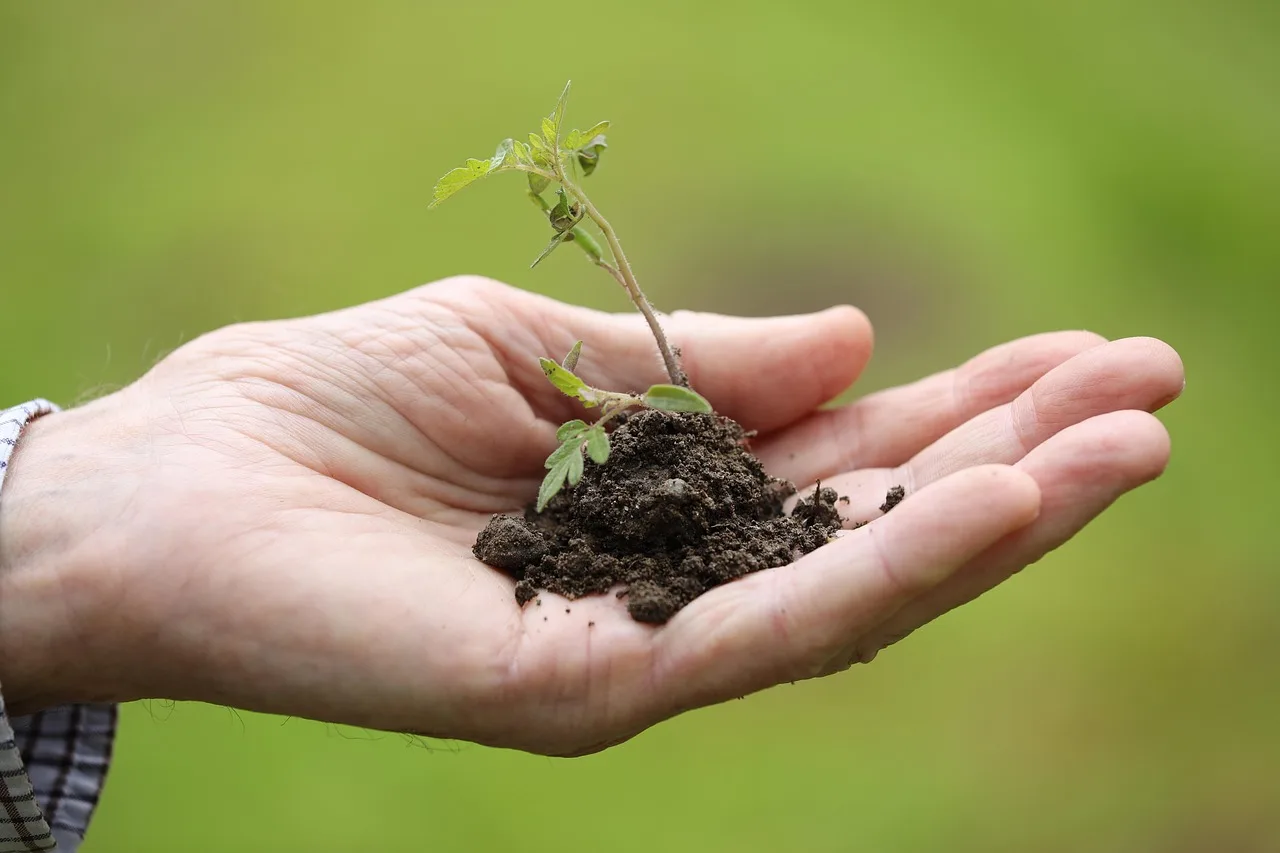
Repotting means moving the plant into a larger pot or into the ground. Timing matters. Annuals often recover quickly if handled early. Perennials tolerate a bit more correction. Woody plants usually need the most careful balance between opening the roots and leaving enough feeder roots to keep growing.
Set the plant into the new space and keep the root flare or crown at the same level it had before. Backfill, firm gently, and water once thoroughly so the mix settles around the roots. Do not keep adding water through the first day unless the mix is collapsing and exposing roots.
Choose the right pot-size increase
Use one pot size up in many cases. A much larger pot can hold too much wet media around a small rootball, which slows drying and can keep the roots soggy. A modest increase gives the roots room to move outward without drowning them in unused mix.
For peppers and tomatoes, a common container target is at least 5 gallons of soil per plant. That is not a cue to jump from a small pot to a huge one all at once. It is a cue to give these plants enough final volume without overpotting along the way.
Water and recovery
Water once after repotting, then let the plant settle. Keep it out of harsh sun for the first week if possible. Watch the drainage holes and the leaf posture. If the plant perks up, the roots are adapting. If it wilts harder, the rootball may have been damaged or the mix may be staying too wet.
Common mistakes
Upsizing the pot too much is one of the fastest ways to slow recovery. The extra mix can stay wet after the rootball has already dried, especially in cool or shaded spots. Keep the increase modest unless you are planting into open ground.
Another mistake is cutting too many roots too fast. Root pruning has its place, but it should not be the default for seedlings or tender herbs. On woody plants, cut only the roots that circle hard or girdle the rootball. Leave the rest intact.
Skipping drainage checks after repotting causes trouble too. Make sure the new container has drainage holes and that water can move through the mix. If the plant was already showing roots above the soil, watch closely for signs of continued crowding or slow drainage in the first week.
Prevention is simple: repot before the rootball becomes a hard shell. Regular checks at the drainage holes and a habit of up-sizing one step at a time reduce the odds of severe crowding.
Frequently asked questions
How do I know if a plant is root bound?
Remove the plant from the pot and inspect the rootball. Root bound plants usually have roots circling the container, roots showing above the soil, or roots coming through drainage holes. Above ground, they often wilt, yellow, or slow down even when watering looks normal.
What should I do if a plant is root bound?
Match the fix to the plant and the severity. Tease loose roots on mild cases, score the outer rootball on moderate cases, and use root pruning only when the plant type can handle it. Then move it into one size larger pot or into the ground.
Should I cut the roots of a root bound plant?
Only when the plant is woody enough to tolerate it and the outer roots are tightly circling or girdling. For seedlings and many herbaceous plants, cutting is usually more stress than benefit. Score the outer edge first, then trim only the worst circling roots if needed.
How much bigger should the new pot be for a root bound plant?
Use one pot size up in most cases. A large jump can leave too much wet media around the rootball and slow recovery. If the plant is going into the ground, size limits matter less, but the roots still need to be opened enough to grow outward.
Can a root bound plant recover after repotting?
Yes, many do. Recovery is more likely when you disturb the roots only as much as the plant type needs, water once thoroughly, and keep the plant out of harsh sun for the first week. If the roots were cut too hard, recovery can be slower.
When should I transplant a root bound plant?
Transplant when roots fill the container, circle the rootball, or push through drainage holes, especially if growth has stalled. For annuals and seedlings, move sooner. For woody shrubs and young trees, transplant when the rootball is crowded but still workable, before it becomes a hard, dry shell.