Is Grass Clipping Mulch Safe for Vegetable Gardens?
Grass clippings can be used in vegetable gardens if they come from an untreated lawn and are applied in thin, dried layers of about 1 inch, with no seed heads or herbicide residue. Used wet or in thick piles, they can mat, smell, block water and air, and damage seedlings. Here’s how to judge fresh clippings, dried clippings, and when composting is the better choice.
Are grass clippings safe for vegetable beds?
Yes, but only under the right conditions. Grass clippings can work as vegetable-bed surface mulch because they suppress weeds, help the soil hold moisture, and moderate surface temperature. The answer turns to no when the clippings came from a treated lawn, show disease, or are spread so thickly that they seal the bed.
What grass clippings do in a vegetable bed
Freshly cut grass breaks down faster than wood mulch, so it is a quick-acting mulch rather than a long-lived one. That fast breakdown helps in vegetable beds, where you often replant and need steady surface cover without a heavy woody layer.
Used correctly, clippings shade the soil, reduce splashback from irrigation or rain, and slow evaporation. They are a surface mulch, not a permanent blanket. Vegetable beds still need air exchange at the surface and around stems.
When the answer becomes no
Do not use clippings from a lawn treated with an herbicide unless the product label clearly allows use around edible plants. Unknown lawn history is enough reason to skip direct use. If the lawn was sprayed and the label is unclear, composting the clippings first is the safer move only when the product instructions allow composting of treated grass.
Also skip clippings that came from diseased turf, smelled sour, or arrived already wet and compacted. In those cases, the problem is not the grass itself. It is the condition of the material and the risk it brings into an edible bed.
What this mulch can do for weeds and moisture
A thin grass-clipping layer can block weed seedlings and slow moisture loss from the top inch of soil. It also can buffer sudden swings in soil temperature near the surface, which helps tender transplants settle in. The key is thin coverage, not depth for depth’s sake.
Picture a 4-by-8-foot tomato bed after a light mow. A loose, dry clipping layer can keep the soil from crusting and reduce weed sprouting between rows. Now picture the same bed covered with a wet heap after a rainy day. That mat can seal the surface, stay soggy, and create exactly the kind of poor airflow vegetable roots dislike.
Fresh clippings: safe or risky?
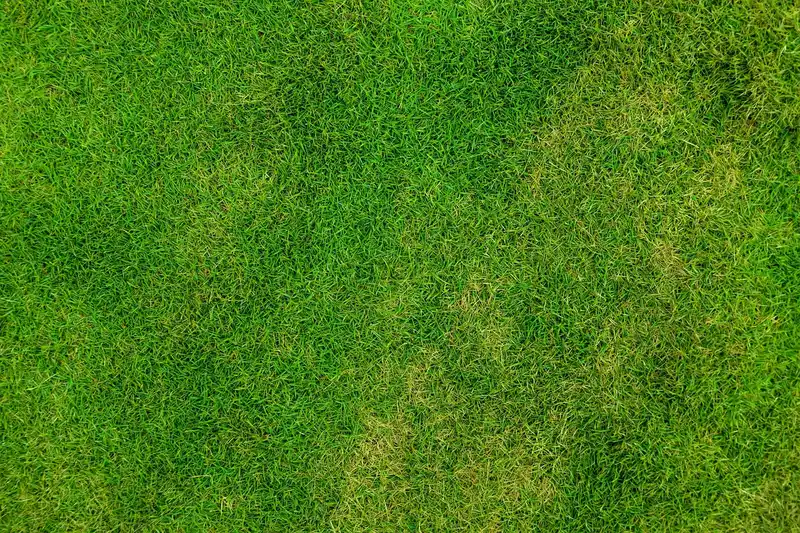
Fresh clippings are the riskiest form because they mat together easily. That mat can trap moisture, slow airflow, and form a slimy surface if the layer is too thick or the weather stays wet. They are not automatically unsafe, but they need careful handling.
Why wet clippings mat down
Wet grass blades settle into a dense sheet. Once that happens, water can bead on top instead of passing through, and air movement across the soil surface drops. The mulch then behaves less like a protective cover and more like a seal.
That problem is most likely after a rainy mow, a heavy bag of clippings, or a thick dump from a mower discharge chute. Thin scatterings behave differently. Thick, wet clumps are the failure point.
How thick layers block air and water
Grass clippings work best in a thin layer. Too much material can block irrigation, keep the top of the bed too damp, and make it harder for oxygen to reach the soil surface. That matters in raised beds, where drainage is often good but the surface can still seal over.
A common first-timer mistake is treating clippings like straw and spreading them deeply. Grass is denser and finer. It needs a lighter hand.
Which vegetable stages are most sensitive?
Seedlings and newly transplanted vegetables are the most sensitive to heavy grass-clipping mulch. Their stems are small, their root zones are still settling, and they need open soil around the crown. Established plants can tolerate a bit more, but even then the mulch should stay loose and away from direct stem contact.
Heavy-feeding crops such as corn, tomatoes, and squash can benefit from surface cover, but they still do poorly when the mulch is piled into a damp collar around the stem. The problem is placement, not just the material.
When dried clippings are the better pick
Dried clippings are usually the safer mulch choice because they hold together less, move more easily into a light layer, and are less likely to form a slimy mat. Drying does not make questionable clippings safe, but it improves airflow and makes the mulch easier to distribute evenly.
Why drying helps airflow
Dry grass separates into looser strands instead of packing into a dense sheet. That matters because vegetable beds need oxygen exchange at the surface, especially after watering. Drying also reduces odor and lowers the chance that the mulch will sour while it sits on the bed.
Suppose a gardener has a lettuce bed and a pepper bed beside it. The lettuce seedlings need the lightest touch, so a dry, thin scatter is the better choice. The peppers are larger and can handle a slightly fuller cover, but only if the clippings stay loose and do not touch the stems.
How to thin the layer
Spread clippings in a loose, even layer. If the layer looks packed, it is too heavy. If it forms a mat after you place it, break it apart and remove some before watering. The goal is coverage with visible air gaps, not a solid green sheet.
If the clippings are still a little damp, let them dry first in a clean spot away from residues, spilled fertilizer, or old herbicide containers. A contaminated drying surface defeats the purpose.
When to skip clippings that smell sour
Sour or rotten odors signal that the grass is fermenting rather than drying normally. That is a warning sign because it usually means the mulch is staying too wet and may create poor conditions on the bed surface. Composting is a better use for those clippings.
Grass clipping checklist
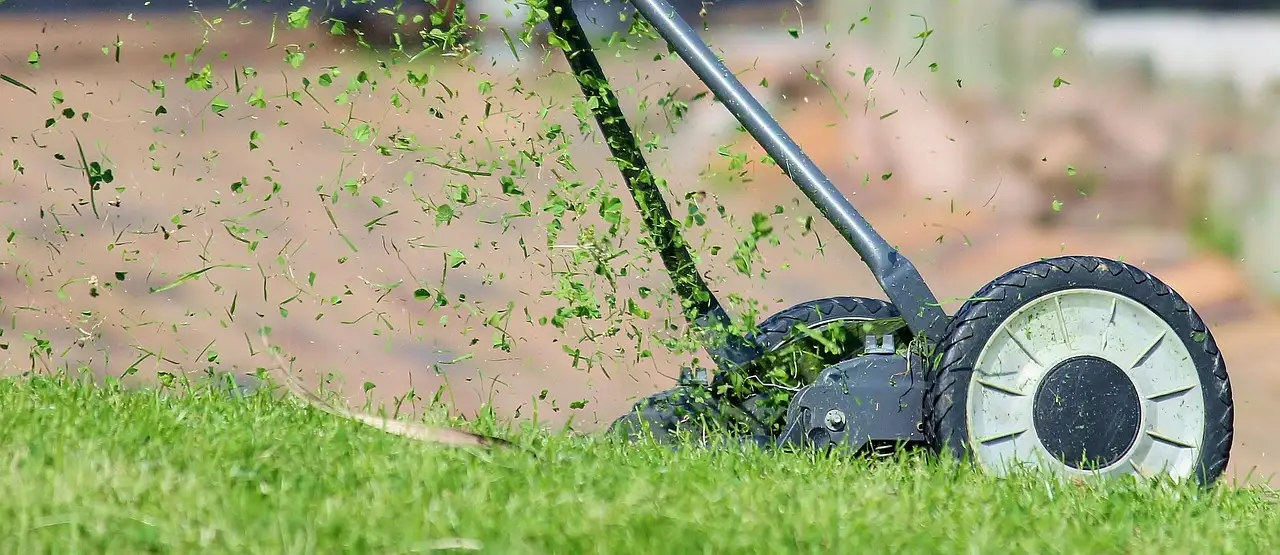
Use this check before you spread grass clippings on a vegetable bed. A yes answer to the first three items, and no to the last five, points toward direct use. If several answers are uncertain, compost first.
| Check | Yes | No |
|---|---|---|
| Herbicide exposure | The lawn was untreated, or the label clearly allows use near edible beds | The lawn history is unknown, treated, or the label is unclear |
| Disease symptoms | No visible turf disease, spots, moldy patches, or abnormal dieback | The grass came from diseased turf |
| Wetness | The clippings are dry or only slightly damp | They are wet, slimy, or freshly bagged from a rainy mow |
| Clumping risk | They separate easily by hand | They already form heavy mats or sticky clumps |
| Crop stage | The vegetables are established, with clear space around stems | The bed has seedlings or very new transplants |
| Layer depth | You can still see soil through the mulch | The layer hides the soil in a thick blanket |
| Odor | It smells like fresh cut grass or neutral dried grass | It smells sour, rotten, or fermented |
| Fast nitrogen need | The bed does not need an immediate nitrogen correction | The crop is already showing nutrient stress and needs a clearer feed plan |
Use, Skip, or Compost?
- Herbicide exposure: yes or no?
- Disease symptoms: yes or no?
- Wetness: yes or no?
- Clumping risk: yes or no?
- Crop stage: yes or no?
- Layer depth: yes or no?
- Odor: yes or no?
- Fast nitrogen need: yes or no?
If the first two answers are yes and the next four are no, the clippings are generally considered safe to use. If wetness, clumping, or depth are the main issues, use them only after drying and thinning. If herbicide exposure, disease, or odor are concerns, compost first.
How thick should you spread them?
Keep grass clippings thin. A light layer is the safe default because it lets water through, keeps air moving, and avoids the matting that turns clippings into a slick cover. The crop matters too: small seedlings need the thinnest layer of all, while established plants can handle slightly more if the mulch stays loose.
Why deep piles fail
Deep piles can seal the bed surface, especially after rain or irrigation. When that happens, the mulch can stay wet for too long, and the lower layer may compact into a mat that is difficult to fluff back up. That is when clippings start causing problems instead of preventing them.
Best placement around stems and crowns
Keep clippings a little back from stems, crowns, and seedlings. Do not bury the base of the plant. Open space around the stem helps reduce rot risk and keeps the mulch from pressing moisture directly against the plant.
Common first-timer mistake: piling clippings around cucumber or tomato stems after a weekend mow. The plant may look fine for a day, then the base stays wet too long and the mulch settles into a hard ring. Spreading it wider and thinner avoids that problem.
When should you compost grass clippings instead?
Compost grass clippings when the lawn treatment history is unclear, when the turf shows disease, or when the clippings are too wet or foul-smelling to spread cleanly. Composting is the safer fallback because it gives questionable material time to stabilize before it reaches the vegetable bed.
Unknown lawn treatment history
If you cannot confirm what was applied to the lawn, do not use the clippings directly on vegetables. Read the product label first if any lawn treatment was used. If the label does not allow use around edible crops, keep the clippings out of the garden bed.
Clippings from diseased turf
Diseased turf is a poor source for edible-bed mulch. Composting may be acceptable only if the compost process is managed well enough to break down the material thoroughly. Direct use is the wrong choice because it can move fungal issues into a bed that should stay clean.
Very wet or foul-smelling clippings
Wet grass can be mixed with carbon-heavy compost ingredients such as dry leaves or shredded paper to help it stabilize. That mix reduces the slimy texture and makes the material easier to handle later. Once composted, it is less likely to mat or sour on the bed surface.
Frequently asked questions
Are grass clippings good mulch for vegetable gardens?
Yes, if they come from an untreated, disease-free lawn and are applied in a thin layer. They suppress weeds, hold moisture, and moderate soil temperature. They are a poor choice when wet, thick, or from a lawn with an unclear spray history.
Is mulch bad for vegetable gardens?
No. Mulch is usually helpful in vegetable beds when it is the right material and is applied correctly. Grass clippings become a problem only when they are too thick, too wet, contaminated, or placed against tender stems where they can seal in moisture.
Is grass clipping good for your garden?
It can be, especially on established vegetable beds that need a quick, light mulch. Grass clippings are best used as a surface cover, not as a deep blanket. Their quick breakdown is useful, but it also means they need closer attention than wood mulch.
Can you use fresh grass clippings as mulch in a vegetable garden?
Yes, but fresh clippings are the riskiest form because they mat together more easily. Use them only in a very thin layer, and only if the lawn was untreated and disease-free. If they are wet, sour, or clumpy, dry them first or compost them instead.
Should grass clippings be dried before mulching vegetables?
Dried clippings are usually the better choice because they improve airflow and are less likely to form a slimy mat. Drying does not solve herbicide or disease concerns, but it makes the mulch easier to spread thinly and more suitable for sensitive crops.
How thick should grass clippings be applied around vegetables?
Thin enough that the soil still shows through in places. A heavy layer can block water and air, especially after rain. Around seedlings, keep the layer lighter than you would around mature plants, and keep the mulch off stems and crowns.
Are herbicide-treated grass clippings safe to use in the garden?
Only if the herbicide label clearly allows use around edible plants and the product history is known. If the label is unclear, the lawn was treated with a restricted product, or the history is unknown, do not use the clippings directly on vegetable beds.
Do grass clippings attract pests or cause mold in raised beds?
They can if they are piled thickly, kept wet, or left to sour. A thin, dry layer is much less likely to cause problems. White surface growth during normal decomposition is not automatically a failure sign, but a slimy, foul-smelling mat is.
Can grass clippings be composted instead of used as mulch?
Yes, and composting is the safer fallback when the clippings are questionable. It helps blend nitrogen-rich grass with carbon-heavy materials and can stabilize wet grass before it goes into the garden. That makes composting the better choice for uncertain or messy material.
Which vegetable crops benefit most from grass clipping mulch?
Established heavy feeders such as tomatoes, corn, and beans can benefit from moisture control and weed suppression. Transplants and seedlings need more caution because thick mulch can press on the stem base and keep the surface too wet. Use the lightest layer around new plants.