Gardening Techniques for Weed Control Without Chemicals
Use gardening techniques for weed control without chemicals by zone: hand-pull annuals before flowering, dig out deep-rooted perennials, and block new seedlings with mulch or cover before they set seed. The right method depends on the weed and the space: beds, borders, lawns, paths, and neglected ground all respond differently.
Matching weed control methods to type and zone
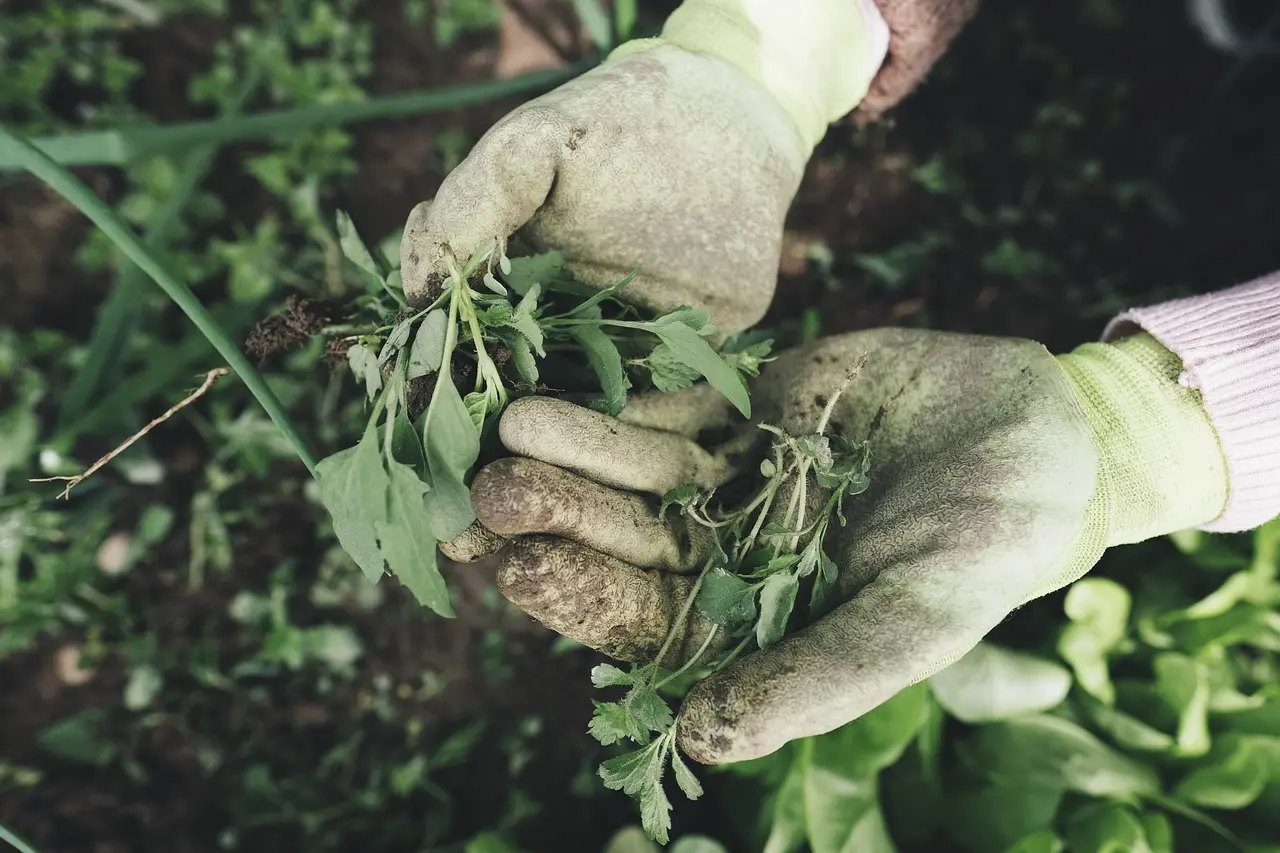
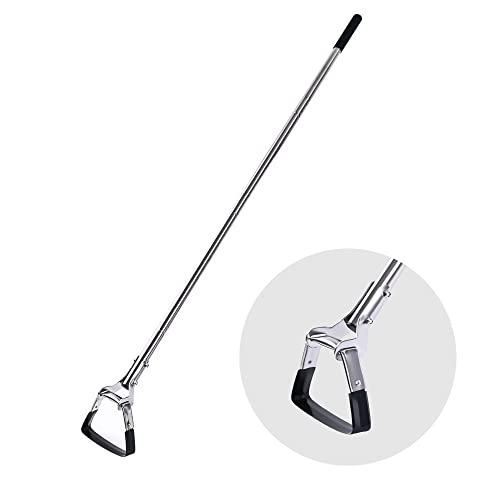


Start by matching the method to the weed type and the garden zone. Annual seedlings in open soil respond to hoeing or mulching, while taproots and runners need careful digging or repeated removal. In neglected ground, blocking light works better than repeated handwork. For most beds, mulch depth depends on the material and planting style, not a single fixed number; many extension guides recommend roughly 2 to 4 inches of organic mulch, kept away from stems and crowns so plants can still breathe and drain well. University of Maryland Extension, RHS
What you’ll need
- Long-handled fork
- Fishtail weeder
- Daisy grubber
- Old steak knife or pointed trowel
- Sharp hoe
- Wood chips, bark nuggets, straw, or pine needles
- Cardboard, newspaper, or biodegradable fabric for a light-blocking base layer
- Fabric for seldom-dug beds or heavily infested ground
- Black polythene or opaque tarp for long-term covering
- Horticultural vinegar or acetic acid for spot treatment
- Tarp or bin for seed-bearing weeds
Weed control matrix
| Weed type | Best zone | Best non-chemical method | Failure risk | Follow-up action |
|---|---|---|---|---|
| Annual seedlings | Beds, paths, lawns | Hoe when dry; mulch at 5 to 8 cm in beds | New flushes after rain or disturbance | Repeat before flowering and top up mulch as it breaks down |
| Taproot weeds such as dandelion | Beds, borders, lawns | Lift with a pointed trowel or daisy grubber | Root breaks and regrows | Recheck the same spot and remove any crown piece |
| Creeping perennials | Beds, borders, neglected ground | Repeated pulling plus light exclusion | Root fragments and runners survive | Pull again through summer, then cover problem patches |
| Vines such as bindweed | Beds, fences, mixed plantings | Pull 20 to 30 cm shoots before they twine | Twining around plants makes removal harder | Keep removing new shoots all season |
| Horsetail/marestail | Beds, neglected ground, damp edges | Lower soil disturbance, repeated cutting, and persistent cover on bare patches | Deep rhizomes and spores make it return after shallow weeding | Improve drainage if possible, avoid breaking rhizomes into pieces, and keep shading or covering bare soil |
Which weeds should you pull, hoe, or cover?
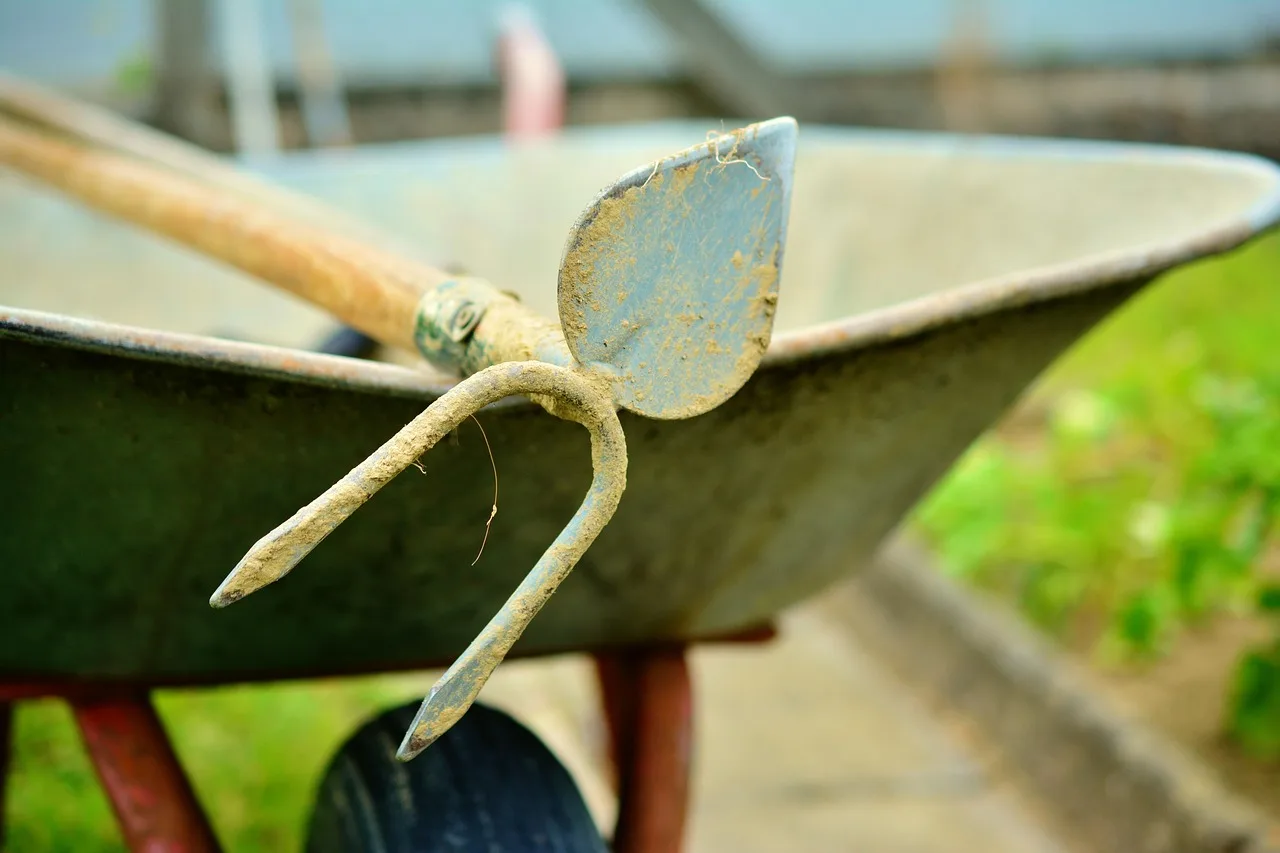
Choose pulling for individual plants with roots you can reach, hoeing for fresh seedlings on dry soil, and covering for dense infestations or neglected ground. Young weeds are easier to remove than older ones, so the right time matters as much as the right tool.
Step 1: Remove annual weeds early
- Hoe small seedlings on a dry day, slicing just below the soil line with a sharp edge.
- Pull seedlings from beds before they flower, because small roots come free more cleanly than older plants.
- Cut off flowerheads before seed set if a patch has already started to bloom.
Picture a 1 m path edge full of tiny chickweed after a dry spell. A sharp hoe clears the surface quickly, but rain the next day can bring a second flush. Check the same strip within a week and remove the new seedlings before they anchor.
Step 2: Deal with taproots, runners, and vines
- Use a long pointed trowel, fishtail weeder, daisy grubber, or long-handled fork to loosen the whole root.
- Extract dandelion taproots without breaking them, then lift any crown left behind.
- Pull bindweed shoots when they are 20-30 cm tall, before they twine onto neighboring plants.
Suppose a dandelion stands in a lawn edge near a paving stone. A pointed trowel can get under the crown better than a tug from the top. If the root snaps, go back for the remaining piece rather than waiting for a new rosette.
Step 3: Block light and prevent reseeding
- Lay cardboard, newspaper, or biodegradable fabric under mulch in beds that need longer suppression.
- Spread organic mulch to a depth suited to the material and planting: finer mulches often work best at about 5 cm, while coarser bark or wood chips can sit a little deeper if the crown of the plant stays exposed. Keep mulch off stems and do not bury crowns.
- Top up the mulch as it breaks down so the surface stays covered.
Mulch blocks light, cools the soil, and holds moisture. A blanket rule like “2 inches for everything” is too rigid; the safer guidance is to use a layer deep enough to shade the soil but not so deep that it mats over crowns or stays soggy against stems. Extension and RHS guidance both emphasize matching depth to material and plant type. RHS, University of Maryland Extension
What is the best natural way to stop weeds from coming back?
The strongest non-chemical approach is a mix of light blocking, timely removal, and dense plant cover. One method will not hold forever. If roots survive, or if seed heads are left behind, the patch can refill itself fast.
Use the right cover for the right job
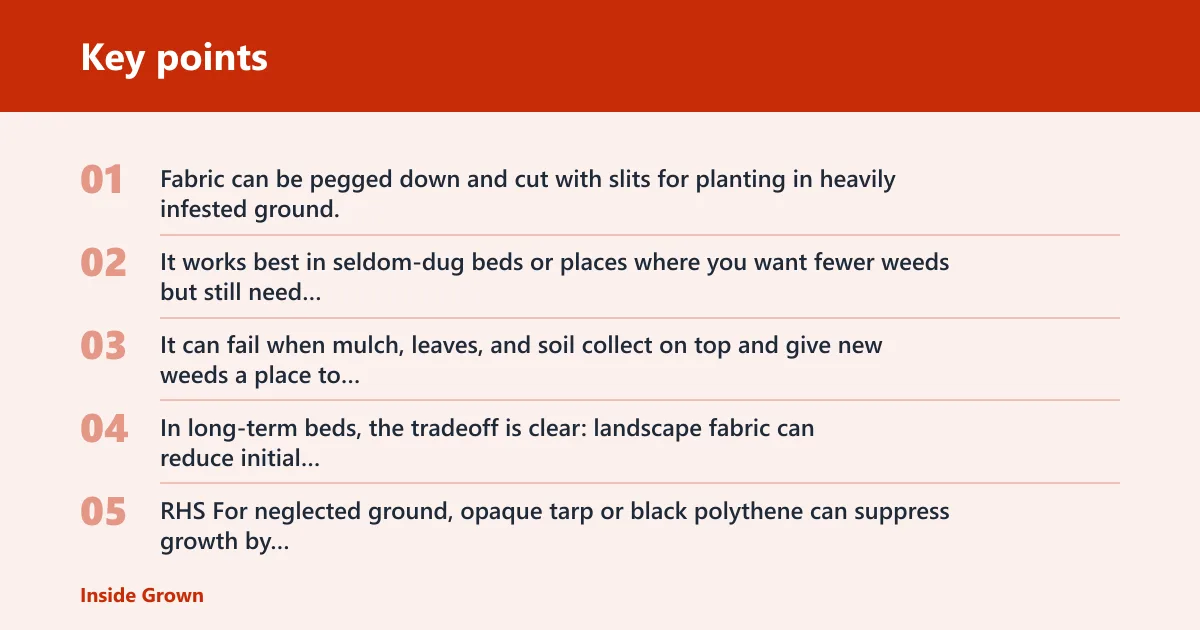
Fabric can be pegged down and cut with slits for planting in heavily infested ground. It works best in seldom-dug beds or places where you want fewer weeds but still need plant openings. It can fail when mulch, leaves, and soil collect on top and give new weeds a place to root. In long-term beds, the tradeoff is clear: landscape fabric can reduce initial germination, but it is not a permanent weed solution because organic debris eventually accumulates above it. RHS
For neglected ground, opaque tarp or black polythene can suppress growth by excluding light. That option suits places where appearance is less important and where you need long-term cover, but it works only if the edges are sealed and the material stays in place long enough to exhaust the weeds below.
Solarization vs occultation
Solarization uses clear plastic to trap heat; occultation uses opaque material to block light. Solarization works best in hot, sunny weather and needs a well-watered site plus several weeks of strong sun; it is less effective in cool or cloudy conditions. Occultation is slower but more reliable in mixed climates because it relies on darkness rather than high temperatures. University and government guidance commonly place solarization in the 4 to 6 week range in hot weather, while occultation often needs several weeks to a few months depending on weed pressure. UC IPM, USDA NRCS
If a bed is packed with annual weeds and the weather is hot, solarization can be a good reset before replanting. If the patch holds perennials, horsetail, or bindweed, occultation usually gives a more dependable long game because it keeps depriving regrowth of light after the first flush dies back. After either method, recheck edges and remove survivors before they reseed.
Fill gaps before weeds do
Dense planting and companion planting cut down open soil, shade the surface, and leave fewer places for seed to germinate. This matters most in borders and mixed plantings where bare patches appear between young plants. Keep the soil covered, and weeds have less room to start.
How do I get rid of bindweed naturally?
Bindweed is best handled by repeated early removal, not a single pull. The plant is persistent because it stores energy in deep roots and regrows from small fragments, so repeated cutting or digging is usually needed over a long season. Extension guidance stresses that bindweed rarely disappears after one session and may require sustained follow-up for months or longer. RHS, University of Minnesota Extension
If that didn’t work, try this next
- Cut or pull every new shoot the moment it appears, before it wraps around stems or trellis wires.
- Check the same patch every few days during active growth and remove regrowth at soil level.
- In beds that can be left fallow, cover the patch with black polythene or an opaque tarp for a long suppression period.
Bindweed can reappear from small root fragments, so the job is follow-up, not one pass. If it keeps climbing through a border, lift the most exposed shoots first and then move to the buried ones as they emerge.
How do you control weeds in a heavily infested garden bed?
In a badly weedy bed, start with covering or barrier methods, then shift to spot removal around the plants you want to keep. When seed pressure is high, repeated hand weeding alone wastes time and often leaves enough fragments to restart the problem.
Escalation ladder
- Clear all seedheads and remove obvious runners first.
- Lay fabric under mulch in the worst sections, or use cardboard or newspaper under a fresh mulch layer.
- For beds that can be taken out of production, use black polythene or an opaque tarp for a long suppression period.
After the cover goes down, check the edges. Weeds often break through where the material is lifted or torn. If a perennial keeps returning at a seam, dig that point out before it spreads into the next section.
What should I do with weeds after pulling them?
Remove seed-bearing weeds from the bed right away and keep them out of ordinary compost unless the heap reaches proper hot-compost conditions. Seed-free weeds can go into a managed hot compost pile, but if seeds survive, they can spread right back through the garden. The UK and university guidance is consistent: a compost pile needs sustained heat, not just a warm center, and weed seeds are best only when the pile is actively managed and turned. US EPA, Penn State Extension
Dispose of weeds safely
- Shake off soil, then separate seed heads from green material.
- Bag or bin seedy weeds if you cannot hot-compost them reliably.
- Send only seed-free material, or material that has been properly heated, into compost intended for reuse.
Hot composting works only when the pile is managed well enough to prevent weed seed survival. If that control is not available, treat pulled weeds as waste rather than feedstock. Many extension services use about 55 to 60°C as the range where hot composting becomes effective at killing weed seeds and pathogens, but the pile also needs enough moisture, oxygen, and turning to keep those temperatures from collapsing. University of Minnesota Extension
Can vinegar kill garden weeds without chemicals?
Horticultural vinegar and acetic acid can burn some top growth, but they are non-selective contact treatments, not root killers. They are most useful on isolated weeds in cracks or at edges, where you can target a single plant and then return if regrowth appears. Stronger concentrations can also irritate skin and eyes, so label directions and protective handling matter. Michigan State University Extension, HSE
Use it only where a spot treatment fits
- Apply to the weed itself, not the surrounding planting.
- Check the plant again after treatment and repeat if green tissue survives.
- Use a physical method, such as pulling or hoeing, if the weed is in a bed you want to keep clean long term.
Vinegar does not replace root removal on taproots or runners. It usually burns foliage and may reduce a small annual seedling, but it often misses the root system. If the top browns but the crown remains alive, the plant can return.
Should you pull weeds or hoe them when the soil is wet or dry?
Pull weeds when the soil is moist and hoe them when dry. Moist soil often releases roots more easily, while dry soil lets a hoe slice seedlings cleanly below the surface. That split is useful because the tool changes with the soil condition.
Use the soil state to choose the tool
- On dry days, hoe young weeds in open areas with a sharp blade.
- After rain or watering, pull individual weeds with a fork, trowel, or weeder so roots come out intact.
- Skip hoeing when the soil is wet, because smeared soil can make follow-up work harder.
Frequently asked questions
How do I control weeds in my garden without chemicals?
Match the method to the weed and the zone. Hoe young seedlings in open soil, dig out taproots, and use mulch, barriers, or dense planting where bare soil would keep producing new weeds. Repeat removal matters because roots and seed can bring the problem back.
How deep should mulch be to suppress weeds?
Use enough mulch to shade the soil without burying crowns. For many beds that means about 5 to 8 cm, with coarser materials sometimes a little deeper. Avoid piling mulch against stems or over the crowns of perennials, shrubs, or vegetables.
Will fabric stop weeds long term?
It can reduce weeds in seldom-dug beds and heavily infested ground, especially under mulch. It is not permanent. Debris and organic matter can build on top, giving new weeds a rooting layer, so it needs checking and cleanup rather than being forgotten.
Does vinegar kill weeds in cracks permanently?
No. Vinegar can scorch the top growth of small weeds in cracks, but it often leaves roots or crowns alive. It works best as a spot burn on tiny seedlings or on repeat regrowth, followed by scraping, pulling, or sealing the crack so the weed cannot return as easily.
What is the difference between solarization and occultation?
Solarization uses clear plastic and heat; occultation uses opaque material and darkness. Solarization is best in hot sun for several weeks on moist soil. Occultation is slower but more dependable in cooler conditions because it does not rely on solar heat.
How do I deal with horsetail or marestail?
Use persistence rather than repeated digging. Horsetail spreads through deep rhizomes, so shallow cultivation can make it worse. Reduce disturbance, improve drainage if possible, and keep the patch covered or densely planted so the shoots cannot keep rebuilding energy.