Can You Bring Water Bottles Into Botanical Gardens?
Usually yes: most botanical gardens allow a water bottle, but the exact rules change by venue, exhibit, and event. Miss a container rule, and staff may ask you to finish it, dispose of it, or return to the entrance. Before you leave, check the venue FAQ, any special exhibit rules, the event page, refill locations, seasonal fountain closures, and prohibited-container language.
Venue policies on water bottles vary widely
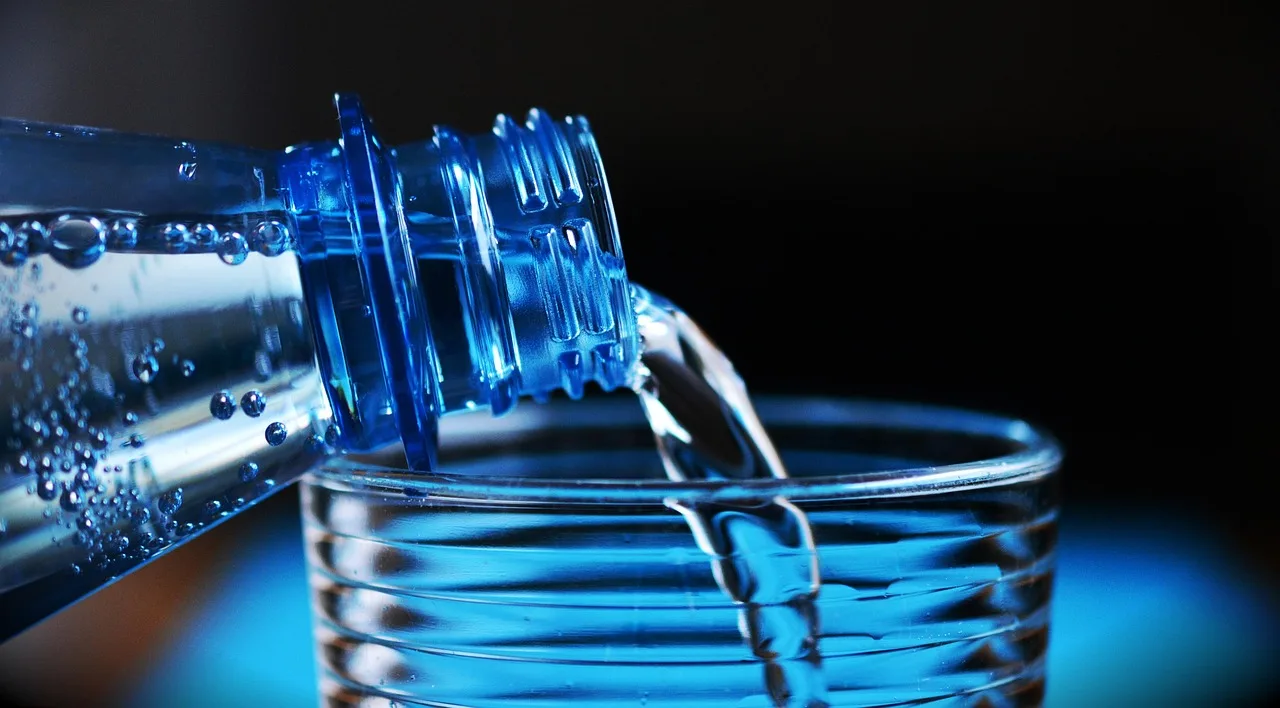
Usually yes, but the details change from place to place. Many gardens allow sealed water bottles or empty refillable bottles, while indoor conservatories and special exhibits are often stricter than the outdoor grounds. The official venue FAQ matters more than generic advice because the same bottle can be allowed in one area and blocked in another.
The usual split is straightforward. On the grounds, a water bottle is often fine. Inside a conservatory, special exhibition, cafe, or timed-entry space, the same bottle may be limited or blocked. Glass is often one of the first items venues restrict, and alcohol is often prohibited.
Garden policy can also change with the entrance system. Some places use bag checks, timed admission, or ticketed entry, and staff may inspect what you bring before you reach the main paths. If the garden separates outdoor areas from indoor buildings, the beverage rule may change at that threshold.
What usually changes from garden to garden
One garden may allow sealed plastic water bottles but no other outside beverages. Another may allow water plus baby bottles. A third may allow outside food only in designated picnic zones. That is why the answer to “Can you bring water bottles into botanical gardens?” is usually yes, but only after you check the specific venue.
If your bottle is sealed and the garden allows outside water on the grounds, the indoor area may still restrict it. That can be true even in a large conservatory, where the bottle itself is fine but the building has a tighter rule set.
Why indoor spaces can be stricter than the grounds
Indoor conservatories often protect plants, floors, and display areas more tightly than open-air gardens. That is where you are more likely to see no-drink rules, no-lugging-large-bags rules, or limits on strollers and other carried items. Some spaces also limit photography equipment to handheld cameras only.
That does not mean every indoor area bans water. It means you should expect a narrower rule set once you step inside a building, greenhouse, or exhibit hall. If a venue has both outdoor trails and indoor galleries, check both sections of the FAQ before you pack.
Bottle rules at a glance
The bottle type matters. Sealed plastic water bottles are commonly allowed. Empty refillable bottles are often welcome if you fill them at a fountain or refill station. Glass bottles are the most likely to be restricted, and insulated tumblers may be treated as drink containers rather than simple water bottles.
Sealed bottles vs empty refillables
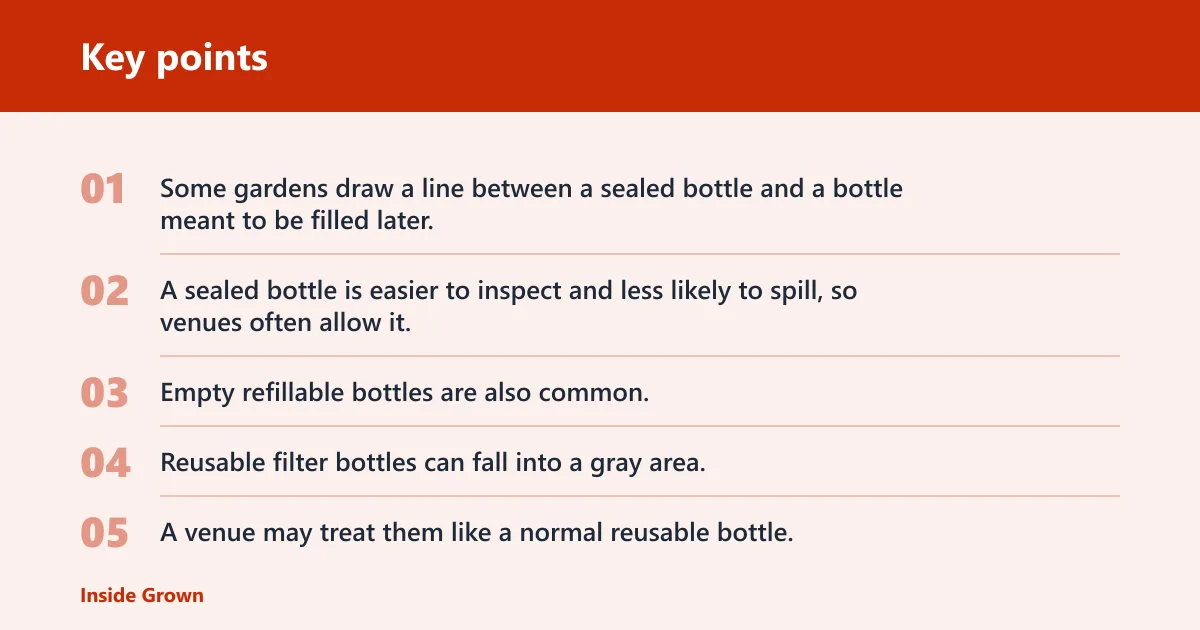
Some gardens draw a line between a sealed bottle and a bottle meant to be filled later. A sealed bottle is easier to inspect and less likely to spill, so venues often allow it. Empty refillable bottles are also common, but you may be asked to fill them only at approved stations.
Reusable filter bottles can fall into a gray area. A venue may treat them like a normal reusable bottle, or it may treat the internal filter or large cap as part of a more tightly controlled container. The FAQ usually tells you whether it is treated like a standard refillable bottle or handled separately.
Glass, insulated, and filter bottles
Glass containers are often restricted because they can break on paths, in greenhouses, or near crowded displays. Insulated tumblers are usually not the problem by themselves; the concern is whether the lid is secure and whether the venue considers it a covered beverage container. Bottle shape matters less than the spill risk.
Reusable filter bottles are worth checking in advance because venues may not name them explicitly. If the FAQ mentions only “water bottles,” “sealed bottles,” or “refillable bottles,” ask visitor services whether filter bottles are treated the same way. That avoids a surprise at the gate.
Baby bottles and medical exceptions
Baby bottles are often treated differently from ordinary beverage containers, and some venues say so directly. If a policy mentions baby bottles or medical needs, that exception matters more than a general no-outside-drinks rule. When the FAQ is vague, visitor services can tell you what to carry through security.
A common first-timer mistake is packing a glass bottle because it fits the stroller pocket better than a plastic one. If the garden bans glass, staff can stop you before entry or ask you to transfer the liquid to a permitted container. That is an avoidable delay.
Botanical garden entrance rules
Entrance rules often control what happens before you reach the plants. Bag screening, ticket checks, timed admission, and exhibit-specific limits can all affect whether your bottle is accepted. Those rules can differ between outdoor gardens and indoor spaces within the same venue.
Bag checks and security screening
Many gardens use some kind of screening at the entrance. That may be a quick visual check, a bag inspection, or a more formal security process for busy events. If liquids are restricted, staff usually check containers before you enter rather than after you have walked into the grounds.
That is one reason to keep water near the top of your bag. If the venue allows only certain drinks or bottle types, the check is easier when staff can see the container without unpacking everything.
Timed entry and ticketed admission
Timed admission does more than control crowds. It can also pair with tighter entry control, especially for popular conservatories or seasonal displays. If your visit has a reserved window, the venue may enforce bag rules more carefully than on a normal weekday stroll.
When a garden has different rules for outdoor grounds and indoor exhibits, the bottle rule may differ between those areas. A bottle that is allowed on the paths may not be allowed in the conservatory, even if you entered with it legally.
Rules that differ by outdoor area or exhibit
Look for wording about picnic lawns, ticketed houses, and special exhibitions. Those are the spots where beverage rules usually change. An open lawn may permit a sealed bottle and snacks, while a greenhouse or gallery may allow only water, or no drinks at all.
That distinction matters if you plan to move through the garden in stages. If you carry a reusable bottle, refill it before crossing into a stricter building so you do not need to backtrack later.
Can you refill water inside?
Often yes, but not always year-round. Many gardens place refill stations near entrances, visitor centers, or a main plaza, and some still have public drinking fountains. In cold months, outdoor fountains can close, so a bottle that is easy to refill in summer may be harder to manage in winter.
Refill stations at entrances and visitor hubs
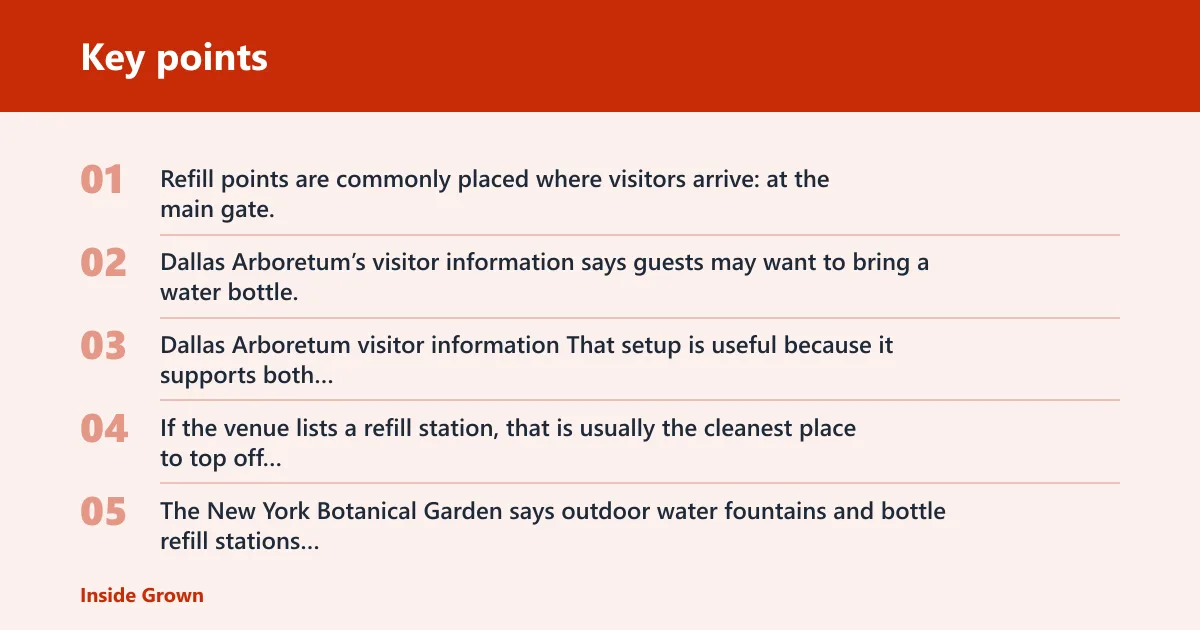
Refill points are commonly placed where visitors arrive: at the main gate, near the visitor center, or in a central plaza. Dallas Arboretum’s visitor information says guests may want to bring a water bottle, lists a water bottle refill station at the main plaza, and says drinking fountains are at all the entrances. Dallas Arboretum visitor information
That setup is useful because it supports both sealed bottles and empty refillables. If the venue lists a refill station, that is usually the cleanest place to top off before heading deeper into the grounds.
Public drinking fountains and when they close
Not every fountain stays on all year. The New York Botanical Garden says outdoor water fountains and bottle refill stations are closed from November to April. NYBG visitor information That kind of seasonal note changes packing decisions fast, especially for long outdoor visits in colder months.
If fountains close for freezing conditions, plan as if you will not find easy water once you are inside. Bring enough in a permitted container, and confirm whether indoor fountains remain open in the building you plan to use.
Suppose you arrive with an empty 20-ounce bottle in November and expect to refill at the first fountain. If the outdoor stations are closed, you may have to wait for an indoor source or buy water on site, so checking the seasonal note before you leave saves time.
What to do if refills are limited
If a venue has few refill points, fill your bottle before entry if the policy allows it. If the garden says refills are available only in one plaza or one visitor center, plan your route around that stop. For long, hot, or crowded visits, that small detour can prevent a dry stretch later.
Use the garden’s own directions for refills rather than assuming any fountain will work. A venue may allow bottles but want them used only at designated stations or entrances.
Food and drink rules
Food and drink rules usually travel together, but they are not identical. A garden may allow water while restricting snacks, or allow picnicking only in a designated area. Alcohol is often banned even where non-alcoholic beverages are permitted.
Snacks, picnics, and designated areas
Many venues allow some food only in specific locations. NYBG allows picnicking only in the Clay Family Picnic Pavilions. Dallas Arboretum allows food from home as a picnic basket with food, snacks and beverages. Those are very different models, so do not assume one garden’s picnic rule applies to another.
Check whether the garden names a picnic lawn, pavilion, or designated area. If it does, stay inside that boundary with food and finish drinks there rather than carrying them into conservatories or formal display spaces.
Non-alcoholic drinks versus alcohol
Outside alcohol is often prohibited even when water and other non-alcoholic drinks are allowed. NYBG says outside alcohol is prohibited. That distinction matters because a venue may still permit sealed water or a small juice box while banning wine, beer, or mixed drinks.
Container rules for food and beverages
Some policies care more about the container than the drink. Covered cups, glass bottles, large coolers, or picnic baskets may be treated differently from a single sealed water bottle. If you carry food and drinks together, expect the stricter item to control the result.
That is why a simple bottle is usually safer than a loose drink cup. If the FAQ mentions “bottles only,” do not assume tumblers or open cups are included.
Indoor conservatories and exhibition spaces
Indoor conservatories and exhibition spaces often have the tightest beverage rules on the property. A drink that is fine on the grounds may be blocked indoors, especially if the space has delicate displays, narrow paths, or a high visitor count. Check the building-specific rules before you go inside.
Stricter beverage limits indoors
Indoor spaces often limit outside food and drink more aggressively than outdoor gardens. That can include bans on open beverages, a requirement that bottles stay capped, or a rule that only water may enter. If the venue has both indoor and outdoor tickets, the indoor ticket usually carries the tighter policy.
Bag, stroller, and camera restrictions in some spaces
Some indoor areas also restrict bags, strollers, or photography gear. A few venues use handheld-camera-only rules inside specific exhibits. Dallas Arboretum says wheelchairs and strollers are allowed throughout the gardens, which shows that mobility rules can be venue-specific too, not one-size-fits-all. Dallas Arboretum visitor information
If a conservatory limits bags or strollers, that can affect where you keep a bottle and how quickly staff can inspect it. A bottle clipped to a bag may be easier to check than one buried under other items.
How to check indoor-only rules before you enter
- Find the page for the exact garden, not a general travel site.
- Read the sections for grounds, conservatory, event space, and cafe separately.
- Look for words like sealed, refillable, glass, outside beverages, and baby bottles.
- Check the hours and weather notes for seasonal fountain closures.
- Use visitor services if the FAQ does not name your bottle type.
Service animals and other visitor rules
Service animal rules matter because they often sit next to bag, drink, and access policies in the FAQ. Pets are usually not allowed in botanical gardens, while ADA-trained service animals are welcome. That can affect which paths, buildings, or exhibit rooms you may enter with a bottle in hand.
ADA-trained service animals only
The New York Botanical Garden says pets are not allowed, but service animals are welcome. NYBG visitor information That is the common pattern at botanical gardens. If a venue uses the ADA-trained service animal standard, it usually excludes emotional-support animals and ordinary pets.
Why pets are usually not allowed
Plants, wildlife, and crowded paths make pet restrictions common. Venues also try to keep indoor display spaces clean and calm. If a garden bars pets, it may also tighten rules on what can be carried near exhibits, since staff are managing both access and safety.
Other rules that affect what you can carry
Smoking bans, no-luggage rules, and stroller limits can all affect how you pack your bottle and snacks. If you need a bag check, keep essential items easy to reach: identification, ticket, water, and any approved containers. That makes screening faster and reduces back-and-forth at the gate.
Can I bring this bottle?
| Bottle type | Typical garden allowance | Common restrictions | What to check on the venue FAQ |
|---|---|---|---|
| Sealed plastic bottle | Usually allowed on outdoor grounds | May be blocked in indoor conservatories, cafes, or special events | Look for “outside drinks,” “sealed water,” and indoor exhibit rules |
| Empty refillable bottle | Usually allowed | May need to be filled only at approved fountains or stations | Check refill station locations and whether empty bottles are permitted through entry |
| Insulated tumbler | Sometimes allowed | May be treated as a beverage container, especially if it is open or opaque | Confirm whether tumblers are grouped with bottles, cups, or outside beverages |
| Glass bottle | Often restricted | Glass is commonly banned because of breakage risk | Search for “glass containers,” “bottles,” and “unbreakable containers” language |
| Baby bottle | Often allowed with exceptions | May be singled out as an exception, especially near food and drink restrictions | Check for baby bottle or medical-needs language, plus any inspection rules |
| Reusable filter bottle | Usually allowed, but venue-specific | May be treated differently if the venue does not name it directly | Ask visitor services whether it counts as a refillable bottle or a special container |
Can you bring water bottles into Atlanta Botanical Gardens?
Check the current Atlanta Botanical Garden visitor rules before you go, because water and bag policies can change by exhibit, season, or event. Atlanta Botanical Garden visitor information As with many gardens, a sealed water bottle is more likely to be accepted than glass or open beverages, but the official page is the rule that matters.
Use the venue FAQ, event page, and any special exhibit notice together. If the garden separates outdoor grounds from indoor spaces, expect the indoor rule to be tighter, especially for glass containers and open drinks.
Can you bring water bottles into Denver Botanic Gardens?
Denver Botanic Gardens should be treated the same way: verify the venue FAQ, then look for rules on outside water, indoor spaces, and any event-specific screening. Denver Botanic Gardens visitor information If the garden separates outdoor grounds from indoor conservatories, the bottle rule may differ between those areas.
Check the bottle language closely. A policy that allows refillable bottles may still limit sealed drinks in a particular building, and any special event page can override the standard visitor rule for that day.
Can you bring water bottles into Missouri Botanical Garden?
Missouri Botanical Garden visitors should confirm the current visitor page before arrival, especially if they plan to enter indoor spaces or attend a timed event. Missouri Botanical Garden visitor information A standard water bottle may be fine on the grounds, but glass, alcohol, and picnic rules can differ by area.
Start with the venue FAQ and then check any exhibit or event notice for the day of your visit. That is the safest way to catch indoor exceptions, bottle-type limits, and any refill-station guidance.
Can you bring water bottles into Chicago Botanic Garden?
Chicago Botanic Garden policy should be checked on the venue’s own FAQ, because drink and food rules are often area-specific. Chicago Botanic Garden visitor information If you are bringing a refillable bottle, look for fountain access, exhibit restrictions, and any seasonal note that could affect outdoor refills.
When the garden has both outdoor paths and indoor spaces, read the entry rules for each area separately. That keeps you from carrying a bottle into a building where the rule is narrower than it was at the gate.
Can you bring water bottles into New York Botanical Garden?
New York Botanical Garden’s visitor information is the best source for bottle and fountain rules, especially because its outdoor fountains and bottle refill stations close from November to April. NYBG visitor information Check the page for picnicking, outside alcohol, and indoor-space limits before you go.
NYBG’s own guidance also separates picnic access from general entry. If you plan to bring food with your bottle, confirm the designated picnic area and any indoor restrictions before you arrive.
Can you bring water bottles into Dallas Arboretum?
Dallas Arboretum’s visitor information says guests may want to bring a water bottle, lists a bottle refill station at the main plaza, and notes drinking fountains at all entrances. Dallas Arboretum visitor information That makes it a good example of a venue that supports refillable bottles while still relying on designated refill points.
The same page also says food from home is allowed as a picnic basket with food, snacks and beverages, so the venue’s own rules matter more than a generic no-outside-food assumption. Check the current page for any indoor or event-specific limits before you pack.
Practical packing advice for a garden visit
Bring water, sunscreen, and comfortable shoes. Then check the garden’s current FAQ, hours, and weather notes before you leave. That order catches most policy changes, especially seasonal fountain closures, event restrictions, and rules that differ between outdoor paths and indoor buildings.
If the venue offers refill stations, use them early. If it restricts drinks in indoor areas, finish or store your water before you cross that threshold. If you are unsure, contact visitor services and ask about your exact container type rather than guessing at the gate.
Frequently asked questions
Can you bring water bottles into botanical gardens?
Usually yes, but the exact rule depends on the garden, the building, and the bottle type. Sealed plastic bottles are commonly allowed, while glass bottles and open drinks are more often restricted. Always check the venue FAQ before you go, especially for indoor spaces and ticketed events.
Can you take drinks into botanical gardens?
Often yes for water and some non-alcoholic drinks, but not always for all beverages. Many gardens separate water from other drinks, and alcohol is commonly prohibited. Some venues allow drinks only in designated picnic areas or outdoors, not inside conservatories or exhibition buildings.
Can you bring food into botanical gardens?
Sometimes, but usually only in designated areas. NYBG allows picnicking only in the Clay Family Picnic Pavilions, while Dallas Arboretum allows food from home as a picnic basket with food, snacks and beverages. Check whether the garden allows snacks, full picnics, or no outside food at all.
Are refillable water bottles allowed in botanical gardens?
Usually yes, and many gardens expect visitors to use refillable bottles at approved fountains or refill stations. The main question is whether the bottle can enter the gate and whether it can be filled inside. Look for language about refill stations, drinking fountains, and indoor restrictions.
Where can you refill a water bottle at a botanical garden?
Common refill spots include entrance fountains, visitor centers, and main plazas. Dallas Arboretum has a water bottle refill station at the main plaza and drinking fountains at all the entrances. Note that outdoor fountains can close in colder months, as NYBG says its outdoor water fountains and bottle refill stations are closed from November to April.