Gardening Techniques for Saving Water in Vegetable Plots
Use drip irrigation or soaker hoses under about 2 to 3 inches of mulch, and match water to bed type: sandier beds generally need smaller, more frequent doses; heavier soils generally need slower, deeper soaking. Mismatched watering wastes water, drives disease, and can leave roots shallow. This guide covers soil type, irrigation choice, mulch depth, and bed setup so you can cut water use without cutting harvests.
What setup saves the most water in a vegetable garden?
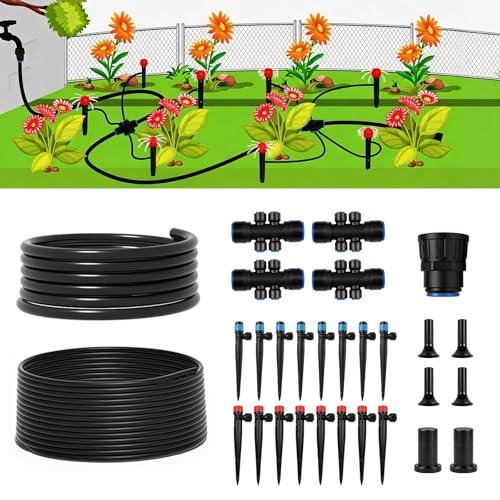

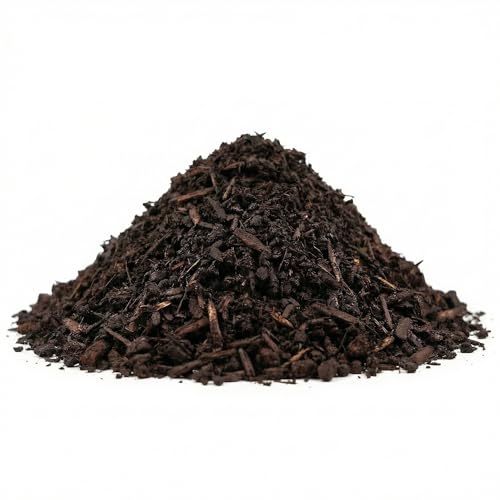
The biggest water savings usually come from three things: putting water at the root zone, keeping soil covered, and watering deeply enough to reach 6 to 8 inches. For most beds, drip irrigation under mulch is the most efficient combination, especially when the layout is dense and the soil is checked before each watering.
Check soil moisture before watering
Do not water by habit alone. Push a finger, probe, or trowel into the bed and check below the surface, not just the crust. If the lower soil still feels cool and damp, wait. If it is dry several inches down, water slowly enough that it can soak in rather than run off.
Avoid shallow-rooting mistakes
Frequent light watering trains roots to stay near the surface, where heat and wind dry them out quickly. A better pattern is to water less often but more thoroughly, so the root zone is wetted deeply and plants develop stronger, deeper roots. That approach also reduces wasted water from surface evaporation.
Why water use varies in vegetable plots
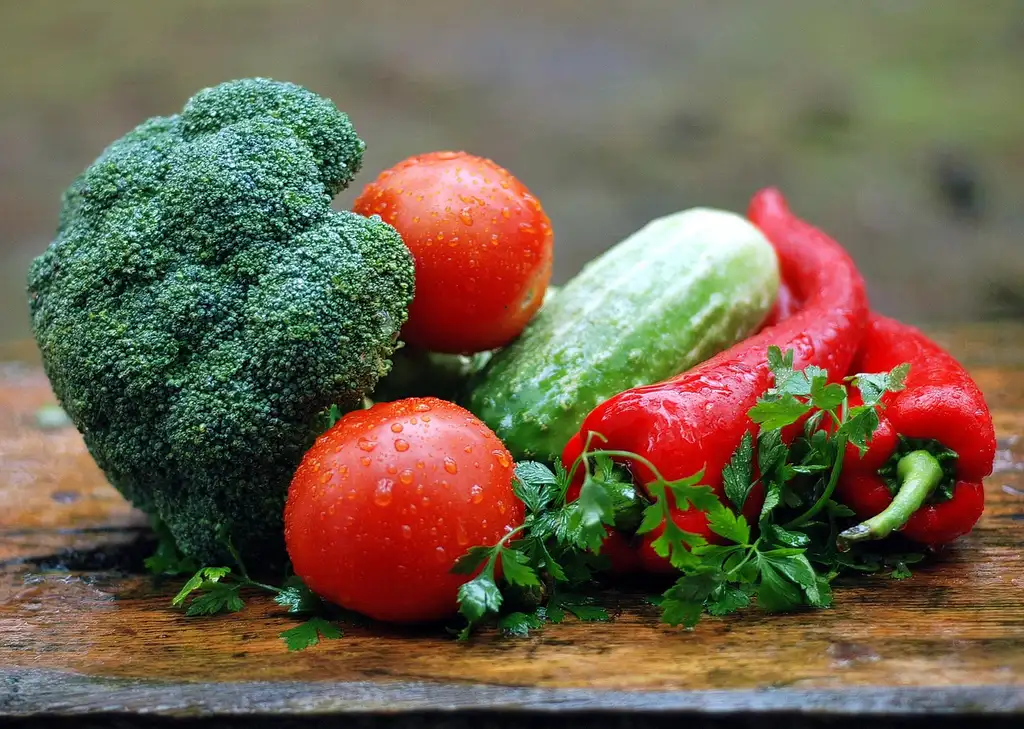
Vegetable plots lose water in different ways depending on soil texture, bed shape, spacing, and how water reaches the root zone. Sandy soil drains fast and dries fast. Clay soil holds water longer but absorbs it slowly, so a fast application can run off before it sinks in.
Bed layout changes the picture too. Wide, bare rows expose more soil to wind and sun. Denser layouts shade the soil surface sooner and leave less open ground for evaporation. Water can also be lost before plants use it if you spray foliage, water at the wrong time of day, or apply more than the soil can absorb.
How soil texture changes drainage and retention
Sandy soils need water more often because they drain quickly. Heavy clay soils need less frequent watering because they hold water longer, but they can take longer to soak in. Organic matter changes that balance by improving structure and helping soil keep moisture where roots can reach it. University guidance from UGA and other land-grant sources consistently notes that texture is one of the main drivers of watering frequency.
That is why the same schedule can fail in two neighboring beds. One may dry out by afternoon. Another may stay wet at the surface while the root zone is still short of water.
Why bed shape and spacing matter
Block planting and square-foot style layouts improve watering efficiency because plants cover soil faster and leave less bare ground. UNL notes that block planting and square foot gardening improve watering efficiency. That means less exposed soil, fewer weeds, and less evaporation from the surface.
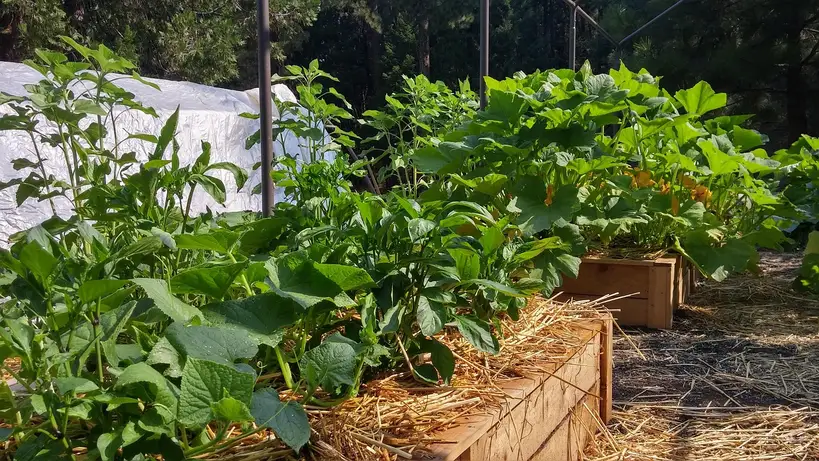
Raised beds and container clusters need tighter control than in-ground rows because they hold less soil volume. They can dry faster, especially along edges and corners where sun and wind hit hardest. If you are deciding whether to use raised bed soil mixes, remember that a mix with more organic matter usually holds moisture better than a very sandy mix, but it still dries faster than ground soil in hot weather.
Where water is usually lost first
The biggest losses usually come from evaporation, runoff, and shallow roots. Overhead watering adds wet foliage and often puts water where roots cannot use it. A handheld watering wand with a shutoff nozzle can help when you need to direct water to the soil and avoid compacting it. DUG says that approach also reduces soil compaction and erosion.
Which watering method wastes the least water?
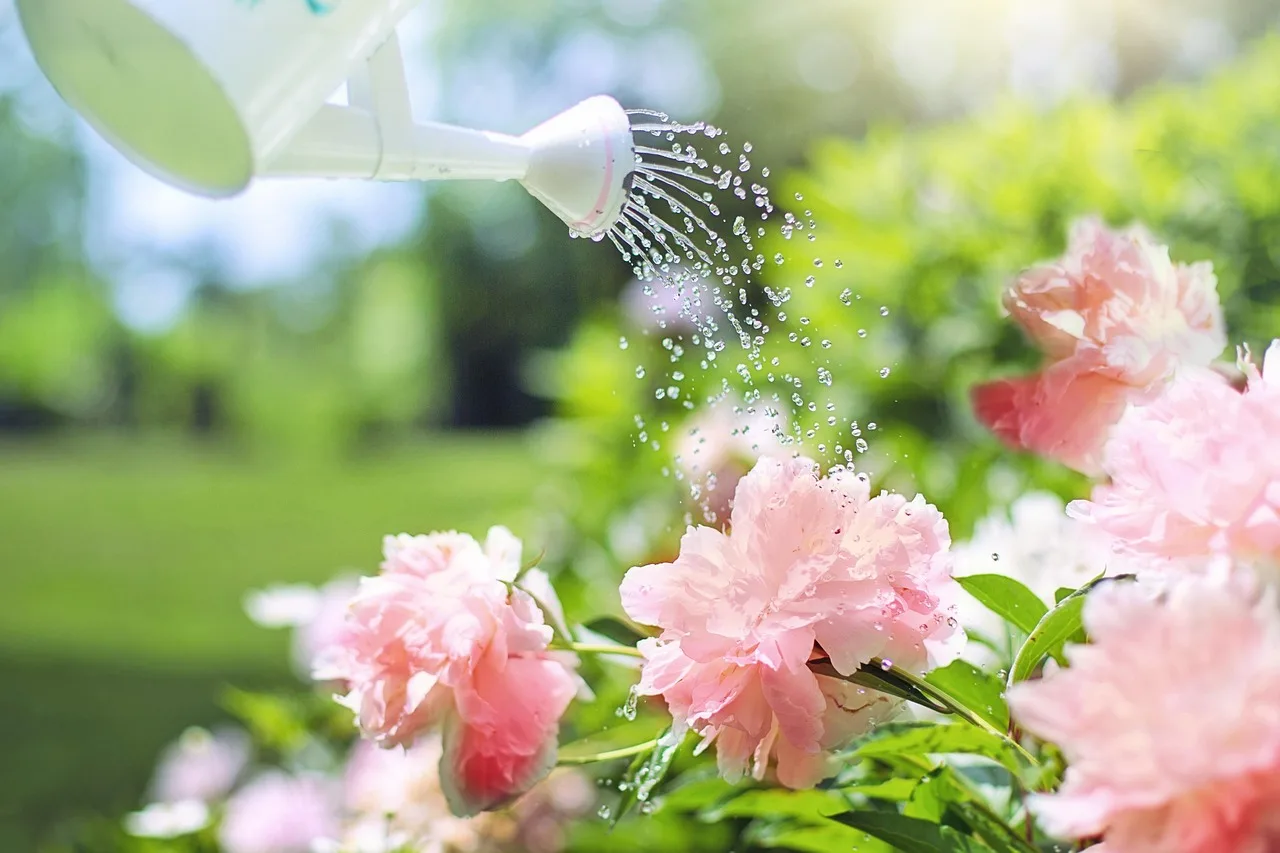
For most vegetable beds, drip irrigation wastes the least water because it sends water to the root zone, limits evaporation, and reduces runoff. Soaker hoses are also efficient, especially in rows and beds, because they water at soil level and keep foliage dry. Sprinklers lose more water to wind and surface evaporation.
Drip irrigation for most vegetable beds
Drip systems are usually the best fit for vegetable beds because they deliver water directly to roots. The same source notes that soaker hoses or drip systems can cut water usage in half. That claim fits the basic mechanics: less spray, less runoff, and less wet leaf area.
Drip works well in in-ground beds, raised beds, and block-planted plots. It also pairs well with mulch because the tubing can sit under the mulch layer while the soil stays protected from direct sun. For deeper guidance on setup and spacing, see this drip irrigation installation guide for vegetable gardens.
When a soaker hose makes more sense
A soaker hose is a strong option for rows and medium-size beds. It waters at soil level, keeps foliage dry, and can reduce disease pressure on crops that dislike wet leaves. It is simpler to set up than many drip systems and works well where bed shapes are regular.
Soaker hoses can be less precise than drip lines, especially in irregular layouts or mixed plantings. If the hose is too long, pressure can drop near the far end and watering becomes uneven. Keep hose placement close to plant rows and avoid looping it too widely across the bed.
When hand watering or basin watering still fits
Hand watering fits small plots, new transplants, and problem spots that need a quick correction. Basin watering can help around larger transplants or in small container groups because it directs water where roots are active. But these methods need close attention so you do not dump water faster than soil can absorb it.
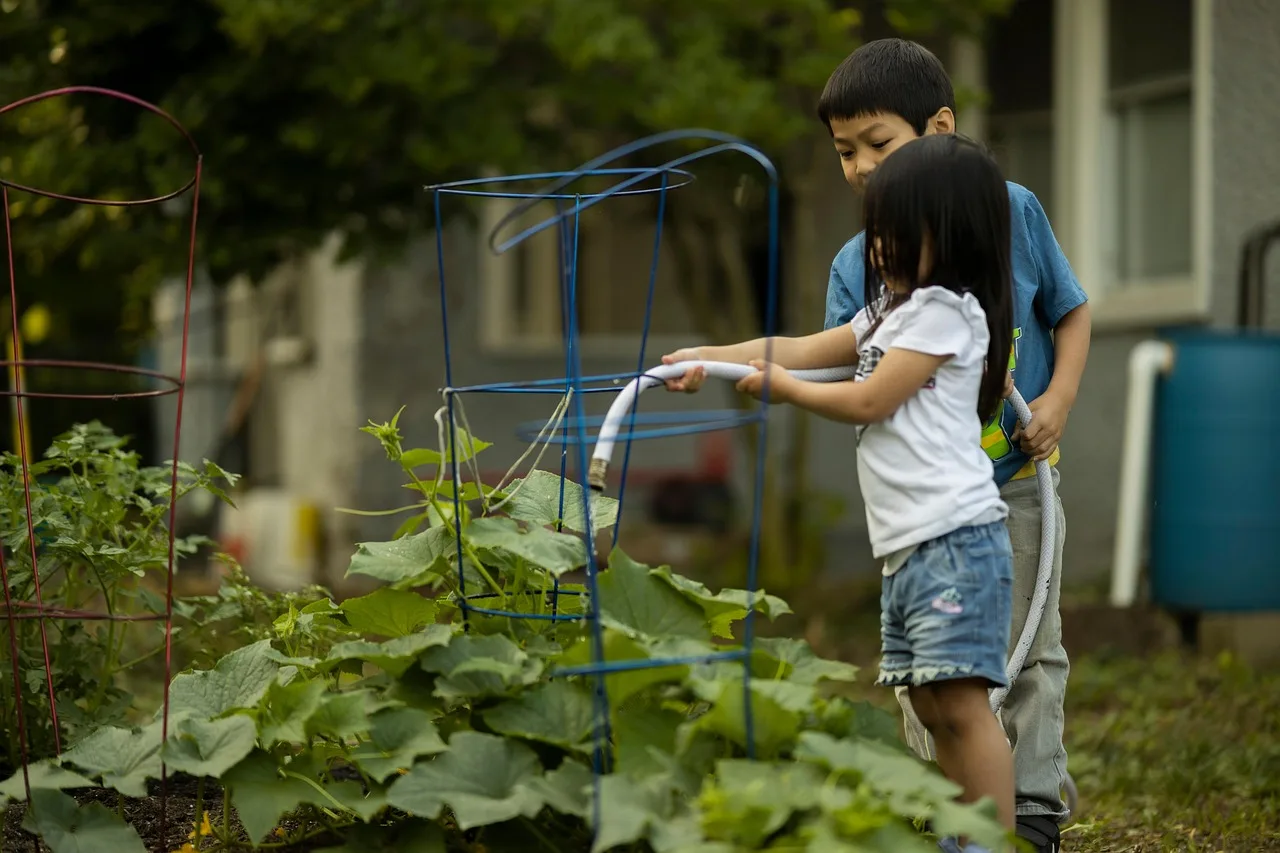
Suppose a long row of tomatoes dries out fastest at the windy end of the vegetable plot. A watering wand lets you soak that corner slowly without wetting the whole bed again. That is more efficient than replaying the same schedule across the whole plot.
How deep should you water vegetables?
The goal is to soak the soil to 6 to 8 inches deep. To soak soil to a depth of at least 6 to 8 inches, and that depth encourages roots to move down instead of staying near the surface. Shallow watering trains shallow roots, which fail fast in heat.
Why 6 to 8 inches is the target
When water reaches the root zone, plants use it more efficiently and handle dry spells better. Deep watering also reduces the urge to water every day just because the top inch looks dry. That top layer can dry out long before the root zone does.
For tomatoes, cucumbers, and peppers, deep but not constant moisture matters. Those crops tend to suffer when watering swings sharply from dry to soaked. A steadier pattern at depth supports fruit set and lowers stress.
Signs the root zone is still dry
Do not rely only on the soil surface. Push a finger, probe, or small trowel into the bed and check deeper than the crust. If the top looks dry but the lower soil still feels cool and damp, wait.
A rain gauge helps here too. If rainfall reached the bed, that water counts. You do not need to replace it with a full irrigation cycle just because the surface dried quickly.
How often should you water in hot weather?
Hot weather usually means more frequent watering, but the interval should still match soil type. Sandy soils often need water every 4 to 5 days. Heavy clay soils often need water every 7 to 10 days. Daily watering is usually the wrong default because it keeps roots near the surface.
Sandy soil timing
UGA gives a watering range of every four or five days on sandy soils. Sandy beds drain faster, so smaller and more frequent doses make sense. The trick is to water deeply enough each time that the root zone, not just the top layer, gets wet.
If a sandy bed dries between waterings, add mulch and compost before simply shortening the interval again. Better soil structure can reduce how fast the bed loses water. Adding organic matter is especially useful in sandy soil because it helps the bed retain moisture longer between irrigations.
Clay soil timing
UGA gives a watering range of every seven to 10 days on heavy clay soils. Clay holds water longer, so watering too soon can crowd out air from the root zone. The soil may look dry on top while deeper layers still hold enough moisture.
Water slowly on clay so the surface can absorb it. Fast watering on dense soil tends to run off or puddle before it sinks in.
Why every day is usually the wrong default
Daily watering often keeps the upper soil constantly damp while the deeper zone stays underused. That pattern encourages shallow rooting and can increase disease pressure near the crown. It also wastes water whenever the soil has not yet dried enough to need another full soaking.
A common first-timer mistake is to water a raised bed a little each morning because the top looks dusty. The bed may still have enough water below, and the repeated light doses can leave roots near the surface. A deeper, less frequent cycle usually works better.
Vegetable plot water-saving setup matrix
This setup matrix helps you match irrigation, mulch, and watering depth to the bed type you are actually using. It also shows the most common failure risk for each setup, because the wrong method can undo the water savings you were trying to gain.
| Setup type | Recommended irrigation method | Mulch depth | Watering depth | Likely interval by soil type | Common failure risk |
|---|---|---|---|---|---|
| In-ground row bed | Soaker hose or drip irrigation | 3 to 4 inches | Soak to 6 to 8 inches | Sandy: every 4 to 5 days; clay: every 7 to 10 days | Runoff on sloped rows or uneven wetting along the line |
| Block-planted bed | Drip irrigation | 3 to 4 inches | Soak to 6 to 8 inches | Sandy: every 4 to 5 days; clay: every 7 to 10 days | Clogged emitters or dry pockets under dense canopy edges |
| Raised bed | Drip irrigation | 3 to 4 inches | Soak to 6 to 8 inches | Sandy mix: more frequent; heavier mix: less frequent | Edges drying first, or too-frequent light watering |
| Container cluster | Drip irrigation or careful hand watering | 1 to 2 inches, kept clear of stems | Water until the full potting mix is moist, not soggy | More frequent than beds, especially in heat and wind | Rapid dry-down, salt buildup, or water moving past the root ball |
For raised beds, place drip emitters or lines so they cover the root zone across the full bed width rather than just one center strip. In containers, set emitters near the plant base and watch for uneven drying at the rim and along exposed edges. On slopes, run lines across the contour when possible so water has time to soak instead of racing downhill.
Setup notes for different soils and bed shapes
Sandy beds need shorter intervals and closer attention because water moves through them quickly. Loam is usually the easiest to manage because it balances drainage and retention better than very sandy or very clay-heavy soil. Clay beds need slower application rates and more patience so water can infiltrate without runoff.
If your plot sits on a slope, the main challenge is runoff, not just dry soil. Water slowly and in cycles if needed so the soil can absorb moisture between applications. In raised beds and containers, the main challenge is volume: there is less buffer against heat, wind, and missed waterings.
How much mulch and compost should you use?
Use 3 to 4 inches of organic mulch on vegetable beds, and work 2 to 4 inches of compost into the soil where needed. Mulch slows evaporation, suppresses weeds, and helps moderate soil temperature. Compost improves soil structure and moisture retention, especially in sandy or compacted soils. (UGA)
3 to 4 inches of organic mulch
UGA recommends 3 to 4 inches of organic mulch. That depth is enough to slow surface drying without burying crowns or trapping excess moisture against stems. It also cuts weed pressure, which matters because weeds steal both water and nutrients.
Keep mulch a little back from stems and crowns. Piled mulch can trap moisture where stems meet soil and create rot problems, especially around tomatoes, peppers, and cucumbers.
2 to 4 inches of compost in the soil
Compost should be mixed into the soil, not used as a surface layer in place of mulch. A common depth is 2 to 4 inches incorporated into the bed. Compost improves water-holding capacity and soil tilth, but the exact amount varies by soil and feedstock. Rather than rely on a single dramatic percentage, it is more accurate to say that compost generally increases the soil’s ability to hold moisture and support infiltration when used regularly.
The same source says compost can hold up to 100% of its weight in water. That matters most in sandy soil, where faster drainage often leaves plants short of moisture. It also helps compacted soil open up so water infiltrates rather than puddles.
Avoiding mulch against stems and crowns
Do not let mulch bury the base of the plant. Crowns need air. Over-mulched stems stay wetter longer, and that can invite rot. A clean ring around each plant is safer than a thick mound right against the stem.
When should you water and check rainfall?
Early morning is the best time to water. UNL identifies early morning as the best watering window. That timing reduces evaporation, lets water soak in before heat rises, and shortens leaf wetness duration compared with evening or overnight watering.
Why early morning is preferred
Morning watering gives soil time to absorb moisture before midday sun and wind increase losses. It also helps leaves dry sooner, which lowers disease pressure. That is especially useful for tomatoes and cucumbers, which can struggle when foliage stays wet too long.
What midday and late evening mean for evaporation and leaf wetness
Midday is the poorest choice for water use because heat and wind drive evaporation. Late evening can be acceptable in some guidance, but leaves and soil stay wet longer overnight. That longer wet period can raise disease risk if the crop already faces leaf-spot or blight pressure.
If a schedule only allows evening watering, keep the water at the soil line with drip or a soaker hose. Do not spray the foliage unless there is no other option.
How a rain gauge prevents extra watering
A rain gauge tells you how much water the plot already received. That keeps you from adding a full irrigation cycle after a soaking rain or a strong storm. Even a simple gauge can prevent wasted water and overwatering after weather changes.
Picture a block-planted bed that got a half-inch of rain overnight. The top may still look dry by afternoon, but the root zone may not need another full watering yet. The rain gauge helps you wait for the soil, not the surface, to tell the story.
Frequently asked questions
How should I water sandy soil without wasting water?
Use small, slow applications that soak the root zone instead of splashing the surface. Sandy soil drains quickly, so mulch it, water more often than clay, and use drip or a soaker hose to keep water near the roots. Check depth before watering again so you do not chase evaporation with extra water.
Should I water every day during a drought?
Usually no. Daily watering is often wasteful because it keeps the topsoil damp while roots stay shallow. In drought, check the root zone more often, but still water based on soil moisture and texture. Deep, less frequent watering is usually more efficient than a light daily schedule.
Which irrigation method wastes the least water?
Drip irrigation usually wastes the least water because it delivers moisture right to the root zone with minimal evaporation and runoff. Soaker hoses are a close second for simple beds and rows. Both are much more efficient than sprinklers when the goal is to save water and keep foliage dry.
What is the best time of day to water vegetables?
Early morning is best because water has time to soak in before heat and wind increase evaporation. It also helps leaves dry sooner, which can reduce disease pressure. If morning watering is impossible, keep water at the soil line and avoid wetting foliage more than necessary.
How deep should water soak into vegetable beds?
Water should soak to 6 to 8 inches deep so roots grow down instead of staying near the surface. That depth helps plants handle heat and short dry spells better. If the top dries but the lower soil is still moist, wait before watering again.
How much mulch should I put around vegetables to save water?
Use 3 to 4 inches of organic mulch around vegetable beds. That depth slows evaporation, suppresses weeds, and moderates soil temperature. Keep mulch back from stems and crowns so you do not trap moisture where it can cause rot.
How can I tell if my garden soil needs water?
Check below the surface with a finger, probe, or trowel. If the soil is dry several inches down, it is time to water. A rain gauge helps too, because recent rainfall may already have supplied enough water even if the top layer looks dry.
Which vegetables need the least water in a garden?
The same source lists asparagus, Swiss chard, eggplant, mustard greens, peppers, and roma tomatoes as water-efficient vegetables. Even with these crops, consistent moisture still matters during fruiting or rapid leaf growth. They are simply more forgiving than very thirsty crops when watering is steady and deep.
What mistakes cause the most water waste?
The biggest mistakes are watering too often, watering too shallowly, and watering the wrong place. If the soil surface is dry but the root zone is still moist, wait. If the bed is sloped, heavy, or container-grown, slow the application down and adjust the setup rather than forcing the same schedule everywhere.
Avoid shallow watering and frequent misting
Light, frequent watering is one of the most common causes of shallow roots. It can also leave the surface damp long after the lower soil should have been watered. That pattern wastes water and leaves plants less resilient in hot weather.
Avoid spraying where roots are not active
Water applied to paths, leaf surfaces, or runoff-prone edges does little for the crop. Aim for the root zone instead. The more directly water reaches the soil around the plants, the less you lose to evaporation, drift, and runoff.