Gardening Techniques for Using Grow Lights Effectively
A common rule of thumb is to place grow lights about 2–6 inches above seedlings and 6–12 inches above herbs and leafy greens, run them about 14–18 hours a day, and raise the lights as plants grow to help keep stems short and leaves dense. Too much distance or too little light wastes electricity and leads to thin, leaning growth that rarely recovers well. This guide shows how to set height, schedule, and crop-specific light levels for steady, compact growth.
Why grow lights matter
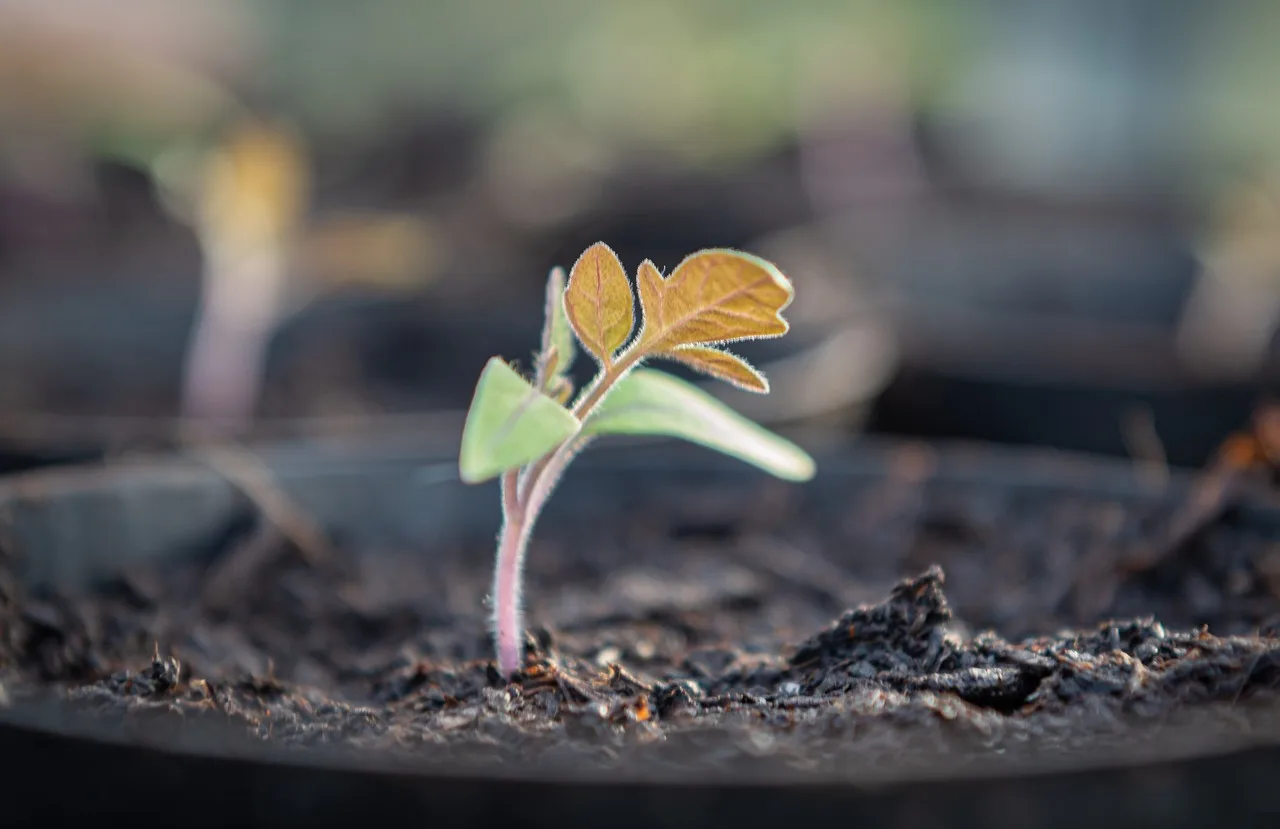


Light intensity drops fast with distance, so a shelf that looks bright can still leave seedlings stretching toward the source. Grow lights keep the canopy close to a steady light source, which helps you hold growth compact instead of stretched and weak.
Most crops also need a dark period. Plants use that time for respiration and other normal processes, so 24/7 lighting is the wrong default for seedlings, herbs, and houseplants.
What you’ll need
- A full-spectrum grow light with the right fixture shape for your shelf or plant size
- A wire shelving unit or similar seedling shelf system
- Standard seedling trays
- A heat mat for germination only
- A plug-in timer
- Potting mix, labels, and a watering can with a fine spout
- Optional risers or adjustable hangers for raising fixtures
Full-spectrum grow light options
A full-spectrum grow light is the safest all-purpose choice for seedlings, herbs, houseplants, and leafy greens. It works with LED or fluorescent bulbs, and it gives a usable daytime look without forcing you to match one crop to one narrow color band.
LED grow lights are usually the better long-term pick because they use less electricity than fluorescent fixtures, run cooler, and last longer. They also come as bulbs, pendants, bars, tabletop lights, and track systems, so you can match the fixture to the shelf instead of the other way around.
Fluorescent grow lights still work well for seedlings and other starter setups. They are a legacy seed-starting option, but they produce more heat than LED in many setups, so they need a little more attention to spacing and airflow.
Seedling shelf system and trays
A simple seed-starting shelf usually uses wire shelving, adjustable shelf height, and trays that fit under the lights. A three-shelf unit can fit two 4-foot light fixtures across each shelf, and each shelf measures about 13 inches deep in the described setup. The recommended shelving unit size is roughly 30 inches tall, 24 inches wide, and 14 inches deep.
A 6-tier wire shelving unit can more than double growing space. That matters when you want one frame to handle seedlings now and herbs later.
Heat mat and timer
A heat mat belongs under seed trays during germination, not as a standing heat source for the whole grow cycle. It speeds sprouting for warm-season seeds, while the light handles compact top growth after emergence.
A timer prevents the common 24/7 lighting mistake. Set the schedule once, then let the timer handle the daily cycle instead of relying on memory.
LED or fluorescent grow lights?
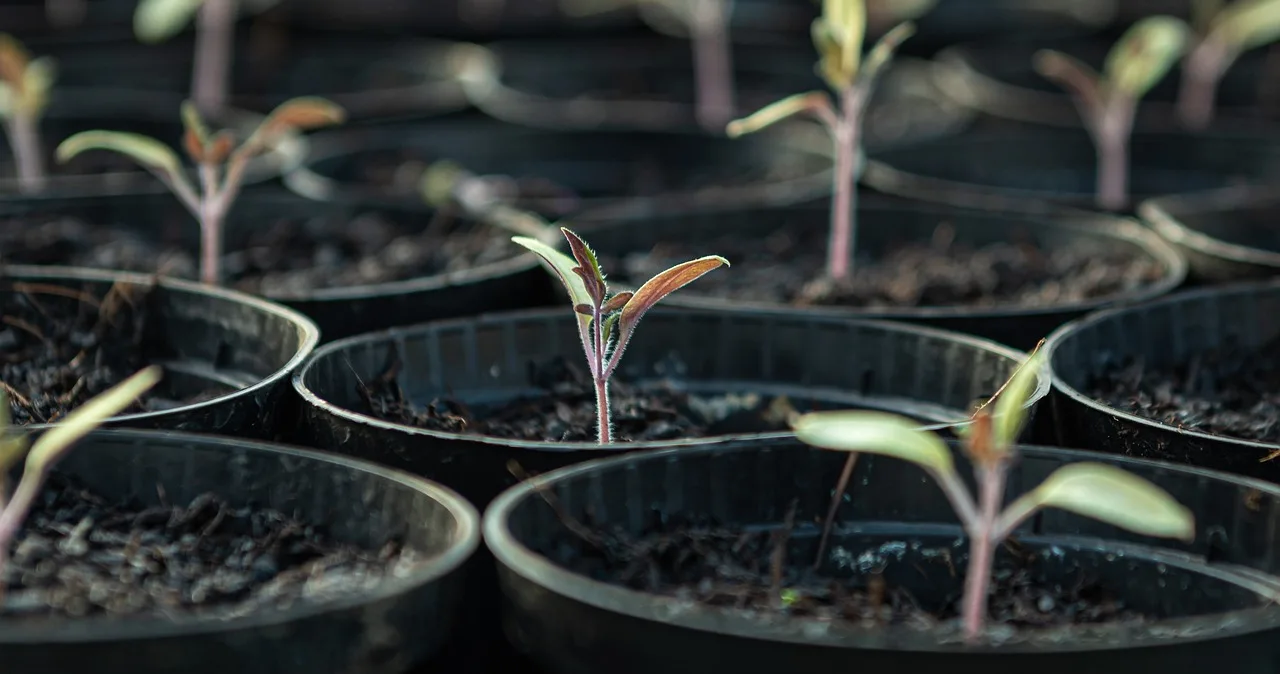
LED and fluorescent fixtures both grow seedlings, but they are not equal on heat, power draw, and format. LED usually wins for efficiency and cooler operation, while fluorescent still works well for budget seed-starting setups that already fit a standard shelf.
How LED and fluorescent differ
LED grow lights use less electricity than fluorescent and typically last longer. Because they run cooler, you can place them closer to delicate plants without adding as much heat stress. That is useful on tight shelves where every inch matters.
Fluorescent lights are simpler to use for basic seed-starting because many setups already accept standard tubes. They are also familiar for older shelf systems, but the extra heat means they may need more distance from tender tops.
Best use cases for each type
Choose LED if you want lower operating cost, a cooler canopy, or more fixture options for mixed plant heights. Choose fluorescent if you are retrofitting an existing shelf and need a straightforward seed-starting light with a familiar form factor.
For a mixed shelf with seedlings on one side and herbs on the other, LED bars or a track system usually make spacing easier. Soltech offers a tabletop grow light for desks, shelves, and plant corners, and a plug-in track lighting system for multiple plants along a wall or ceiling.
Energy and heat tradeoffs
LED is the better choice when the light runs many hours a day, because daily operating cost matters more over time than the fixture price alone. Fluorescent can still be fine for a short seasonal seed-starting run, especially if the shelf already matches tube length.
Suppose one shelf holds tomatoes, basil, and a few lettuce trays. A cooler LED bar can sit closer to the basil and tomatoes without baking the lettuce edge, while a fluorescent tube may need more vertical room to avoid heat buildup.
Light distance by crop
Light intensity should change with crop type and fixture brightness. Sun-loving herbs need the light closer than shade-tolerant houseplants, and seedlings usually need the fixture close enough to stop stretch without causing heat stress.
Seedlings
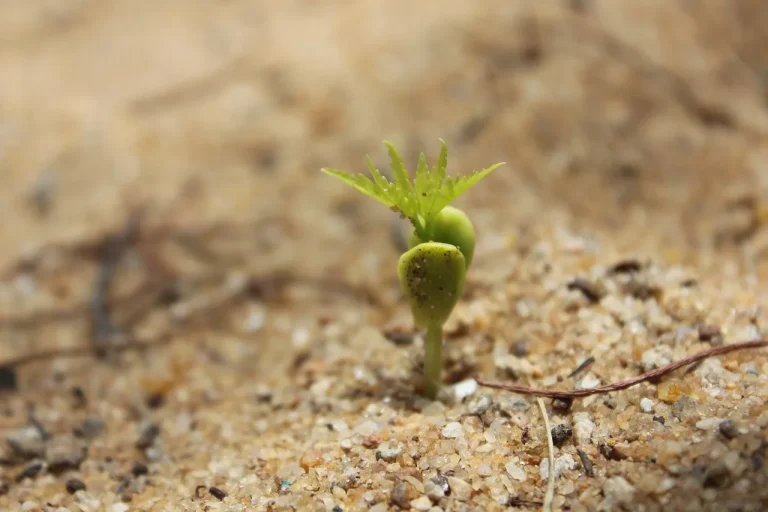
Keep fixtures 2–6 inches above seedlings after emergence, then raise them as the canopy climbs. Grow lights keep seedlings compact by preventing stretch toward a distant light source, so the key is staying close enough without touching the leaves.
Basil and herbs
Set basil and most indoor herbs about 6–10 inches below the fixture for sturdy, dense growth. Basil tolerates more light than many houseplants, so it usually needs a closer setup than a shade plant on the same shelf.
Lettuce and leafy greens
Keep lettuce and other leafy greens about 6–12 inches from the light; fixture strength can affect the ideal distance. If leaves begin to pale or flatten, move the light closer in 1–2 inch steps and recheck after several days.
Houseplants
Houseplants need more variation by species. Begonias and ivy often prefer different distances from the light source, and a single shelf may need one plant moved closer while another sits farther back.
How long should grow lights stay on?
Most indoor plants do best with 8–18 hours of light daily, depending on the crop. The right number is species-specific, but the schedule should always leave a dark period so the plant can reset between light cycles.
Daily hours by crop group
Seedlings usually do well with about 14–16 hours of light daily. Herbs and leafy greens often want about 14–18 hours of light daily. Many houseplants need less, and some short-day plants like azaleas do better with under 12 hours of light daily.
Why most plants need darkness
Plants should not be lit around the clock. MorningChores notes that plants should not be exposed to light 24 hours a day, and long light periods can push weak growth instead of steady growth.
Using a timer
Use a timer so the schedule stays consistent every day. That matters more than exact start time, because a stable photoperiod is easier on plants than an irregular on-off pattern.
Light setup matrix
This setup matrix gives a practical starting point. Adjust within the range by checking leaf position, stem length, and canopy color, then move the fixture in small steps when the plant response shows you need more or less light.
| Crop type | Recommended light distance range | Daily hours | Fixture type | Expected warning signs | Correction steps |
|---|---|---|---|---|---|
| Seedlings | 2–6 inches | 14–16 hours | LED bar, fluorescent tube, or tabletop light | Stretching, leaning, pale stems | Lower light by 1–2 inches; rotate trays; confirm timer setting |
| Basil | 6–10 inches | 14–18 hours | LED bar or pendant | Leggy stems, wide spacing between leaves | Move light closer by 2 inches; trim tips after establishment |
| Lettuce | 6–12 inches | 12–16 hours | LED or fluorescent shelf light | Loose leaves, pale top growth | Bring light closer; check that the whole tray sits under the fixture |
| Herbs | 6–12 inches | 12–18 hours | LED bulb, bar, or track system | Uneven height, thin side shoots | Raise one side only if needed; center the canopy under the brightest zone |
| Houseplants | 8–18 inches, species dependent | 8–12 hours for many types | Pendant, tabletop, or bulb retrofit | Bleaching, droop, uneven color | Increase distance; reduce hours if leaves look washed out |
How do you set up a shelf?
Build the shelf so the fixture, tray, and plant height can change together. That matters because the same frame has to work for germination, seedling growth, and later herb or houseplant staging.
Measure shelf height and fixture fit
- Choose a wire shelving unit that matches the room and crop load.
- Confirm that two 4-foot fixtures fit across a three-shelf unit if that is the format you plan to use.
- Set each shelf height so the light can stay close to the canopy without touching leaves.
Place trays and adjust spacing
- Set standard seedling trays directly under the brightest part of the fixture.
- Center the tallest trays first, then fill the outer space with shorter trays or pots.
- Leave enough room to raise the light as seedlings grow.
Add heat only for germination
- Put the heat mat under the tray before sowing warm-season seeds.
- Turn it off after germination unless the crop specifically benefits from bottom heat.
- Keep the timer on the light separate from any heat control.
Check coverage across the shelf
- Look for dark corners, leaning trays, or uneven leaf color.
- If the fixture covers only part of the shelf, move trays or add a second light.
- For a crowded shelf, raise the fixture by 1–2 inches and recheck the next day.
Common mistakes
Too much distance is the fastest way to get spindly growth. If seedlings lean hard toward the light, lower the fixture before changing anything else.
Too many hours can stress some plants and erase the value of a dark period. Use a timer and keep the cycle species-specific, not universal.
Uneven placement causes one side of the shelf to grow faster than the other. A common first-timer mistake is centering the fixture over the shelf frame instead of the canopy.
Watering by a fixed schedule causes trouble too. Under stronger light, the top layer of mix dries faster, so check moisture with a finger before adding water.
If that did not work, try this next: move the light closer by 1–2 inches, then wait several days before making another change. If leaves still stretch, move the tray to the brightest center spot on the shelf and verify the timer.
Frequently asked questions
How close should grow lights be to seedlings?
Start at 2–6 inches above the canopy for most seedlings, then raise the fixture as the plants grow. If stems still lean, the light is too far away or too weak for the shelf depth.
How many hours a day should I leave grow lights on?
Most seedlings and herbs do well at 14–18 hours, while many houseplants need less. Set a timer for the same on-off cycle every day so the plants get a real dark period too.
Are LED grow lights better than fluorescent for seedlings?
Usually yes. LED uses less electricity, runs cooler, and lasts longer, while fluorescent still works for seed-starting but may add more heat and limit your placement options on a tight shelf.
What kind of grow light is best for starting seeds indoors?
A full-spectrum LED bar or fluorescent tube both work well, but LED is the better long-term choice for most shelves. Pick the fixture that matches your shelf width and lets you keep the light close.
Do seedlings need a dark period under grow lights?
Yes. Leave darkness in the daily cycle, since plants should not be lit 24 hours a day. A timer is the simplest way to keep the schedule steady without checking it by hand.
Why are my seedlings getting leggy under grow lights?
They are usually too far from the light, or the light is not bright enough for the shelf depth. Lower the fixture by 1–2 inches, keep the trays centered, and verify that the photoperiod stays consistent.
Can I grow herbs and leafy greens under grow lights?
Yes. Basil, lettuce, and many other herbs and greens grow well indoors if you match distance and hours to the crop. Keep basil a bit closer than lettuce and move both upward as the canopy rises.