Best Time of Day to Visit a Botanical Garden for Photos
For botanical garden photos, arrive at opening. Start with wide scenes and whole flower beds early, then switch to detail shots before the sun gets high; if you want softer light on petals, go in the early morning or near closing. Arrive late and you get flat color, harsh shadows, and fewer usable frames. This guide gives a simple time-of-day rule for flowers, wide scenes, and detail shots in one visit.
This guide is part of our Botanical garden guide series.
What you’ll need


- A camera or phone with a charged battery and free storage
- A lens, or phone mode, that handles close flowers and wider garden views
- A weather check, bloom calendar, and garden map
- A small cloth for dew, glare, or wet railings
According to gardendesign.com — San Francisco Botanical Garden covers 55 acres.
What time of day is best for botanical garden photos?
For most botanical garden visits, the best time depends on the subject: flowers in soft light, wide scenes before crowds build, and detail shots when light gets directional. The cleanest all-around start is opening hour, because visitor density is low and the light is still gentle enough for petals, leaves, and paths.
Use the subject first
Choose morning for whole beds, dew, and clean backgrounds. Choose late afternoon for warm color on textured blooms and backlit edges. Choose midday only when you can move into shade, glasshouse spaces, or dense plant cover. That simple rule keeps good frames from slipping away.
When morning beats late afternoon, and when it does not
Morning wins for people-free frames, fresh flowers, and calmer conditions on open lawns. Late afternoon wins for translucent petals, stronger separation between plants and background, and warm side light. If the garden has a sunset-facing border or a desert section, late afternoon can beat morning for depth.
Quick rule for a one-visit photo plan
Photograph the widest, most crowded, and most time-sensitive subjects first. Save shaded paths, conservatories, and close details for later. If the main bloom peaks only for a short season, seasonal bloom timing matters more than the hour of day.
What you’ll need
- Check the bloom calendar and weather forecast before leaving.
- Set the camera or phone to a mode that allows quick exposure changes.
- Pack a cloth for wet leaves, fogged glass, or bright railings.
- Open the garden map and mark open lawns, shade areas, and conservatories.
Plan your first 60 minutes
The first 60 minutes decide how many clean frames you get. Start with the most open view while visitor density is still low, then move to the flowers that close up or lose shape as the day warms. If the garden has a glasshouse or shade garden, keep it in reserve for harsh sun.
- Enter at opening or arrive before opening.
- Shoot the highest-priority flower beds first.
- Move to wide scenes before foot traffic thickens.
- Switch to detail shots once the sun rises and contrast increases.
- Save conservatories and shade paths for the hardest light.
How does light change through the day?
Light in a botanical garden changes faster than most people expect. Early morning, roughly from sunrise to midmorning, often gives softer light and fewer crowds. Late morning starts to raise contrast. Midday sun can create harsh highlights and deep shadows, which can make close flower work harder. Golden hour and blue hour each have a different photo goal.
Sunrise to 10 a.m.
This block is best for flowers, open beds, dew, and quiet compositions. The light is soft, visitor density is lower, and backgrounds stay cleaner. It also helps smartphone users, because lower contrast makes phones less likely to clip bright petals or sky.
Late morning
Late morning still works for bold color and larger scenes, especially if clouds are thin or broken. Use it for wider compositions, busy collections, and areas with partial shade. Camera users can control exposure more easily here than phone users can, but both should watch highlights on pale blooms.
Midday
Midday sun is the hardest time for close flower photos. It creates glare, blown highlights, and deep shadows under petals and leaves. Move to a conservatory or shade garden, or photograph textured foliage, paths, and reflective water only when the light gives shape instead of flattening it.
Golden hour and blue hour
Golden hour brings soft directional light near sunrise and sunset. Golden hour is often best for warm color and texture, and it tends to reduce harsh shadows. Backlighting works well here, especially with translucent petals. Blue hour is the short twilight window around sunrise or sunset, and it can work well for moody wide shots and quieter scenes.
Time-of-day shot plan
| Time block | Best subject types | Light quality | Visitor density | Backup locations inside the garden |
|---|---|---|---|---|
| Sunrise to 10 a.m. | Whole beds, single blooms, dew, wide paths, people-free frames | Soft, diffused, low contrast | Low | Open lawns, borders, early-bloom sections |
| Late morning | Color blocks, mixed beds, medium-wide views, active pollinators | Brighter, slightly harder, manageable contrast | Moderate | Part shade, tree cover, edges near taller plantings |
| Midday | Foliage, architecture, shaded detail, glasshouse plants | Hard, high contrast, glare-prone | Highest | Conservatory, shade garden, covered paths |
| Golden hour | Backlit petals, warm blooms, textured leaves, silhouettes | Soft directional, warm, low-shadow | Falling | West-facing borders, open lawns, water edges |
Which garden areas photograph best at each time?
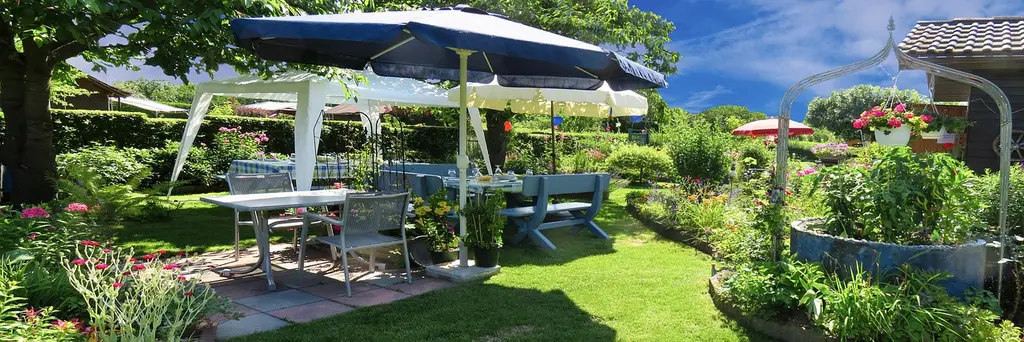
Open lawns and sunlit beds usually look best in the early morning or golden hour. Shaded paths, tree cover, and understory plantings handle midday better. Conservatories and shade gardens are the safest fallback when direct sun gets harsh. Backlit edges and translucent petals often win near low sun angles.
Open lawns and borders
These spaces need soft light or side light. Morning keeps the grass and petals even, while late afternoon adds warmth and depth. Bellevue Botanical Garden has been recommended for perennial border photography, which makes it a strong fit for morning border work.
Conservatories and shade gardens
These are the best escape routes when outdoor light turns flat or harsh. Controlled light, enclosed backgrounds, and stable color make them reliable at midday. They are also useful when a garden’s main bloom is open, but the sun is too hard for close petals.
Desert gardens and other open collections
Low sun is often better than overhead sun for structured plant forms. The Huntington’s Desert Garden is recommended for late afternoon sun, which helps spines, textures, and plant edges separate cleanly. Open, sculptural plantings usually benefit from side light more than flat noon light.
Iconic collections and seasonal timing
Large gardens can offer a lot of options, but seasonal bloom timing still decides what is worth photographing. San Francisco Botanical Garden covers 55 acres and has over 200 magnolias in bloom in January or February, which is the kind of seasonal window that changes the whole plan.
What should I photograph first when I arrive at a botanical garden?
Start with the most time-sensitive subject in the best light you are likely to get that day. Usually that means wide beds, signature blooms, or any area that fills with people quickly. Early arrival gives cleaner frames, calmer paths, and fewer blocked views.
Use this order
- Photograph the main bloom at opening.
- Capture wide views before visitors spread out.
- Move to close details while the light is still soft.
- Return to shade areas or conservatories when sun gets harsh.
How do I avoid harsh shadows when taking garden photos?
Use soft light, shade, or low sun angles. Harsh shadows come from strong overhead sun, especially on pale flowers and glossy leaves. The quickest fixes are moving to overcast light, stepping into tree cover, or waiting for golden hour when the sun sits lower and shadows get gentler.
First fix
Change position before changing gear. Step to the shaded side of a bed, or rotate so the subject is lit from the side rather than from above. That usually fixes the deepest contrast problems.
If that did not work, try this next
- Move to a conservatory or shade garden.
- Switch to overcast light if clouds are moving in.
- Use backlighting at a low sun angle for translucent petals.
- For phone shots, tap to expose for the bright petals and lower exposure slightly.
- For camera shots, reduce exposure compensation and protect the highlights.
Common mistakes
Arriving after the best flower light is gone leaves you with flatter color and busier paths. Shooting close-ups in direct midday sun creates blown highlights. Ignoring crowd flow means people keep entering the frame. Forgetting bloom timing can send you to the right garden at the wrong month.
Prevention
Check the bloom calendar and the garden map the night before, then build the route around the first hour of light.
Frequently asked questions
Is morning or late afternoon better for photographing a botanical garden?
Morning is better for clean frames, dewy flowers, and wide views with fewer people. Late afternoon is better for warm color, backlit petals, and stronger separation from the background. Choose morning for order and variety; choose late afternoon for depth and texture.
How early should I arrive at a botanical garden for photos?
Arrive before opening if waiting outside is allowed, or at opening if entry is timed. That gives enough time to get the main beds before crowds build and before the sun gets high. The first part of the day often produces some of the cleanest shots.
What is the best light for flower photos in a garden?
Overcast light is the easiest for flowers because it diffuses contrast and cuts glare. Golden hour is the best choice when warm color and texture matter more than evenness. Avoid strong midday sun for pale blooms, because it tends to blow out highlights.
Can I get good photos in a botanical garden at midday?
Yes, but move to a conservatory, shade garden, or tree-covered path. Midday sun is hard on close flowers, yet it can still work for foliage, structure, and controlled indoor plantings. If the garden has glasshouses, that is usually the best midday backup.
Which botanical garden areas photograph best in the afternoon?
West-facing borders, desert collections, and open lawns often do well in the afternoon because low sun adds shape and warmth. Backlit petals and translucent leaves also improve near sunset. Shaded paths and conservatories remain useful if the afternoon light turns too hard.