Is Mouse Poison Safe Around Vegetable Gardens?
No, mouse poison is not safe around vegetable gardens if bait can spill, wash, or be carried into soil, mulch, or onto edible plants; only sealed bait stations kept away from beds lower the risk. Poor placement can expose pets and wildlife, and turn rodent control into a food-safety problem. This guide separates soil contamination from contact exposure, then gives a practical decision tree for poison already used or found near edible beds.
Why rodent control matters near vegetables

- Molded from thick-walled plastic to withstand tough conditions
- High-capacity chamber uses fitted channels to secure bait rods
- Ramped entry guides rodents inside and reduces water ingress
Rodents come to vegetable gardens for food, cover, and water. Fruit drop, weed growth, thick mulch, and irrigated gaps give mice and rats what they need to stay close. That means cleanup and exclusion should come first, before bait.
What attracts mice and rats to edible beds
Food sources in vegetable gardens attract rodents, and dense plants plus mulch can become mouse nest sites. If the bed offers cover and scraps, rodents can stay close to crops and repeat the damage. That is why sanitation matters before any poison decision.
How droppings, burrows, and gnaw marks point to activity
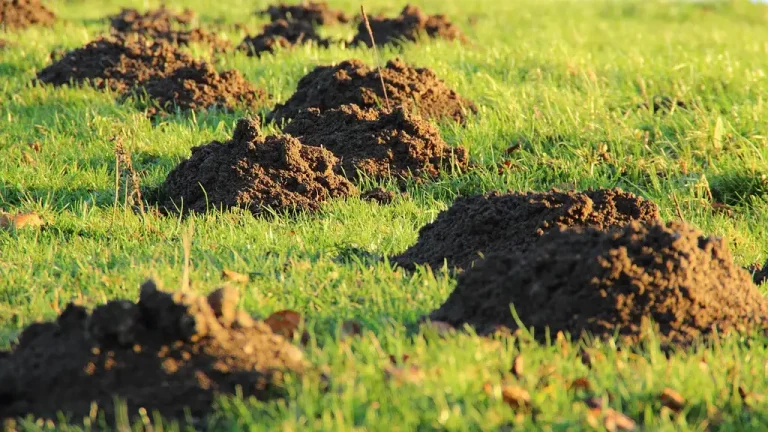
Look for droppings, narrow burrows at bed edges, shredded mulch, runways under boards, and fresh gnaw marks on stems, drip lines, or containers. These signs tell you where rodents are entering and hiding. They also tell you whether a physical barrier can solve the problem before bait does.
Why sanitation comes before bait
Remove fallen fruit, clear debris, and thin overgrown areas so the garden stops feeding the infestation. A rodent-proof compost bin helps too, because open scraps can keep mice returning. If you cut off food and cover, you may not need rodenticide at all.
Is mouse poison safe around vegetable gardens?
No, not as a general garden practice. Rodenticides vary by product and active ingredient, and they are meant to be used only as labeled. The main risks near vegetables are pet and wildlife exposure, accidental contact with loose bait, and uncertainty about where bait may have ended up in mulch or soil.
Why the active ingredient and bait form matter
One cited garden poisoning case used Diphacinone in a backyard area. That matters because product identity changes the risk picture: bait blocks, pellets, and enclosed stations do not behave the same way. The question is less “mouse poison in general” and more “what product was used, where, and how was it contained?”
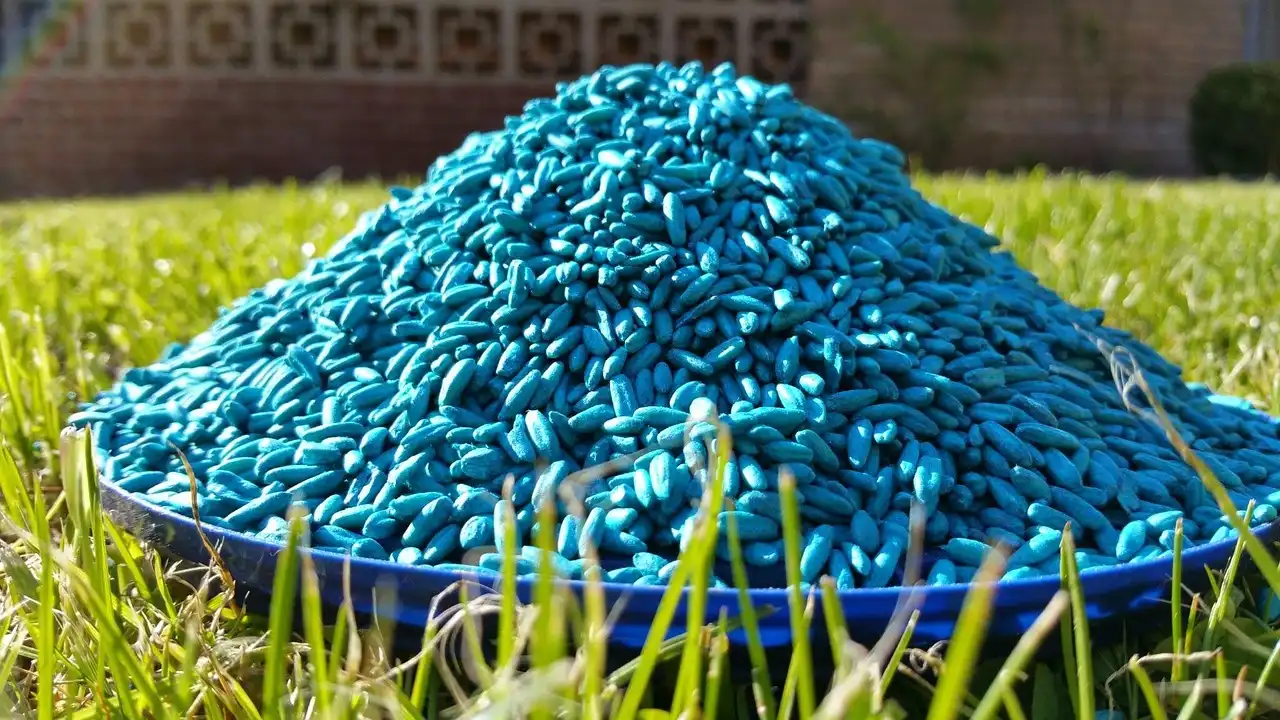
Loose bait near beds is different from a locked station placed away from edibles. A sealed station lowers contact risk, but it still requires careful placement and label compliance. Bait on the soil, in mulch, or in compost raises a very different cleanup question because contact and movement become harder to track.
When bait use is a last resort
Rodent baits should be treated as a last resort near gardens because they can harm non-target wildlife and pets. Around vegetables, exclusion and trapping usually come first. If you use a bait product, use the labeled product, in the labeled setting, with the lowest exposure to crops, children, pets, and scavengers.
What to do if bait was near beds
Start by finding out whether bait was inside the bed, beside it, or farther away. Then inspect for intact bait, broken bait, bait stations, disturbed soil, and any signs that pieces moved into mulch, edging, compost, or a raised-bed frame. If you cannot identify the product or location, pause and document everything first.
Inspect for intact bait, bait stations, and disturbed soil
- Wear gloves and keep pets away.
- Look for intact bait blocks, pellets, or soft bait.
- Check whether the product was inside a station or loose.
- Inspect the soil surface for crumbs, fragments, or digging.
- Note where the bait sat relative to stems, roots, and harvestable parts.
Check mulch, compost, edging, and raised-bed frames
Mulch can hide bait pieces and droppings. Compost can also attract rodents if it contains food scraps or if bait was thrown nearby. Raised beds need a close look at corners, frame gaps, and any enclosed bottom panel. If the bait was near a bed frame, inspect the full perimeter, not only the planting row.
If a tomato bed sits about 18 inches from a bait station, but the station is closed and no loose bait is visible, it is generally treated as a different case from scattered bait pellets. That is a different case from bait pellets scattered in straw mulch along the bed edge. The first calls for monitoring and label review; the second calls for immediate removal and expert help if pieces cannot be accounted for.
When to call the product maker, local extension office, or pest professional
Call the product maker if you need the exact label directions for cleanup, use limits, or disposal. Call your local extension office if you need help judging garden risk, rodent pressure, or exclusion methods. Call a pest professional when the infestation is active, the bait history is unclear, or the product may have entered a bed, compost, or root zone.
Garden poison decision table
Use this matrix when you already used or found bait near edible beds. The key factors are where it was placed, whether it was contained, and whether you can verify what product was used. When in doubt, treat the site history as unresolved and get local help before replanting decisions.
| Scenario | Recommended next steps | Harvest? | Replant? | What to inspect | When to call for help |
|---|---|---|---|---|---|
| Poison used outside beds | Confirm the product, keep pets out, remove any visible bait, and inspect nearby mulch and edges. | Usually yes, if no bait is in the bed and no contact is found on produce. | Usually yes, once the area is cleared and the label use is understood. | Stations, loose bait, droppings, burrows, and signs of movement toward the bed. | Call extension if you are unsure whether the placement was close enough to matter. |
| Poison placed inside or beside beds | Stop use in the area, remove visible bait if safe to do so, document placement, and separate edible parts from the affected zone. | Hold harvest from any part that had direct contact or visible bait exposure until you get case-specific guidance. | Do not replant that spot until the product, placement, and cleanup are reviewed. | Soil surface, mulch, root zone, bed corners, and any bait fragments. | Call the product maker, extension office, or a pest professional right away. |
| Unknown bait history | Pause harvest decisions, inspect the full area, and identify whether bait was used, where, and in what form. | Do not assume the bed is clear until you know whether bait was loose or contained. | Wait until the site history is clarified and any visible material is removed. | Mulch, compost, buried corners, fence lines, and raised-bed frames. | Call extension or a pest professional before you replant or compost anything from the area. |
Can you plant or harvest after bait use?
Sometimes, but only if you can separate contained bait from actual bed exposure. If the bait stayed in a sealed station away from vegetables, planting and harvesting may still be reasonable after inspection. If bait was loose in mulch, soil, or compost, the safer answer is to stop and verify the site history first.
What changes if bait was intact and contained
If the bait stayed in a closed station and the station sat away from the bed, the main issue is exposure control, not crop contamination. Keep the station out of reach, check for spilled pieces, and review the label. You still should not place stations where children, pets, or beneficial wildlife can reach them.
What changes if bait was loose in mulch, soil, or compost
Loose bait creates uncertainty because you cannot assume where every fragment went. That matters more in mulch and compost, where pieces can be hidden or moved by watering, digging, or wildlife. In that case, the question is not only “Can you plant?” but “Can you verify the area is free of visible bait and debris?”
If a bait block breaks in a strawberry bed border and a few crumbs fall into the mulch, it is usually treated as a cleanup issue rather than a normal planting decision. That is a cleanup problem, not a routine planting decision. Compare that with a station attached to a shed wall about 10 feet away from beans; that setup usually shifts the focus back to monitoring and exclusion rather than bed cleanup.
What to document before replanting
- Product name and active ingredient.
- Whether the bait was loose or inside a station.
- Exact placement relative to the bed.
- Any signs of spillage, digging, or gnawing.
- Photos of the site, if possible.
What rodent-proofing methods work best around vegetables?
The best methods around vegetables are physical ones. Use exclusion, gap control, and sanitation before poison. Hardware cloth with 1/4-inch openings can block entry points. Wire fencing can help if it is buried deep enough, tall enough, and free of gaps. Raised beds with enclosed bottoms can also reduce ground access.
Hardware cloth with 1/4-inch openings
Hardware cloth is a strong mesh barrier for vents, bed undersides, and access points. The cited recommendation uses 1/4-inch openings, which is small enough to block many mice. It works best where rodents are trying to squeeze under boards, around drains, or into the base of a raised bed.
Wire fencing: burial depth, height, and gap control
Fencing buried 6 inches deep and at least 24 inches tall. Fencing can be 3 feet high, buried at least 12 inches underground, and kept free of gaps larger than half an inch. The practical point is simple: rodents exploit openings, so the fence must control both height and buried access.
Raised beds with enclosed bottoms
Raised beds can help when the bottom is enclosed or protected with mesh. That reduces ground access and makes it harder for rodents to burrow in from below. Pair the bed with clean edges, limited mulch depth, and regular inspection so you do not create a sheltered tunnel system underneath.
How do you keep mice out of a vegetable garden without poison?
Use sanitation, exclusion, and monitoring first. Clean up food sources, store seed and feed in sealed containers, and remove hiding places. Then add barriers and traps if needed. Natural deterrents can help at the margin, but they work best as part of a larger plan, not as the main defense.
Peppermint oil on cotton balls
Peppermint oil is sometimes used on cotton balls as a scent deterrent. It needs periodic replacement because the odor tends to fade over time. Treat it as a short-term nuisance reducer, not as a fix for an active infestation. Keep it away from direct contact with edible foliage and follow product safety guidance.
Eucalyptus oil mixed with water
Eucalyptus oil is another deterrent that is sometimes mixed with water and sprayed around problem areas. Evidence for this approach is limited, so it belongs in a broader prevention plan rather than a stand-alone answer. Avoid spraying edible parts unless the product label specifically allows it.
Companion planting and rodent-proof compost bins
Mint, basil, and rosemary are sometimes used for odor-based deterrence, but they should not be treated as rodent control by themselves. A rodent-proof compost bin is important because it helps cut off a food source. If compost attracts mice, the rest of the garden becomes harder to protect.
Frequently asked questions
Can I plant vegetables after mouse poison was used in the garden?
Maybe, if the bait was contained and kept away from the planting area. If bait was loose in soil, mulch, or compost, you need to confirm the product, placement, and cleanup before replanting. Site history matters more than the word “used” by itself.
Will rodent poison contaminate my soil?
That concern is reasonable, but you should not assume contamination without knowing the product, the active ingredient, and how the bait was placed. The key question is whether bait entered the bed or stayed in a sealed station. If the history is unclear, call extension or a pest professional.
How long after using rat poison can I grow vegetables?
There is no single safe waiting time that fits every product and every garden layout. If the bait stayed contained and away from the bed, planting may be possible after inspection. If the bait was loose or placed in the bed, get case-specific guidance before you replant.
Keep pets away, photograph the area, and identify the product if possible. Then inspect for loose bait, disturbed soil, and any signs that pieces moved into mulch, edging, or compost. If the bait was inside or beside the bed, contact the product maker, extension office, or a pest professional.