Gardening Techniques for Composting Kitchen Scraps
A common rule of thumb is to use about a 2:1 to 3:1 ratio of browns to kitchen scraps, bury scraps under carbon, and choose hot compost for faster, lower-odor results or vermicomposting for small spaces and softer scraps. Too many scraps, too little cover, or the wrong bin invites flies, smell, and slimy compost. This guide shows which scraps fit each method, how to balance them, and how to match composting technique to storage, pest pressure, and space.
What you’ll need


- Dry leaves, straw, shredded cardboard, shredded paper, or other carbon-rich browns
- Vegetable peels and trimmings, fruit cores and rinds, coffee grounds, tea bags, eggshells, stale bread, rice, and pasta
- A compost bin, tumbler, worm bin, bokashi bucket, or a spot for trench composting
- Coarse twigs or wood chips for the base layer in an open bin
- Shovel or pitchfork for turning
- Watering can or hose with a gentle spray
- Gloves and a kitchen caddy with a lid
- Shredded paper and coconut coir for worm bedding
Kitchen scrap matrix
| Item | Open pile or bin | Tumbler | Worm bin | Bokashi bucket | Notes |
|---|---|---|---|---|---|
| Vegetable peels and trimmings | Yes | Yes | Yes, if chopped small | Yes | Cover with browns; faster breakdown if pieces are 2 to 5 cm |
| Fruit cores and rinds | Yes | Yes | Limited | Yes | Use extra browns to deter flies; citrus should be chopped and mixed well |
| Coffee grounds | Yes | Yes | Yes, in modest amounts | Yes | Treat as greens; filters count as browns |
| Tea bags and loose tea | Yes | Yes | Yes, if bag material is compostable | Yes | Check staples and synthetics; loose tea is easier to manage |
| Eggshells | Yes | Yes | Yes, crushed | Yes | Crush well for faster breakdown |
| Stale bread | Yes, in small amounts | Yes, in small amounts | Usually no | Yes | Break into pieces and bury well; rodents may be attracted if exposed |
| Rice and pasta | Yes, in small amounts | Yes, in small amounts | Usually no | Yes | Plain only; greasy sauces change the risk level |
What kitchen scraps can you compost?
Most everyday plant scraps fit well if you cover them with browns. Vegetable peels, trimmings, fruit cores, rinds, coffee grounds, tea, and eggshells are standard inputs, and plain stale bread, rice, and pasta can go in if they are buried quickly and kept in moderation.
Safe everyday scraps
Vegetable peels and trimmings can go directly into a compost bin. Coffee grounds count as greens, while filters are browns. Tea bags and loose tea are usually fine, and crushed eggshells add calcium-rich shell fragments that break down slowly.
For vegetable beds, this mix usually produces compost that improves soil structure, drainage, and water retention. In herb beds and seedling mixes, finished compost works best when it is fully broken down and free of visible scraps.
Borderline scraps and how to handle them
Fruit cores and rinds are fine, but cover them with browns to deter flies. Citrus can go in, though the peels are dense and slow, so chop them smaller and mix them through the pile rather than leaving them on top. Plain bread, rice, and pasta belong in small amounts only.
Say your kitchen mostly produces coffee grounds, citrus peels, and rice leftovers. In that case, add extra dry leaves or shredded cardboard at the same time you add the scraps, because those inputs are more likely to sour or attract pests if they sit exposed.
Scraps to keep out
Skip meat, fish, bones, dairy, oils, and pet waste. Greasy paper belongs in the same caution zone, because fat slows breakdown and can pull pests. If a scrap is coated with oil or sauce, treat it as a high-risk input and keep it out of a home compost bin unless you are using bokashi.
Which method fits your space?
Pick the method that fits your storage, pest pressure, and how often you want to manage the pile. Open piles and bins suit yards. Tumblers suit small spaces. Worm bins fit indoor or balcony setups. Bokashi and trench composting help when space is tight or the site needs a lower-odor approach.
Open bin or pile for a yard
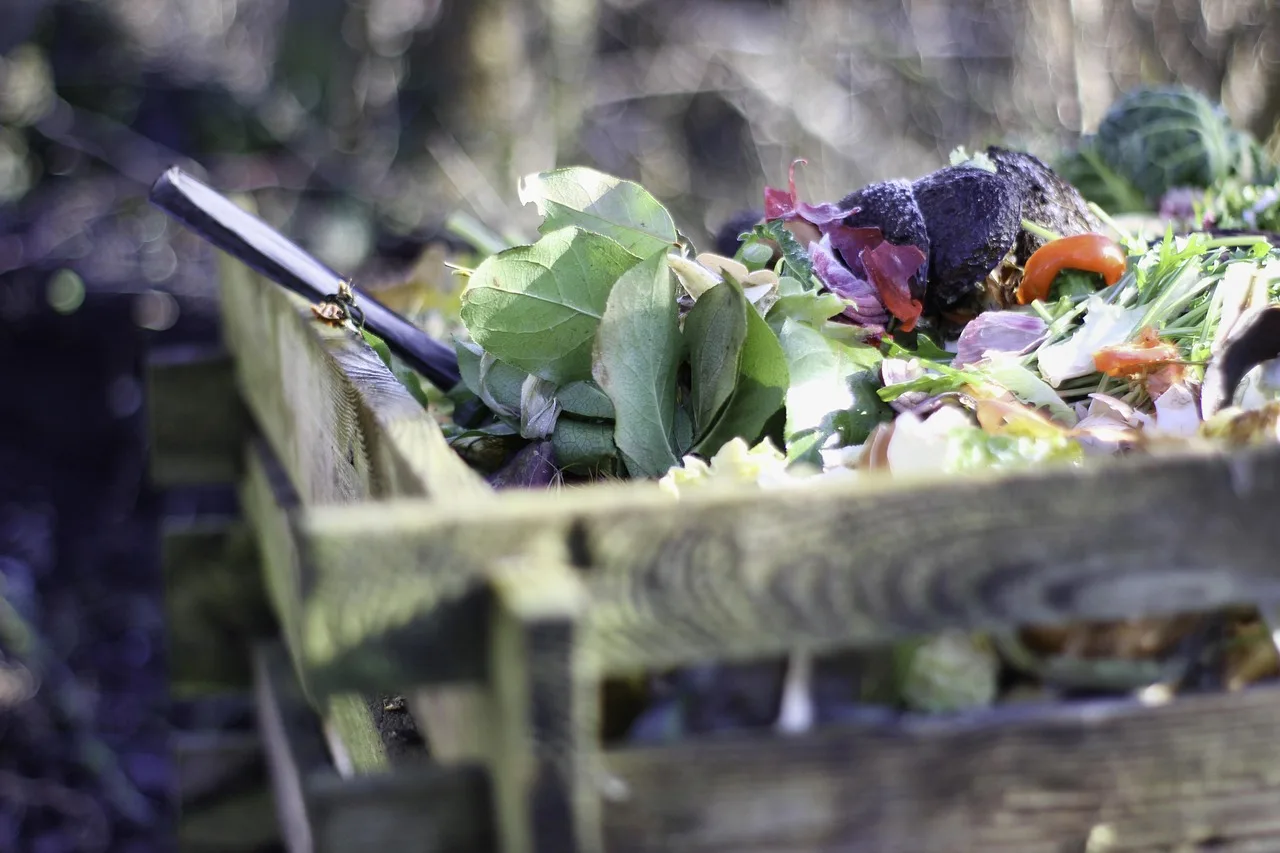
A compost bin works best placed on bare ground with good drainage, in shade or light dappled sun, with a base layer of coarse twigs or wood chips. This setup supports airflow from below and gives microbes and worms access from the soil. It also makes it easier to keep the pile from getting waterlogged.
Tumbler for small spaces
A tumbler compost bin is a solid choice for patios and compact yards. Load it in batches, then spin it a few times each week. Because tumblers can dry out in wind, they usually work better with extra browns and careful moisture checks. They are less forgiving than open bins, but they keep scraps contained.
Worm bin for indoor or balcony setups
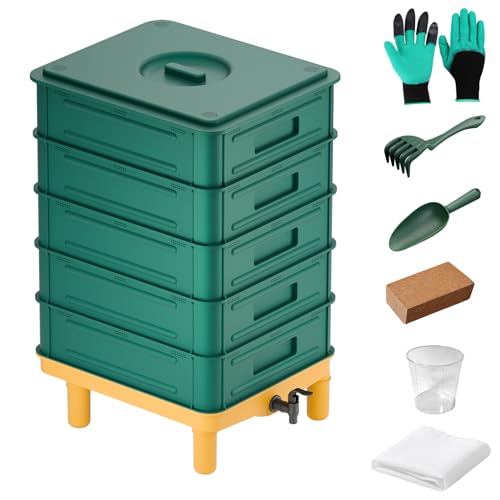
Vermicomposting uses red wigglers and bedding made from shredded paper and coconut coir. It works best between 15-25°C, which suits many indoor and sheltered balcony setups. The output is worm castings and liquid fertilizer, but worms do best with soft, chopped scraps and careful feeding rather than big loads of bread or citrus.
Bokashi and trench composting for tight or difficult situations
A bokashi bucket is sealed and uses fermentation, so it can handle meat and dairy that a backyard pile should skip. It is an indoor pre-compost option, not finished compost. Trench composting uses a trench 20-30 cm deep; bury scraps in beds, cover with browns and soil, and leave the area undisturbed.
How to build the pile
- Set the bin on bare ground if possible, then add a 5 to 10 cm base of coarse twigs or wood chips for drainage.
- Add a 2:1 to 3:1 volume mix of browns to greens, using dry leaves, straw, shredded cardboard, or shredded paper to cover food scraps.
- Chop large scraps to 2 to 5 cm pieces so they disappear faster and do not sit exposed on the surface.
- Cover each fresh kitchen addition with about 5 cm of browns, especially fruit peels, bread, rice, and pasta.
- Check moisture with the wrung-out sponge test; mist if too dry, or add shredded leaves or cardboard if too wet.
- Turn the pile about once a week for a standard backyard pile, or a few times each week for a tumbler, then recheck moisture after turning.
Hot composting can heat to 130-160°F in the center and breaks material down faster, but it also needs tighter turning and moisture control. That option is better when you want faster compost for beds and you can manage the pile often enough to keep air moving through it.
Suppose a 60 cm bin starts smelling sour after three days of kitchen scraps. The fastest correction is to add 10 to 15 cm of dry browns, mix the top layer, and check moisture again. If it still feels wet, add more shredded cardboard and turn the pile deeper on the next day.
How do you stop smells and pests?

Smells and pests usually mean scraps are too exposed, too wet, or too concentrated. The fix is usually to add more browns, bury the scraps deeper, and keep air moving through the pile. A healthy compost heap smells earthy, not rotten.
Fix sour or rotten odors
If the pile smells sour or ammonia-like, it usually has too many greens or not enough air. Add a generous layer of dry leaves, shredded cardboard, or straw, then turn the pile so oxygen reaches the center. If it is still wet, open the structure further with coarse browns.
Fix flies and exposed scraps
Fruit cores and rinds attract flies when they sit near the surface. Cover every addition immediately with browns, and make sure scraps are not visible from above. In a tumbler, stop loading once the chamber is more than about two-thirds full, then spin it so the cover material reaches the top layer.
Fix rodents and other pests
Rodents are drawn to bread, rice, pasta, and any oily residue that is left accessible. Keep those inputs to a minimum, bury them deep, and use a lidded bin or enclosed tumbler if rats are common in your area. Bokashi is safer for messy leftovers because the bucket stays sealed.
A common first-timer mistake is adding a bowl of rice and vegetable trimmings to the top of a pile on a warm evening. The next morning, the surface is exposed and damp. The fix is simple: bury the food, cover it with 5 to 10 cm of browns, and keep the lid closed if you are using a bin.
Fix a wet, compacted pile
If the pile looks shiny, dense, or oozes liquid, it needs more structure. Add shredded cardboard, straw, or dry leaves in layers, then turn to restore airflow. Compost should feel like a wrung-out sponge, not a wet blanket. If it dries out after turning, mist lightly instead of soaking it.
Keep a separate tub of dry leaves, shredded paper, or cardboard near the kitchen caddy so you can cover each scrap load right away, rather than searching for browns after odors start.
Common mistakes
- Too many greens: The pile turns wet and smelly. Fix it by adding more browns immediately.
- Not enough browns: Airflow drops and flies find the food. Cover every addition with carbon-rich material.
- Oversized scraps: Big peels and rinds break down slowly. Chop them to 2 to 5 cm pieces.
- Wrong moisture level: Dry piles stall, wet piles rot. Use the wrung-out sponge test and correct with water or dry browns.
- Wrong method for your space: An open pile in a rat-prone alley or a worm bin in a hot sunroom will struggle. Match the method to the setting.
Frequently asked questions
What kitchen scraps can I compost in my garden?
Vegetable peels, trimmings, fruit cores, rinds, coffee grounds, tea, and eggshells are standard garden inputs. Plain stale bread, rice, and pasta can also go in, but keep them buried and limited. For beds, the main rule is to cover scraps well so they do not draw pests.
How do I keep compost from smelling bad?
Keep a 2:1 to 3:1 browns-to-greens balance, add cover material every time you add scraps, and keep moisture at the wrung-out sponge stage. If it smells rotten, add dry leaves or shredded cardboard, then turn the pile so air can move through it.
What is the right browns to greens ratio for kitchen scraps?
A practical target is roughly 3 parts brown to 1 part green by volume. The common minimum is 2 parts browns to 1 part greens. If you add a lot of coffee grounds or fresh trimmings, move toward the higher brown side to keep the pile open.
Can I compost kitchen scraps in a small yard or apartment?
Yes. Use a tumbler for a small yard, a worm bin for indoor or balcony setups, or a bokashi bucket for sealed indoor pre-composting. If you have outdoor beds but little space, trench composting is another option because it keeps scraps underground and out of sight.
How often should I turn a compost pile with food scraps?
Turn a backyard pile about once a week if you want steady breakdown. A tumbler should be spun a few times each week. Hot composting needs more attention because it depends on stronger moisture and aeration control to keep the center in the active heating range.
Should kitchen scraps go in a tumbler, bin, or worm bin?
Use a bin for the most flexibility, a tumbler for compact spaces and cleaner handling, and a worm bin for soft scraps in controlled indoor or balcony conditions. If you need sealed handling for meat or dairy, bokashi is the better first step, then finish the material elsewhere.