How to Label Botanical Garden Plants for Visitors
Label botanical garden plants with a large common name, a smaller scientific name, and one short interpretive fact. Put the label where visitors can read it without stepping into beds. Weak labels slow learning, invite misidentification, and fail quickly as plants grow or weather wears them down. This guide covers label content, type, placement, materials, and upkeep so your system keeps working for visitors.
Why plant labels work
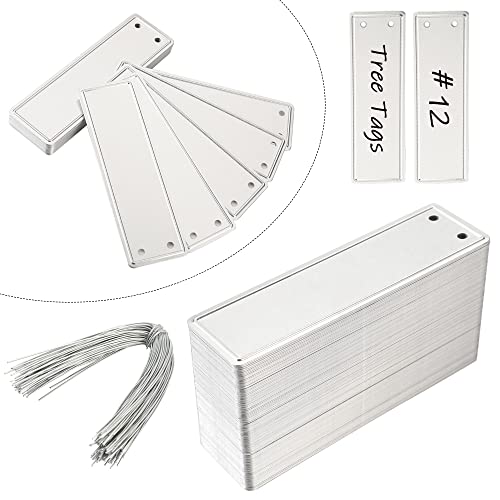
- Waterproof aluminum suitable for outdoor weather
- Double-eyelet design spreads wire load
- Includes 120 pieces for large collections
Plant labels are part of a garden’s collection curation, but visitors read them as a guide first. A good label helps people name a plant, decide whether to stop, and connect what they see in the bed with the garden’s database and collection record. That is a public job, not only an office task.
Labels also help people move through the garden. In mixed beds, they tell visitors what they are looking at without forcing guesses from memory or repeated staff questions. For educators, labels give a fixed point for talks about origin, ecology, and naming.
Visitor learning and wayfinding
Visitors read labels from different distances. A child often reads close up. A casual visitor usually scans from the path. A plant enthusiast may crouch to compare details. Your hierarchy should work for all three, which means the first line must answer the fastest question: what is this plant called?
Do not make the label carry every fact at once. One short interpretive fact is enough on a standard visitor label. Leave deeper history for a longer sign or a database record.
Collection records and plant care
The U.S. Botanic Garden says each plant is tagged with scientific names, common names, description, native range, source, and physical location. It also says labels present essential information about a plant consistently. That consistency matters because staff use the same label to track plants, not only to identify them.
Cambridge links labels to records in its plant database, IrisBG, with a unique accession number. Its accession numbers use the first four digits for the year the plant was accessioned, the last four digits as sequential numbers, and a letter such as B to show a second accession. Cambridge also shows the plant family at the top right of the label.
What labels cannot do alone
A label cannot fix every problem by itself. If the plant grows over it, if a bed gets crowded, or if glare makes the face hard to read at noon, the information still fails. That is why placement, mounting, and upkeep belong in the same plan as wording.
Say your label sits beside a fast-growing ornamental grass. If the label starts clear in spring but disappears into foliage by midsummer, the wording may be correct while the visitor experience fails. The fix is not more text; it is a better location and a lower, clearer profile.
What should go on a plant label?
For most visitor labels, lead with the common name when one is useful, then give the botanical name, then add one short fact that helps people learn or orient themselves. Include family, native range, or provenance only when the label still reads cleanly at arm’s length. If space is tight, trim extra fields before shrinking type to the point that nobody can read it.
Core fields for most visitor labels
A standard visitor label should usually include the plant’s common name, botanical name, and a concise interpretive note. If your audience is broad, that order lets people recognize the plant quickly and still learn the scientific name without hunting through the line stack.
The U.S. Botanic Garden places the family name on the first line and usually puts the botanical name on the second line, italicized. It also says the first word of the botanical name is the genus and the second is the specific epithet. That gives you a clear structure to keep the label steady across the garden. (USBG)
When to add family, native range, or provenance
Add family when it helps comparison across a bed of related plants, or when a collection is organized for teaching. Add native range when the sign is meant to support ecology, biogeography, or conservation learning. Add provenance when the source matters to the story, such as wild origin, cultivated origin, garden origin, or unknown origin.
Provenance should appear as a short code or compact phrase, not as a paragraph. A label is not the place for full source documentation. That belongs in the plant database, where the collection record can carry propagation history, location tracking, and research notes.
What to leave off when space is tight
Leave off family, provenance, and a long native-range line when the label would become crowded. On a small tag, the visitor loses more from clutter than from omission. The plant database can supply the missing detail, while the label stays legible in the bed.
A common first-timer mistake is to cram every field onto a label for a rare plant with a narrow bed edge. The result looks complete on paper and unreadable in the garden. For public spaces, fewer fields in a clearer order work better.

How should botanical names appear?
Botanical names should be formatted so visitors can scan the genus and species quickly, while staff can still match the label to the record. Use italics for the genus and specific epithet, and keep cultivar names visually distinct. Line breaks should help reading, not split the name into pieces that invite errors.
Genus, species, subspecies, and variety
The genus comes first, followed by the specific epithet. If the plant is identified to subspecies or variety, include that rank after the species in the same italicized style. Keep the format steady across the garden so labels read like one system instead of many local habits.
Consistency matters more than ornament. If one bed uses full names and another uses shortened forms, visitors assume the garden is inconsistent even when the identifications are accurate.
Cultivar names and punctuation
USBG notes that cultivars are selected for desirable characteristics such as variegated leaves or larger seed set. Put the cultivar name after the botanical name and keep it distinct from the italicized Latin portion. Use the same punctuation style everywhere so visitors can tell name parts apart at a glance.
If the cultivar name is long, it may deserve the second line on a standard label rather than being forced into the scientific name line. That keeps the Latin name intact and preserves readability.
Italicization and line breaks
Italicize the botanical name, not the common name, family, accession code, or interpretive fact. If a label is short enough, keep the genus and species together on one line. If a line break is unavoidable, break after the genus or after the full scientific name, not in the middle of a word group that visitors need to read as one unit.
How to format accession numbers
Accession numbers belong to the collection record, not the public story, but they still need a clear place in the label system. The number lets staff match a living plant to its database record, source documentation, propagation history, and location. On public-facing labels, use it sparingly and only where the audience needs that level of detail.
Year-based numbering and sequence codes
Cambridge’s accession format shows how a year-based system can work: the first four digits show the year the plant was accessioned, and the last four digits are sequential numbers. That structure makes the code useful for record matching while staying readable enough for staff use in the field.
For a public garden, the accession code should be short, stable, and tied to one unique record. If your database uses year and sequence, keep the same pattern on labels, maps, and internal worksheets.
Qualifier letters such as A or B
Qualifier letters help separate related accessions. Cambridge uses a letter such as B to indicate a second accession. That matters when a garden receives a replacement plant, a duplicate, or a second source under the same collection family.
Use qualifier letters only when they mean something in your records. A letter with no documented rule adds confusion instead of clarity.
Database links and record matching
Plant labels should connect to the plant database through the accession number, not through a long block of text. The database is where you keep source documentation, location tracking, and propagation history. The label simply points back to that system in a way staff can verify in the field.
If you add a QR code, treat it as backup access rather than the main reading path. Visitors should still be able to learn the plant name and one key fact without opening a phone.
Label types and line order guide
This table gives one label hierarchy for three use cases. It separates the small accession tag, the standard visitor label, and the interpretive sign so you do not overload one object with three jobs. Use the line order to decide what appears first when a visitor glances at the label from the path.

| Label type | Primary use | Suggested line order | Character target | Include | Omit when space is tight |
|---|---|---|---|---|---|
| Small accession tag | Record matching and field check | Accession number; family or code; short plant name | Keep very short | Accession number, database match, family if useful | Common name, native range, interpretive text |
| Standard visitor label | Identification and quick learning | Common name; botanical name; one short fact | About 3 short lines | Common name, scientific name, optional family, optional native range, short interpretive fact | Long provenance notes, full source history, multiple facts |
| Interpretive sign | Education and context | Topic title; main message; supporting details | Longer than a label | Native range, provenance, conservation note, comparison species, database cue | Accession number as a headline item |
Small accession tag
The accession tag should be the most compact object in the system. It exists for staff, not for browsing, so the accession number comes first. If family is needed, place it after the number or in the top right, following the kind of arrangement Cambridge uses.
Do not try to turn an accession tag into a teaching label. Its job is to stay attached, survive handling, and match the record.
Standard visitor label
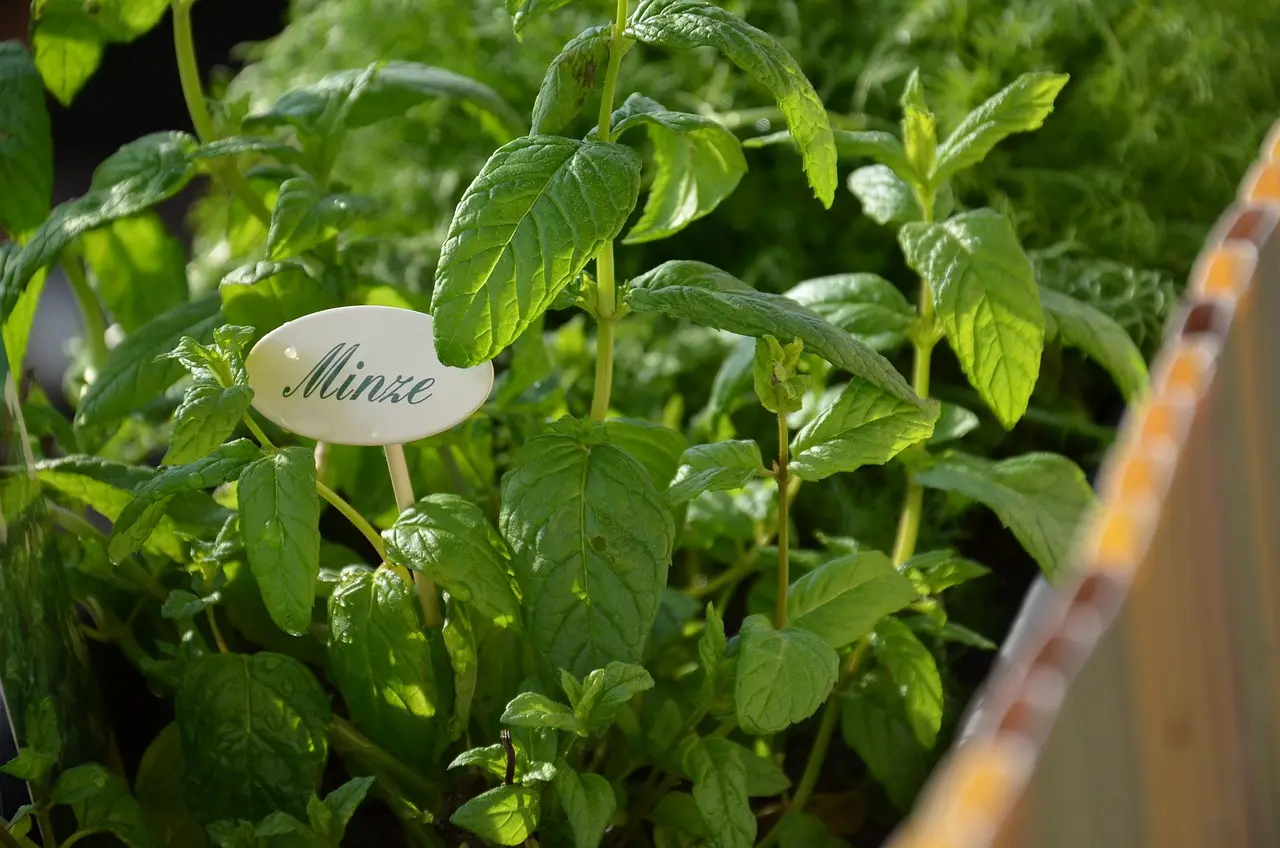
The standard visitor label should answer the question “What is this?” in one glance. A good order is common name first, botanical name second, then one fact that helps people understand the plant or its origin. This is often the best place for most public-facing interpretation.
Keep the text short enough that the label can be read without stepping into the bed. That single decision prevents most visitor frustration.
Interpretive sign
An interpretive sign belongs where a plant group or theme needs context. Use it for native range, collection story, habitat, or conservation meaning. A sign can carry more text because it is not doing the same job as a tag.
If the sign and the label repeat the same full text, one of them is wasted. Let the sign teach and the label identify.
How do you make labels readable outdoors?
Outdoor labels must survive distance, glare, weather, theft, and plant growth. The goal is not only material durability, it is legibility through a season of sun, shade, pruning, and foot traffic. A label that is technically present but unreadable is a failed label.
Distance, font size, and contrast
Set the wording so it can be read from the normal path distance, not only when someone bends down. Use strong contrast between text and background, and keep enough open space around the lines that the eye can separate them. Mixed audiences need that breathing room.
Do not rely on a tiny font to cram in more information. If a line cannot be read at the intended distance, it does not count as content.
Glare, weather, and plant growth
Glare can make a label look fine in shade and nearly invisible in full sun. Weather can fade print or cloud a surface. Plant growth can bury the face, tilt the mount, or hide the edge. Check labels after seasonal growth, not only after installation.
Suppose a label sits under a glossy-leaved shrub near a south-facing path. On bright afternoons the surface catches light, and visitors lean in too close, brushing the plant. A matte finish, a slightly different angle, or a modest relocation solves more than adding extra text.
Durable mounting and theft resistance
Outdoor labels need mounting that resists wobble, casual removal, and repeated maintenance. In high-traffic beds, choose a mount that stays upright when the soil shifts and that can be replaced without disturbing the plant. Keep the visible face low enough for reading, but not so low that mowing, edging, or foot traffic destroys it.
High-traffic spaces need a maintenance plan, not only a stronger stake. If labels get stolen or damaged, staff should know how to replace them from the same database record and formatting template.
How can labels support accessibility?
Accessibility means more than making text bigger. It also means using plain language where possible, keeping the line order predictable, and offering a backup path for visitors who need more detail. A label should speak clearly to casual visitors and still allow deeper learning for specialists.
Plain-language wording for mixed audiences
Use the common name when it helps entry into the subject, then pair it with the scientific name so visitors can connect both forms. Keep the interpretive fact short and specific, such as a pollinator note or habitat note, rather than a sentence loaded with jargon.
That approach works for children, families, and plant enthusiasts without changing the label structure for each group.
Multilingual use and symbols
If your garden serves multiple language groups, reserve enough space for translation without shrinking the main text into unreadability. Symbols can help with wayfinding, but they should not replace plant names or source information. Use them as support, not as the core message.
When space is limited, put multilingual detail on the longer interpretive sign and keep the visitor label focused on the plant name and the shortest useful fact.
QR-code tradeoffs and backup text
QR codes can add depth, but they should not be the only route to meaning. Phones fail, batteries die, and some visitors do not want to scan. Always include a readable fallback on the physical label, even if the code links to the full record or extra media.
Use the code to extend the label, not to rescue a crowded layout. If the basic text depends on scanning, the label has already lost its job.
Rare plants and high-traffic beds
Rare plants need a public label that informs without exposing too much. In crowded beds, labels also need protection from loss, theft, and accidental trampling. The solution is usually a simpler public label paired with a fuller internal record, not a longer sign.
Protecting labels without hiding them
Place the label where it can be read from the path but not easily kicked, stepped on, or shaded out by the plant itself. If a rare plant sits in a display bed with heavy traffic, a lower-profile mount or a protected edge may work better than a tall stake.
Keep the public label short and the accession data secure in the collection record. That balance protects both the plant and the information.
Temporary labels during transplanting or replacement
Temporary labels are useful when a plant is being replaced, divided, or moved. They should still use the same line order as the permanent system so staff and visitors do not have to relearn the format. Even a short temporary label should keep the botanical name and accession reference aligned with the database.
Use temporary labels only as a bridge. Replace them as soon as the permanent label can be installed.
When to simplify the public-facing label
Simplify the visitor label when the plant is young, rare, hard to replace, or likely to change position. In those cases, keep the public label to the common name, botanical name, and one short fact. Leave provenance, long native-range notes, and detailed source history to the interpretive sign or database record.
Frequently asked questions
How do you label garden plants for visitors?
Start with the plant name people recognize, then add the botanical name and one short fact. Place the label beside the plant where it can be read from the path. Keep the format consistent across the garden so visitors learn the system once and can reuse it at the next bed.
What information should go on a botanical garden plant label?
Most visitor labels should include the common name, scientific name, and a concise interpretive note. Add family, native range, or provenance when those details help the story and still leave enough space for easy reading. Accession data belongs on the collection record, with only a compact reference on the label if needed.
How big should plant labels be for outdoor displays?
Use a size that supports reading from the normal path distance, not only from inches away. If the text needs to shrink to fit, the label is too crowded. A standard visitor label should favor fewer lines and stronger contrast over dense content that disappears in sun or shade.
Should plant labels use common names or scientific names?
Use both when possible. The common name helps visitors enter the subject quickly, and the scientific name gives the exact identity that staff and enthusiasts need. If one must be prioritized on a small label, keep the scientific name and add the common name only if it still reads clearly.
How do you make plant labels readable and durable outdoors?
Use strong contrast, a clear line order, and enough open space to read from the path. Mount labels so they resist weather, accidental bending, theft, and seasonal plant growth. Check them after pruning and at full leaf-out, because a label that worked in spring may vanish by midsummer.
What is the difference between a plant label and a plant accession label?
A plant label is for visitors. It identifies the plant and may add a short learning point. An accession label is for the collection system. It ties the living plant to the database, source documentation, and record history through a unique accession number and related codes.