Are Coffee Grounds Safe for Vegetable Gardens? Mostly Yes
Yes, coffee grounds are safe for vegetable gardens when you use them thinly, mix them into compost, or spread them as a light topdressing. Keep them dry before mulching, avoid thick layers near seedlings, and do not let them form a crust. Used badly, they can block water, slow germination, and tie up nitrogen at the soil surface. This guide shows when grounds help, when they do nothing, and when they can backfire in beds, containers, compost, and mulch.
This guide is part of our Garden safety concerns: what is safe to use series.
Are coffee grounds safe for vegetable gardens?


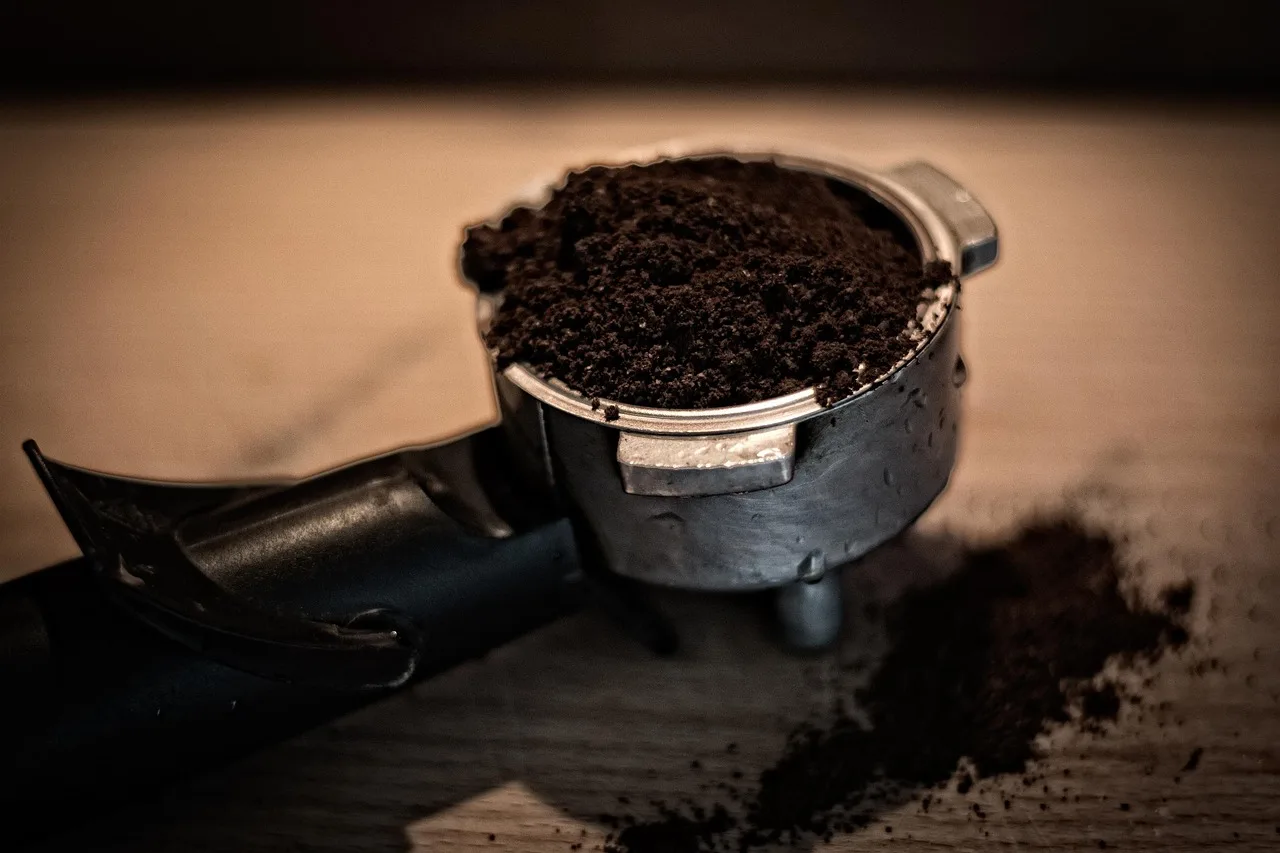
Yes, but only within limits. Used coffee grounds are a reusable garden material, yet their fine texture, leftover caffeine, and modest nutrient value mean the application method matters more than the fact that they came from coffee. Thin, managed use is the safe route. Thick, wet piles are the risky one.
What changes when grounds are spent, fresh, dry, or wet
Spent grounds are not the same as fresh grounds. Fresh coffee grounds can be acidic, while spent grounds usually have near-neutral pH, and that difference matters because pH claims are often overstated in garden advice. Dry grounds spread more evenly and are less likely to crust. Wet grounds can mat together and block air and water.
Some guidance says coffee grounds contain only a small amount of nitrogen, so they are not a complete fertilizer. They can feed plants a little, and Tony O’Neill describes them as a “fantastic ingredient” for gardens, but that does not make them a stand-alone soil amendment.
When the answer shifts from safe to risky
The risk rises when you pour grounds directly onto seeds, seedlings, or tight soil in containers and raised beds. Simplify Gardening says used grounds should not be put directly on seeds or seedlings. CAFELY also warns that direct soil placement can be too much for some plants.
Say your 10-inch container holds basil and parsley and you top it with a thick, damp layer of grounds. The surface can crust, water runs off, and the roots get less air. That is not a soil improvement. That is a surface barrier.
📊 Simplify Gardening says coffee grounds contain only about 2% nitrogen. Source: Are coffee grounds good for vegetable gardens?.
What coffee grounds actually add to soil
Coffee grounds can add a small nutrient boost, some organic matter, and a finer texture that changes how a bed holds water. They do not replace compost, balanced fertilizer, or steady soil care. Their value comes from how they fit into the rest of the system.
Nutrients gardeners can expect, and what they cannot
Used grounds contain nutrients such as nitrogen and potassium, but the nutrient load is modest. Treat them as a minor input, not a primary feed. Simplify Gardening says they can feed plants and may attract worms, which can help soil activity, but that is different from giving crops everything they need.
They also do not correct poor drainage by themselves. If a bed already stays wet, adding fine grounds can make the surface stay wetter longer. In a free-draining, compost-rich bed, a light addition is less likely to cause trouble.
Why particle size matters in beds and containers
Coffee grounds are very fine. That texture can improve soil structure when they are mixed into compost or blended into soil in small amounts, but it can also compact when used in a thick layer. Compaction matters most in containers and raised beds, where air space is limited.
Why pH concerns are common, but often overstated
Many gardeners worry about acidity first, but pH is only part of the story. Fresh grounds can be acidic, spent grounds are usually near-neutral, and decomposition changes the chemistry again. That means pH shifts from coffee grounds are not consistent enough to count on as a bed-level correction for vegetable soil.
| Use path | Best bed type | Plant stage | Too much warning signs |
|---|---|---|---|
| Compost it | Any bed; best for mixed kitchen-waste compost | Any stage, because compost is applied later | Wet clumps, sour smell, slow breakdown, greasy mat |
| Mulch it | Established in-ground beds and some raised beds | Established plants only; not seedlings | Crust on top, mold, runoff, black slick patches |
| Skip it | Seed-starting mixes, tightly packed containers, poor-draining beds | Seedlings and newly transplanted crops | Surface crusting, slowed germination, damping airflow, soil that stays wet |
Should you put coffee grounds in compost, mulch, or soil?
Compost is the safest default. Mulch can work only when the grounds are dry and mixed with coarser material. Direct soil use is the most limited option, and it makes sense only in thin amounts around established plants in open, well-drained beds.
Compost pile: the safest default
CAFELY says compost should include coffee grounds with other materials, and that is the best place for them. Mix grounds with greens and browns so one ingredient does not dominate the pile. Too many grounds can upset the balance, slow airflow, and make the pile dense.
A common rule is to keep grounds to a minority share of the pile. CAFELY says a compost mix should be limited to 25-30% coffee grounds at most. That is a practical upper boundary, not a target to aim for every time.
Mulch: only after drying and mixing with coarser material
Coffee grounds can be used as mulch if they are dried first and mixed with other coarse material. Drying them first helps them spread without clumping, and the coarser mix cuts crusting and mold risk. Used alone, especially when wet, grounds tend to mat down and block movement of water and air.
Mulch also needs to suit the crop. In an established bed of tomatoes or peppers, a very thin mixed layer can be useful. Around fresh transplants, it is safer to wait.
Direct soil use: when to skip it
Skip direct application in seed-starting mixes, around tiny transplants, and in containers that already dry slowly. Avoid direct use when the bed is already compacted or when the top inch stays damp for days. In those conditions, grounds can do more harm than good.
Which vegetable plants may tolerate coffee grounds?
Established vegetables can handle modest coffee-ground use better than seedlings can. Some common garden crops are often said to tolerate a light, managed application in decent soil. That does not mean they need grounds, only that they may handle them better.
Why tomatoes, peppers, cucumbers, and eggplants get mentioned often
CAFELY lists peppers and cucumbers among vegetables that may like coffee grounds. Those crops often grow in beds with steady moisture and regular feeding, so a small amount of grounds used in compost or as a thin topdressing can fit into an overall soil program.
Tomatoes and eggplants are often grouped with them for the same reason: established roots, warm soil, and a tolerance for modest organic inputs. Even then, drainage and application rate matter more than the crop label.
Why carrots, radishes, potatoes, and parsley still need cautious use
Carrots and radishes can be sensitive to surface crusting because they are direct-sown. A heavy coffee-ground layer can interfere with germination and early root development. Potatoes and parsley can handle organic matter, but they still need open soil and even moisture, not a dense mat.
For direct-sown crops, use grounds through compost rather than on the planting row. That keeps the benefit while reducing the chance of seed suppression or surface compaction.
Can coffee grounds hurt seedlings or young plants?
Yes. Seedlings and young transplants are the most vulnerable stage because their roots are small and their stems need open, airy soil. Fresh grounds, wet clumps, and direct contact can slow germination, stress roots, and create a crust that blocks light, water, and air at the surface.
Fresh grounds and seed-starting mixes
Fresh coffee grounds are the biggest concern near seeds. Simplify Gardening says used grounds should not be put directly on seeds or seedlings, and that caution applies even more strongly to fresh grounds. Use a seed-starting mix made for fine roots, then feed later through composted material.
Compaction, crusting, and low air movement around roots
Fine particles can seal the top of a pot or bed when they are spread too thickly. That crust can hold moisture on the surface while depriving roots of oxygen below it. In containers, this problem appears faster because the soil column is shallower.
Suppose a tray of 12-week-old pepper seedlings gets a thin but wet layer of grounds after watering. The surface may look tidy for a day, then form a skin that slows drying and makes the mix stay soggy near the stems. That is where root stress begins.
Warning signs that the bed has too much
- Dark crust that water beads on instead of soaking in
- Persistent mold or a sour, stale smell
- Slower germination than expected
- Seedlings leaning, yellowing, or stalling after topdressing
- Soil that stays wet at the surface but dry below
How to use coffee grounds safely in vegetable beds
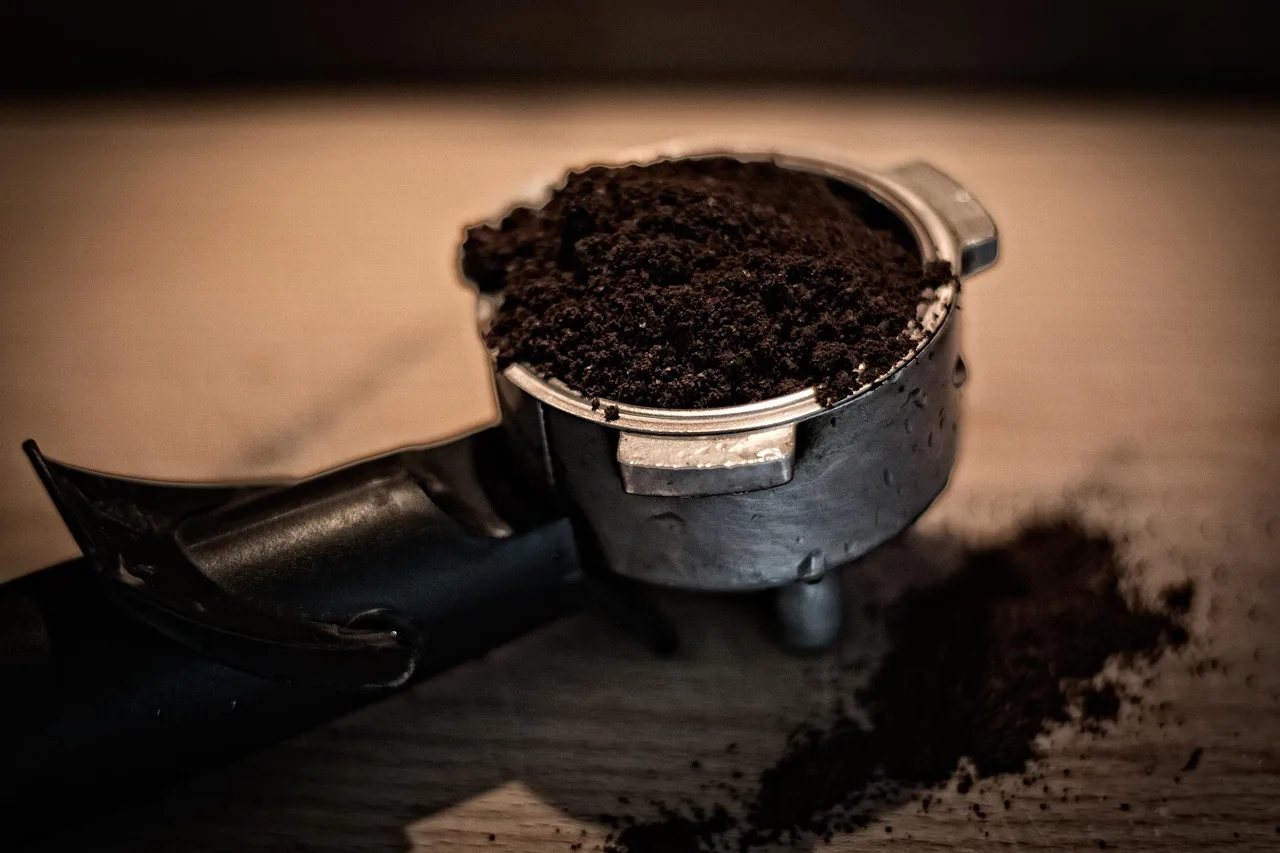
The safest method depends on the bed and the plant stage. Compost is the default. Mulch is an option only when the grounds are dry and mixed. Direct soil use should stay light, limited, and away from seedlings, because the main failures come from over-application and poor timing.
Decision path 1: compost it
- Add grounds to the compost pile in small batches.
- Mix them with dry browns such as leaves, straw, or shredded cardboard.
- Blend in greens so the pile stays active, not slimy.
- Break up clumps before they mat together.
- Use the finished compost on established beds later.
Best fit: any bed type, especially mixed vegetable beds and container-garden compost inputs.
Too much warning signs: wet patches, compacted clumps, slow turning, sour smell, and a pile that feels slick instead of crumbly.
Decision path 2: mulch it
- Dry the grounds first.
- Mix them with coarse mulch materials.
- Apply only a thin surface layer around established plants.
- Keep the layer loose enough for water to move through.
- Watch for mold or crusting after rain or irrigation.
Best fit: established in-ground beds, especially where plants already have several true leaves or are producing fruit.
Too much warning signs: hard crust, white or gray mold, runoff after watering, and a top layer that turns slick.
Decision path 3: skip it
- Skip direct grounds if you are sowing seeds or moving in transplants.
- Skip if the bed is heavy clay, poorly drained, or already compacted.
- Skip in containers that stay wet after watering.
- Skip if pets or children may handle the material before it is composted or cleaned up.
Best fit: seed-starting areas, very young plants, and tight containers.
Too much warning signs: slow emergence, root stress, surface sealing, and damp piles left accessible in a yard or patio area.
Do coffee grounds work as liquid fertilizer or weed control?
They can, but both uses are limited. A cold-water soak can make a weak liquid feed, and coffee grounds may suppress some weed seeds. Neither method is a strong stand-alone solution, and both need restraint because too much caffeine, too much residue, or too frequent use can stress plants.
Cold-water soak and weak-tea dilution
CAFELY recommends a cold-water soak for liquid fertilizer. Keep it weak, not brewed like coffee for drinking. A light soak is better than a concentrated slurry, which can carry too much residue into the root zone. Weekly use needs caution because repeated feeding can build up residue at the surface.
Why weekly use needs caution
Liquid made from grounds is best treated as an occasional supplement. Weekly drenching can leave residue on the soil surface and does not provide balanced nutrition. Since grounds are not a complete fertilizer, use them as part of a broader feeding plan, not as the main one.
Allelopathy claims and what they do, and do not, prove
Allelopathy means a plant or residue may suppress germination or growth in nearby species. Coffee grounds are sometimes credited with weed-deterring effects, and Simplify Gardening says they can deter some pest species. That does not prove they will protect a vegetable bed without side effects, especially around planted rows. (en.wikipedia.org)
Use weed-control claims carefully. A material that slows weed seeds may also slow vegetable seedlings. That is why direct application is poor timing in a planted bed, even if the same material seems useful on a path or in a compost system.
Frequently asked questions
Are coffee grounds good for vegetable gardens?
Yes, when you use them in thin, managed ways. Coffee grounds can add a small amount of nutrients, help compost, and support soil structure when blended correctly. They are not a complete fertilizer, and thick direct layers can compact or crust the soil surface.
Are used coffee grounds good for vegetable gardens?
Used coffee grounds are generally the safer type to reuse in gardens because spent grounds are usually near-neutral pH. They still need careful handling. Composting is usually the best route, and direct use should stay light and away from seedlings.
Can you use coffee grounds in your vegetable garden?
Yes, you can use them, but the method matters. Compost them first when possible, or apply only a very thin topdressing around established plants. Avoid piling grounds on seed rows, and do not leave wet clumps sitting on the soil.
Is it ok to put coffee grounds in a vegetable garden?
It is okay if the bed is established, well drained, and the grounds are not applied in a thick layer. The main risks are crusting, mold, and stress to young plants. If any of those are likely, send the grounds to compost instead.
Are coffee grounds good for all vegetable plants?
No. Some established crops may tolerate or benefit from modest use, but direct-sown crops and seedlings are much more vulnerable. The soil condition and application rate matter as much as the crop type. Drainage, texture, and timing decide whether grounds help or hurt.
How much coffee grounds is too much in a garden?
Too much is any amount that forms a visible crust, stays wet, or crowds out air at the soil surface. In compost, CAFELY says grounds should stay at 25-30% at most. In beds, think thin and mixed, not layered and dense.