Seed Germination Stages: What Happens First
Seed germination starts with water uptake. The seed often swells first, then the radicle breaks through the coat, usually somewhere from a day or so to a couple of weeks depending on species and temperature. Miss the early signs, and you may keep seeds too dry, too wet, or too cold until they rot or stall. This guide maps each visible stage, what it means inside the seed, and how to spot a healthy sprout before problems take hold.
This guide is part of our Plant physiology basics series.
What happens first when a seed germinates?


The first visible change is usually water uptake. The seed coat absorbs water, the seed swells, and the coat softens before it splits. Inside, the embryo wakes up and starts using stored food so growth can begin. That early shift is invisible at first, but it sets up every later stage.
Water uptake starts the sequence
Germination starts only when a seed gets the right mix of water, oxygen, and temperature for that species. Water enters the seed in a process often called imbibition. The seed coat expands, and the seed may look plumper, darker, or slightly misshapen as the coat loosens.
The seed coat, or testa, is the outer protective covering. It can be thin or thick. It shields the embryo from damage, fungi, and temperature stress while the seed waits for the right conditions.
Why the embryo becomes active
The embryo is the living plant inside the seed. It contains the beginnings of the root and shoot. Once water enters, the embryo resumes metabolic activity and uses stored nutrients to power the first growth. In seeds with endosperm, that tissue acts as fuel for the earliest stages.
A common first-timer mistake is mistaking a swollen seed for a sprouted one. Swelling is the first change. A true germinated seed shows a radicle breaking through the coat.
What is the radicle, and does the root come out first?
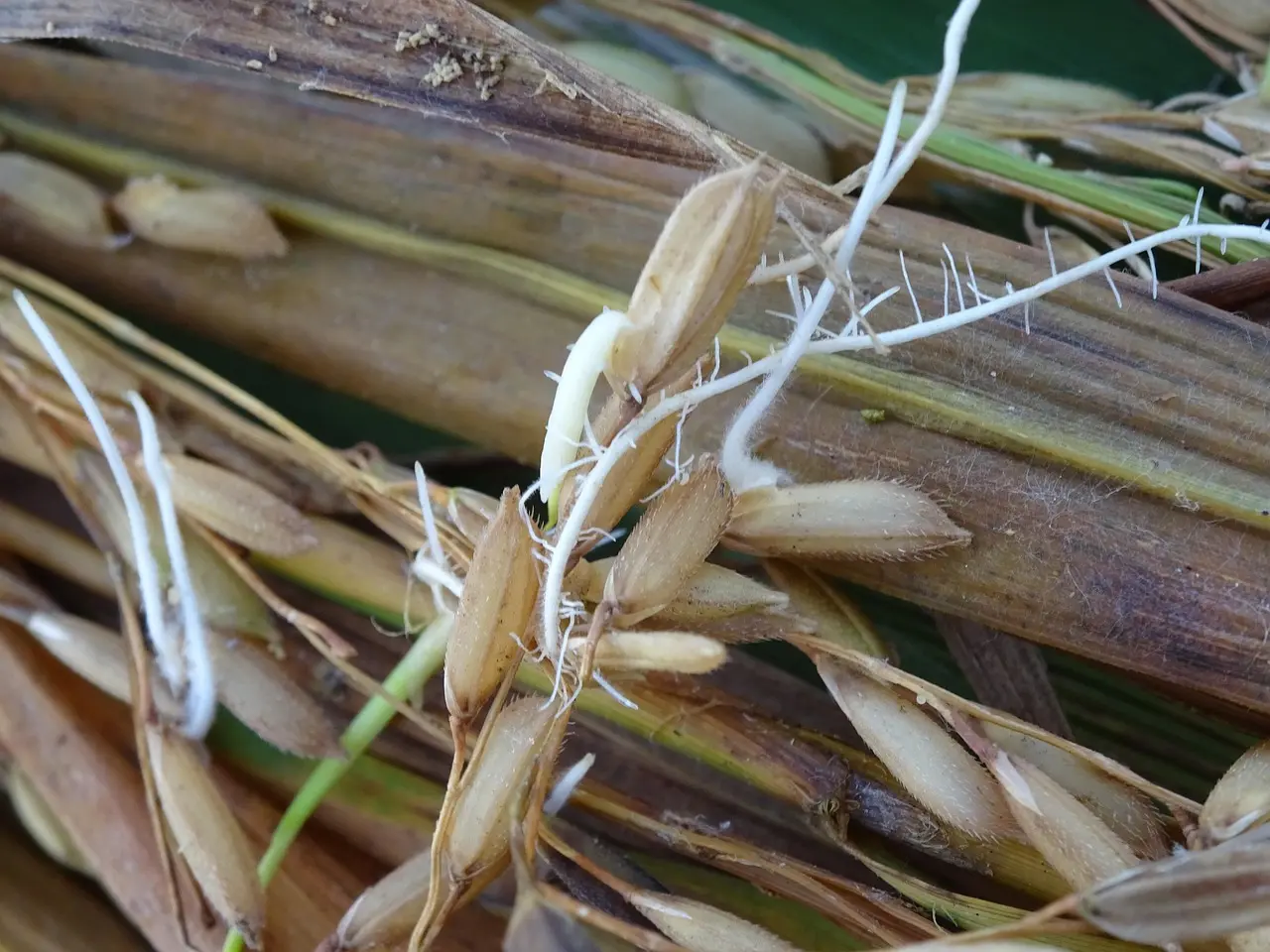
The radicle is the first visible sign of germination, and the root usually comes out first. It becomes the primary root, anchors the seedling, and starts absorbing water. In most species, the shoot follows after the root has begun working below the surface.
The radicle is the first sign of life
Once the seed coat splits, the radicle appears as a tiny white point or thread. It is often the clearest proof that germination has begun. If you can see that pale tip, the seed has moved past swelling and into active growth.
The radicle grows downward because gravity and moisture guide it. That matters. A seed that has only swollen has not yet committed to a seedling structure. A seed with a radicle has started building the plant.
Why root emergence usually beats shoot emergence
The root must establish water uptake before the shoot can expand. That is why the radicle usually appears before the hypocotyl and cotyledons. The seed puts energy into anchoring and hydration first, then into growth above soil.
Suppose a bean seed in moist potting mix shows a 3 mm white radicle after several days. That is healthy progress. If the seed remains swollen but no radicle appears, the problem is usually moisture, oxygen, temperature, or dormancy rather than a visible shoot issue.
What happens inside the seed before you see anything?
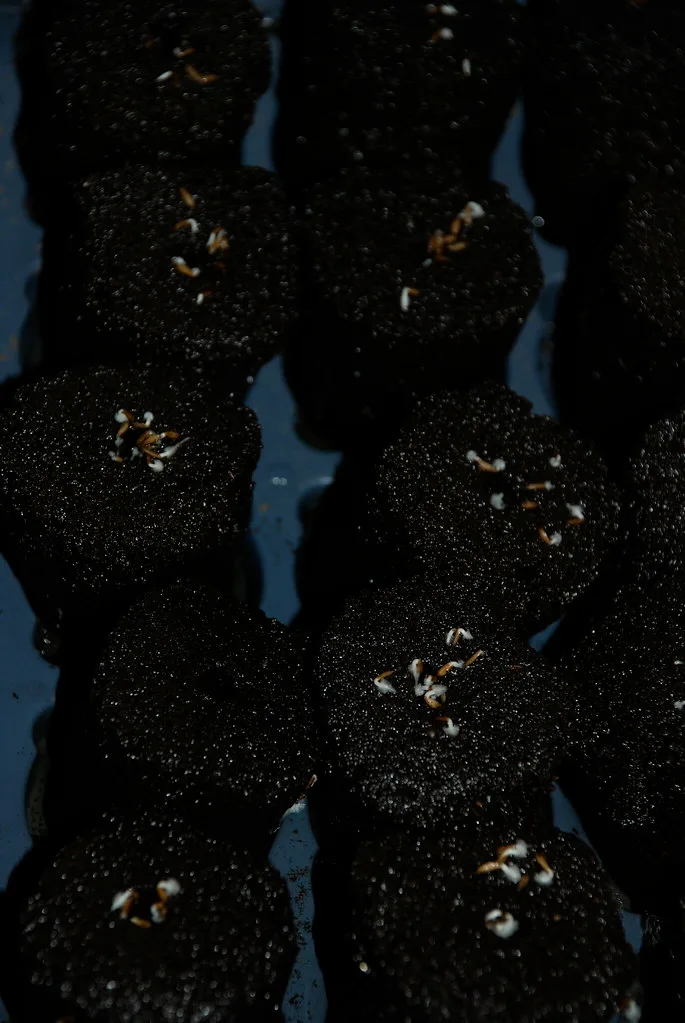
Inside the seed, the embryo activates, stored food is mobilized, and the seed coat begins to loosen. Endosperm or other stored reserves are used to support the first growth. None of this is obvious above soil, but each step is necessary before the radicle can emerge.
Seed coat protection and rupture
The testa keeps the embryo safe while conditions are wrong. When water enters, internal pressure rises and the coat softens. In many seeds, that leads to a visible split near the micropyle or another weak point in the coat.
Thick-coated seeds may take longer to split than thin-coated ones. That does not automatically mean failure. It often means the seed needs more time, warmer soil, scarification, or a species-specific cold period before sprouting begins.
Endosperm fuel use during early growth
Endosperm is nutritive tissue inside the seed. It supplies the energy for early development until the seedling can photosynthesize. During germination, those reserves are absorbed or used up to feed cell division and elongation.
Wikipedia describes seeds as containing an embryo and stored nutrients in a protective coat, and notes that they form after fertilization of the embryo sac by sperm from pollen. That structure explains why a seed can stay dormant, then start growing quickly once the right signals arrive.
How long does seed germination take?
Timing varies widely by species, seed coat thickness, temperature, moisture, and dormancy requirements. Some seeds show a radicle in a few days. Others may need several weeks, or a cold period first, before they respond. A useful way to think about germination is in visible stages, not one fixed clock.
The first 24 to 72 hours
In the earliest window, the main visible change is often swelling. The seed coat may soften, darken, or split. For fast seeds in warm, moist conditions, the radicle can appear within this period, but many common garden seeds need longer.
The key point is that swelling alone is not the finish line. If the seed looks swollen after a couple of days but no radicle appears, check the conditions before assuming it has failed.
Later emergence by seed type
True leaves may appear a week or more later, after the cotyledons have unfurled. That means the seedling can be germinated long before you see true leaves. Early stages may be quick in beans, slower in peppers, and much slower in species that need cold exposure first.
Some seeds need vernalization, a cold period that resets dormancy before sprouting. Others need cold stratification, a similar dormancy-breaking treatment. Those are species-specific requirements, not universal rules.
What should you see next after the radicle appears?
After the radicle, many species send up a hypocotyl, then cotyledons unfold. The hypocotyl is a rudimentary stem. It may lift the seed leaves above the soil surface. Cotyledons are not true leaves, but they do support the young seedling before true leaves appear.
Hypocotyl emergence
Garden Betty notes that a hypocotyl emerges after the primary root. In many species, this curved stem section pulls the cotyledons upward. It is often most visible in beans and other seedlings that pop out of the soil with the seed leaves attached.
Cotyledons are seed leaves, not true leaves
Garden Betty says cotyledons are temporary nutrient stores and not true leaves. They can be one cotyledon in monocots or two in dicots. Their job is to support early growth until the plant makes true leaves. (en.wikipedia.org)
When cotyledons rise above the soil, they often unfurl like small, simple leaves. That can make them look like the first leaves, but botanically they are not. True leaves appear later and usually have a different shape and texture.
Some cotyledons fail to shed the seed coat cleanly. That can leave a “seed hat” on the tip. Moisture often helps, but a tightly stuck coat can also point to low humidity during emergence or a seed that was planted too shallow and dried too fast.
Monocots and dicots at a glance
| Group | Typical cotyledon count | What you may notice early | Why it matters |
|---|---|---|---|
| Monocots | One | A single seed leaf or a grass-like first shoot | Early emergence can look narrow and blade-like |
| Dicots | Two | Two fleshy seed leaves opening above soil | The pair often looks like the seedling’s first visible pair, but they are not true leaves |
Why won’t my seeds germinate?
Seeds fail to germinate when one of the species-specific requirements is missing. The most common problems are too much or too little water, poor oxygen availability, wrong temperature, incorrect light exposure, or dormant seeds that still need cold treatment. A swollen seed with no radicle usually points to one of those issues.
Too little or too much water
Seeds need moisture to start swelling and activate the embryo, but waterlogged media can cut off oxygen. Too little water stops imbibition. Too much water can leave the seed sitting in low-oxygen conditions, which slows or stops growth and can lead to rot.
Not enough oxygen
Germinating seeds need oxygen for respiration. Dense, soggy, or compacted media can block airflow around the seed. That is one reason covered trays and overwatered pots sometimes show swelling with no emergence.
Temperature mismatch
Temperature affects whether germination starts. Some seeds need warmth, some need cool conditions, and the best range is species-specific rather than universal. Soil that is too cold can keep seeds dormant. Soil that is too hot can damage the embryo or dry the medium too quickly.
Light, darkness, cold stratification, and vernalization
Some seeds need light to germinate. Others need darkness. Some need weeks of cold exposure before they respond. Vernalization and cold stratification are not the same as simple moisture problems, so a stalled tray is not always a watering issue.
Picture lettuce seed on the surface of a tray in bright light. If that seed is buried too deeply, it may fail to respond. Now picture a perennial seed that needs cold treatment; warm indoor conditions may keep it asleep even when the mix stays perfectly moist.
Stage-by-stage visual checklist for healthy germination
This checklist helps you separate a healthy early sprout from a stalled seed. Use the visible stage first, then compare it with the condition inside the seed and the expected timing. That is more useful than counting days alone, because timing varies by species.
| What happens first | What you see above soil | What is happening inside the seed | Normal time window | Red flags for stalled germination |
|---|---|---|---|---|
| Water uptake and swelling | Seed looks larger, darker, or softer | Testa absorbs water; embryo activates | First 24 to 72 hours for many fast seeds | No swelling at all; seed remains hard and dry |
| Seed coat rupture | Coat splits, sometimes at one end | Internal pressure rises; coat softens and opens | Often soon after swelling in suitable conditions | Swollen seed with no split after several days |
| Radicle emergence | Tiny white root tip appears | Radicle becomes the primary root and starts water absorption | From a few days to 2 weeks or more, species-dependent | Root tip turns brown, stops growing, or collapses |
| Hypocotyl rise | Curved stem pushes upward in many species | Rudimentary stem elongates after the radicle | After root emergence | Stem pinches, bends sharply, or fails to lift the seed leaves |
| Cotyledon unfurling | Seed leaves open; sometimes a seed coat remains attached | Stored nutrients support the seedling; true leaves are still forming | Days to 1 to 3 weeks for true leaves | “Seed hat” persists, cotyledons bleach, or true leaves never appear |
- Check whether the seed has swollen.
- Look for a split in the seed coat.
- Confirm that a white radicle has emerged.
- Watch for a hypocotyl lifting the seed leaves.
- Compare timing with the species’ expected range.
- Adjust water, oxygen, temperature, light, or cold treatment only after you know which stage is stalled.
Frequently asked questions
What happens first when a seed germinates?
Water uptake happens first. The seed absorbs moisture, swells, and the seed coat softens before it splits. That initial change wakes the embryo and starts the internal shifts that lead to root emergence. A swollen seed is active, but it is generally not considered fully germinated until the radicle appears.
Does the root or shoot come out first?
The root usually comes out first during germination. The radicle is the first visible sign of germination, and it becomes the primary root. That order makes sense biologically because the seedling needs water uptake and anchoring before it can support shoot growth above the soil.
How long does seed germination take?
It depends on the species and conditions. Some fast seeds show a radicle in a few days. Others need 1 to 2 weeks or more, and some require cold exposure before they respond at all. The best way to judge progress is by stage, not by a single universal timeline.
What causes a seed to sprout?
A seed sprouts when water, oxygen, and the right temperature align for that species. Some seeds also need light, darkness, or a cold period before they will break dormancy. Once those cues are present, the embryo activates, stored food is used, and the radicle emerges.
What are cotyledons and are they the first leaves?
Cotyledons are seed leaves, not true leaves. They hold temporary nutrient stores and support the seedling after emergence. They may be one in monocots or two in dicots. True leaves appear later, often one to three weeks after germination, depending on the seed.
Why won’t my seeds germinate?
The most common reasons are moisture problems, low oxygen, the wrong temperature, or a missing dormancy cue such as light, darkness, or cold exposure. Start by checking whether the seed swelled. If it did but never produced a radicle, the issue is usually environmental or species-specific dormancy, not the absence of a shoot.
What temperature is best for seed germination?
There is no single best temperature for all seeds. Some need warmth, some need cool conditions, and some will not sprout until they have had prolonged cold exposure. The correct range is species-specific, so seed packet instructions or crop-specific guidance matter more than a general indoor target.