Best Medicinal Plants for a Teaching Garden: research shows
Build a teaching medicinal bed with a modest mix of species from several plant families, centered on roots, leaves, flowers, seeds, and bark, plus one or two toxic lookalikes for comparison. Bad choices leave visitors with folklore, vague wellness claims, and no grasp of plant ID or safe use. This guide gives a curator-friendly plant list, family logic, label points, and safety notes for public interpretation.
Quick comparison
| Product | Badge | Best for | Price | ||
|---|---|---|---|---|---|
 | 35 Medicinal & Tea Herb Seeds Variety Pack for Indoor &Organo Republic | Our pick | 35 non-GMO heirloom medicinal & tea herb seeds | $21.47 Price as of 8 Oct 2026 | View |
 | Peterson Field Guide To Medicinal Plants & Herbs Of EasternMariner | Also great | Field guide for identifying medicinal plants in North America | $16.03 Price as of 8 Oct 2026 | View |
 | ONCEMORE Galvanized Raised Garden Bed for VegetablesONCEMORE | Pair with it | Galvanized raised garden bed kit for herbs & vegetables | $25.49 Price as of 8 Oct 2026 | View |
 | BRIVADO Herb Drying Rack Hanging Mesh 4 Layer 18" withBRIVADO | Budget pick | 4-layer mesh drying rack for herbs & plants | $15.99 Price as of 8 Oct 2026 | View |
Chamomile is the best all-around pick for a teaching botanical garden because it is easy to explain, visually clear, familiar to visitors, and simple to label with safety context. Dandelion, jiaogulan, reishi, and lady fern each earn a place when the goal is family diversity, caution lessons, and broader plant-medicine interpretation.
How we chose
The selection matrix below uses four factors: educational value, public-safety risk, maintenance level, and signage clarity. That mix matters more than “medicinal” reputation alone.
Botanical names come first on labels, followed by common names and a restrained use statement. Claims stay conservative, with a plain consult-your-doctor note for visitors.
Climate fit and institutional policy come before novelty. A plant that needs constant supervision or a narrow hardiness window belongs in a different bed from a plant that can anchor routine visitor interpretation.

Chamomile: best for beginner teaching beds
- Diverse seed variety for teaching plant families and sensory exploration
- Non-GMO heirloom seeds for reliable, traditional plant characteristics
- Supports year-round indoor and outdoor growing for hands-on learning
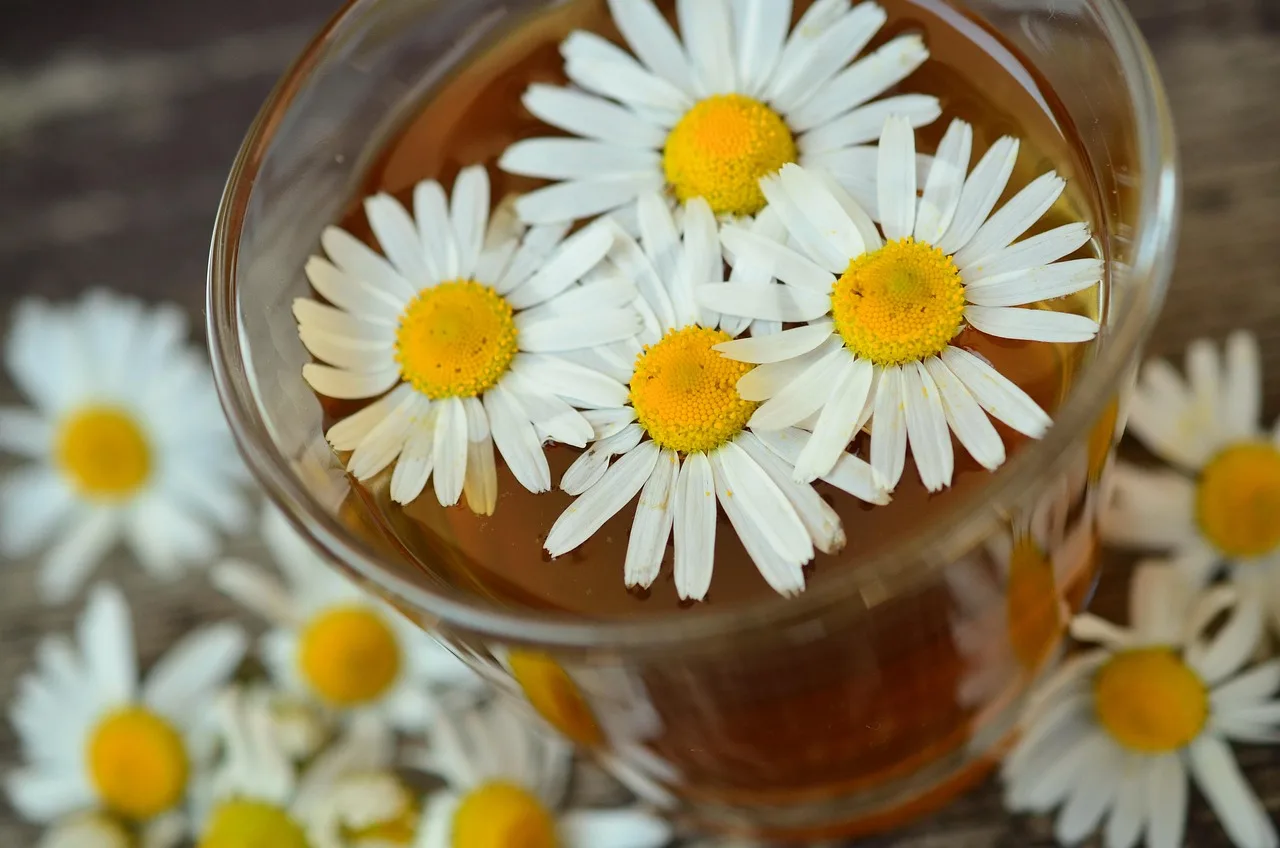
Chamomile, listed as Matricaria recutita, is the strongest first choice for a teaching bed. It has white and yellow flowers, a fresh aroma, and immediate name recognition, which helps volunteers move quickly from “pretty herb” to plant-family ID and safety language.
This plant teaches several layers at once. I have seen it used in soaps, teas, and drinks for years, and it is often discussed in relation to insomnia, but the lesson for a public garden is not self-treatment; it is how a familiar medicinal plant crosses food, scent, and wellness categories.
The drawback is its safety boundary. The label should note that chamomile may cause skin allergy or eye irritation, especially in sensitive visitors or staff handling fresh plant material.
Dandelion: best for family ID and food medicine
- Covers a wide range of medicinal plants for educational reference
- Field guide format supports outdoor identification and teaching
- Third edition ensures updated and reliable information
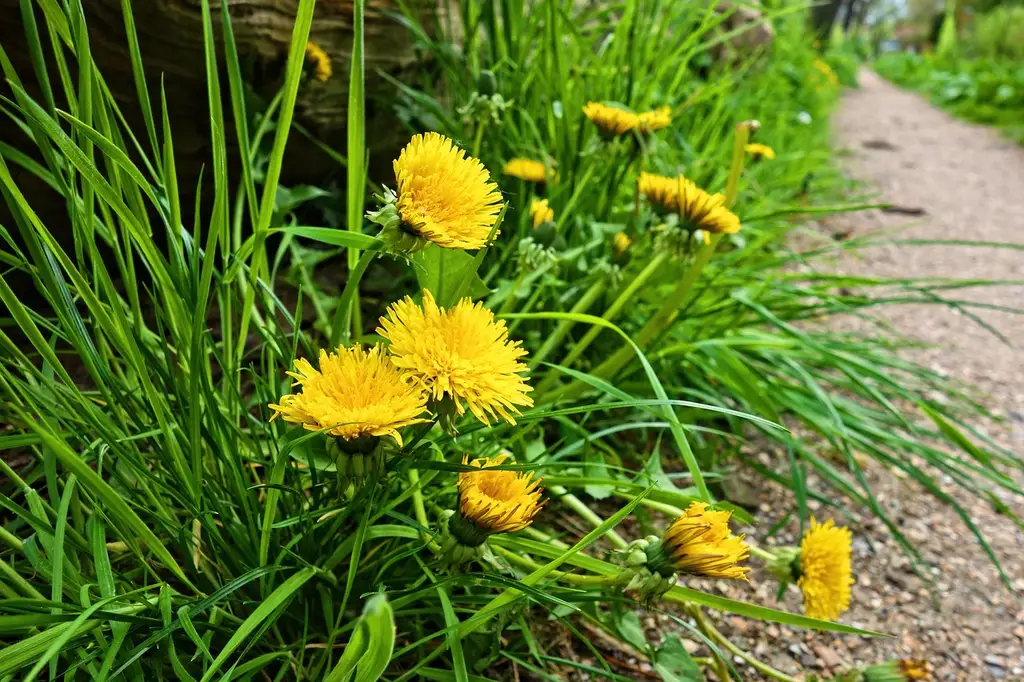
Dandelion, listed under the botanical name Taraxacum, belongs to the daisy family. It is easily available in most parts of the world, which makes it ideal for teaching how a “weed” can also be a food plant, a medicinal plant, and a familiar seasonal marker.
For interpretation, dandelion is useful because it connects survival-food history to plant structure. It is described as containing high levels of protein and a variety of vitamins and minerals, so visitors can compare nutritional framing with traditional herbal use without turning the bed into a diet claim.
The main caution is allergy. Dandelion can be a poor fit for visitors sensitive to daisy-family pollen, so it works best where labels make that family relationship plain.
Jiaogulan: best for tradition and caution lessons
Jiaogulan, listed as Gynostemma pentaphyllum, is often called the herb of immortality. Common names include five-leaf ginseng and southern ginseng, and those names alone make it a good lesson in how folk reputation and marketing can outrun careful evidence.
It is especially useful when teaching visitors how claims travel. One of the most repeated talking points is a rare compound claim, but a curator should frame that as a claim to discuss, not a promise to display as fact on a public label.
This plant also gives staff a clean way to discuss caution categories: clotting, blood sugar, and pregnancy. Those are exactly the kinds of boundaries that belong in a teaching garden, because they show why “medicinal” never means “safe for everyone.”
Reishi mushroom: best for showing fungi as medicine
Reishi mushroom is listed as Ganoderma lucidum. It belongs in a teaching collection because it is not a herb at all; it is a fungus, which helps visitors separate medicinal plants from medicinal organisms and think more clearly about form, ecology, and use.
Its traditional nickname is often discussed as the mushroom of immortality, and its benefit claims commonly center on boosting the immune system. Those claims are useful for interpretation, but they should be presented as traditional and commercial claims, not as a garden endorsement.
The caution frame for fungi needs to be stricter than for many herbs. A public garden should treat reishi as a display-and-discussion specimen unless institutional policy explicitly allows more direct educational use, because mushroom safety, ID, and storage concerns differ from leafy beds.
Lady fern: best for nonflowering plant interpretation
Lady fern, botanical name Athyrium filix-femina, is a fern, not a flowering herb. That makes it valuable in a medicinal-plant collection because visitors can see that “medicinal” includes nonflowering plants with very different anatomy and life cycles.
It works well as an illustrative teaching example. Ferns let educators explain spores, fronds, shade tolerance, and the way traditional plant use often spans major plant groups rather than just kitchen herbs.
Its drawback is interpretive, not dramatic: many visitors arrive expecting obvious flowers or fragrance. That makes signage and staff narration essential, because a fern can look ordinary until someone explains why it belongs in the collection.
What are the best medicinal plants for a teaching botanical garden?
The best teaching plants are the ones that explain plant families, growth forms, and safety boundaries in a way visitors can remember. Chamomile is the best all-around anchor, dandelion is strong for family ID and food-medicine overlap, jiaogulan is useful for tradition and caution, reishi teaches fungi, and lady fern broadens the collection beyond flowering herbs.
For a public garden, “best” also means legible. A visitor should be able to see the part used, understand the family connection, and leave with a better sense of why plant medicine is a cultural and botanical subject, not a shortcut to treatment.
Plant family diversity matters
A mixed collection should include herb, fungus, and fern examples. That spread helps staff show that medicinal use is tied to form and ecology, not just leaf tea culture, and it gives visitors a more accurate picture of how people have worked with plants and fungi across traditions.
Sensory cues help memory. Chamomile’s scent, dandelion’s familiar flower, reishi’s shelf-like form, and fern fronds each create a different teaching hook. Display plants work best when they are easy to recognize, while harvest plants need stricter rules and more supervision.
Curator’s selection matrix and bed map
The matrix below is designed for a teaching garden, not a retail herb list. High educational value and clear signage matter more than hype, and high-risk species should move toward caution zones or display-only beds.
| Plant | Educational value | Public-safety risk | Maintenance level | Signage clarity | Best use case |
|---|---|---|---|---|---|
| Chamomile | High | Moderate | Low | High | Beginner teaching bed |
| Dandelion | High | Low to moderate | Low | High | Food-medicine and family ID bed |
| Jiaogulan | High | Moderate to high | Moderate | Moderate | Caution and tradition bed |
| Reishi | High | Moderate | Moderate to high | Moderate | Fungi interpretation display |
| Lady fern | Moderate to high | Low | Low to moderate | Moderate | Nonflowering plant interpretation |
Recommended bed groups are simple. Put chamomile and dandelion in a low-risk teaching bed, keep jiaogulan and reishi in a caution or staff-monitored area, and use lady fern to bridge medicinal interpretation with habitat and plant-form education.
Label hierarchy should be consistent across the site: botanical name first, common names second, part used third, and a short cultural or historical note after that. Any mention of use should stay conservative and should include a consult-your-doctor disclaimer where visitors might mistake interpretation for medical advice.
Which medicinal plants are easiest to grow for beginners?
Chamomile and dandelion are the easiest beginner teaching plants for most public gardens. They are straightforward to explain, quick to recognize, and forgiving enough to support regular visitor turnover, provided the garden has a plan for hygiene, self-seeding, and routine bed maintenance.
Beginner-friendly does not mean harvest-friendly. In a public setting, the easiest plants are often the ones that tolerate observation and gentle maintenance without inviting unsupervised use, which is exactly what a teaching collection should encourage.
Use climate and maintenance as filters
Climate should remove poor fits before design does. A plant that struggles in your heat, frost, humidity, or shade pattern will become a maintenance burden, and a high-maintenance bed quickly pushes staff toward shortcuts that weaken interpretation.
Choose plants that fit your existing bed conditions, irrigation schedule, and volunteer capacity. If a species needs constant clipping, staking, or disease monitoring, it belongs in a smaller supervised plot rather than the main visitor route.
Which medicinal herbs are safe to display in a public garden?
The safest display plants are usually the ones with clear labels, low handling risk, and low temptation for self-harvest. Chamomile and dandelion fit that pattern best when staff keep the signage clear, while lady fern is useful as a nonflowering contrast that rarely invites mistaken self-use.
“Safe to display” still requires boundaries. Public gardens should separate display-only beds from supervised teaching plots, especially when a plant has allergy issues, clotting concerns, or strong traditional use claims that visitors may misread as instructions.
What public labels should say
Good labels name the botanical name, the common names, the plant part used, and one conservative statement about traditional use. They should avoid dosage, treatment promises, and casual phrases that make a plant sound like a cure-all.
If a plant has meaningful cautions, say so plainly. Pregnancy, breastfeeding, surgery, clotting, blood sugar, and allergy notes belong on the label when relevant, because safety language is part of visitor education.
Which medicinal plants have the clearest teaching value for visitors?
Chamomile, dandelion, reishi, and lady fern have the clearest teaching value because each one teaches a different idea quickly. Chamomile covers aroma and flower ID, dandelion covers family recognition and edible use, reishi covers fungi, and lady fern covers nonflowering plant structure.
Jiaogulan adds a different lesson: not every well-known medicinal plant should be framed as a routine remedy. It is useful precisely because it lets educators talk about reputation, caution, and the gap between tradition and evidence.
Why display-only species matter
Some of the best teaching plants are poor harvest plants. A display-only species can still teach parts used, cultural history, and identification without creating pressure to encourage use beyond what the institution allows.
That distinction matters in public gardens. Visitors often assume a medicinal collection is an invitation to pick, dry, or brew, so the garden has to make its policy visible rather than implied.
Which plants can be used to explain herbal traditions and plant medicine?
Jiaogulan, chamomile, and dandelion are strong plants for explaining herbal traditions and plant medicine because they sit at the intersection of food, cosmetics, beverages, and wellness talk. Reishi adds a fungal tradition, while lady fern broadens the story beyond herbs alone.
That is the right way to frame plant medicine in a teaching garden. The point is not to sell a cure story; it is to show how communities have used plants and fungi for food, fragrance, household care, and health-related practices across time.
How to talk about plant medicine without overstating it
Use phrases like “traditionally used,” “often discussed for,” and “commonly associated with” rather than strong treatment claims. Then follow with the caution statement, because visitors need to hear that traditional use, commercial use, and clinical proof are not the same thing.
That balance keeps interpretation honest. It also protects staff, volunteers, and the institution from drifting into medical advice language on a public path.
How do I choose medicinal plants that fit my climate and garden beds?
Start with the bed, not the plant list. Sun, shade, drainage, irrigation, foot traffic, and volunteer bandwidth should decide whether a species belongs in the main route, a side plot, or a supervised area with tighter access.
Then match plants to the bed’s purpose. Low-risk beds should favor familiar, durable species like chamomile and dandelion, while caution-zone beds can hold plants such as jiaogulan or reishi where staff can control the interpretive frame.
Climatic and policy checks
- Confirm hardiness, moisture, and light needs for the site.
- Separate display-only plants from harvestable teaching crops.
- Check institutional policy on public picking, drying, and tasting.
- Prepare a label template with botanical name, common names, and cautions.
- Place higher-risk species where staff can supervise closely.
Which medicinal plants are good for signage and interpretation in a botanical garden?
Chamomile, dandelion, and reishi are especially good for signage because their stories are easy to separate into plant part, form, use, and caution. Lady fern also works well because it gives educators a chance to explain why a medicinal collection should include nonflowering plants.
Signage works best when it answers the visitor’s next question. Why is this here? What part is used? What family is it in? What should I not assume from this label?
Are there any medicinal plants that should be used with caution in a teaching garden?
Yes. Jiaogulan and reishi need caution framing, and chamomile needs allergy language. Any medicinal collection should also treat pregnancy, blood sugar, clotting, surgery, and sensitivity issues as standard label territory, not as fine print for staff only.
Caution does not mean exclusion. It means the plant belongs in a controlled interpretive role, with supervision rules, conservative use language, and a clear line between education and personal use.
How to set boundaries for visitors
Make the rules visible. If a plant is display-only, say so. If staff may harvest for demonstrations, say that too. The strongest teaching gardens are honest about what the institution permits and what it does not.
Which one should you buy?
For beginner staff and volunteers, the best single choice is chamomile because it is easy to label, easy to explain, and easy for visitors to remember. For a low-risk public bed, dandelion is the strongest companion because it teaches family ID and food medicine without demanding much from the site.
For teaching traditional plant medicine, choose jiaogulan if you want a caution-rich story, or reishi if you want fungi in the collection. For a mixed collection with fungi and ferns, the better move is not a single purchase but a small interpretation set that includes chamomile, dandelion, reishi, and lady fern, with institutional boundaries written in advance.
Frequently asked questions
What are the best medicinal plants for a teaching botanical garden?
The best teaching plants are chamomile, dandelion, jiaogulan, reishi, and lady fern because they cover familiar flowers, edible weeds, traditional reputation, fungi, and nonflowering plant forms. A good collection teaches plant families, plant parts, and caution language, not just use claims.
Which medicinal plants are easiest to grow for beginners?
Chamomile and dandelion are usually the easiest beginner choices because they are straightforward to explain and forgiving in a public bed. For a teaching garden, ease should also include how well the plant handles routine maintenance, signage, and visitor traffic.
Which medicinal herbs are safe to display in a public garden?
Chamomile, dandelion, and lady fern are generally easier to display because they support clear interpretation without pushing the garden toward unsupervised use. Even so, labels should still note family relationships and relevant cautions, especially allergies and the difference between display and harvest.
What medicinal plants have the clearest teaching value for visitors?
Chamomile has the clearest all-around teaching value because visitors recognize it quickly, smell it instantly, and can link it to a family and a use story. Dandelion and reishi are also strong because they teach food medicine and fungi, which many visitors do not expect.
Which plants can be used to explain herbal traditions and plant medicine?
Jiaogulan, chamomile, and dandelion work well for herbal traditions because they sit between food, cosmetics, and wellness culture. Reishi adds a fungal tradition, while lady fern helps visitors see that plant medicine is broader than kitchen herbs.
How do I choose medicinal plants that fit my climate and garden beds?
Start with site conditions, not with a wish list. Match each plant to sun, moisture, drainage, and maintenance capacity, then separate display-only beds from supervised teaching plots so the collection stays realistic for staff and safe for the public.