Are Botanical Gardens Worth Visiting in the Off-Season?
Yes, botanical gardens can be worth visiting in the off-season if they have strong structure, indoor collections, or seasonal programming. If they are bloom-only and outdoors-only, skip the trip or keep it short. Going at the wrong time can mean paying full price for a half-empty visit with little color and little payoff. This guide helps you judge a garden before you go, see which off-season features matter, and decide when a quick stop is enough.
What to look for when plants are dormant
The answer depends on what carries the garden when flowers are sparse. A temperate garden built around spring bloom can feel thin in late fall or winter, while a desert garden, conservatory, or mixed collection may still offer strong form, labels, foliage, bark, and indoor color.
Think in terms of what you are actually paying to see. If the visit depends on one short bloom window, the value drops fast outside that window. If the garden has evergreen structure, habitat design, indoor rooms, or a rotating event calendar, the off-season can still justify the trip.
When flowers are the main draw
Some gardens are best only near peak bloom. In those places, the display changes by week, and the main appeal is mass flowering, color density, and planting scale. If the site is outdoors only and the brochure reads like a bloom calendar, off-season visitors may get a quiet walk and little else.
When structure and indoor collections carry the visit
Other gardens stay interesting because the plant palette is broader than flowers alone. Evergreen lines, sculptural succulents, winter bark, seed heads, and conservatories keep the visit from collapsing when bloom ends. Those gardens are often better bets in cooler months, shoulder season, or hot weather when indoor spaces matter.
When to skip the trip
Skip or shorten the visit if the garden has no greenhouse, no indoor collection, no scheduled event, and no strong winter or summer structure. That is especially true if you need to travel far, pay a high ticket price, and hope for one brief flowering stage that may already be finished.
Off-season worth it checklist

Use this checklist to decide fast. A yes answer on the first four rows usually means go; a cluster of no answers suggests waiting for peak season or choosing a shorter visit. The final recommendation should reflect the whole score, not a single feature.
| Check | Yes means | No means |
|---|---|---|
| Bloom dependency | The garden still has visible structure, foliage, bark, or seed interest without peak flowers. | The visit depends on one short bloom window. |
| Evergreen structure | Paths, hedges, conifers, topiary, or woody forms still hold the layout together. | The garden looks empty once flowers fade. |
| Indoor collection access | Conservatories, greenhouses, tropical rooms, or butterfly houses stay open. | All major displays are outside. |
| Seasonal event calendar | There is a flower show, rotating exhibit, or limited-time program. | No special programming is listed. |
| Shade or microclimate | Tree cover, water features, ramadas, or sheltered courtyards improve comfort. | The site is exposed to wind, heat, or cold. |
| Path comfort | Wide, even, wheelchair-friendly paths make the visit easy. | Paths are narrow, muddy, steep, or rough. |
| Crowd level | Off-season timing usually means shorter lines and easier viewing. | Tickets or timed entry still sell out. |
| Ticket cost | The price feels fair for a shorter, quieter visit. | The price is high for a thin display. |
| Travel distance | The garden is nearby enough to justify a shorter stop. | You would travel far for one seasonal gamble. |
| Weather risk | Rain, heat, cold, or humidity still leave enough indoor or sheltered viewing. | The weather will likely flatten the whole visit. |
Scoring key: 7-10 yes answers = go. 4-6 yes answers = go if nearby. 0-3 yes answers = wait for peak season.
A common first-timer mistake is expecting late fall to look like spring. Picture a 12-acre garden with a famous tulip display: by November, the border beds may look trimmed and quiet, but the same site could still be worth a quick visit if the glasshouse, labels, and winter structure are strong.

What do botanical gardens look like when flowers aren’t blooming?
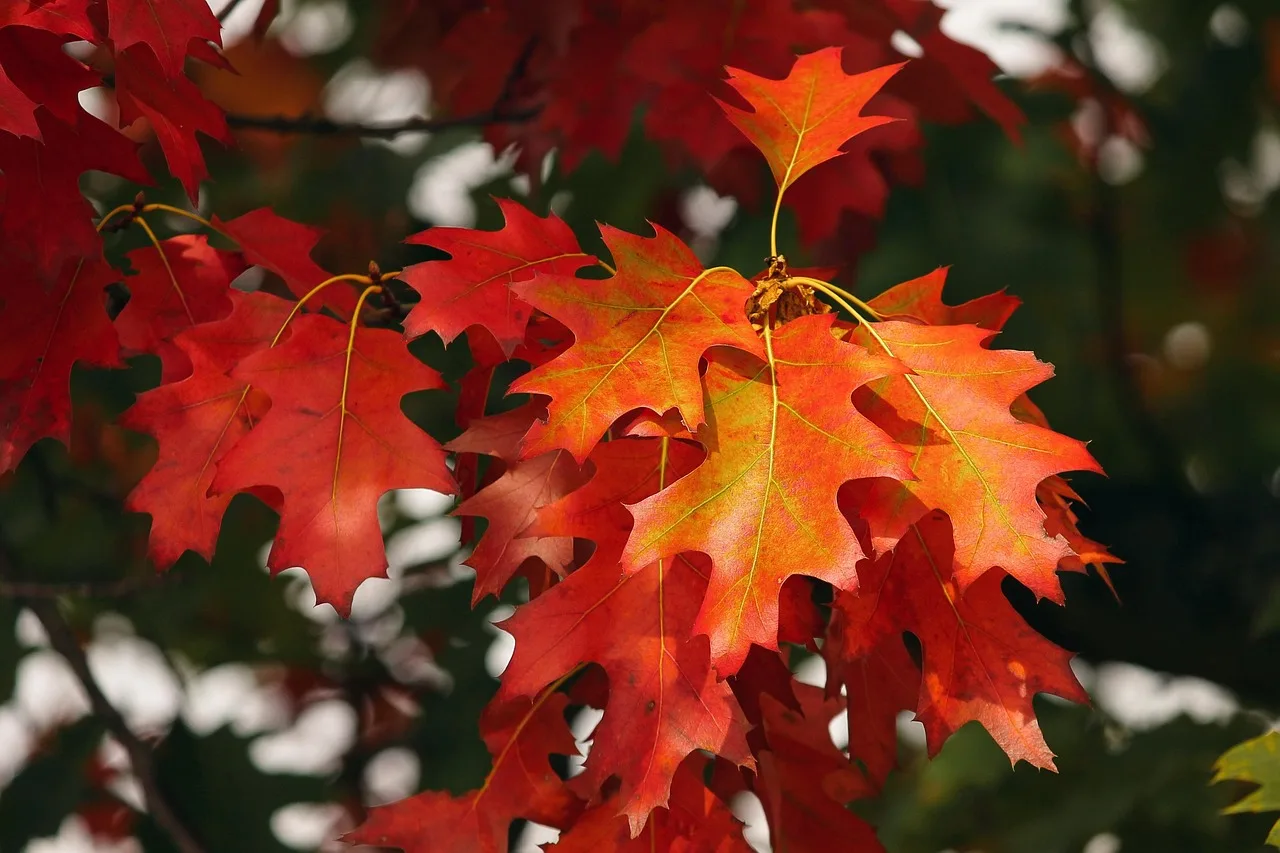
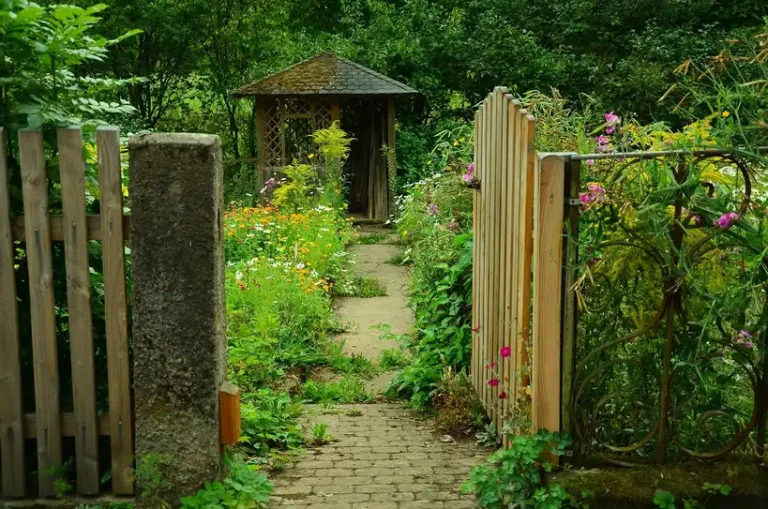
When flowers are sparse, the best gardens shift attention to form, texture, and design. You should look for evergreen structure, foliage color, bark, seed heads, labeled collections, and the way paths, walls, and water features frame the plants. That is where off-season value usually lives.
Evergreen structure and seasonal plant collections
Seasonal collections do not disappear in the off-season, but their timing changes. Spring brings bulbs and fresh growth, summer often favors full canopies and tropical beds, autumn can add seedheads and leaf color, and winter can highlight shape, line, and evergreen mass. The best gardens plan for all four seasons, even if each one looks different.
Savill Garden is described as having something for every season, and it includes a winter garden. That kind of design matters because the plantings are not dependent on one brief bloom cycle.
Bark, seed heads, foliage, and form
When flowers fade, the eye moves to bark texture, berry color, dried seed heads, and leaf shape. Grasses, conifers, bamboo, magnolias, hollies, and carefully pruned shrubs can hold a garden together long after peak bloom. In many cases, labels matter more too, because the visitor is reading the collection rather than chasing color.
Desert-adapted displays and conservatory plants
Desert gardens often age well outside bloom season because cacti, agaves, aloe, and other succulent forms look strong even when flowers are rare. Tucson Botanical Gardens have a 5.5-acre site, and the Cox Butterfly and Orchid Pavilion runs from roughly October through May each year. That mix gives off-season visitors both outdoor structure and indoor living color.
Houston Botanic Garden has a different kind of off-season value because it is open daily from 9 a.m. to 5 p.m. and offers free on-site parking for daytime visits. In a garden like that, the practical ease can make a quieter season feel more worthwhile.
Which parts of a botanical garden are best in the off-season?
The best off-season areas are usually the ones that keep working without flowers. Conservatories, greenhouses, cactus gardens, winter gardens, and shaded courtyards tend to stay useful when outdoor borders are bare or weather is harsh. If a garden has those spaces, the visit can still feel complete.
Indoor collections and pavilions
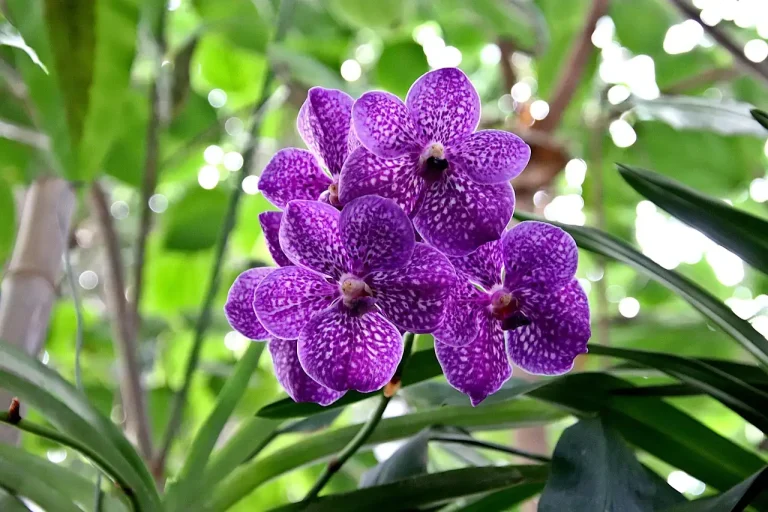
Conservatories and greenhouses are the most reliable off-season draw because they are weather-proof viewing spaces. They often hold tropical plants, orchids, ferns, citrus, or other living collections that stay active all year. On a cold, windy, or wet day, these rooms can be the difference between a short walk and a full visit.
Butterfly pavilions deserve special attention. They often run on a seasonal schedule, and the best viewing is usually in the morning, before crowds build and before indoor humidity and temperature feel most compressed. Inside, the air can feel very different from outside, so clothing that works outdoors may feel too warm indoors.
Shade structures and microclimates
Ramadas, tree cover, and water features can make an off-season visit much better. Shade can soften summer heat, while sheltered planting beds and still water can hold warmth on a cool day. Microclimates matter because one corner of the garden may feel pleasant while another feels exposed and uncomfortable.
Spring, summer, autumn, and winter interest
Not every season has the same payoff. Spring usually brings the biggest bloom payoff. Summer can be strong in tropical houses and shaded collections. Autumn often rewards visitors with foliage and seed structure. Winter is best where the garden is built for it, especially when evergreen structure and indoor rooms are part of the plan.
Can weather still make it worthwhile?
Yes, but weather changes the value of the visit. Cool, bright weather can be ideal in a conservatory-led garden, while wind, rain, heat, or high humidity can quickly shorten the outdoor portion. The same site that feels dull in one month may feel comfortable in another because of shade, shelter, and route design.
Winter cold, summer heat, and humidity
Winter is not automatically a bad time to visit a botanical garden. It is a bad time only when the site depends on outdoor blooms and offers little shelter. In contrast, a greenhouse-heavy garden can be better in winter because the indoor collection stays active and the outdoor crowds often thin out.
Summer is the reverse problem in some places. Heat can flatten a long walk, especially if the paths are exposed and the garden has few shaded breaks. In that setting, a morning visit or a garden with strong tree cover can matter more than the plant list.
Path comfort and accessibility
Accessibility is not a side issue in the off-season. Path width, surface quality, slope, and drainage all matter more when weather is poor or crowds are thin enough that you notice every detour. Wheelchair-friendly routes and stroller access can vary by garden, and some historic sites have narrow or uneven paths that become harder after rain.
Suppose a garden has a beautiful winter room but the route there includes loose gravel and a steep grade. That can turn a short outing into a frustrating one, especially if the indoor space is the only reason to go. A smaller, flatter route may be the better choice even if the plant list is less dramatic.
How can I tell if a botanical garden is worth it before I go?
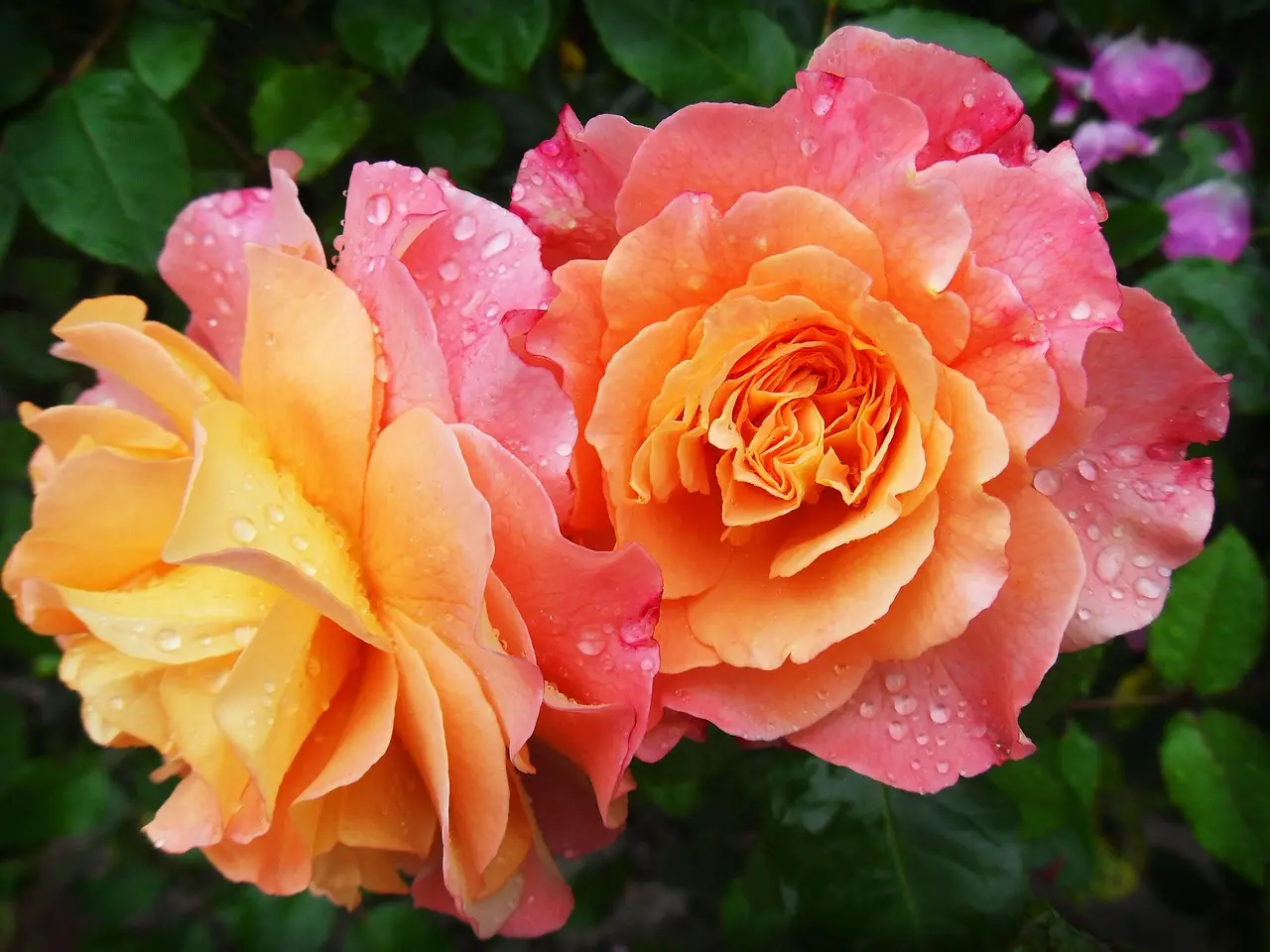
Check the garden type, the hours, the booking policy, and the seasonal calendar before you buy a ticket. A strong off-season visit usually has at least one of these: a greenhouse, a winter garden, a desert collection, a flower show, or a clearly described seasonal exhibit. If none of those are listed, be cautious.
Read the seasonal page first. Look for bloom timing, special exhibits, and any note about what is at its best right now. If the site only advertises spring color, treat off-season travel as low-value unless another feature is listed.
Check opening hours and booking. Hours vary by institution and season, and some gardens use timed or prebooked entry. The Lost Gardens of Heligan are open daily from 10am to 6pm, and Heligan advises pre-booking online, so a same-day decision may not be the right one.
Look for indoor backup. Conservatories, greenhouses, butterfly pavilions, or tropical rooms can rescue a winter or rainy-day visit. If the indoor space is open and substantial, the trip is more likely to be worth the time.
Compare price against payoff. Shorter, quieter visits can still be good value, but only if the ticket reflects what is actually open. Houston Botanic Garden field trip pricing starts at $5 per student/chaperone for self-guided visits, guided tours cost $8 per student/chaperone, and hands-on classes cost $20-$35 per student, which shows how programs can change the value of a visit.
Check travel and weather risk. If the garden is far away and the forecast is poor, the trip should have a strong indoor or event-based reason. If it is nearby, a quick stop may still make sense even when the bloom calendar is weak.
Seasonal programming and special exhibitions
Seasonal programming can turn an average off-season into a good one. Flower shows, rotating displays, and limited-time exhibits can add enough novelty to justify the trip even when the main beds are quiet. That matters most in gardens that rely on display rotation rather than constant outdoor bloom.
Witley Court fountain fires every day from April to the end of October, which is a reminder that seasonal features can define the value of a visit. When the timing is right, a single programmed event may carry the whole outing.
Crowds, cost, and travel distance
Off-season visits are often less crowded, which helps with viewing and photos. That benefit does not erase cost, though. If you are paying a full admission price and driving a long distance, the garden should offer more than empty beds and a quick loop.
Distance changes the recommendation. A nearby garden can be worth a short stop even in a thin season. A destination garden needs stronger reasons, especially if the site is outdoors only and the forecast looks bad.
A practical rule works well: go when the garden has structure, indoor collections, or programming; go if nearby when the value is mixed; wait for peak season when the garden is bloom-driven and outdoors-only. That rule keeps disappointment low and makes the choice easier before you leave home.
Frequently asked questions
Are botanical gardens worth visiting in the off-season?
Yes, if the garden still has something to carry the visit: evergreen structure, indoor collections, seasonal exhibits, or strong design. If the main draw is a brief flower peak and everything else is outdoors only, the off-season visit may feel thin and not worth the full trip.
Is winter a bad time to visit a botanical garden?
Not always. Winter is a poor choice for bloom-only gardens, but it can be a good time for conservatories, winter gardens, and cactus or succulent collections. If the site has indoor rooms and sheltered paths, winter can be one of the easiest times to visit.
Do botanical gardens still have anything to see in the off-season?
Yes. Look for tropical houses, butterfly pavilions, winter interest planting, bark texture, evergreens, water features, and rotating exhibits. Some gardens also use the quieter season for special programming, which can add value even when outdoor flowers are limited.