How to Identify Mystery Plants in a Botanical Garden
Identify a mystery plant in a botanical garden by checking at least 3 clues, such as leaf shape, leaf arrangement, flowers or fruit, tag text, and nearby family grouping; if two clues conflict, keep the ID tentative. Bad ID habits waste time and can send you home with the wrong name or false confidence that spreads through photo apps and notes. This guide gives you a field-ready method for reading visible clues, using collection context, and checking labels without leaning on one photo.
Why botanical gardens change plant ID


Botanical gardens make plant ID easier and harder at once. Easier, because plants are often grouped by family, genus, or collection bed. Harder, because cultivated varieties, hybrids, pruned specimens, and mislabeled accessions can blur the usual wild-plant cues.
Start with the plant’s setting before you zoom in on a leaf. A labeled bed, a numbered accession tag, or a mixed planting narrows the search faster than a single close-up. A volunteer seedling beside a curated specimen can also look convincing if you ignore the bed context.
What you’ll need
- A camera or phone with a clean lens
- A note app or paper notebook
- A small ruler or any common object for scale
- Room to take one sharp close-up and one wider shot
- Time to check nearby labels, bed signs, and accession tags
Plant ID checklist
| Feature to observe | Why it matters | What to do next |
|---|---|---|
| Leaf shape | Simple vs. compound leaves can separate whole groups quickly. | Note whether each leaf is one blade or many leaflets, then photograph both sides if possible. |
| Leaf edge | Margins may be smooth, toothed, lobed, or serrated. | Trace the edge with your eye and record the pattern, not just the color. |
| Leaf length and width | Size helps rule out similar species with different proportions. | Estimate in centimeters or inches and include a scale object in the photo. |
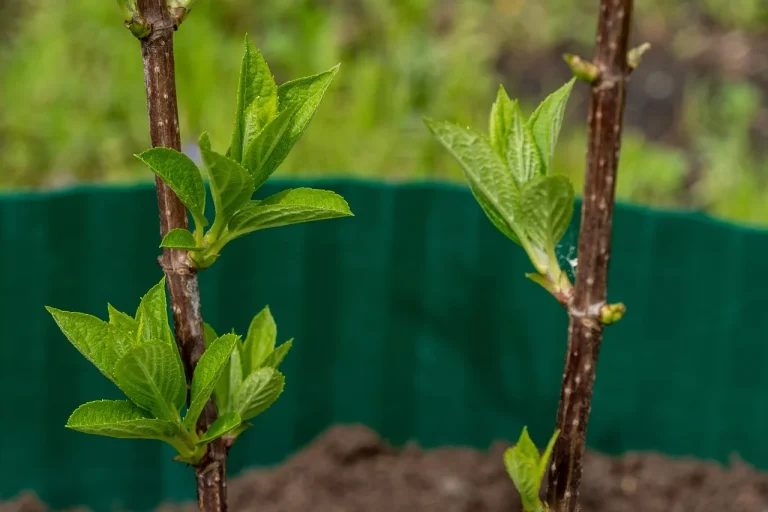
| Leaf arrangement on the stem | Opposite, alternate, and whorled arrangements are often decisive. | Check two or three nodes before guessing the family. |
| Stem texture | Hairs, wax, ridges, and prickles are useful when flowers are absent. | Turn the stem if safe and note color, thickness, and surface feel. |
| Bark | Tree and shrub bark can separate similar woody plants. | Look for mottling, peeling, furrows, lenticels, or thorns. |
| Flower structure | Petal count, symmetry, color pattern, and inflorescence type narrow IDs fast. | Photograph the whole cluster and one blossom close-up. |
| Fruit or seed structure | Berries, capsules, cones, nuts, and pods often confirm a group. | Note ripeness stage, color, size, and whether the fruit is dry or fleshy. |
| Plant habit | Tree, shrub, vine, perennial, or annual gives an early frame. | Estimate height, spread, and whether the plant is upright, spreading, or trailing. |
| Bed context | Collection labels and nearby relatives can support or challenge a guess. | Check accession tags, family groupings, and whether the plant sits in a curated bed or mixed planting. |
| Location and habitat | Country or broad region and habitat narrow the shortlist. | Record the exact spot and whether the setting is garden, woodland, field, freshwater edge, or coast. |
| Seasonal stage | Flowering, fruiting, sterile, or pruned plants need different clues. | Note the stage before you compare it with guides or apps. |
| Label clues | Tag text may name the genus, species, cultivar, or accession number. | Copy the label exactly, then compare it with the plant’s visible traits. |
What details should I note before asking someone to identify a mystery plant?
Write down the plant’s habit, leaf arrangement, flower or fruit stage, and the exact garden setting before you ask for help. Add a size estimate, a scale reference, and any tag text. Those details often matter more than a single image because they anchor the plant to a real collection and season.
Take one sharp close-up and one wider shot. Make the main subject fill most of the frame. Avoid blur, glare, deep shadows, and filters that flatten texture or hide leaf edges.
Photo and note priorities
- One clear photo of the main subject
- A second angle if flowers, fruit, or leaf attachment are hidden
- Country or broad region
- Approximate size, such as knee-high, chest-high, or taller than a person
- A common object for scale, such as a coin, glove, or bench rail
- Where it was found: bed, border, conservatory, woodland edge, or mixed planting
- Start with the habit. Decide whether the plant is a tree, shrub, vine, perennial, or annual. Then estimate height and spread, and note whether it stands upright, spreads outward, or trails.
- Check leaves first. Record simple or compound, edge type, length, width, and how the leaves attach and arrange on the stem. This is often the best clue when the plant is sterile.
- Use flowers when present. Count petals when visible, note symmetry, color pattern, and whether the flowers sit alone or in clusters, spikes, heads, umbels, or panicles.
- Inspect fruit or seeds. Note whether the plant has a berry, capsule, cone, nut, or pod, then record size, color, and ripeness stage.
- Read stems and bark. Look for texture, color, mottling, thorns, hairs, peeling bark, or ridging. Woody plants often need these details when flowers are gone.
- Check the garden context. Look for accession tags, bed labels, and nearby plant groupings. A curated collection often gives family clues that a single photo cannot.
- Add location and scale. Note country or broad region, the exact spot, and a common object for scale. That helps separate a local species from a lookalike grown nearby.
Which features should you check first?
Start with the feature most likely to be visible: habit, leaves, then flowers or fruit. If the plant is pruned or sterile, leaf arrangement and stem traits usually matter more than color. If a flower is present, floral symmetry and inflorescence type can narrow a match faster than leaf shape alone.
For woody plants, bark and branching pattern deserve extra attention. For herbaceous perennials and bulbs, leaves and bloom timing often matter more than bark, which may be absent. For vines, note climbing method, tendrils, and whether leaves are opposite or alternate.
Decision path for hard cases
- Begin with the visible group. If the plant has flowers or fruit, use them first. If not, move to leaves and stems.
- Check for pruning. If the plant is heavily cut back, skip broad habit guesses and focus on nodes, leaf scars, and stem texture.
- Compare with labels. In a botanical garden, a tag or nearby family grouping can confirm or challenge your first guess.
- Hold back on certainty. If two key traits conflict, keep the ID as a shortlist rather than forcing one name.
Say your photo shows a shrub with small, smooth-edged leaves and no flowers. A label on the bed says the collection contains Asian trees and shrubs. That combination is more useful than the leaf shape alone, because the setting narrows the options and makes a family-level guess more defensible.
How do you use labels and accession tags?
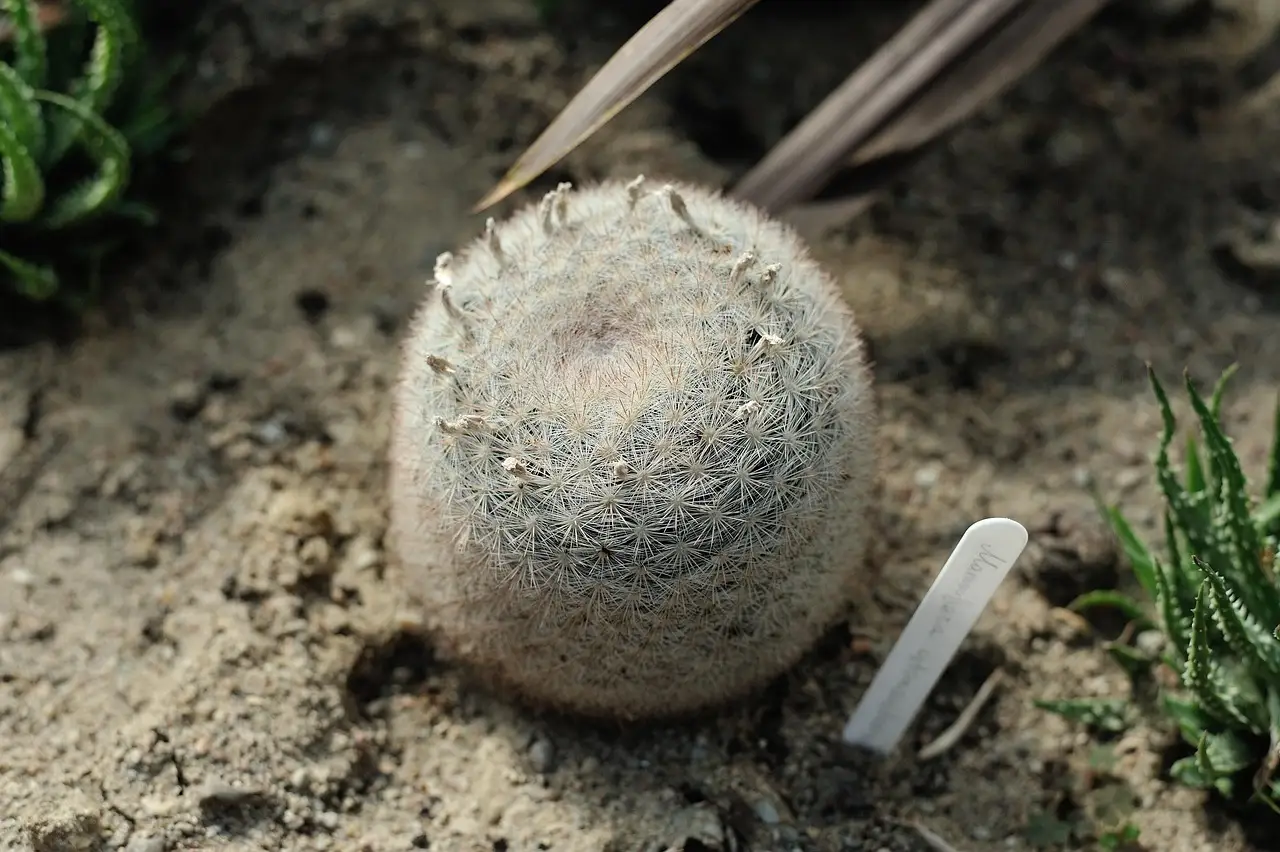
Use labels as evidence, not as a blind answer. In a botanical garden, a tag may list the genus, species, cultivar, or accession number. Compare the tag with the plant’s leaves, stems, and seasonal stage before accepting it.
If the tag and the plant disagree, do not assume the label is right. A mislabeled accession, a replacement plant, or a volunteer seedling can sit in the same bed. Nearby groupings can still help, but they do not override visible traits.
Label and context checks
- Read the whole label, including cultivar marks or accession numbers
- Look for multiple plants of the same family nearby
- Check whether the bed is themed, such as woody ornamentals or shade plants
- Look for replacement tags or temporary markers
- Compare the plant against the bed’s overall collection pattern
Picture a labeled shrub bed where one plant has a tag for a species with opposite leaves, but the plant in front of you has alternate leaves and a thorny stem. Treat the label as a clue, not a verdict. The stem and leaf arrangement matter more than the tag when they conflict.
What if the plant has no flowers?
Without flowers, you can still get a useful ID by combining leaves, stems, bark, habit, and bed context. Sterile specimens are common outside bloom season, and pruned plants may hide the very structures that would settle the name. That means you should lean harder on arrangement, texture, and season.
Fruit, cones, pods, and seed heads are the next best clues. If none are present, move to bark, branching, and leaf scars for woody plants, or to leaf arrangement and node spacing for herbaceous plants. Keep the result tentative if the plant is out of season and heavily cut back.
When a plant is sterile or pruned
- Map the stems. Find where leaves attach, then note opposite, alternate, or whorled arrangement.
- Study texture and scars. Check for hairs, thorns, mottling, ridges, and pruning cuts that change the outline.
- Read the setting. Use the garden bed, nearby species, and any accession tag to narrow the shortlist.
- Wait for a better stage. If the plant is out of bloom, return later in the season or note that the answer is provisional.
The Purdue mystery plant example identified Chinese elm as Ulmus parvifolia, and the example also noted leaves 1.5 to 2 inches long and a mature height of 40-50 feet. That combination shows why size and leaf measurements matter. A different example, a Euonymus plant, could not be narrowed to one species from the photo alone. (Purdue)
Can I identify a plant if I only have a flower or fruit?
Yes, sometimes. A single flower or fruit can point to the family or genus, especially if the structure is distinctive. But a lone bloom or fruit still leaves room for cultivars, hybrids, and lookalikes, so the result should usually stay at “likely” rather than final.
For flowers, note petal count, symmetry, color pattern, and inflorescence type. For fruit, note whether it is a berry, capsule, cone, nut, or pod, plus size, color, and ripeness. If the rest of the plant is missing from view, ask for another angle before settling on a name.
Flower and fruit clues
- Petal count can separate broad groups
- Radial or bilateral symmetry narrows the field fast
- Clusters, spikes, heads, umbels, and panicles point to different lineages
- Fleshy vs. dry fruit often changes the shortlist
- Ripeness stage can explain why a fruit looks unusual
What if the plant looks like several similar species?
That is normal in curated gardens, where hybrids and cultivars can blur the line between lookalikes. In that case, compare a cluster of traits instead of one feature. If the leaf shape matches one species but the bark, flower structure, or growth habit does not, keep multiple candidates open.
Plant ID apps can help at the start, but they should not be the only source. The best result is a lead, not a verdict. Use the app’s likely name, visible clues, alternatives, and next step as a starting list, then check the plant’s tag and collection context.
How to separate lookalikes
- Compare three traits. Use leaves, stems, and one reproductive feature if available.
- Check the garden setting. A plant in a coastal bed is less likely to be a woodland species, and a forest bed may rule out a field species.
- Look for mismatch points. One conflicting trait is enough to keep the answer tentative.
- Label the uncertainty. Write down the top two or three names instead of choosing one too early.
Suppose two shrubs have similar oval leaves, but one has thorny stems and the other does not. That single difference can split the shortlist, especially if the bed label points to one family and the bark texture points to another. Do not let leaf shape carry the whole answer.
Common mistakes
The most common mistakes are relying on one photo, ignoring the tag, and treating a garden plant like a wild plant. Botanical gardens add a layer of planning that changes the search. A labeled accession, a volunteer seedling, or a replacement plant can all mislead you if you only chase the first visual match.
Another mistake is skipping season. A plant with no flowers may be easy to identify later in bloom, while a heavily pruned specimen may need bark, scars, and branching instead. Low confidence is better than a forced answer, especially when cultivars and hybrids are involved.
- Do not trust a blurry, dark, filtered, or overexposed image
- Do not ignore accession tags or bed labels
- Do not assume a mislabeled plant is the intended accession
- Do not skip scale, size, or location notes
- Do not overstate app results when several species look alike
- Do not treat sterile or pruned plants like full-season specimens
Frequently asked questions
How do I identify an unknown plant in a botanical garden from its leaves?
Start with simple or compound leaves, then note the edge, length, width, and arrangement on the stem. Opposite, alternate, and whorled attachment patterns can narrow the family quickly. In a garden, also check the nearby label and the bed grouping, because collection context can rule out several lookalikes at once.
How accurate are plant ID apps for garden plants?
They are useful as a first pass, especially when the photo is clear and the main subject fills most of the frame. But they can struggle with cultivars, hybrids, pruned plants, and lookalikes. Use the app’s likely name and alternatives as a shortlist, then verify with labels and visible traits.
Should I use location or habitat clues when identifying a plant?
Yes. Country or broad region, plus whether the plant is in a garden, woodland, field, freshwater edge, or coastal setting, can narrow the options. In a botanical garden, the bed type matters too. A curated collection often points toward a family or region before the leaves do.
What features matter most for identifying a tree or shrub?
For woody plants, start with habit, bark, leaf arrangement, and stem texture. Then add flowers or fruit if they are present. Height, spread, upright or trailing form, and bark details such as mottling, peeling, or thorns often do more work than a single leaf close-up.
How do I tell a plant apart from a similar-looking lookalike?
Compare a full set of traits: leaves, stems, flowers or fruit, and the setting where it grows. One matching feature can be misleading. If a label, accession tag, or nearby family grouping disagrees with the plant’s visible traits, keep the ID tentative until more of the plant is in view.