Gardening Techniques for Overseeding Thin Lawns
Overseed thin lawns after you confirm why they thinned and match the seed to your grass type; cool-season lawns do best in late summer or early fall, while warm-season lawns are best in late spring. Skip that step, and you can waste seed, miss the right weather window, and make bare spots worse. This guide covers how to spot the cause, choose the right timing, prep soil, pick seed, set seeding rates, and handle aftercare.
What overseeding fixes


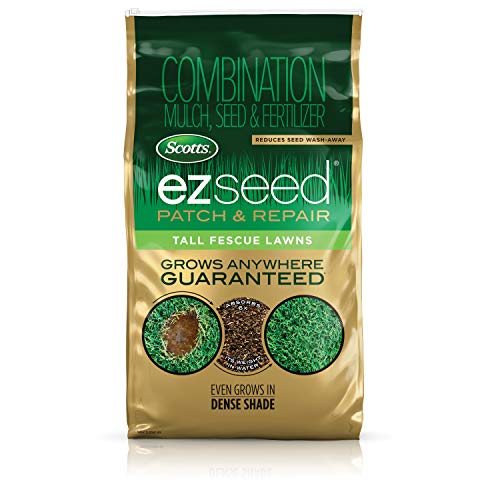

Overseeding means spreading grass seed over an existing lawn. It helps thicken thin turf, fill small bare spots, and refresh worn areas, but only if the seed reaches soil and the site can support germination. Seed sitting on top of thatch or debris dries out fast.
It works best on thin lawns with enough living grass left to knit with the new seedlings. It is a repair, not a reset. If a yard has large dead zones, severe grading issues, or a weed problem that covers most of the area, patch repair or renovation is the better call.
What you’ll need
- Grass seed matched to your existing turf type and site conditions
- Broadcast spreader for larger lawns
- Handheld spreader for spots or small areas
- Mower with a bag attachment
- Rake or thatch rake
- Core aerator for compacted ground
- Starter fertilizer, if you plan to feed new grass
- Clean water source and sprinkler or hose-end nozzle
- Optional thin layer of enriched soil for light topdressing
When should you overseed?
For cool-season grass, fall is the best overseeding window in northern regions, and spring is the backup if you miss it. For warm-season lawns in the South, late spring through mid-summer is the better fit because the soil is warmer and seedlings establish faster.
Timing matters more than calendar habit. Overseed when the target grass is actively growing, not when heat, cold, or drought will slow germination. Cool-season lawns grow best in cooler temperatures and more moisture. Warm-season grass needs warmer soil temperatures to germinate.
Use timing by grass type
- Cool-season lawns: aim for late summer to early fall.
- Cool-season backup: spring can work, but summer heat can cut success.
- Warm-season lawns: target late spring into mid-summer.
How do you prepare a thin lawn?
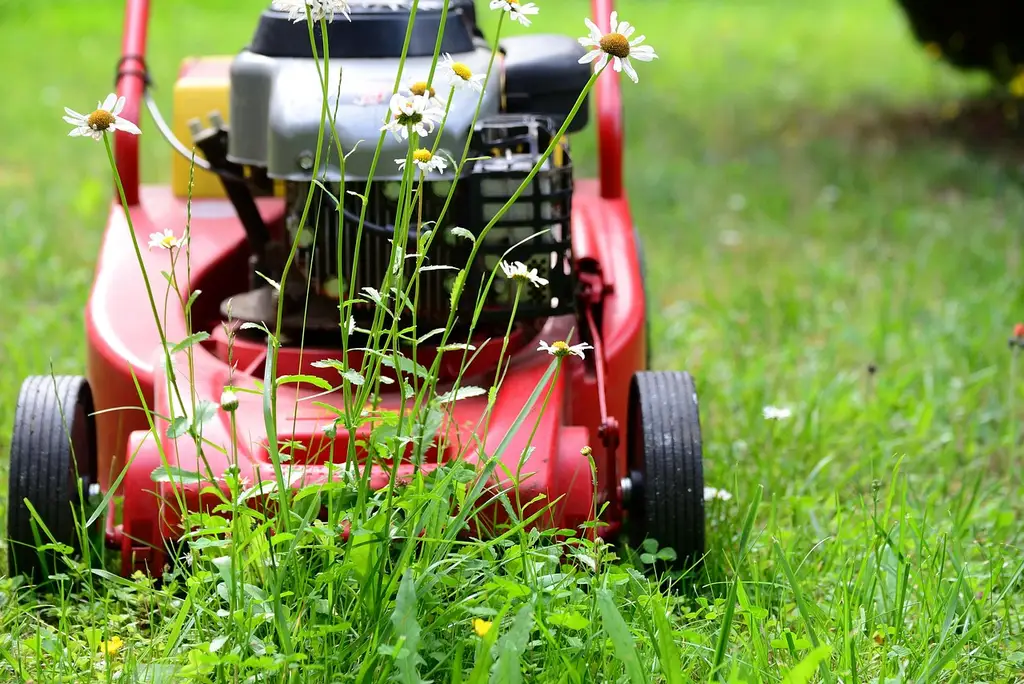
Prep the surface so seed touches soil. Mow shorter than normal, bag the clippings, rake away debris, and loosen the top layer. If the lawn is compacted, core aeration is worth doing before seeding. If the surface is only lightly matted, a thatch rake may be enough.
Topdressing is optional and should stay thin. Scotts recommends a 0.25-inch layer of enriched soil for some overseeding methods, and the layer should be less than a quarter of an inch. Anything thicker can bury seed and block emergence.
-
Mow short and bag clippings.
Cut the grass shorter than usual before seeding, then collect the clippings. A shorter canopy lets seed reach soil and keeps fresh seedlings from getting shaded out. -
Rake off debris.
Use a leaf rake or thatch rake to remove dead grass, leaves, and loose thatch. This opens the surface and improves seed-to-soil contact. -
Aerate compacted areas.
If foot traffic, clay, or hard soil are part of the problem, run a core aerator over the lawn before overseeding. Pennington advises core aerating compacted lawns first because it improves air, moisture, and seed access to soil. -
Topdress only if needed.
Add a thin layer of enriched soil only where the surface is rough or light cover is needed. Keep it under a quarter of an inch so seedlings can still break through.
Thin lawn decision table
| Lawn condition | Likely cause | Best prep step | Seed type | Common mistake to avoid |
|---|---|---|---|---|
| Hard, thin turf in walk paths | Compaction | Core aerate before seeding | Match the existing grass type | Skipping aeration and broadcasting onto hard soil |
| Thin lawn after a dry spell | Drought stress | Rake out dead blades and water evenly before seeding | Choose drought-tolerant seed suited to your region | Seeding into dry, crusted soil and letting it dry out |
| Shady side yard | Low light | Prune nearby plants if possible and rake the surface clean | Shade-tolerant seed for the same grass family | Using a sun-loving mix that thins again in shade |
| Pet-rut strip or urine spots | Traffic and salt-like damage from concentrated urine | Rinse, rake, and replace damaged soil if needed | Durable seed matched to the lawn type | Seeding over dead soil without resetting the top layer |
| Patchy turf with scattered bare spots | Wear and uneven growth | Spot rake, then seed and topdress lightly | Same species as the rest of the lawn | Using the wrong grass type because the bag was on sale |
| Lawn treated recently with weed control | Herbicide timing issue | Wait for the label interval before seeding | Seed only after the product window has passed | Seeding too soon after a pre-emergent or weed-and-feed product |
How do you overseed and water it?
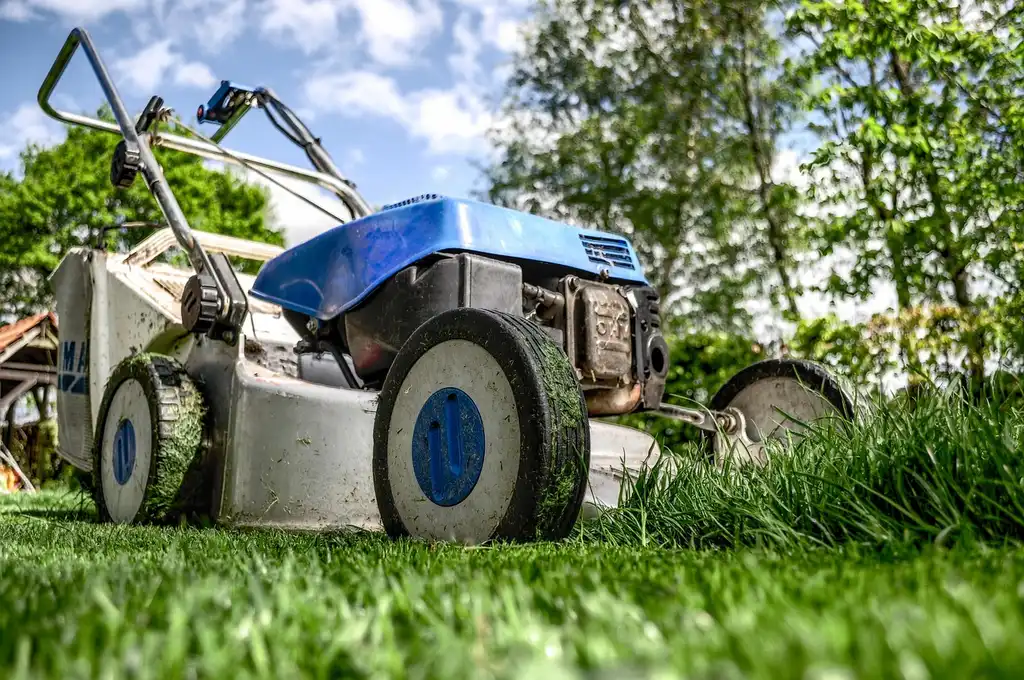
Use a spreader for even coverage, then keep the surface evenly damp until germination. After seedlings show and reach the existing lawn height, taper watering gradually instead of cutting it off all at once. That keeps roots moving deeper instead of drying out.
For larger lawns, a broadcast spreader is often the simplest way to cover ground evenly. For small lawns or patch jobs, Scotts suggests a hand-powered spreader. A common first-timer mistake is to scatter more seed where the lawn looks worst; even coverage usually works better than heavy piles.
-
Load the spreader.
Fill a broadcast spreader for broad areas or a handheld spreader for spots. Follow the seed label for the setting, then make one light pass before adding more. -
Apply seed evenly.
Walk in straight, overlapping passes so the seed lands uniformly. If the lawn has patchy sun and shade, treat each section with the seed mix that fits it best. -
Feed new seedlings.
If your plan includes fertilizer, use starter fertilizer after seeding. Scotts recommends starter food after seeding for new grass. Avoid weed-and-feed products or anything with pre-emergents, since they may inhibit seed germination. -
Water lightly and often.
Keep the surface damp, not soggy. Scotts says to water lightly once or twice a day until seedlings reach the existing lawn height; then reduce the frequency gradually.
Say your front yard gets full sun and the side strip stays shaded by a fence. Seed the sunny area with the same turf type you already have, but use a shade-tolerant version only where light is limited. Treating the two zones the same often leaves one of them thin again.
Common mistakes
The biggest failure is fixing the wrong problem. Overseeding cannot overcome deep compaction, heavy shade, or a recent herbicide application if the site is not ready for seed.
Other misses are easier to avoid: seeding before the right season, skipping seed-to-soil contact, using the wrong grass type, and applying weed-and-feed near fresh seed. On slopes, heavy clay, and pet-rut zones, the prep step matters even more because water and seed move away faster.
- Seed on debris: rake first so seed can touch soil.
- Use the wrong timing: match the season to your grass type.
- Overwater: keep the top layer damp, not flooded.
- Skip aeration on compacted ground: use a core aerator when soil is hard.
- Mix in pre-emergent products: they can block germination.
Frequently asked questions
When is the best time to overseed a thin lawn?
For cool-season turf, late summer to early fall is the strongest window, with spring as the fallback if you missed it. For warm-season lawns in the South, late spring through mid-summer is the better choice because warmer soil speeds germination and early root growth.
How do I prepare a thin lawn before overseeding?
Mow shorter than normal, bag the clippings, rake away dead material, and loosen the surface so seed can reach soil. If the lawn feels hard underfoot or water runs off instead of soaking in, core aeration is the next step before seed goes down.
Do I need to aerate before overseeding a patchy lawn?
Not always. Aerate when the lawn is compacted, traffic-worn, or built on clay that seals over. If the surface is already open and only has light thatch, raking may be enough. Core aeration gives seed better access when the soil is tight.
What kind of grass seed should I use to overseed my lawn?
Choose seed that matches the existing grass type first, then narrow it by site conditions such as shade, drought, or foot traffic. A cool-season lawn needs a cool-season fit, and a warm-season lawn needs a warm-season fit. Mixing the wrong type often creates a patchy look later.
How often should I water after overseeding?
Water lightly once or twice a day until seedlings reach the existing lawn height, keeping the top layer evenly damp. After that, stretch the interval between waterings gradually so roots grow deeper. Drying the seedbed completely at any stage can reduce germination.
Can I overseed without using a spreader?
Yes, but only for very small spots. Scotts suggests a hand-powered spreader for small lawns, and that is usually more even than tossing seed by hand. For larger areas, a broadcast spreader gives better coverage and fewer heavy clumps.
Should I use fertilizer when overseeding?
Starter fertilizer can help new grass establish after seeding, especially on thin ground with little natural fertility. Do not use weed-and-feed or any product with a pre-emergent, because those products can interfere with germination and leave you with fewer seedlings than expected.
Will overseeding fix bare spots and weeds at the same time?
No. Overseeding can fill bare spots and thicken turf, but it will not solve a weed problem by itself. If weeds dominate a section, address them before seeding or treat the area as a larger repair project. Seed works best where the base lawn is still present.