Gardening Techniques for Cold Snaps and Frost Protection
Use a 3-step triage: harvest ripe crops first, move containers indoors or against a protected wall, and cover tender plants with frost cloth or old sheets when nights fall below 36°F. Miss the order, and you can lose herbs, blooms, and tender vegetables in one cold night. I sort beds this way every time a hard frost is called. This guide shows what to save, move, mulch, or cover first before a sudden frost.
This guide is part of our Gardening techniques series.
What you’ll need before the temperature drops

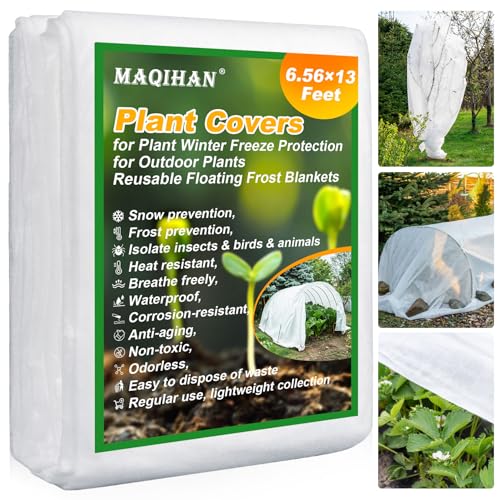


- Row covers or frost blankets made of breathable fabric
- Old sheets, light blankets, or burlap for backup coverage
- Rocks, bricks, stakes, clips, or twine to anchor covers
- Hoops, stakes, or other light supports to keep fabric off leaves
- Mulch such as straw, leaves, bark, wood chips, or pine needles
- Cold frames or cloches for seedlings and compact crops
- Space indoors or a sheltered spot for containers
- A weather app or local forecast with overnight lows
Breathable row covers and frost blankets hold heat that rises from the soil at night, but they still let light and moisture pass through. Plastic sheeting is not a leaf cover. Keep it for an outer wind barrier only, and never let it sit on foliage.
According to almanac.com — Hardier plants can survive until a hard freeze at 28°F and colder.
Cold snap frost protection: the 24-hour plan
Start with a crop triage, then work outward from the most tender plants. Tender vegetables, herbs, and pots go first. Hardy greens and root crops can wait until the covers are on and the containers are moved.
How to sort plants by urgency before sunset
- Harvest ripe tender crops first.
- Move container plants to a porch, garage, or wall-side shelter.
- Cover tender beds with breathable fabric.
- Mulch roots and perennials after that.
- Leave frost-hardy crops for last if time runs short.
That order matters in mixed beds. A bed with tomatoes on one end and kale on the other should not be treated as one unit. Save the crop most likely to fail before you spend time on plants that can take a light freeze.
What changes when wind, raised beds, or containers are involved
Wind strips heat fast and can lift loose covers. Raised beds chill sooner than ground-level soil. Containers are more exposed because roots cool on all sides, so they usually need movement before in-ground plants do. Sheltered corners, south-facing walls, and spots under eaves can buy time.
How do you know if frost will hit your garden?
Check local average last and first frost dates, then override them with the actual overnight forecast. I use frost dates as a rough map, then I trust the forecast for the night in front of me. Microclimates can run warmer or colder than station data, so a driveway, fence line, slope, or low spot may behave differently from the nearest weather report.
Use forecast and site clues together
- Clear skies and calm wind increase frost risk.
- A fast evening temperature drop matters more than the day’s high.
- Low spots collect cold air first.
- Walls, fences, and paved surfaces may hold and release a little heat.
- Containers on open patios usually cool faster than beds near a house.
If the forecast calls for a sharp drop overnight, act on that night, even if the calendar says frost is still weeks away. Average dates are a guide, not a green light.
Step 1: harvest or protect the crops most likely to fail
Pick tender crops first. Light frost at 32°F and colder kills tender plants, while hardier plants can survive until a hard freeze at 28°F and colder. Tomatoes, peppers, squash, beans, cucumbers, watermelon, and sweet corn should be harvested or protected before the cold arrives.
Which crops to save first
| Priority | Crops | Action |
|---|---|---|
| 1 | Tomatoes, peppers, squash, beans, cucumbers, watermelon, sweet corn | Harvest now or cover before dusk |
| 2 | Basil, tender herbs, flowers still in bloom | Cut, pot, or protect |
| 3 | Young transplants | Cover or move under shelter |
| 4 | Kale, spinach, broccoli, Brussels sprouts, cabbage, peas, turnips | Usually cover later, if needed |
Frost-hardy vegetables can often ride out a light freeze, but new transplants are less settled and suffer faster. If the bed is mixed, protect the tender patch first and leave the hardy section for the end of the job.
Step 2: cover plants the right way overnight
Use breathable fabric that traps ground heat and still lets light and moisture pass through. Many row covers and frost blankets are made of non-woven polyester. Frost blankets and row covers can keep plants 4–8°F warmer, but they should not rest on foliage. Secure them with rocks, bricks, or stakes.
Should you cover with plastic or fabric for frost?
Fabric is the safer direct cover. Plastic sheeting is usually not a good choice directly over plants, since it can trap moisture and chill foliage. Use plastic only as an outer wind barrier, with another layer or support beneath it so leaves do not touch the plastic.
Keep the cover off the leaves
- Set hoops, stakes, or a frame over the bed.
- Drape fabric loosely over the support.
- Seal the edges with soil, bricks, or rocks.
- Check that wind cannot lift a corner.
Wet leaves under a cover can cool harder than dry leaves. If condensation pools inside the cover, vent it briefly during the day or switch to a higher, looser support.
Step 3: protect roots, pots, and small spaces
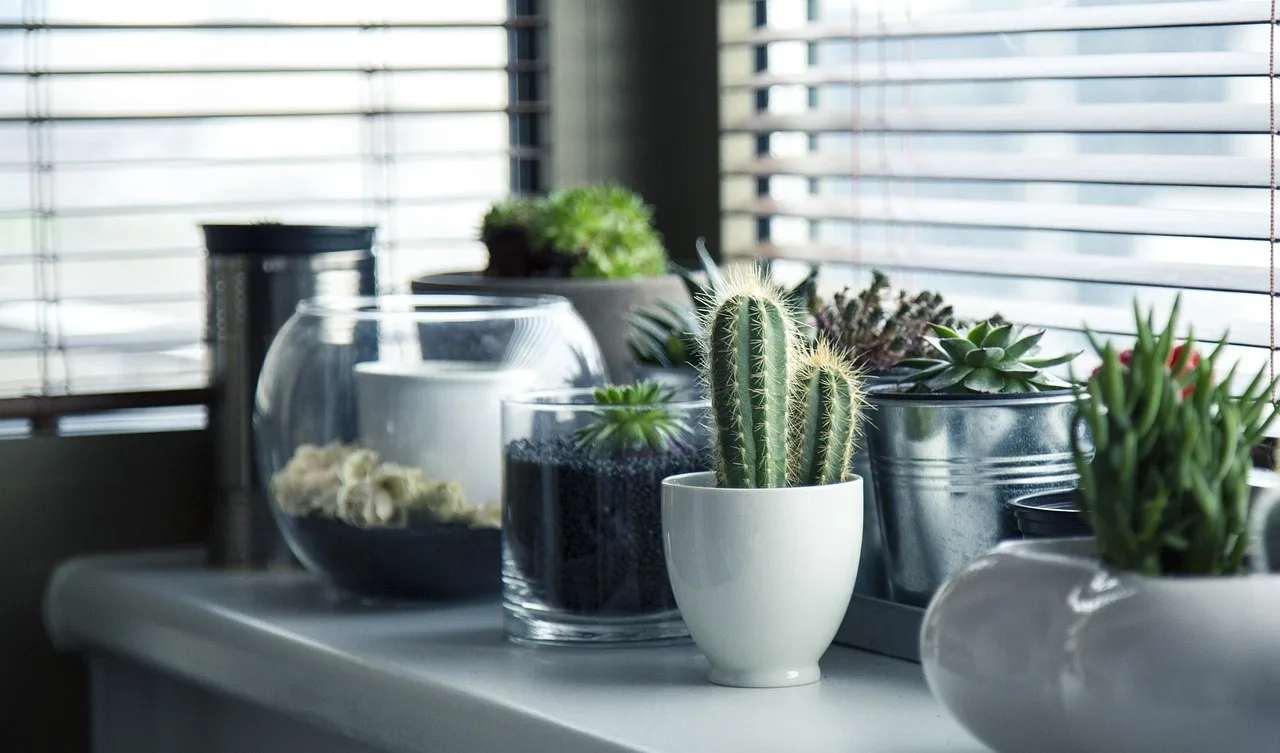
Mulch around roots before hard cold settles in. Mulch should be applied 2–4 inches deep around plants. Perennials that die back can use a 6–8 inch mulch layer after the ground freezes. Keep mulch away from stems and trunks.
How much mulch depth helps roots survive cold snaps?
For rooted perennials and mixed beds, 2–4 inches is the standard winter layer. For die-back perennials, wait until the ground freezes, then go to 6–8 inches. Straw, leaves, bark, wood chips, and pine needles all work when they stay off the crown.
How do you protect container plants from frost?
Move container plants indoors or to protected areas. A porch, garage, wall, or sheltered patio is better than an exposed deck. Pots lose heat from all sides, so they chill faster than in-ground roots. Grouping pots together also helps them hold a little more warmth.
When to use cold frames and cloches
Use cold frames and cloches for seedlings and compact crops. They create small sheltered pockets that cut wind and slow heat loss. They work best on small beds, trays, and short crops that do not need full-height coverage.
When should you water plants before a freeze?
Water plants deeply before the ground freezes, but only when soil is unfrozen and drainage is good. Moist soil holds heat better than dry soil. Do not water into frozen ground, and do not soak plants so late that water sits on leaves overnight.
Best timing for watering
- Water in the day before the cold snap if the soil drains well.
- Stop if the ground is already stiff or puddled.
- Keep foliage dry before nightfall when possible.
If roots are sitting in cold, saturated soil, extra water can work against you. The goal is moist soil with air space, not a swamp under a cover.
Can row covers stay on all winter?
Yes, on some crops and beds, but they need checking. Row covers can stay on through colder stretches if they are anchored, lifted off the foliage, and vented when daytime heat builds. Remove or open them when a warm spell arrives so plants do not stay damp and overheated.
If that didn’t work, try this next
- Replace a low drape with hoops so the fabric no longer touches leaves.
- Add a second anchor point with rocks or stakes where wind lifts the edge.
- Switch a flat cover to a cold frame or cloche for smaller plants.
For beds that see repeated freeze-thaw cycles, check the cover after sunset and again the next morning. A loose edge or sagging center can do as much damage as no cover at all.
What happens if the cover touches leaves?
Cover material touching leaves can transfer cold and hold moisture against tissue. That contact increases burn, ice damage, and blackened spots after sunrise. The fix is simple: raise the cover with hoops, stakes, or another light support before the next cold night.
Common mistakes
- Using plastic directly on plants.
- Leaving gaps that let wind strip the cover away.
- Watering after the ground has frozen.
- Applying mulch against stems or trunks.
- Forgetting that containers chill faster than beds.
Cold snap frost protection checklist
Use this as a one-page triage sheet when the forecast turns. It helps sort mixed beds fast and keeps the evening sequence clear.
Crop-priority table for mixed beds
| Group | Examples | What to do first |
|---|---|---|
| Tender crops | Tomatoes, peppers, squash, beans, cucumbers, watermelon, sweet corn | Harvest or cover immediately |
| Container plants | Pots, tubs, baskets | Move to shelter |
| Young transplants | Recent starts in beds or trays | Cover or move under a frame |
| Less sensitive plants | Kale, spinach, broccoli, Brussels sprouts, cabbage, peas, turnips | Cover last, if forecast warrants it |
Cover-material decision tree
- If you have row cover or frost blanket, use it directly over hoops or stakes.
- If you only have sheets or blankets, use them as a breathable night cover and anchor the edges.
- If you need wind protection, place plastic outside the fabric layer, never against leaves.
- If the crop is small and compact, switch to a cold frame or cloche.
24-hour timing schedule
| Timing | Task | Goal |
|---|---|---|
| 24 hours before | Check forecast, harvest ripe tender crops, gather covers and anchors | Clear the work before dusk |
| Evening of frost | Move containers, water if soil is unfrozen, cover beds before dark | Trap ground heat |
| After sunset | Confirm covers are secure and off foliage | Stop wind loss |
| Morning after | Remove or vent covers when sun and air warm the bed | Prevent trapped moisture |
Frequently asked questions
How do I protect my plants from frost overnight?
Harvest tender crops first, move pots to a porch, garage, or other sheltered spot, then cover beds with breathable fabric before sunset. Secure the edges with rocks or stakes and keep the cover off the leaves. Remove or vent it the next morning once temperatures rise and the sun can dry the foliage.
What temperature causes frost damage to vegetables?
Tender vegetables can be at risk around freezing temperatures and below. Hardier plants can often take a hard freeze down to 28°F and colder, but young transplants are less forgiving. Use the forecast for that specific night, not just the frost date on a calendar.
Should I cover plants with plastic or fabric for frost?
Use fabric first. Row covers and frost blankets are breathable and can trap ground heat. Plastic sheeting should not touch plants because it can trap moisture and chill foliage. If plastic is needed, keep it outside the fabric layer as a wind break only.
When should I water plants before a freeze?
Water deeply the day before a freeze if the soil is unfrozen and drains well. Stop if the ground is already frozen or soggy. Watering late into frozen soil does little good and can leave roots sitting in cold, wet conditions that slow recovery.
How do I know if a frost will hit my garden?
Check local average frost dates, then watch the nightly forecast. Clear skies, calm wind, and a sharp evening temperature drop are warning signs. Low spots, exposed yards, and container setups cool faster than sheltered beds near walls or fences.
How do I protect container plants from frost?
Move containers indoors or to protected areas before temperatures fall. A porch, garage, or wall-sided nook works better than an exposed patio. Pots cool from all sides, so even a short cold snap can hurt roots faster than the same weather would harm in-ground plants.