Gardening Techniques for Hot Weather Survival Triage
Protect seedlings, containers, and newly planted shrubs first. During heatwaves, water at dawn, soak the root zone as needed every few days, add shade if leaves wilt by midday, and consider pausing pruning and feeding. Miss the triage, and root systems, flower buds, and whole crops can fail fast. This guide shows what to protect first, what to pause, and when to choose water, shade, mulch, or heat-tolerant replacements.
This guide is part of our Gardening techniques series.
How do you keep a garden alive in extreme heat?
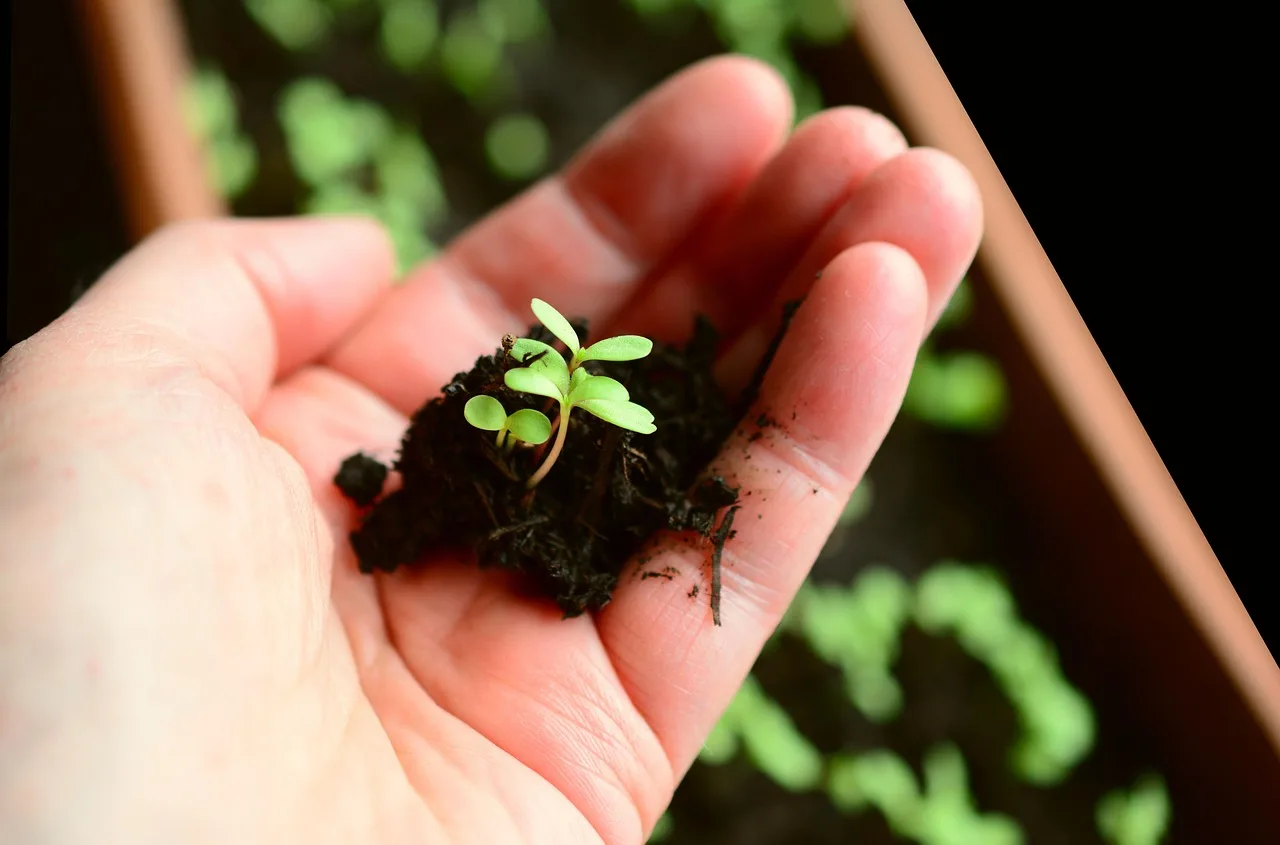


The fastest way to keep a garden alive in extreme heat is to triage by plant value, stress level, and the next 24 to 72 hours. Protect plants that can still bounce back, pause anything that adds stress, and replace crops that will not hold up. Do not treat every wilted plant the same.
Start with triage: protect, pause, or replace
Heat stress is not always drought stress. A plant can wilt because leaf temperatures rise too high and transpiration shuts down, even when the soil is wet. That is why the first move is to check the soil before pouring in more water, then decide whether the plant needs moisture, shade, or removal.
Heatwave triage checklist by severity
| Severity | What you see | What to do in the next 24 to 72 hours | What to stop doing |
|---|---|---|---|
| Mild | Afternoon wilt, slight leaf curl, slower growth | Check soil daily, water at the soil line early, keep mulch in place | Stop overhead sprinkling and routine feeding if the soil is already moist |
| Moderate | Leaf scorch, repeated wilt, plants stay flat through the afternoon | Add temporary shade, deep water, and protect containers first | Stop pruning, transplanting, and any work that exposes roots or foliage |
| Severe | Stalled growth, scorched margins, limp growth that does not recover overnight | Save only the most valuable plants, shade them hard, and replace heat-sensitive crops | Stop fertilizing, hard pruning, and planting new stock |
Use the next 24 to 72 hours, not the whole season
That short window matters because heat waves can stack days of damage faster than a plant can grow new roots. Phoenix had 113 days over 100°F in summer 2024, and 70 days reaching 110°F or higher in summer 2024. At those temperatures, most plants start to suffer when leaf temperatures reach 115°F.
What is the best way to water plants during a heatwave?
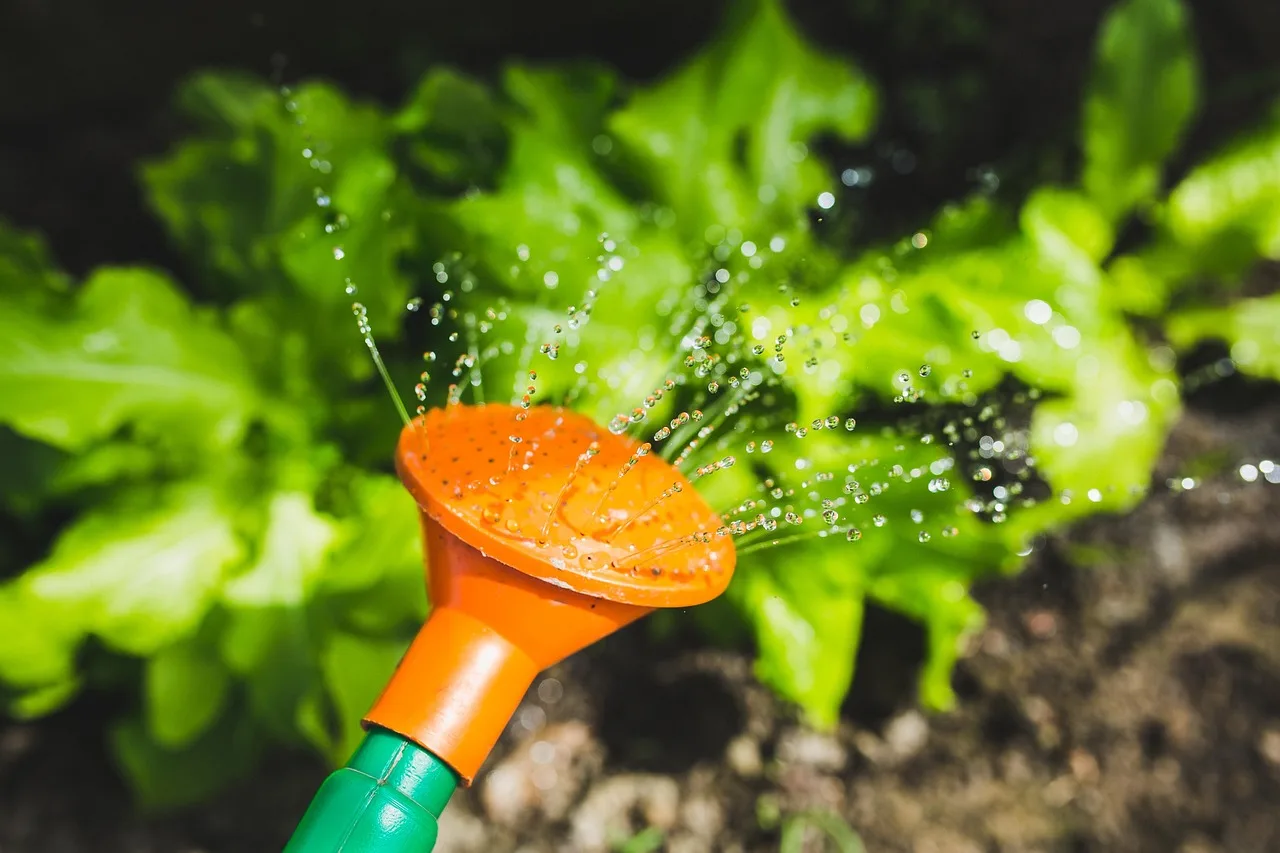
The best way to water during a heatwave is deep, early, and at the soil line. Give enough water to soak the root zone, not a light surface sprinkle. That keeps more moisture where roots can use it and cuts waste from evaporation and wind.
Deep watering at the soil line
Watering at the soil line sends moisture into the root zone instead of wetting hot leaves. For beds, soak slowly so water moves downward, not sideways across baked soil. For pots, water until the mix is evenly moist through the root ball, then recheck later that day if the container sits in full sun.
Morning timing versus evening timing
Cool, early morning is the ideal time for watering. Morning watering gives plants access to moisture before the day heats up and lowers the chance that wet foliage will sit warm for hours. Evening watering can help in a pinch, but it leaves less time for surfaces to dry and can keep some diseases active longer.
Why drip and soaker lines beat sprinklers
Drip irrigation and soaker hoses deliver water at the root zone with less evaporation than sprinklers. Sprinklers lose more water to hot air and wind, and they often wet leaves that do not need it. In hot weather, that difference matters more than in mild weather.
How to tell thirst from heat shutdown
- Check the soil a few inches down before watering.
- If the soil is cool and moist, the wilt is likely heat stress.
- If the soil is dry and loose, water deeply at the soil line.
- Recheck after the heat breaks before adding more water.
How much mulch should you use in hot weather?
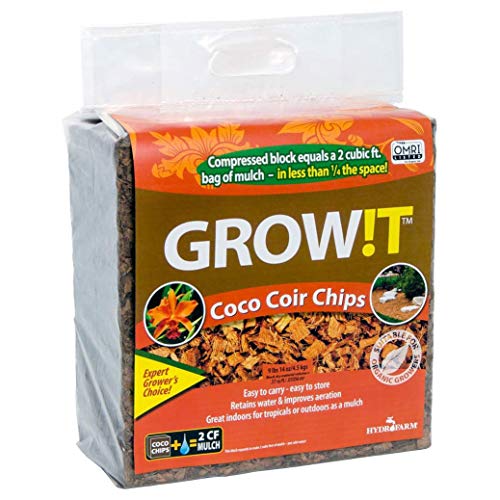
Use a 3 to 4 inch layer of organic mulch around most beds. Straw, wood chips, and compost all help by cutting evaporation and keeping the root zone cooler. The goal is to buffer temperature swings and hold moisture longer, not to bury stems or trap water against trunks.
Best mulch types for hot weather
Straw works well around vegetables and young plants. Wood chips are useful around shrubs and perennial beds. Compost can sit under a coarser mulch layer or be mixed into soil before heat arrives. A heatwave guide recommends applying mulch before summer heat arrives, and the reason is simple: dry soil heats up fast.
Where mulch helps and where it can backfire
Mulch helps most in open beds, around shrubs, and under established plants with enough root mass to use stored moisture. It can backfire if piled against stems or trunks, because that holds moisture against tissue and can invite rot. Keep a small bare ring around stems and trunks.
How to keep mulch off stems and trunks
Pull mulch back a few inches from the crown of vegetables and the base of shrubs. The mulch should cover soil, not plant tissue. This matters even more after watering, when damp mulch pressed against stems can stay wet and warm.
Do shade cloths really help plants in hot weather?
Yes, shade cloth helps when heat and sun exposure outpace a plant’s ability to cool itself. A 30% to 50% shade cloth is often the right range for vulnerable crops, especially if the problem is afternoon sun rather than full-day shade. It is temporary heat protection, not a cure for poor watering.
When 30% to 50% shade cloth is the right call
Use lighter shade first if the crop still needs strong light for growth. Increase protection when leaves scorch, stems collapse by afternoon, or young transplants stop moving water upward. Shade cloth reduces light far more than row cover materials, so it fits heat control better than plastic covers that can trap too much heat.
Which crops and containers need afternoon protection first
Containers, seedlings, and newly set transplants usually need shade before established in-ground plants do. Pots heat from all sides and dry quickly. Afternoon-only exposure can still push some crops over the edge, so even a partial shade setup can make the difference between recovery and collapse.
Temporary covers versus row covers
Row covers can reduce the drying effect of wind, which helps in hot, dry weather. But they are not the same as shade cloth. If the goal is to cut sun load, use shade cloth. If the goal is to slow wind and reduce evaporation, a lighter row cover may help, but it can overheat if left on too long.
Which plants should you protect first, and which can you swap out?
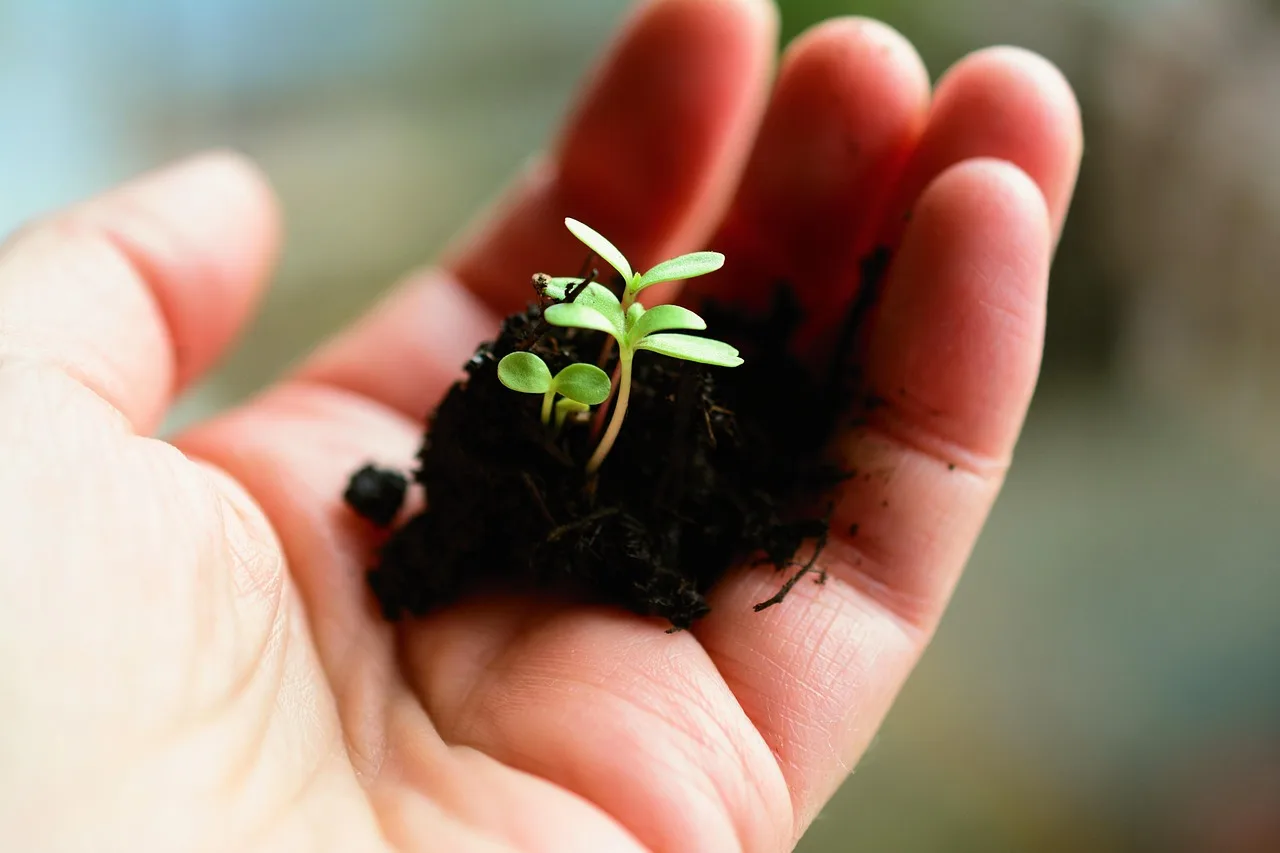
Protect the plants with shallow roots, high water demand, or high replacement cost first. Seedlings, containers, and young shrubs are the most vulnerable. If a crop is already failing in repeated heat and will not rebound in the next 24 to 72 hours, replace it with a heat-tolerant crop instead of pouring more time into a losing bed.
Young transplants and seedlings
Young transplants are the highest-risk group. Their roots are small, and their leaves lose water faster than the plant can replace it. Keep them shaded, watered carefully, and out of peak heat planting windows. Avoid planting during the hottest stretch of the season if there is any choice.
Container plants and raised beds
Container plants dry out faster than in-ground beds, so they need more frequent moisture checks. Group pots together, move them out of afternoon sun where possible, and check the mix daily in extreme heat. Raised beds also warm faster than deeper garden soil, so they often need earlier watering and thicker mulch.
Heat-tolerant replacements for failing crops
When cool-season vegetables are spent, switch to crops that hold up better in hot climates. Good options often include okra, amaranth, sesame, basil, cowpeas, peanuts, roselle hibiscus, and sweet potatoes. A heatwave guide recommends planting heat-tolerant crops before extreme heat arrives, but replacement planting still beats letting empty space bake.
| Plant type | Exact intervention | Timing | Stop-doing rule |
|---|---|---|---|
| Vegetables | Deep water at the soil line, mulch 3 to 4 inches deep, add 30% to 50% shade if afternoon wilt repeats | Water at dawn; check again late afternoon during the worst spell | Stop fertilizing, pruning, and overhead sprinkling during severe heat |
| Containers | Group pots, move out of direct afternoon sun, water until evenly moist through the root ball | Check daily; water early and again if the mix dries fast | Stop letting pots go on a fixed schedule without testing moisture |
| Seedlings | Light shade, steady moisture, wind protection, no transplanting during peak heat | Protect before noon heat builds; keep watch through the first 72 hours | Stop hardening off in full sun during a heatwave |
| Shrubs | Deep soak at the drip line, mulch around roots, temporary afternoon shade if newly planted | Water early and less often, but soak deeper | Stop heavy pruning and avoid planting new shrubs in peak heat |
What should you not do to plants during a heatwave?
Do not fertilize, hard prune, or plant new stock during severe heat. Do not water on autopilot without checking the soil. Do not pile mulch against stems and trunks. Do not use plastic covers that trap too much heat. And do not keep treating a heat-shutdown plant as if it simply needs more water.
Skip fertilizer and hard pruning
Fertilizer pushes growth that hot roots cannot support. Hard pruning removes shade exactly when leaves need it most. Both actions add stress, and neither helps a plant hold water better during a heatwave.
Use anti-transpirant sprays only situationally
Anti-transpirant sprays can reduce foliage moisture loss and may help tender plants or transplant stress in limited cases. They are not a blanket fix. Use them only when the plant is otherwise healthy enough to recover and when the timing fits the heat event, not after damage is already severe.
Do not overwater a heat-stressed plant
Root rot is a real failure case in hot weather. If the soil is already wet and the plant still wilts, more water may suffocate roots instead of helping them. Check drainage, then wait for the soil surface and root zone to tell the story.
How do you prepare soil and irrigation before the next heatwave?
Prepare soil and irrigation before temperatures spike. Build beds with organic matter so they hold water longer, but keep them well drained so roots can breathe. Set up drip or soaker lines ahead of time, and leave enough space between plants for airflow and easy moisture checks.
Build water-holding soil with organic matter
Organic matter helps soil store moisture and buffer heat, especially in beds that dry out quickly. Water-retention amendments can help in some settings, but they should support drainage rather than turn soil soggy. Healthy roots need both moisture and air.
Set up irrigation before the spike
A heatwave guide recommends deep watering to encourage roots into cooler soil. That works best when irrigation is already in place. Drip and soaker lines make it easier to water slowly and consistently, which is far better than trying to rescue beds with a hose once the leaves are already scorched.
Use spacing and airflow as insurance
Plants crowded too tightly dry unevenly, stay humid at the base, and are harder to water deeply. Good spacing helps leaves cool, speeds recovery after watering, and makes shade cloth or temporary covers easier to manage without trapping heat.
Frequently asked questions
How do I keep my garden alive in extreme heat?
Protect seedlings, containers, and newly planted shrubs first. Water early, water deeply, and add temporary shade when afternoon wilt keeps repeating. If a plant stays limp even after the soil is checked, treat it as heat stress and reduce sun load before adding more water. Replace weak crops when recovery is unlikely.
What is the best way to water plants during a heatwave?
Water at the soil line in the cool early morning and soak the root zone instead of misting the surface. Drip irrigation and soaker hoses waste less water than sprinklers, and they keep foliage drier. Always check the soil before watering a wilted plant, because wilt does not always mean thirst.
Should I water gardens in the morning or evening in hot weather?
Morning is the better choice. The cool, early morning is the ideal time for watering because plants can absorb moisture before heat peaks. Evening can work in an emergency, but it leaves damp surfaces sitting warm longer and gives the soil less time to show whether the water actually reached the roots.
How much mulch should I use in hot weather?
Use 3 to 4 inches of organic mulch in most beds. Straw, wood chips, and compost all help hold moisture and keep roots cooler. Keep mulch off stems and trunks, because mulch piled too close can trap moisture against tissue and cause rot while the heat is still punishing the plant.
Do shade cloths really help plants in hot weather?
Yes, especially for afternoon exposure, containers, seedlings, and newly set plants. A 30% to 50% shade cloth gives temporary protection without shutting out too much light. It works best when paired with deep watering and good drainage. Shade cloth is a heat tool, not a replacement for root-zone moisture.
Which vegetables can survive hot weather best?
Okra, amaranth, sesame, basil, cowpeas, peanuts, roselle hibiscus, and sweet potatoes are better bets than cool-season crops once heat settles in. They are not invincible, but they hold up better when leaf temperatures rise and growth slows. If a bed is failing, replanting with these crops is often the practical move.