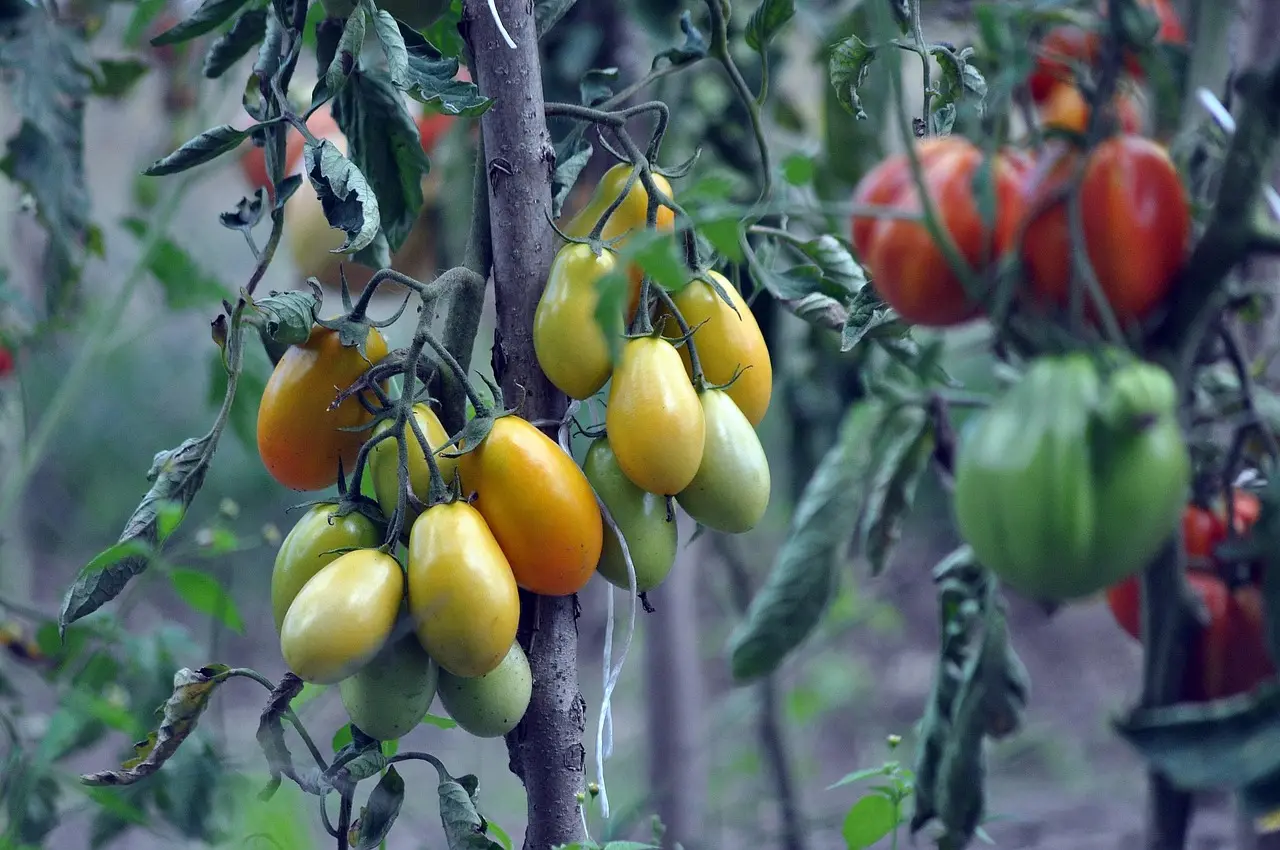
Gardening Techniques for Supporting Tomatoes and Peppers
Choose supports by plant habit: determinate tomatoes usually need about 3–4-foot cages or short stakes, indeterminate tomatoes usually need about 5–7-foot stakes or tall cages, and peppers often do best with a single stake or low ring when fruit gets heavy. Weak support can snap stems, tilt plants, soil fruit, and cut yields. This guide covers how to match support to beds, containers, and wind exposure, plus how to install it before roots fill in.
Why support choice matters


Support changes how much light reaches the canopy, how air moves around leaves, and how much weight the stem has to carry. It also keeps fruit off soil, which helps reduce rot and lowers the chance of blight spreading after rain splash. Wind is the other big factor. A plant that stands fine in a sheltered bed can fail fast in an exposed row or on a balcony.
Tomatoes and peppers do not load a frame the same way. Tomatoes often carry fruit clusters farther out from the main stem, while peppers can split at the base of a heavy branch if the crop leans one way. Start with the plant, then the space, then the weather.
What you’ll need
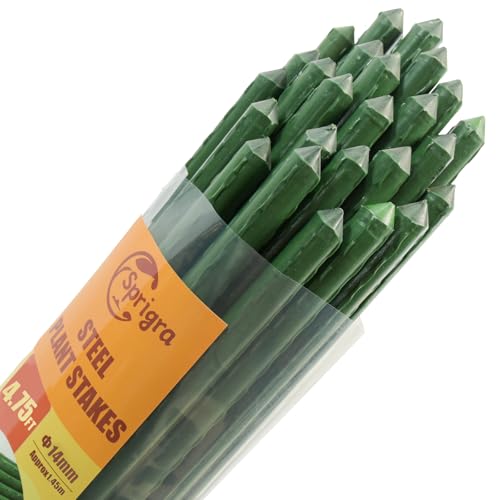
- Wooden stakes, metal stakes, or bamboo stakes
- Galvanized tomato cages
- Garden twine
- Plant tape or soft ties
- Optional trellis or tower pieces for taller tomatoes
- A hand tool for pushing or driving stakes
- A 5-gallon nursery pot with sterilized potting soil for container tomatoes
Support decision matrix
| Plant type | Setup | Wind exposure | Expected fruit load | Best support method |
|---|---|---|---|---|
| Determinate tomato | Bed or large container | Low to moderate | Moderate, concentrated over a short window | Tomato cage or short stake with soft ties |
| Indeterminate tomato | Bed, row, or tall container | Moderate to high | Heavy and continuous | 5–7-foot stake, trellis, or tower with twine |
| Heavy-fruiting bell pepper | Bed or container | Moderate to high | Heavy later in the season | Single central stake or small tomato cage |
| Smaller-fruiting pepper | Bed or container | Low to moderate | Lighter, spread over time | Soft ties to a short stake, add support as fruit loads up |
| Mixed row of tomatoes | Open bed | Windy site | High | Florida weave with stakes between every 2 plants |
Use this matrix as a starting point, not a rule that overrides plant habit. Determinate tomatoes are compact and ripen fruit almost all at once, so a cage often works well. Indeterminate tomatoes keep growing upward and can reach 2m or more, so they need stronger support and more tying as the season goes on.
How do you choose the right support?
Start with the plant type, then look at the bed width or pot size, then decide how much wind the site gets. A compact determinate tomato in a calm bed can use a cage. A tall indeterminate in an exposed row needs a stake, trellis, or tower with regular ties. Heavy bell peppers deserve more support than slim-fruited types.
Say your tomato is in a narrow container on a windy patio. A tall cage may tip unless it is anchored well, so a single stake inside the pot with soft ties can be a better fit. Suppose your pepper plant is in a sheltered raised bed and carries a light crop. A short stake may be enough until fruits size up.
Match support to tomato type
Staked tomatoes need soft ties or twine from the start. Indeterminate plants benefit from pruning and tying, while determinate plants usually need less pruning because their growth is more compact and their crop comes in a shorter window. Cages often suit determinate types because the plant fills the frame without needing constant training.
Match support to pepper size
Most peppers do well with a single central stake. Bell peppers and other heavy-fruiting types often need a second tie point once fruits begin to swell. Small tomato cages can work in beds or large pots if the cage is low enough to stay stable. Add support before branches start leaning outward.
Match support to space and weather
Use about 18 to 30 inches between staked or caged tomatoes. Unsupported tomatoes need 36 to 48 inches between plants, which gives them room to sprawl. In windy sites, choose taller stakes, deeper placement, or a woven row system so the plant is braced from more than one side.
How to install supports early
- Place stakes or cages at planting time, before roots spread and stems branch.
- Drive stakes deep enough that they resist leaning when pushed from the side.
- Set tomato cages so the widest ring is already around the plant before growth starts.
- Use soft ties or plant tape with enough slack to avoid pinching.
- Recheck tie spacing about every 8 to 12 inches of new growth, and add the next tie before the stem bows.
For container tomatoes, a 5-gallon black nursery pot is described as the perfect size for one tomato plant, and tomato cages are said to work very well in most containers. That does not remove the need for support. Container soil warms quickly, which helps root growth, but a loaded plant can still topple if the cage or stake is missing.
How do you support tomatoes?
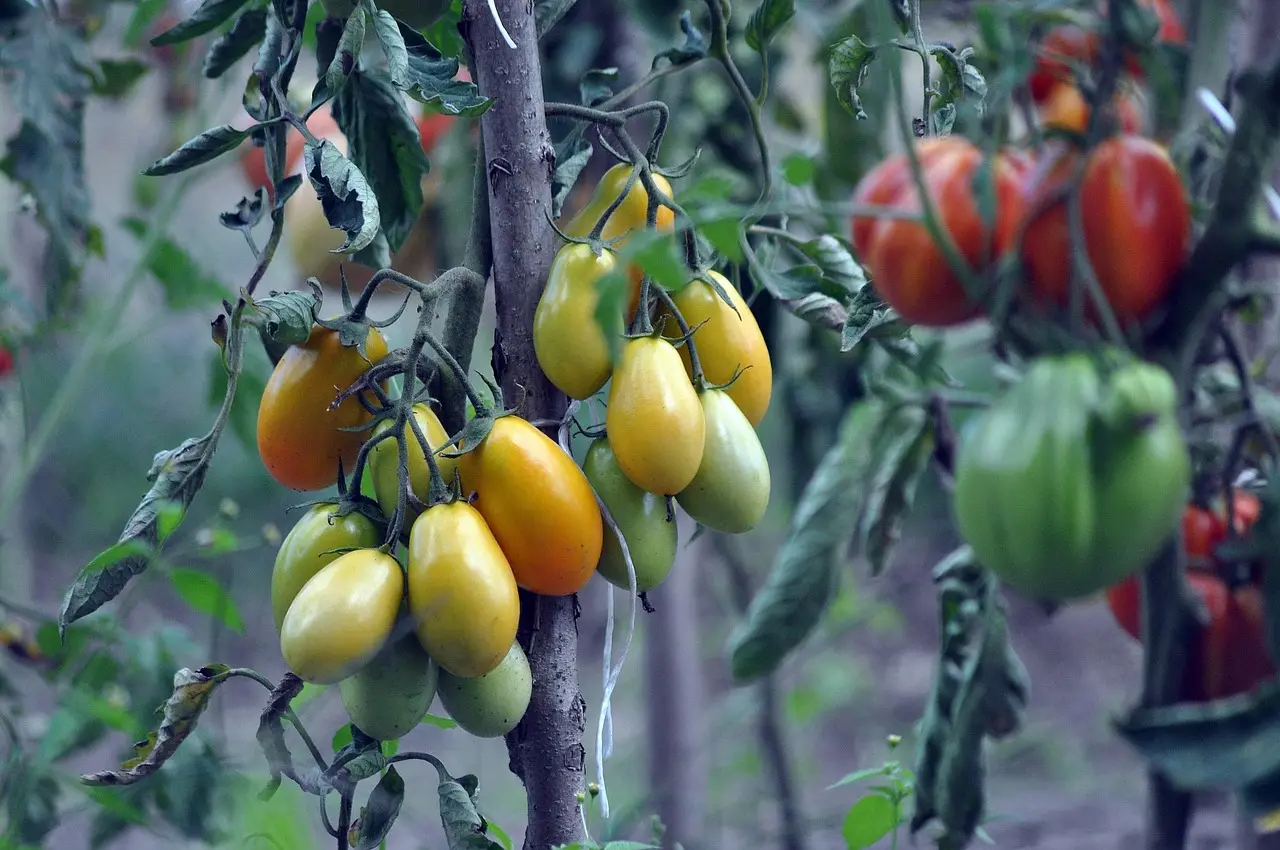
Use a method that matches growth habit and pruning needs. Single stakes work well when you want a narrow plant form and can keep up with tying. Tomato cages suit compact determinate plants and many container grows. Florida weave fits rows and lets you support several plants with fewer materials. Trellises and towers suit taller indeterminate plants in beds with enough anchoring room.
Single stake
A single stake is simple and strong when installed early. Use wooden stakes, metal stakes, or bamboo stakes, but choose a taller stake for indeterminate tomatoes. Stakes 6 to 8 feet long for tomatoes. Tie the stem with soft ties or twine at regular intervals, and remove lower leaf axil suckers from staked tomatoes so the plant keeps a manageable shape.
Tomato cage
Galvanized tomato cages work best for determinate tomatoes and bushier plants. They reduce the amount of tying, which helps if the bed is narrow or the garden plan is low-maintenance. Use a cage with enough diameter that stems do not rub hard against the wires. A small cage that leans or collapses can be worse than leaving the plant unsupported.
Florida weave
Florida weave uses stakes between every 2 plants, with twine run from stake to stake on alternating sides of the row. This keeps stems upright while preserving airflow. It suits a row of tomatoes where you want a tidy line and regular access for harvest. Add new twine as plants grow so the row does not flare outward.
Trellis or tower
A trellis or tower works best for indeterminate tomatoes that keep growing until frost and can reach 2m or more. It gives you vertical space when bed width is limited. Tie the main stem and major arms early, then check after wind or rain because tall plants catch more force than short, bushy plants.
Do peppers need staking or cages?
Yes, many peppers benefit from support, especially heavy-fruiting bells and plants in exposed spots. Smaller-fruiting peppers may stay upright longer, but a single stake can stop the stem from leaning and help keep fruit off wet soil. The goal is steady support as the fruit load develops, not a rigid frame that cuts into the stem.
Use a stake or small cage
The support guide for heavy fruit plants recommends a single stake for peppers and eggplants. That fits most pepper plants well. A small tomato cage can also work if the plant has room to expand without being crushed. Keep the cage low and stable so the top weight does not pull it sideways.
Add support as fruits develop
As bell peppers get heavier, add a second tie point or a wider loop of soft tape. Heavy fruit can bend a branch suddenly after rain or wind. Use soft plant ties rather than wire or hard string, and keep checking the stem after each fruit set so the tie does not begin to bite in.
How to keep tomatoes and peppers from breaking in wind
Start with deeper, firmer supports and finish with more than one tie point. Wind damage usually starts where the stem moves against the support, then worsens after rain loads the foliage and fruit. Good airflow still matters, but the plant also needs a frame that does not sway too much.
- Install the main support before the plant stretches outward.
- Use stakes long enough to hold the canopy above the first fruit cluster.
- Add ties every 8 to 12 inches of stem height on tomatoes.
- Place a second support layer, such as twine or a second stake, when one side keeps leaning.
- After storms, retighten only the support, not the stem.
Picture an indeterminate tomato in a bed edge that gets afternoon wind. A single short stake may hold for a while, then fail once fruit sets. A taller stake plus twine on both sides gives the plant more contact points and lowers the chance of snapping at the main stem.
Common mistakes
Installing supports after plants lean makes the job harder and increases stem damage. Choose the support on planting day whenever possible. A cage dropped over a sprawling tomato often bends branches, and a late stake can tear roots when forced into packed soil.
Another common failure is tie damage. Twine and plant tape must be loose enough to allow stem movement, or they can girdle the plant. Cages can also fail if they are too small or too light for the crop load. Add a second support layer when the first one starts to sway.
Do not over-prune staked tomatoes. Removing lower suckers can help staked plants stay organized, but stripping too much leaf area leaves fruit exposed to sun and slows growth. Keep enough foliage for shade and airflow, especially on hot, windy sites.
Frequently asked questions
How do you support tomato plants so they don’t fall over?
Install the support at planting time, then tie the main stem every 8 to 12 inches with soft ties or twine. Choose a cage for determinate plants, or use 5–7-foot stakes, trellises, or towers for indeterminate plants. Set stakes deep enough that the plant does not wobble in wind.
What is the best support for indeterminate tomatoes?
A tall stake, trellis, or tower is the strongest fit for indeterminate tomatoes because these plants keep growing and can reach 2m or more. Use soft ties or twine to guide the stem, and add more tie points as the canopy rises. A short cage usually runs out of height too soon.
How far apart should tomatoes be planted with support?
Staked or caged tomatoes should be spaced 45 to 75cm apart. Unsupported tomatoes need 90 to 120cm between plants. That extra room matters because unsupported plants sprawl wider, while supported plants stay more upright and allow better airflow between stems and fruit clusters.
Can I use tomato cages for peppers?
Yes, if the cage is small enough to stay stable and large enough to avoid rubbing the branches. Tomato cages work well for many container plants and can help heavy-fruiting peppers stay upright. For smaller peppers, a single stake with soft ties is often simpler and easier to adjust as the fruit load grows.
Should I prune tomatoes if I’m using stakes or cages?
For staked tomatoes, removing lower leaf axil suckers is recommended because it helps keep the plant narrow and easier to tie. Caged determinate tomatoes usually need less pruning than indeterminate types. Avoid stripping too much foliage, since leaves help shade fruit and keep growth balanced.
When should I install supports for tomatoes and peppers?
Install supports at planting time, before stems branch and before roots fill the bed or pot. That timing makes staking easier and lowers root damage. If you wait until plants lean, use a second stake or a cage with care and add soft ties right away so the plant does not keep falling over.
How do I keep tomatoes and peppers from breaking in wind?
Use taller supports, deeper stakes, and more than one tie point. In exposed beds, Florida weave or a second support layer helps spread force better than one weak stake. Keep the plant balanced, avoid top-heavy growth from late tying, and check the frame after storms so loose stems do not rub and snap.