What Is Plant Adaptation? Examples From Home Gardens
Plant adaptation is a visible trait or growth habit that can help a plant survive certain conditions. Miss the adaptation, and you can place the wrong plant in the wrong spot, leading to weak growth, leaf burn, rot, or constant watering. The best clues are usually easy to spot: leaf texture, stem form, root pattern, dormancy, and whether the plant climbs, sprawls, stores water, or self-seeds at the right time.
What is plant adaptation?
Plant adaptation is a heritable feature that can improve survival or reproduction under environmental pressure. In a garden, that pressure may be dry soil, winter cold, low light, shallow containers, or compacted ground. Adaptations can be structural, physiological, or tied to growth timing and life cycle. Botanic references commonly group these traits as form, function, and seasonal strategy. Royal Botanic Gardens, Kew, and university extension guides on drought response and dormancy explain the same basic idea: the trait must fit the site.
Three useful kinds of adaptation
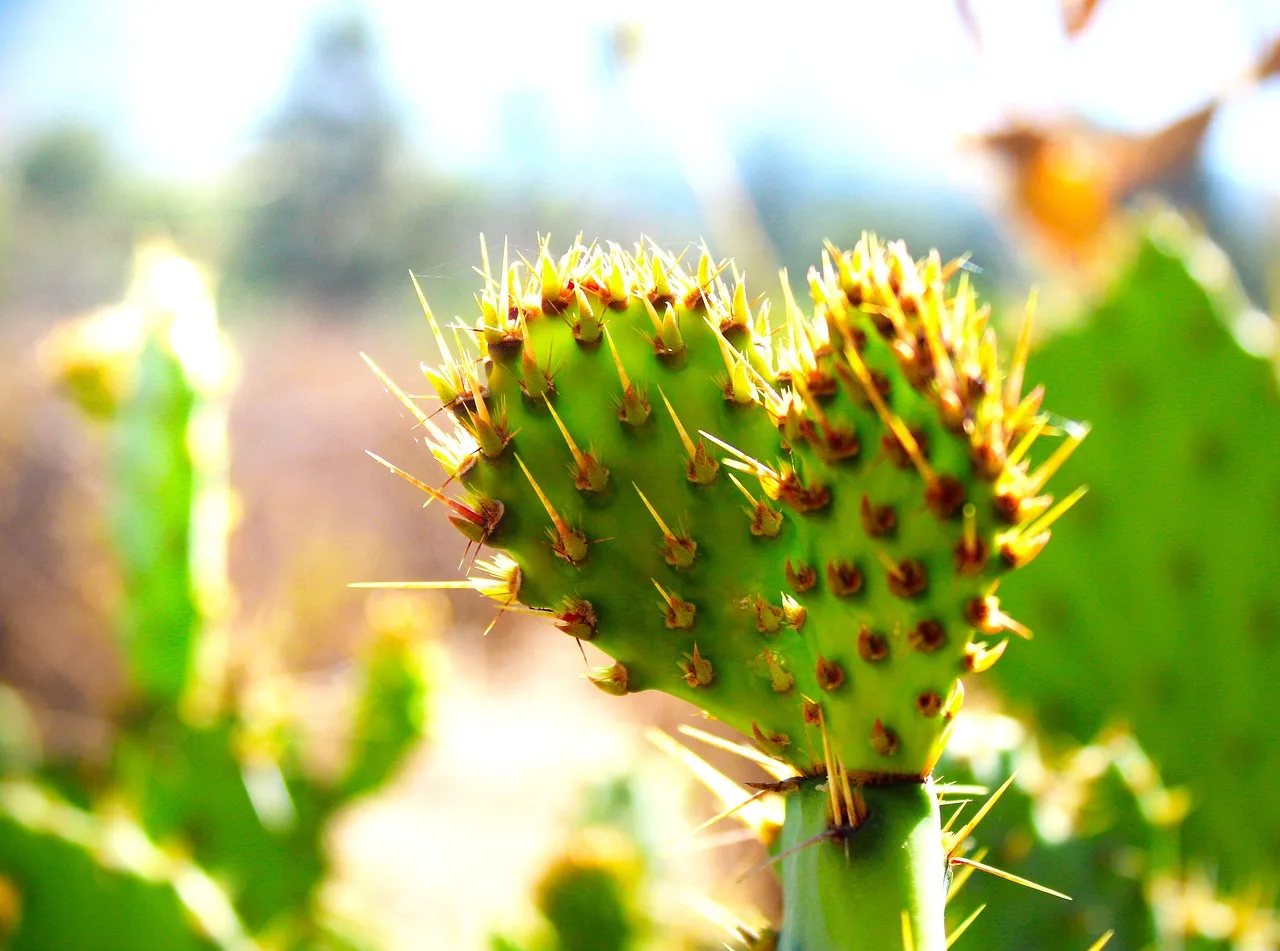
Structural adaptations are parts you can see, such as waxy leaves, thorns, tendrils, or thick stems. Physiological adaptations are internal processes, such as stomata opening and closing to balance gas exchange with water loss, or slower metabolism during dry spells. Growth-response or life-cycle adaptations are timing changes, such as dormancy before winter or seed release after a seasonal cue. Plant anatomy helps explain the inner workings, while morphology describes the visible form you can inspect in the garden.
Selection pressure is the condition that rewards one trait over another. A dry border favors traits that reduce water loss. A shady foundation bed favors plants that can photosynthesize in low light. A windy, exposed site favors lower growth or flexible stems. Over time, those pressures shape which traits persist in a population.
How to spot adaptation on a plant
Use plant morphology first. Plant morphology studies the outside parts and shapes of plants. Plant anatomy studies tiny, inside parts of plants using a microscope. That distinction matters because gardeners usually identify adaptation from what they can see: leaf shape, stem thickness, root spread, whether a stem climbs, or whether a plant dies back and returns.
Roots anchor the plant and pull in water and nutrients from the soil. Stems carry leaves, flowers, and fruits above ground. Leaves capture light and make food. If a plant has narrow leaves, a thick stem, a tendril, or a storage organ below ground, those forms often point to a job they solve. Extension and botany references often describe this as morphology on the outside and anatomy inside, which is why both matter when you are reading a plant in place.
A quick check helps: ask what problem the trait solves, where the trait is visible, and what the tradeoff might be. A plant that saves water may also grow more slowly or flower less. A plant that tolerates shade may stretch toward light and need more support. A plant that survives drought may also resent soggy roots.
Look at the outside first, then link the form to a use. Leaves, stems, roots, and growth habit usually reveal the biggest clues. A compact plant in a pot may be built for low water use. A sprawling plant in a border may spread to cover ground and hold moisture in the soil. A climbing plant is often built to reach light with support instead of investing in a heavy trunk.
A simple field check
- Look at the leaves. Are they small, waxy, hairy, folded, variegated, or fleshy?
- Check the stems. Are they upright, trailing, climbing, coiling, or swollen?
- Look for root clues. Is the plant shallow-rooted, deeply rooted, or built around a storage organ?
- Note the site. Dry bed, shady corner, exposed pot, or wet border?
- Ask what the trait likely solves, and what it costs the plant.
Why drought tolerance looks different
Drought tolerance is the ability to keep functioning during dry conditions, often by balancing water use against growth. The visible signs are usually specific: smaller leaves, thicker cuticles, deeper or more efficient roots, and growth that slows when water is limited. These traits help plants stay usable in dry borders, hot patios, and exposed containers. Missouri Botanical Garden and extension drought guides consistently note that drought tolerance is not one trait but a package of tradeoffs.
Drought-tolerant plants often trade speed for efficiency. They may grow more slowly, set fewer flowers, or make less leafy mass than a thirsty plant in rich soil. That is not failure; it is the cost of saving water. A plant that uses less water can still struggle in heavy shade, waterlogged soil, or a container that dries out too fast. In other words, drought tolerance is a fit for conditions, not a universal upgrade.
Native plants are often already suited to local conditions, including seasonal dry spells. Bred drought-tolerant plants may be selected for smaller leaves, tighter form, or better survival in water-limited beds. Both can work well, but neither is a cure-all. A drought-tolerant plant in deep shade may stretch, weaken, and lose its dry-site edge. A drought-tolerant plant in compacted clay may still fail if drainage is poor.
Say your 12-inch pot dries by midday in summer. A drought-tolerant plant with a waxy leaf surface may still wilt if the root ball gets too hot and dry at the edge of the container. The trait helps, but the pot setting still matters. The same is true for drought-resistant shrubs in the ground: the root zone must still be able to absorb water when it is available.
Roots, stems, and leaves adaptation map
This table links a visible feature to the problem it solves, where you will notice it, and one common way it can fail. Use it as a field guide for beds, borders, pots, shade, and dry sites. The best examples here are common enough to spot at home, but specific enough to show the trait clearly.
| Plant feature | What problem it solves | Where gardeners notice it | Real home-garden example | What can go wrong |
|---|---|---|---|---|
| Waxy leaves | Reduces water loss from the leaf surface | Dry borders, hot patios | Lavender | Can still fail in wet soil or deep shade |
| Small leaves | Less surface area means less water loss | Full-sun beds, containers | Rosemary | Growth may be slower and flowering lighter |
| Fleshy stems | Stores water for dry periods | Rock gardens, sunny pots | Sedum | Can rot if the soil stays wet |
| Deep roots | Reach deeper water and improve anchorage | Dry borders, wind-exposed sites | Russian sage | Poorly drained soil can still stress the plant |
| Fibrous roots | Capture surface water and nutrients quickly | Lawns, shallow soil, pots | Daylily | Dry topsoil can leave the plant thirsty fast |
| Sprawling habit | Shades soil and reduces evaporation | Edges of beds, groundcover areas | Creeping thyme | Can smother small neighbors if space is tight |
| Dormancy | Lets the plant survive a hard season | Winter borders, cold climates | Herbaceous peony | Can be cut back too early if the rootstock is still storing energy |
| Climbing stems | Reaches light without building a thick trunk | Walls, fences, trellises | Clematis | Fails without support or if the roots overheat |
| Bulbs | Stores energy below ground for regrowth | Spring borders, naturalized patches | Tulip | Can rot in poorly drained soil |
| Hairy leaves | Traps a still layer of air and reduces water loss | Sunny beds, dry gravel areas | Lamb’s ear | Can collect debris and stay damp in poor air flow |
| Thick leaf cuticle | Slows water loss through the outer leaf layer | Dry slopes, containers | Yucca | Can suffer if roots stay cold and wet |
| Low-growing form | Reduces wind exposure and water demand | Open beds, exposed sites | Ajuga | Can lose vigor in deep shade or poor drainage |
| Tendrils | Help the plant climb toward light with less stem tissue | Fences, trellises, arches | Sweet pea | Needs something to grab and can flop without support |
| Variegated or light-sensitive leaves | Adjusts light capture in bright or shaded spots | Shade gardens, bright borders | Hosta | Can scorch in harsh sun or fade too much in deep shade |
| Leaf folding or folding at night | Reduces exposed surface area or responds to light and water changes | Sunny beds, containers, mixed borders | Oxalis | Can look wilted even when it is behaving normally |
| Rhizomes | Stores energy and spreads underground | Borders, woodland edges, containers with room | Iris | Can become crowded or rot if buried too deeply |
| Self-seeding timing | Spreads the next generation when conditions are right | Open beds, cottage gardens, disturbed soil | Columbine | Can appear where you did not plan it and overwhelm tidy plantings |
Use the table as a matching exercise. First, name the trait. Then ask what it solves. Finally, check the site. A plant with deep roots helps in dry ground, but not in a soggy border. A plant with small leaves may save water, but it may also need more sun to keep growing well. A climber may be space-efficient, but only if there is a trellis, fence, or other support.
What plant features help leaves reduce water loss?
Leaves reduce water loss through cuticle thickness, stomata control, size, shape, and surface texture. The leaf cuticle is the waxy outer layer that slows evaporation. Stomata are gas-exchange pores that open for carbon dioxide and close to conserve water, but closing them also limits photosynthesis. That tradeoff is central to drought tolerance and is well covered in botanic garden and extension guidance. The Royal Horticultural Society notes that leaf form and surface traits often reflect the plant’s moisture strategy.
Leaf traits that matter most
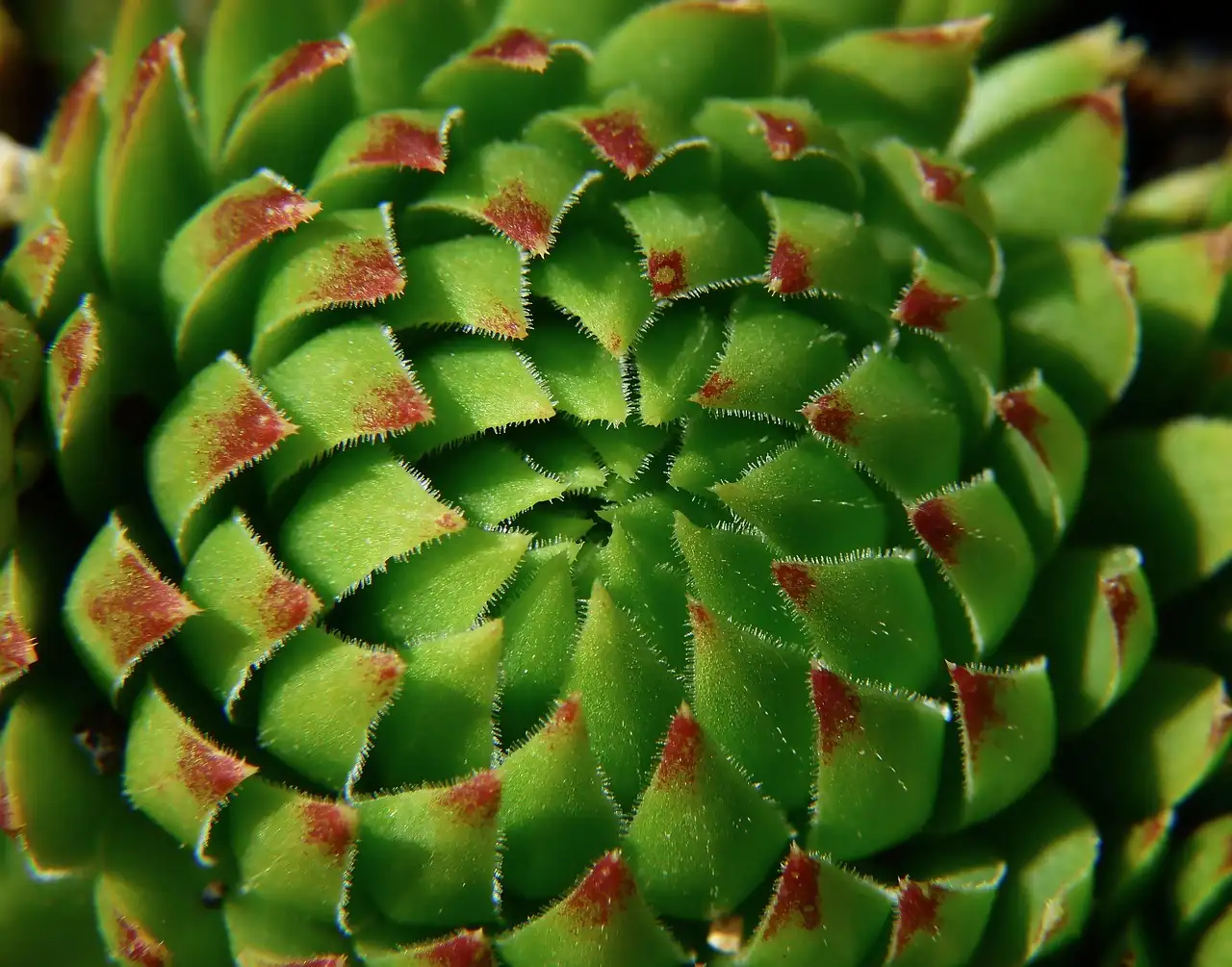
Waxy leaves often feel slick or look glossy. That waxy outer layer is common in dry-site plants because it limits water loss. Small leaves, rolled leaves, and narrow blades reduce exposed surface area. Hairy leaves can slow air movement at the leaf surface. All of these traits help, but none removes the need for water entirely. Botanic garden references commonly describe this as a protective leaf surface plus control over how much air exchange the leaf allows.
A common first-timer mistake is to buy a “dry-site” plant and place it in bright but soggy soil. The foliage may look built for drought, yet the roots can fail if water stays around them after rain. Dry-site traits protect against water loss; they do not replace drainage.
Side-by-side leaf examples
A broad, thin leaf usually loses water faster than a narrow, waxy one. Compare basil with rosemary. Basil needs steady moisture and tends to collapse quickly when dry. Rosemary has narrower leaves and a tougher surface, so it handles sun and dry soil better, though it still needs establishment time and decent drainage. That is a morphology difference you can see, while the underlying anatomy helps explain why the two plants behave so differently.
Why do some garden plants go dormant in winter?
Dormancy is a seasonal survival mechanism that lets a plant pause visible growth during a hard period, often cold or dry weather. In perennials, the top growth may die back, while the plant survives underground in a rootstock or storage organ. That regrowth strategy helps the plant return when conditions improve. Dormancy is not death; it is a timed pause that keeps the living tissue protected. University extension guides on plant dormancy describe it as a survival state, not simply a lack of growth.
Perennials, rootstock, and winter survival
Dormant herbaceous perennial rootstock remains underground in winter. Hardy perennials can survive winter and are left in the ground all year round. Bulbs are underground storage organs. These traits help plants survive cold climates by protecting living tissue below the freezing air at the surface. In many gardens, the visible top growth is the least important part when winter arrives.
Picture a border with peony, hosta, and daffodil. The top growth disappears, but the plant is not gone. It is saving energy below ground, then pushing new shoots when light and temperature rise. That is a growth-response adaptation, not a different plant type. It also explains why some plants are cut back only after they have naturally finished moving energy underground.
Where dormancy can backfire
Dormant plants can be handled poorly if they are watered like active plants in winter. Wet soil around a resting rootstock can cause rot. A hard prune at the wrong time can also remove tissue the plant still needs. Winter dieback is normal for many hardy perennials; it is not a sign to keep fertilizing heavily. For many species, the safest move is to leave the storage organ alone until growth resumes.
What adaptations do garden plants use in shade, pots, and borders?
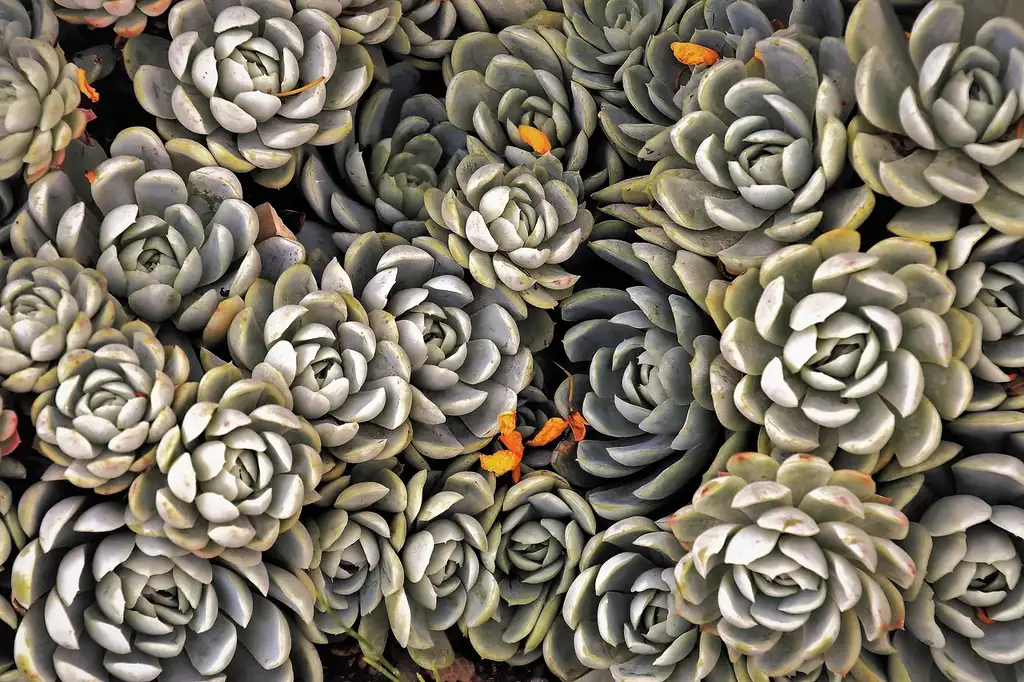
Shade, containers, and open borders each reward different traits. Climbers reach light with support. Sprawling plants spread across soil and reduce evaporation. Container plants often need fibrous roots or drought-aware foliage because pots dry unevenly and heat up fast. Site choice matters as much as plant choice, and light capture is often the main reason a plant changes shape, stem habit, or leaf size.
Climbing stems and support
Climbers grow upwards and need support like a trellis, arch, fence or wall. That lets them reach light without building a thick, self-supporting trunk. In a small yard, that can be a smart way to fill vertical space. Without support, the same plant may flop, tangle, or shade nearby stems. Tendrils, twining stems, or clinging growth are all visible clues that the plant is investing in height efficiency rather than trunk strength.
Roots in pots and borders
Deep roots help with water access in borders, but containers limit that advantage. Fibrous root systems spread through the top layer, which makes them well suited to shallow soil and many pots. The drawback is also clear: a shallow root system dries quickly in hot weather, so pot plants often need more frequent watering than border plants. In a border, deeper soil can buffer heat and moisture better than a container can.
Suppose a clematis climbs a fence in light shade, while a nearby shrub sits in a pot on a paved patio. The climber can reach light with support, but the pot-grown shrub may dry faster because heat reflects off the surface and the roots have less soil volume to explore. Same week. Different pressure. Same weather, different result.
Native plants, bred plants, and local fit
Native plants are often already suited to local conditions, which can make them good long-term choices for beds and borders. Bred drought-tolerant plants may be selected for compact form, improved foliage, or better dry-site survival. A local native can still fail if the site is wrong, and a bred plant can still struggle if the soil stays cold and wet. The key is matching the adaptation to the actual garden condition, not just the label.
Frequently asked questions
What is plant adaptation in simple terms?
Plant adaptation is a feature that helps a plant survive and reproduce in a specific set of conditions. That feature may be visible, like waxy leaves, or hidden, like a storage root. The key idea is fit: the trait solves a problem that the environment creates. In a garden, that usually means matching the plant to light, water, temperature, or soil conditions.
What are examples of plant adaptations in a home garden?
Common examples include waxy leaves on dry-site plants, climbing stems on vines, bulbs that store energy underground, and dormancy in hardy perennials. Deep roots help in borders with limited surface moisture, while fibrous roots help plants take up water quickly in pots or shallow soil. Tendrils, rhizomes, leaf folding, and self-seeding timing are also easy-to-spot examples in ordinary gardens.
How do drought-tolerant plants adapt to dry conditions?
They often reduce water loss with small or waxy leaves, slow their growth, or send roots deeper for moisture. Some also close stomata more tightly during hot, dry periods. The tradeoff is usually less rapid growth, fewer flowers, or lower leaf production in poor conditions. Many also cope by timing growth to wetter periods rather than pushing hard all season.
What is an adaptation in plants versus a plant type?
An adaptation is a trait or response that improves survival, such as dormancy or waxy leaves. A plant type is a broader category, such as shrub, perennial, climber, or annual. One plant type can have many adaptations, and one adaptation can appear in many different plant types. A climber, for example, may use tendrils, twining stems, or clinging roots, depending on the species.