Is Cedar Chips Safe for Herb Gardens?
Cedar chips can work in herb gardens when they stay on the surface, away from crowns, and in the right bed type. They are a better fit for established perennial herbs and paths than for seedlings, small containers, or freshly planted annual herb beds. The safest approach is to match chip age, depth, and placement to the herb’s root system and growth stage.
For related mulch guidance, see mulch guides, herb garden mulch options, raised-bed moisture management, and pet-safe garden materials.
Keep cedar chips as surface mulch
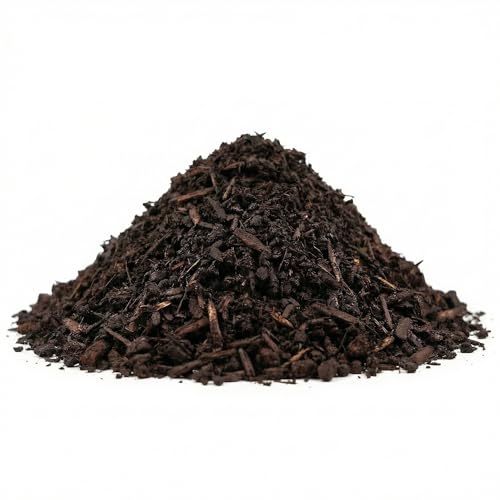

Yes, but only in the right setup. Cedar chips are best as a surface mulch around established perennial herbs and as path cover between beds. Extension guidance on mulching emphasizes keeping wood chips on top of the soil rather than mixing them in, because the main benefits are weed suppression and moisture conservation at the surface level (University of Minnesota Extension; Oregon State University Extension).
What cedar chips do on the soil surface
Cedar chips act as a top mulch. They help slow evaporation, reduce weed pressure, and moderate splashing from rain or watering. Those benefits are strongest when the chips remain on the surface; once worked into soil, woody material begins competing with plants for nitrogen during decomposition, which is why extension sources generally recommend surface application only (NC State Extension; University of Illinois Extension).
That surface-only use matters most in herbs. In planting beds, the practical question is not whether cedar chips can decompose, but whether they are interfering with crowns, watering, or soil warming. Used as a top layer, they are mainly a mulch-management decision rather than a soil amendment decision.
Why the answer depends on herb type and setup
Herbs differ in root depth, planting timing, and tolerance for cool, dry surface conditions. A mature rosemary plant in an in-ground bed can usually handle a ring of cedar chips set back from the stems. Basil seedlings in a shallow raised bed need faster warming and more even moisture. Potted mint or chives have even less buffer against a thick woody layer.
That is why the same mulch can be a fit in one bed and a poor choice in another. The key factors are bed type, plant age, and whether the chips are staying on the surface or crowding the crown.
Are cedar chips safe for herbs and edible plants?
Generally, yes when used as a surface mulch in the right place, but not as a soil mix ingredient. Cedar chips are commonly used around ornamental beds and pathways, and they can be used around some edible plants too, especially established herbs. The main cautions are for young plants, containers, and any situation where the chips are mixed into soil instead of laid on top (University of Minnesota Extension; Oregon State University Extension).
In-ground perennial herbs
Established thyme, rosemary, sage, and similar woody perennial herbs are the best fit. Use cedar chips as a narrow surface ring around the plants and leave space around stems and crowns. Surface mulch can help hold moisture and suppress weeds without burying the crown or blocking the bed’s warm-up as much as it would in a seedling area.
For herb beds, the safest practice is to keep the mulch shallow and pulled back from the base of the plant. That is especially important in places that get wet after watering or rain, because crowns need airflow and visible soil access.
Tender annual herbs and seedlings
Basil, parsley, cilantro, dill, and other tender herbs are more sensitive to cool, woody mulches. Seedling beds usually need warmer soil and a lighter surface layer, so cedar chips are often a poor fit until plants are well established. If you use them at all, keep the layer light and away from stems.
A young herb bed often needs a quicker spring warm-up than a perennial border does. That is why extension recommendations on mulch choice frequently distinguish between established plants and new transplants rather than treating every bed the same.
Container herbs
Containers are usually the least forgiving place for cedar chips. A pot has less soil volume, faster drying at the edges, and less room to absorb an overly thick mulch layer. Small amounts can work on top of a larger container around an established mint or chive clump, but chips should not crowd the crown or cover the whole surface tightly.
In small pots, a lighter mulch or no mulch is often the better choice. Cedar chips are more useful as path cover around containers than as a heavy top layer inside them.
Cedar chips safety table
Cedar chips are most reliable when the decision matches the plant’s growth stage, the bed type, and the mulch’s placement. This table separates safe, caution, and avoid cases for common herb setups.
| Herb type | Bed type | Chip age | Application depth | Recommended action | Notes |
|---|---|---|---|---|---|
| Thyme, rosemary | In-ground perennial bed | Aged | 1 to 2 inches | Safe as a surface mulch | Keep chips off crowns and stems. Nitrogen tie-up is mainly a risk when wood is mixed into soil, not when it stays on top. |
| Basil, parsley seedlings | Seedling bed or newly planted row | Fresh or aged | Light top dressing only, if any | Caution | Young roots and cooler surface soil make this a weaker fit. Use only a thin surface layer and keep it well back from stems. |
| Mint, chives | Container herb pot | Aged | Thin top layer around the outer edge | Caution | Containers dry fast at the edges. Avoid crowding the crown, and do not mix chips into potting mix. |
| Mixed herbs | Path or border strip | Aged | 3 to 4 inches | Safe for paths | Use as path material, not as planting-bed filler. Landscape fabric can help keep chips from sinking into soil in decorative areas. |
| Any herb | Planting bed | Fresh | Any depth | Avoid near young plants | Fresh cedar can be more aromatic, and wood chips belong on the surface, not mixed into the root zone. |
What are cedar chips good for in a garden?
Cedar chips are best for weed suppression, moisture retention, paths, and decorative ground cover. They are often sold for walkways and ornamental beds, which is where they make the most sense. In herb gardens, that usually means the spaces between beds or the bare soil around durable perennial herbs (University of Minnesota Extension; University of Massachusetts Amherst Extension).
Paths, borders, and decorative strips
Between raised beds, cedar chips can make a clean walking surface and reduce mud splash. Around the outside edge of a herb garden, they can also create a visible border that helps keep foot traffic away from roots and crowns. That makes them more useful as garden infrastructure than as a planting medium.
Western red cedar is often discussed because its wood contains thujaplicins, compounds that contribute to cedar’s decay resistance and antimicrobial properties; those compounds are part of why cedar is durable as a landscape material, but they are not a reason to work chips into the soil (USDA Forest Products Laboratory; peer-reviewed wood science literature). Cedar chips are still best used where mulch or path material belongs.
Using landscape fabric under paths
Landscape fabric can be used under cedar chips in paths and decorative areas to slow sinking and reduce weed growth. It is most useful where you want a stable walking surface. Near planting beds, it is optional and often less helpful where roots need open access to water and air.
For a path, the setup is straightforward: fabric below, cedar chips above, and occasional top-ups as the layer settles. For a herb bed, keep the surface open and avoid creating a barrier that complicates watering or inspection.
What is the difference between cedar chips and cedar mulch?
The terms overlap, but the practical use matters more than the label. Cedar chips usually mean a chunkier, coarser material sold for paths or long-lasting cover. Cedar mulch is the broader term for that same material when it is used as a ground cover. In either case, the material belongs on top of the soil, not mixed into it.
Depth and maintenance basics
For herb gardens, cedar chips should be kept relatively shallow near plants and thicker in paths. Depth depends on chip size and where the chips are used, but thicker is not always better near herbs. Too much mulch can slow soil warming and make it harder to see whether the bed needs water.
Mulch should be refreshed on the surface instead of tilled under at season boundaries. Rake it back, clear debris, and top up as needed. That preserves the surface benefits without putting woody material into the active root zone.
- Clear the bed surface of stems, weeds, and dropped debris.
- Spread cedar chips on top of the soil, not into it.
- Keep the mulch back from crowns and woody stems.
- Use a lighter layer around seedlings and a fuller layer on paths.
- Refresh the surface as it thins, rather than tilling it under.
When cedar chips are a poor fit
Cedar chips are a poor fit anywhere you need fast soil warming, close planting, or easy moisture checks. That includes fresh seed beds, crowded containers, and the tight root zone around small transplants. If the goal is a gentle mulch near tender herbs, a lighter, less woody material is usually better.
Fresh cedar near seedlings
Fresh cedar is not the best choice near young herbs. The concern is not a proven garden-wide poison effect; it is that fresh, aromatic chips can be less predictable around tiny transplants and may be slower to integrate visually and physically into a bed. Older, weathered chips are the safer option if you use cedar at all near seedlings (University extension guidance on surface mulches and woody debris).
Worked into soil instead of left on top
Do not mix cedar chips into herb beds. Nitrogen tie-up is mainly a concern when wood is incorporated into soil, because soil microbes use nitrogen to decompose the material. Surface-applied chips do not create the same risk. If you want finished organic matter, compost the chips first; composting speed depends on chip size, moisture, aeration, and the compost system, so exact timelines vary and should not be treated as fixed (NC State Extension; University of Illinois Extension).
Crowns, stems, and tight container space
Do not pile cedar chips against crowns or stems. In tight spaces, mulch can trap moisture where airflow is needed or create dry pockets where water does not reach evenly. In containers, that problem is magnified because there is less room for correction and less soil volume to buffer mistakes.
Fresh cedar vs aged chips
Aged chips are the safer choice near plants. Fresh cedar can smell stronger and may be less predictable in a planting bed, especially around young roots. Weathered chips are generally easier to use because they are more settled, less aromatic, and more likely to behave like a standard surface mulch.
Aging outdoors before use
If cedar chips are very fresh, let them weather outdoors before using them near vegetables or herbs. Spread them loosely where rain can reach them and air can move through the pile. That does not turn them into soil; it simply makes them a more stable mulch choice.
Public extension sources generally caution against over-reading allelopathy claims for cedar mulch, and they emphasize that practical placement matters more than the cedar species itself. The main questions remain chip age, layer depth, and whether the mulch is on the surface or mixed into the bed.
How to read the age rule
Use fresh chips for non-planting areas unless you have a reason to weather them first. If the chips are older, weathered, and less aromatic, they are more suitable as surface mulch around established herbs. The safest move is still to keep them out of the soil mix.
Frequently asked questions
Can I use cedar chips in a herb garden?
Yes, if you keep them on the surface and match them to the plant. They fit established perennial herb beds and garden paths best. Avoid heavy use in seedling beds, and skip them in small containers unless the layer is thin and set back from stems.
Are cedar chips good for mulch around herbs?
Yes, for the right herbs. They work well around mature thyme, rosemary, and other woody perennials, where weed control and moisture holding matter. They are less suitable around basil, parsley seedlings, and other tender herbs that need a warmer, quicker-starting surface.
Are cedar chips safe for dogs and chickens near the garden?
They can be, but safety depends on access, ingestion, and whether the product contains additives. Cedar chips are generally a garden-material question first. If dogs or chickens can peck, scratch, or eat the mulch, keep it out of reach and avoid treated products or loose chips in feeding areas (ASPCA guidance on pets and garden materials; poultry extension guidance on feed-area hygiene).