Why Some Plants Survive Shade Better Than Others
Plants handle shade better when they have thin, broad leaves, slower growth, and low water demand; in dry shade, pick species that cope with low light and limited moisture. Choose the wrong plant, and it often thins out, scorches, or dies back. This guide spells out which traits matter and how to match them to deep shade, part shade, and dry shade.
Why shade tolerance differs
Shade tolerance is not a yes-or-no label. It varies by species, and it depends on how well a plant can capture limited light, keep water balance steady, and keep growing without running out of energy. A plant that handles light shade may fail in dry shade.
Shade tolerance versus shade preference
Some plants tolerate shade because they can cope with lower light. Others prefer it because their growth pattern and leaf structure are built for it. Those are different traits. A shade-tolerant plant may still need more light than a true shade lover, especially if the soil is dry.
What low light changes inside a plant
Low light cuts the energy available for photosynthesis. Plants that do better in shade usually have leaf traits that improve light capture, and they often grow more slowly. That slower pace helps them survive on less energy, but it also means they may need longer to establish and recover from stress.
Why some species cope and others stall
In shade, survival often comes down to balance: how much light the leaves can collect, how much water the roots can supply, and how much growth the plant tries to support. Species with large, soft leaves and high water demand often struggle when shade comes with drought or root competition.
Shade types you need to separate
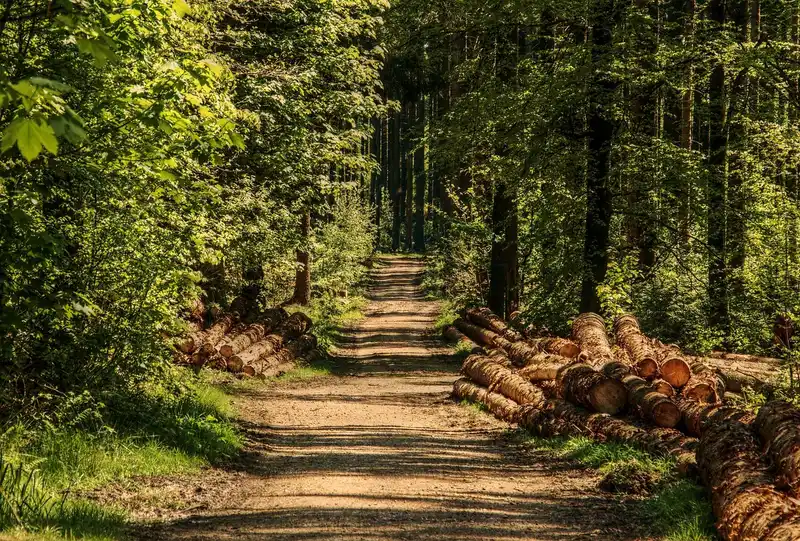
Not all shade is equal. Light shade, partial shade, and dappled shade can suit many plants, while dry shade and damp shade support very different plant sets. The same border can shift between them depending on tree cover, walls, soil depth, and how much rain reaches the roots.
Light shade, partial shade, and dappled shade
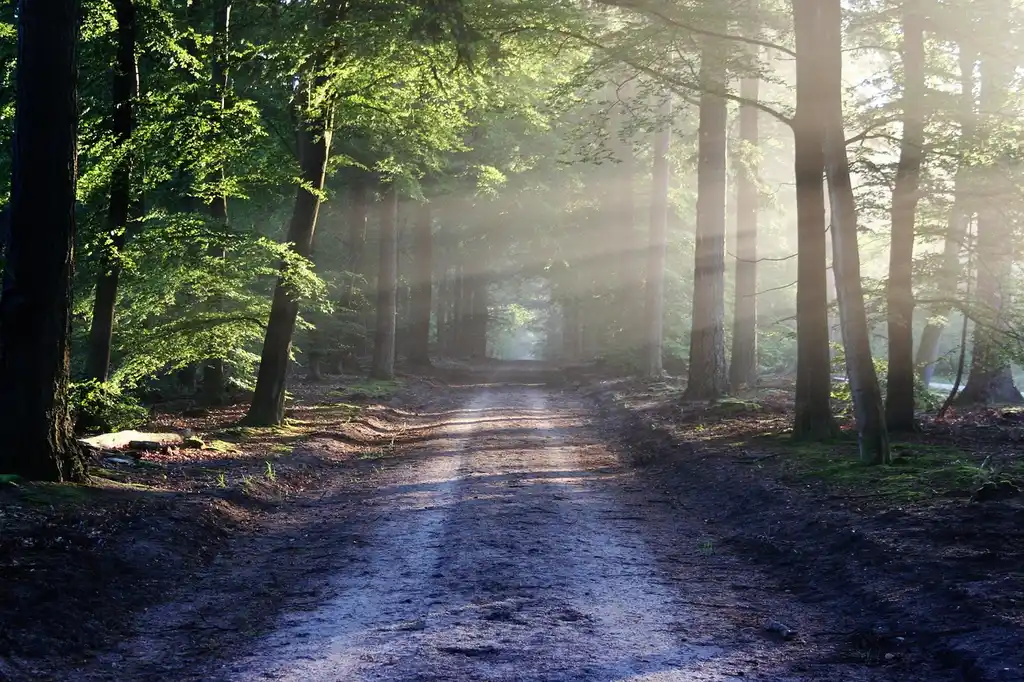
Light shade means slight shade for all or most of the day. Partial shade means plants are in the sun for some of the day. Dappled shade is blotchy shade created when the sun filters through overhead foliage. These three conditions still receive enough light for many garden plants.
Dry shade versus damp shade
Dry shade is low light plus low moisture. Damp shade is generally low light with moist soil. The difference matters because plants for dry shade differ significantly from plants for damp shade. A plant that likes cool, moist shade may collapse if the same spot dries under tree roots or beside a wall.
Why tree canopy shade is often the hardest case
Tree canopies can block light and may direct rainfall away from the immediate area. Trees create dry shade because their roots take up much of the water in the soil. That means the plant below the canopy is dealing with less light, less rain, and more root competition at once.
Picture a bed under a mature maple where the soil feels dry a week after rain. The leaves above cut the light, and the roots below take water first. That site is not the same as a north-facing border that stays moist after showers. The plant choice should change with it.
What makes a plant shade tolerant?
Shade tolerance depends on plant form, not a label on a pot. Leaves, growth rate, and water use all matter. Plants that succeed in shade often invest in light capture and conserve resources, while plants that want faster growth or lush foliage usually need more light or more moisture.
Leaf size and light capture
Many shade plants have broad leaves that help them intercept limited light. Thin leaves can also be useful because they are cheaper for the plant to produce and maintain. That is why many shade-tolerant plant forms include woodland perennials, ferns, ground covers, and ivies rather than sun-loving species.
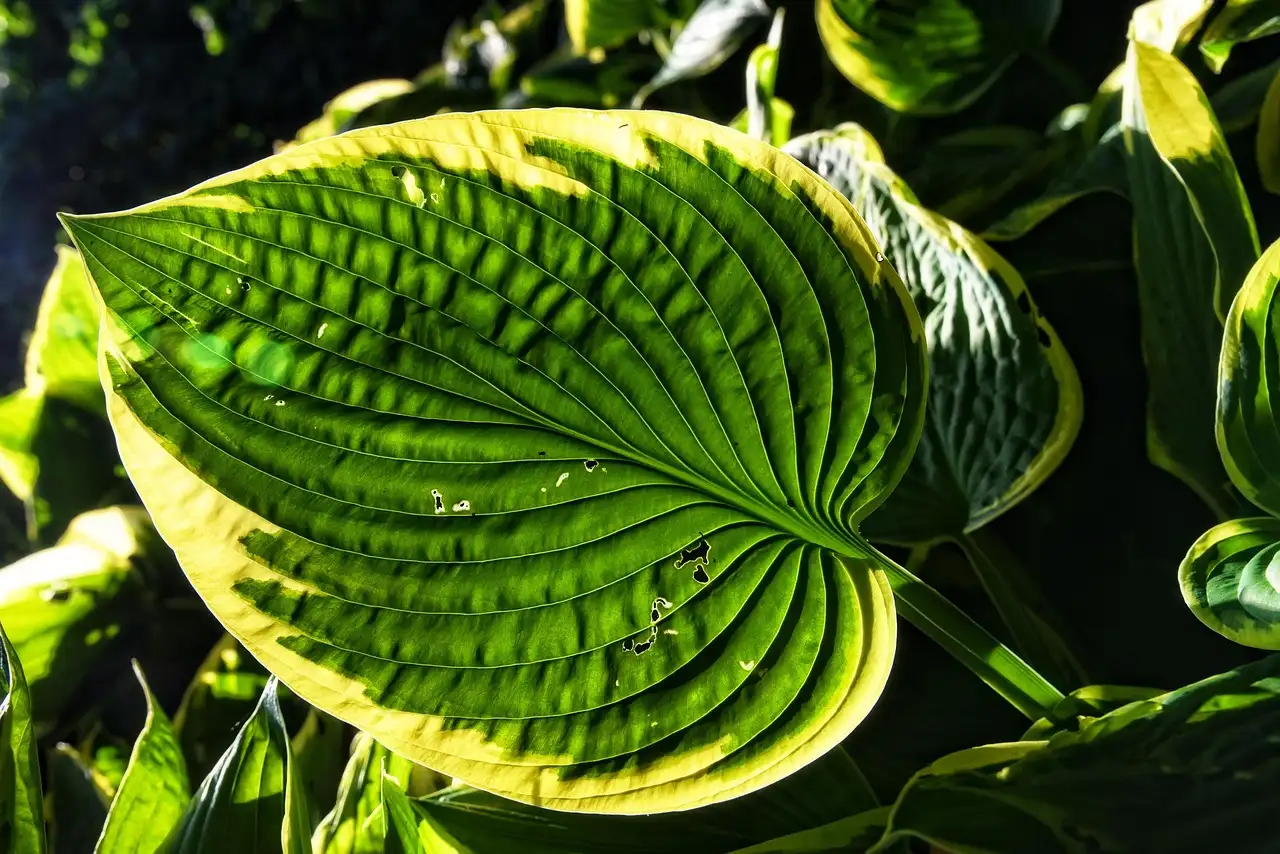
Large-leaved shade lovers such as rodgersia and hostas are best avoided in dry shade. Lush foliage needs soil that stays moist. If the same plant sits under a tree canopy with dry roots and little rain, the leaves may scorch at the edges or collapse before summer ends.
Growth rate and leaf turnover
Slow to moderate growth can help in shade because the plant is not trying to build a lot of new tissue on a low energy budget. Fast-growing plants often ask for more light, more moisture, or both. In shade, a slower rhythm usually lasts longer and fails less often.
Water use and root competition
Water use is the other half of the problem. A plant may tolerate low light but still fail if its roots cannot reach enough moisture. Root competition from trees can be severe, especially where the canopy sheds rain away from the bed. That is why dry shade and damp shade need different plants.
Shade plants decision matrix
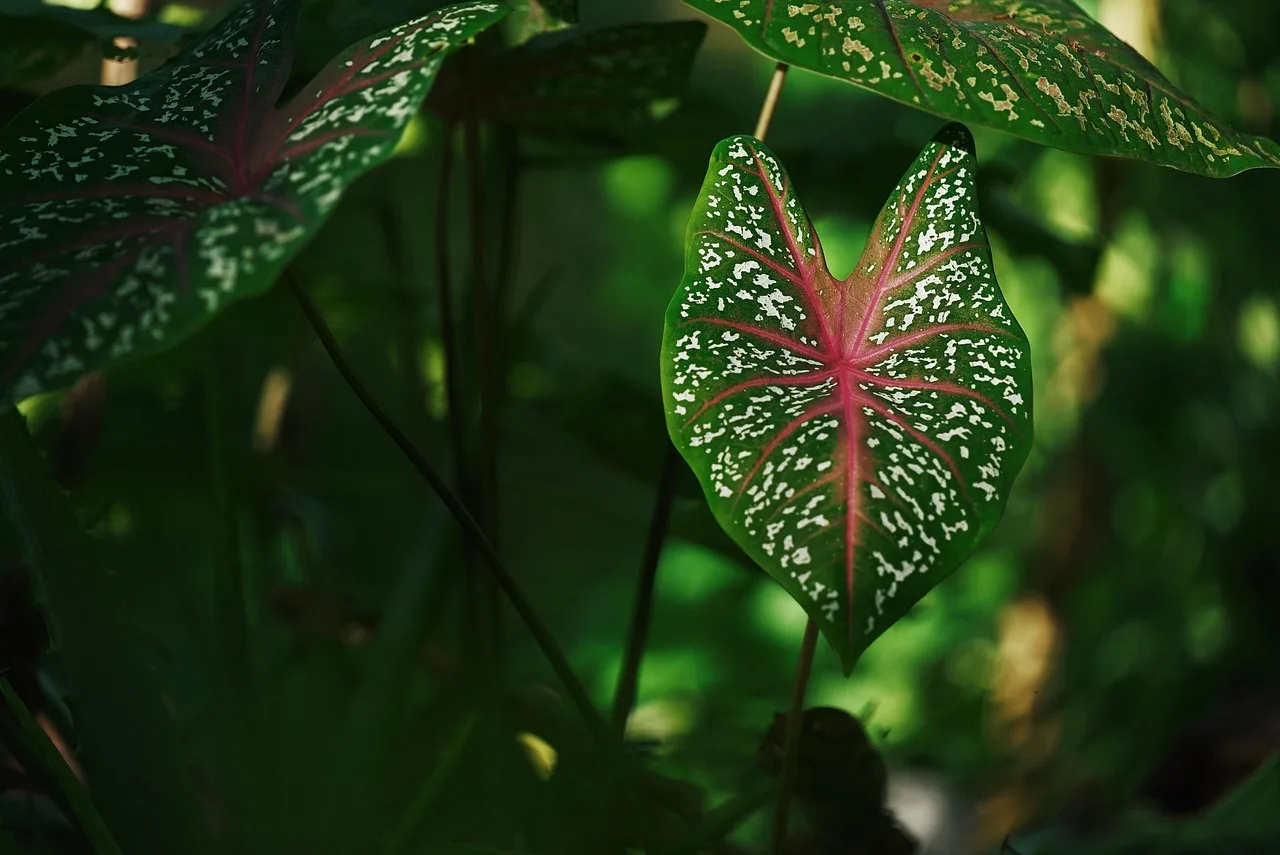
Use the matrix below to match the site first, then the plant trait. A “Yes” means the trait generally fits that shade condition. A “No” means the combination is a poor bet without extra watering, soil improvement, or both. This is a practical filter, not a promise of success.
| Shade condition | Light level | Soil moisture | Root competition | Leaf size | Evergreen or deciduous | Establishment difficulty | Fit |
|---|---|---|---|---|---|---|---|
| Light shade border | Moderate | Even to slightly moist | Low | Medium | Either | Moderate | Yes |
| Partial shade bed | Moderate to good | Even moisture | Low to moderate | Medium to broad | Either | Moderate | Yes |
| Dappled shade under open trees | Filtered light | Moist but draining | Moderate | Medium | Either | Moderate to high | Yes |
| Dry shade under dense canopy | Low | Low | High | Small to medium | Often evergreen | High | Yes, with the right traits |
| Dry shade with large leaves | Low | Low | High | Broad | Usually deciduous | High | No |
| Damp shade beside a wall or hedge | Low to moderate | Moist | Moderate | Medium to broad | Either | Moderate | Yes |
How to read the matrix
Start with moisture. If the soil dries quickly, treat the site as dry shade even if the light is only moderate. Then look at leaf size and establishment difficulty. Bigger, softer leaves usually want steadier moisture, while smaller-leaved or tougher plants cope better where roots and dry soil limit uptake.
Common fit checks for garden situations
- If the spot gets morning sun and afternoon shade, treat it as partial shade.
- If the soil is dry most weeks, do not choose moisture-hungry shade plants.
- If the bed sits under a tree canopy, expect less rain and more root competition.
- If leaves are large and soft, assume the plant needs consistently moist soil.
- If you want reliability in dry shade, choose species known for low water use.
Which plants cope under trees?
Plants that survive under trees usually combine low light tolerance with a way to handle root competition. The most reliable options tend to be evergreens, woodland perennials, ground covers, ferns, and ivies. In dry shade, small or tough leaves often outperform large, lush foliage.
Large-leaved plants and why they need moisture
Large-leaved shade plants are built for capturing light, but that leaf area can drive more water demand. Hostas and rodgersia are classic examples of plants that prefer shade with moisture. In dry shade, they are far more likely to struggle because the soil cannot keep up with their water use.
Ferns, ivies, and woodland perennials
Ferns and ivies often do well because they are adapted to lower light and steady, moderate moisture. Woodland perennials can also fit well when the soil is not dry. The key is that their leaf form and growth habit suit the light level without demanding a constantly wet root zone.
Evergreens and ground covers for shade
Evergreens can hold a place in shade through the year because they keep working with lower light. Ground covers are useful where roots compete for space and moisture because they spread without demanding much vertical growth. In hard shade, that steady, low-profile habit often works better than a big leafy clump.
Suppose a border under a plum tree has dry soil and filtered light. A hosta may look fine at planting, then decline as summer dries the bed. A ground cover or a tough evergreen suited to dry shade is a better match because the site asks for drought tolerance as much as shade tolerance.
How to choose the right plant for a shady spot
Choose by moisture first, then by light. That order matters because dry shade is much harder than damp shade. A plant can often adapt to less light, but it cannot ignore a dry root zone for long. Check the site after rain and again during a dry spell before buying.
Match the plant to moisture first
If the soil stays moist, you can use a broader range of shade plants, including some with larger leaves. If the soil is dry, narrow the list to plants that tolerate both shade and drought. This is where many shade plants fail: they are chosen for light conditions and ignored for water demand.
Match the plant to light second
Once moisture is sorted, compare the plant to the actual light level. Light shade and partial shade allow more choice than deep shade. Dappled shade is often easier than a dark corner under dense canopy, but only if the soil still holds moisture and roots are not pulling it away.
What to expect during establishment
New plants often need protection or care while establishing, especially in shade that is also dry or root-bound. Watering during the first season is generally more important than later. A good plant can still stall if it is left to compete with tree roots before its own root system has settled in.
Frequently asked questions
Why do some plants do better in shade than others?
Some plants have leaves and growth habits that fit low light better than others. Thin or broad leaves can capture more available light, while slower growth helps the plant live on a smaller energy budget. If the same shady spot is also dry, the plant must also cope with water stress.
Is dry shade harder for plants than damp shade?
Yes. Dry shade combines low light with low moisture, and that is much harder than damp shade. Plants have to manage energy shortage and water shortage at the same time. Damp shade supports a different plant set because the roots can keep taking up water even when light is limited.
Which plants survive under trees and why?
Plants under trees need to handle both root competition and reduced rain. Ferns, ivies, some woodland perennials, and many shade-tolerant evergreens do better because they can function in lower light and cope with more modest water supply. Under dense canopies, the toughest winners are often low-water, low-light plants.
What is the difference between light shade, partial shade, and dappled shade?
Light shade means slight shade for all or most of the day. Partial shade means plants are in the sun for some of the day. Dappled shade is blotchy shade created when sunlight filters through overhead foliage. Those differences matter because each one changes how much energy a plant can collect.
Are large-leaved plants bad for dry shade?
Usually, yes. Large-leaved shade lovers such as hostas and rodgersia are best avoided in dry shade because their foliage needs a continually moist soil. In a dry root zone, the leaves may scorch, wilt, or die back even if the plant would be fine in damp shade.