Gardening Techniques for Repotting Houseplants
Up-pot if roots circle the pot but the root ball still holds moisture; root-prune when roots are dense and water runs through too fast; refresh soil when roots have space but the mix is spent. Choosing the wrong fix can leave a plant staying wet, drying out too fast, or losing root function. This guide shows how to read roots, choose the least-stress method, and repot with less setback.
When should you repot a houseplant?


Most houseplants need repotting once every three to five years, but timing depends more on root behavior and soil condition than on the calendar alone. Late winter is often a good time to repot, and early spring also works well because many plants are waking up and may be ready to push new growth.
Repot sooner if the plant dries out between waterings, top-heavy plants keep falling over, small leaves appear, new growth slows, or a salty crust shows up on the soil surface. Those signs point to root crowding, old mix, or both. Fast growers such as pothos may need attention more often, and some experts repot root-bound pothos annually. (UADA)
Why timing matters
Repotting causes a short reset in root function. When growth is active, the plant can replace damaged roots and adjust to fresh mix faster. In fall, some houseplants can still be repotted safely, but spring timing is usually easier on most indoor plants because recovery and new growth tend to line up.
One common mistake is repotting only because a plant looks tired. A tired plant in midsummer may need water, light adjustment, or a check for pests before it needs a bigger container. A tired plant in late winter, by contrast, may be telling you it is ready for a new pot and fresh mix.
How do you know if your plant is rootbound?
A rootbound houseplant usually shows roots circling inside the pot, roots emerging from drainage holes, smaller leaves, stunted new growth, and top-heavy instability. Moisture behavior matters too. If the mix dries too fast, or water runs through without rewetting the root ball, the roots may have filled much of the container.
Root clues
Check the drainage holes first. If roots are poking out the bottom, the plant may be cramped. Gently slide the plant out only if the root ball can be removed without tearing it apart. Dense roots that wrap around the outside of the root ball usually mean the plant has outgrown the pot.
Leaf and moisture clues
Small leaves and little new growth are warning signs. So is a pot that leans over because the top growth outweighs the root mass. A salty crust on the soil surface suggests the mix has been used up or is holding fertilizer salts, which often means new mix is needed even if the roots are not fully packed.
Suppose a pothos in a 6-inch plastic pot dries out in two days after a normal watering. If the roots are circling the inside of the pot and the vines look smaller at the tips, that plant likely needs more root room or at least fresh mix. The drying pattern and root shape point to the fix.
Repotting decision checklist
Choose the least disruptive option first. Use root condition, moisture behavior, and container fit together. The goal is not to make the pot larger every time. The goal is to match the plant’s roots to the smallest change that solves the problem.
| Branch | Trigger symptoms | Container-size rule | First 14 days aftercare |
|---|---|---|---|
| Up-pot by one size | Roots circle the pot, roots may show at drainage holes, leaves are smaller, growth is slow, and the root ball still holds moisture for a normal interval | Move up only one size; avoid jumping several pot sizes because oversized pots raise overwatering risk | Water once after repotting, then wait until the top layer begins to dry before watering again; keep bright indirect light; check for drooping, yellowing, or a mix that stays wet for too long |
| Keep the same pot and refresh mix | Roots still have room, but the mix is spent, crusty, compacted, or hydrophobic; water runs off or channels through without wetting the root ball | Stay in the same pot if the roots are not packed and the container still fits the root mass | Remove old loose mix, refill with fresh potting mix, water thoroughly once, then monitor moisture closely for two weeks; avoid a heavy watering schedule while the fresh mix settles |
| Root-prune and repot | Roots are dense, circling heavily, water runs through too fast, the plant is unstable, or the root ball is so packed that roots are spiraling hard against the pot wall | Repot into the next size up after trimming roots; do not increase the pot more than one size | Remove dead, sloughing roots, trim circling roots, replant in fresh mix, then keep light even and watering modest for 14 days while new roots establish |
A common first-timer mistake is choosing a bigger pot when the real problem is dead mix. If the root ball is still loose enough but the soil has turned water-repellent, a larger container can make the wet-dry cycle worse. Fresh mix often solves the issue without changing pot size.
What pot and mix should you use?
Use a container with a drainage hole at the bottom. That hole helps prevent overwatering and underwatering by letting excess water escape and giving the root zone a safer drying pattern. Decorative pots without drainage can still be used, but only as cachepots with a nursery pot inside.
Terracotta, plastic, or ceramic?
Terracotta is generally more breathable and dries faster, which can help plants that are prone to staying wet. Plastic and ceramic pots hold moisture better, which suits plants that dry too fast or under-waterers that need a little more buffer between waterings. The pot should fit the plant’s moisture behavior, not just the room décor.
Why fresh potting mix matters
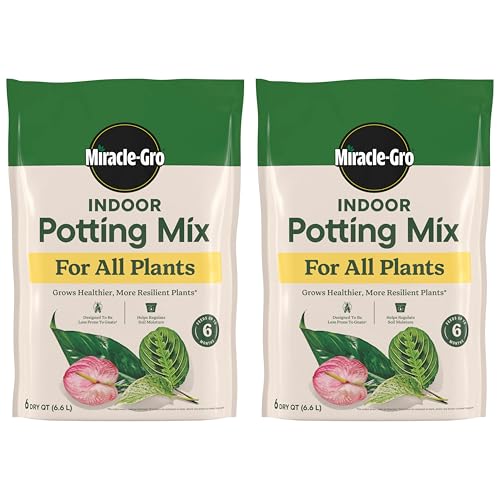
Use fresh potting mix, not garden soil. Garden soil is too dense for most containers and can reduce air space around roots. Fresh potting soil helps restore drainage and aeration, and it can replace depleted or hydrophobic media that no longer wets evenly. MorningChores also lists hydrophobic soil as a reason to repot.
Do not jump several pot sizes. Pot size should usually be increased in small steps, and a slightly larger pot is the usual target. Oversized pots hold extra wet mix around the roots, which can slow drying and raise rot risk.
How should you repot different houseplants?
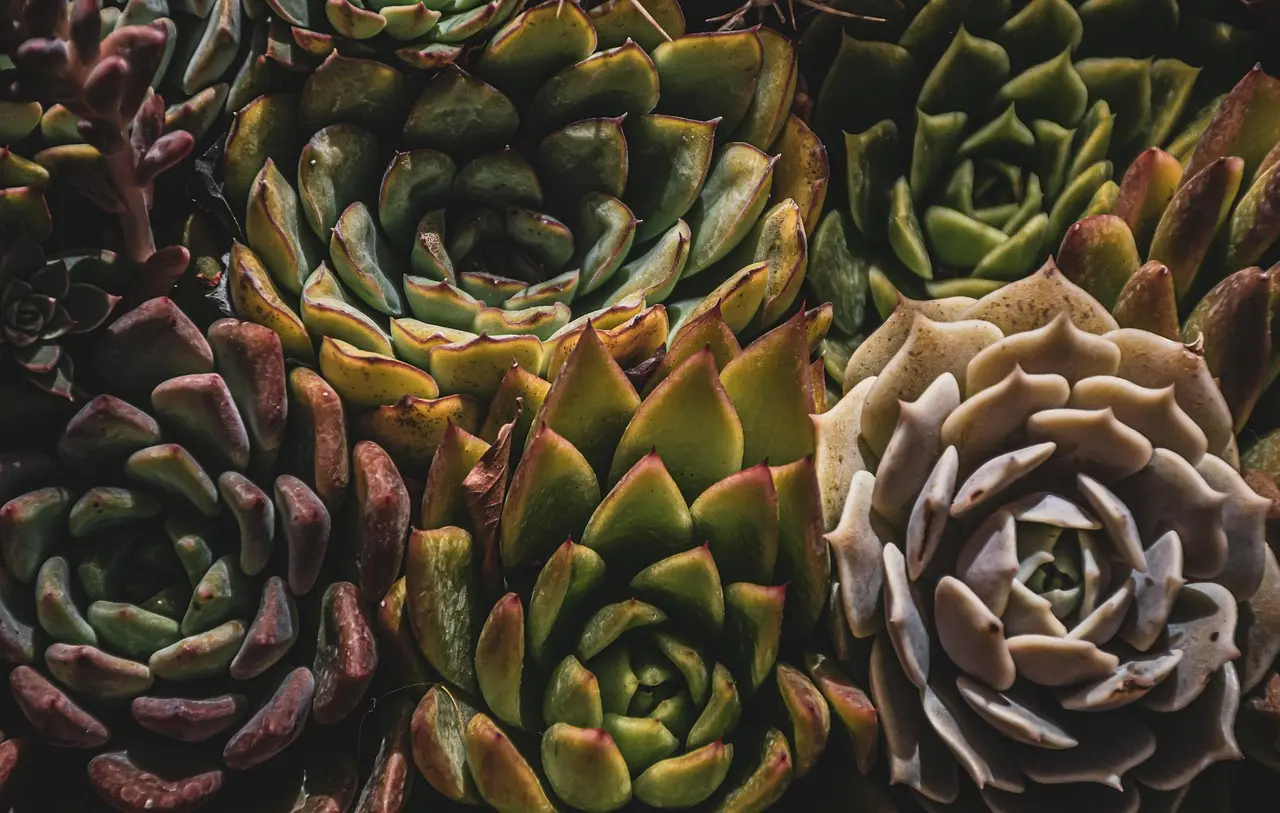
Different houseplants need different handling. Aroids, succulents, and trailing vines do not all respond the same way to extra water, extra root disturbance, or a bigger container. Choose the method that fits the plant’s growth habit and water use, not a single routine for every pot on the shelf.
Aroids and other fast growers
Aroids such as pothos often tolerate more active root work than slow growers, but they still benefit from timing and restraint. If a pothos is rootbound, some experts repot it annually. Gardening Know How notes that a root bound pothos can still be happy, and late winter is a practical time to repot for spring growth.
For fast growers, check root density before you automatically up-pot. A pothos with crowded roots but still-moist soil may need a slightly larger pot. A pothos with roots packed tight and water racing through the mix may need root pruning as well as fresh soil.
Succulents and plants that hate wet feet
Succulents usually need very free-draining mix and a pot that does not stay wet for long. For them, refreshing the mix can matter as much as changing the pot. Terracotta often works well because it dries quickly. If the roots are healthy and the old mix is still airy, staying in the same pot may be the better move.
Trailing vines and cachepots
Trailing vines can hide root crowding because the top growth still looks full while the pot is packed below. Check the drainage holes and moisture pattern, not only the foliage. If the plant lives in a cachepot without drainage, keep the plant in a separate pot with holes and lift it out for watering so excess water never pools under the roots.
Say your pothos sits inside a ceramic cachepot with no hole. Keep it in a plastic grow pot with drainage, water it over a sink, let it drain fully, and return it to the cachepot only after runoff stops. That avoids standing water in the decorative container.
What steps reduce transplant shock?
Slow, careful handling reduces shock more than fancy treatment does. Remove loose old mix, inspect the root ball, cut only damaged or circling roots, and reset the plant at the same crown depth it had before. Then water once so the new mix settles around the roots.
- Slide the plant from the pot and loosen only the outer ring of roots and mix.
- Remove dead, sloughing roots. Healthy roots should generally stay firm.
- Cut circling roots where they wrap tightly around the root ball.
- Set the crown at the same depth it had before repotting.
- Backfill with fresh potting mix and gently firm it, without packing it hard.
- Water once so the mix settles, then let excess water drain away fully.
Do not overcut roots. Trimming should focus on circling roots and clearly dead tissue, not on shaving away large amounts of healthy root mass. A plant already stressed by low light, a wrong-season move, or wet soil needs less disturbance, not more.
How do you care for the plant after repotting?
For about the first 14 days, keep light bright but indirect, water only when the mix begins to dry at the top, and watch for signs of stress rather than trying to force growth. The goal is stability. Roots need time to settle into the new mix before the plant is pushed hard.
Watering and light for 2 weeks
After the first watering, avoid a fixed schedule. Instead, judge by moisture and pot size. A larger pot may hold water longer, while terracotta dries faster than plastic or ceramic. If the plant sits in stronger sun than before, shorten the interval between checks, not the watering volume.
What to watch
Look for drooping that does not improve overnight, yellowing leaves, foul-smelling mix, or a pot that stays wet for too long. Those signs can mean the plant was oversized, the roots were cut too hard, or the mix is too dense. If the plant is collapsing, pull back and check the roots before watering again.
When to pause and reassess
If the pot feels heavy for days, the leaves darken and soften, or the plant leans more after repotting, stop watering and assess the root zone. Overwatered roots can fail quickly in a pot that is too large or in mix that stays wet. Under-watered plants usually show faster wilt and dry mix, especially in terracotta.
Frequently asked questions
How do I know if my plant is rootbound?
Look for roots circling inside the pot, roots poking out of drainage holes, smaller leaves, stunted new growth, and top-heavy instability. If water runs through too fast or the mix dries unusually quickly, the root ball may be packed enough that the plant needs a different container or fresh mix.
What size pot should I use when repotting?
Increase pot size only one size at a time. A slightly larger pot is usually enough, and jumping several sizes can leave too much wet soil around the roots. If the roots still fit comfortably and the mix is the problem, keep the same pot and refresh the soil instead.
Do I need to cut circling roots when repotting?
Yes, circling roots should be cut when they are wrapping tightly around the root ball. Remove dead, sloughing roots too. Keep the pruning moderate, though. Healthy roots should stay in place unless they block the plant from fitting into fresh mix or from spreading normally in the new pot.
Should I repot houseplants in fall or spring?
Spring is usually the safer choice because many houseplants are waking up and can recover faster. Late winter is also widely recommended. Fall can work for some plants, and some guidance says it is an excellent time for many houseplants, but growth pace and indoor conditions matter.
What kind of pot is best for houseplants?
Choose a pot with a drainage hole at the bottom. Terracotta dries faster and suits plants that stay too wet. Plastic or ceramic holds moisture longer and can suit plants that dry out too quickly. The best pot is the one that matches the plant’s water behavior and root size.
Can I use garden soil for repotting houseplants?
No. Garden soil is not a good container medium for most houseplants because it can compact and reduce airflow around roots. Use fresh potting mix instead. If the old media is spent or hydrophobic, replace it with a mix that fits the plant’s drainage and aeration needs.
How often do houseplants need repotting?
Most houseplants need repotting once every three to five years, but fast growers may need attention sooner. Some pothos can be repotted annually if they become rootbound. Watch the roots, moisture pattern, and growth rate instead of relying only on the calendar.