How Botanical Gardens Care for Tropical Plants Outdoors
Botanical gardens often keep tropical plants outdoors by pairing heat, humidity, windbreaks, shade, irrigation, and winter protection, and may move or cover plants before temperatures fall below about 50°F. Without those controls, leaves scorch, roots stall, and one cold night can wipe out months of growth. This guide explains the microclimate systems, thresholds, and failure points that protect tropical collections outside.
Why tropical plants need managed outdoor conditions
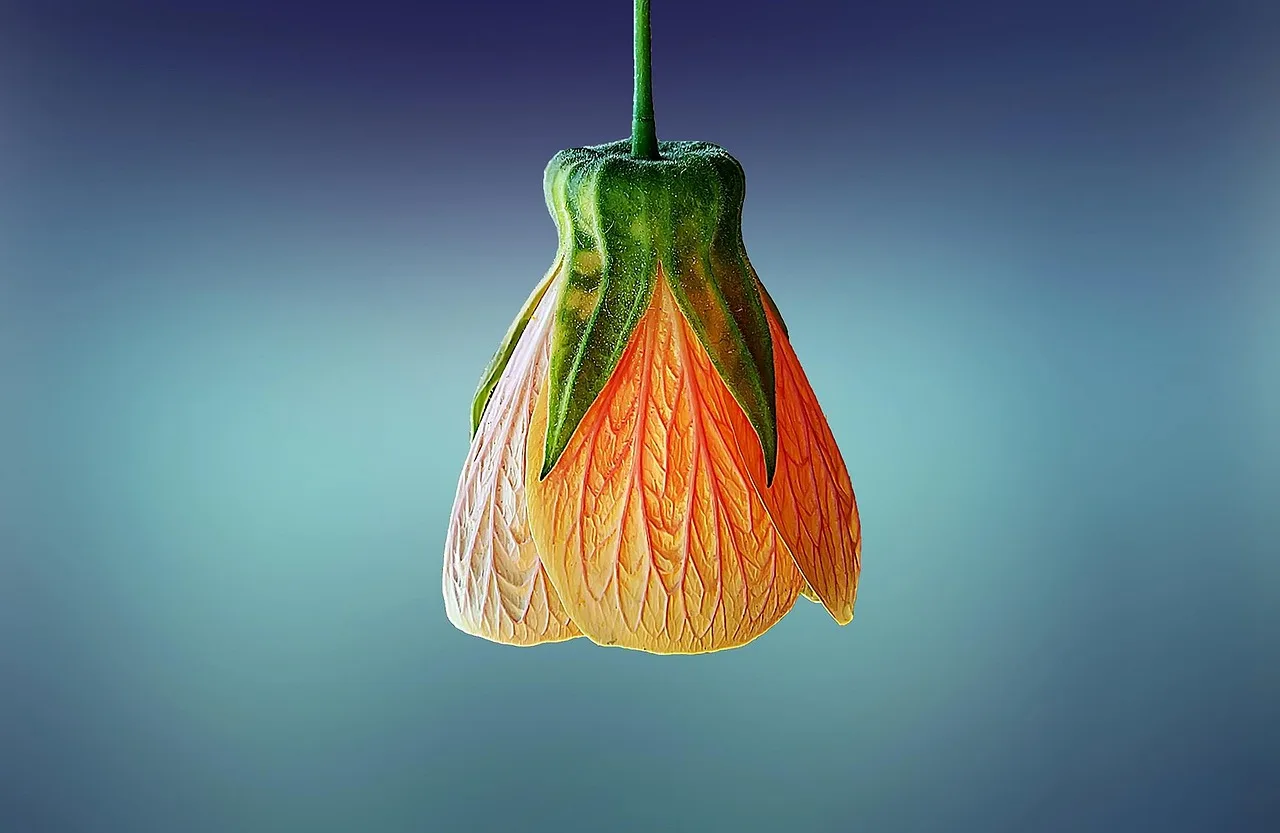


Tropical plants usually need steady warmth, steady moisture, and filtered light because their tissues and roots slow down when conditions swing too far. Many collections include heliconias, bananas, orchids, bromeliads, gingers, and colocasia, but those groups do not tolerate the same exposure. The site has to match the plant.
Warmth, humidity, and light tolerance
Warmth keeps growth moving. Humidity reduces leaf stress, but roots still need oxygen, so wet soil and humid air are not the same thing. Many tropicals do best in bright shade or broken sun, while some bananas and colocasia accept more direct light if water stays steady and wind stays low.
Cold sensitivity and damage thresholds
Cold injury often starts before frost appears on the leaves. For sensitive material, many gardens begin protection around 40°F to 45°F, especially if the plant is young, in a pot, or exposed to wind. Brief dips below that range can cause limp foliage, blackened margins, or stalled growth even without visible ice.
Once temperatures approach freezing, the risk rises fast. A single night near 32°F can damage tender bromeliads and gingers, while more resilient bananas may only lose leaves but still need protection at the crown and roots. The threshold depends on species, exposure, and how long the cold lasts.
Examples of tropical collections grown outdoors
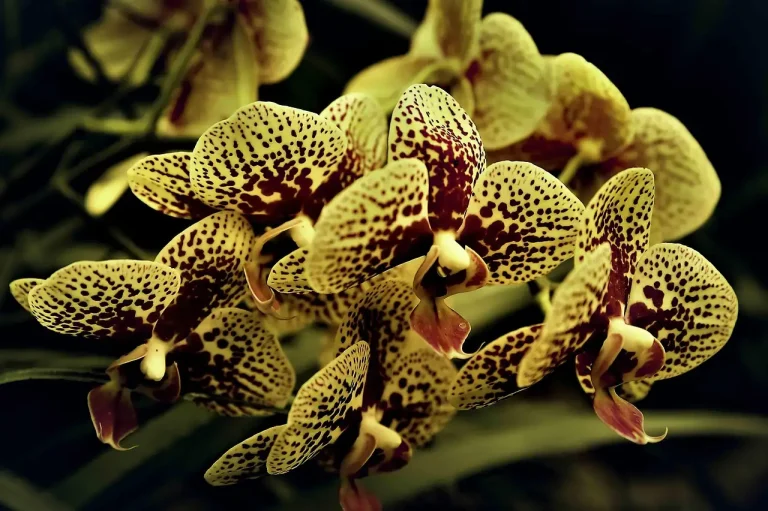
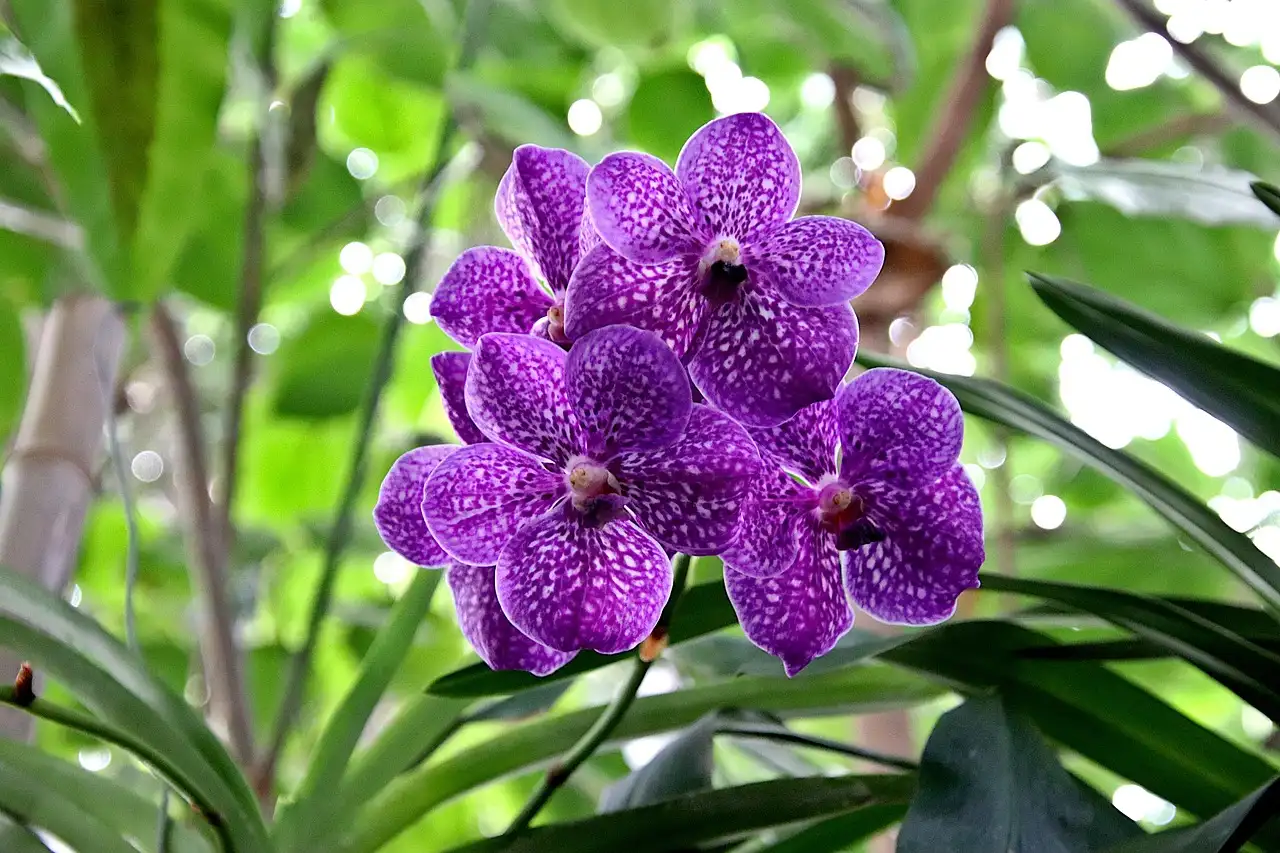
Botanical gardens often place hardier tropicals in the most protected beds and move tender species closer to backup housing. Heliconias may stay outdoors in warm, sheltered corners. Colocasia can handle more moisture than many tropicals but still suffers in cold soil. Orchids and bromeliads usually need stronger shade and tighter moisture control.
How gardens choose the right microclimate
Outdoor tropical care starts with the site, not the plant label. Gardens place collections where heat lingers, wind stays low, and water drains well after rain. A south-facing wall, a courtyard, or a canopy edge can hold several degrees more warmth than an open lawn.
Sun exposure and heat retention
Heat-retaining walls, paved paths, and stone borders can buffer nighttime cooling. South-facing exposure is useful in the northern hemisphere because it gathers more sun across the day. The best site is often warm in winter but still shaded enough in summer to prevent leaf scorch.
Wind shelter and reflected warmth
Wind strips heat from leaves and dries the root zone faster than many visitors expect. Shrubs, fences, buildings, and even dense plantings can cut that wind. Reflected warmth from walls can help tropicals, but too much reflected heat can push leaf temperatures high enough to burn the foliage.
Rainfall patterns and site drainage
Rainfall matters as much as temperature. In humid climates, a low spot can stay wet long after a storm, which invites root rot. In dry climates, a sheltered bed may warm well but still need more irrigation. Good site choice balances warmth, runoff, and access for hoses or drip lines.
How do botanical gardens protect tropical plants from cold snaps?
Botanical gardens protect tropical plants from cold snaps by acting before the low temperature arrives, not after damage is visible. Staff may cover plants, add temporary frames, move containers, or run approved heat sources when forecasts show a risky night. The response usually starts several hours before sunset.
Trigger temperatures for action
For sensitive tropicals, action often begins at 40°F to 45°F, especially in exposed beds. More hardy specimens may wait longer, but collections are usually protected before frost is forecast. Wind and dry air can justify earlier action because they increase stress even when the thermometer stays above freezing.
Covering materials and portable structures
Common tools include frost cloth, blankets rated for plants, cloches, low tunnels, portable frames, and temporary enclosures. Covers should reach the ground to trap warmer air, but they must not crush foliage. Where allowed, small heat sources can be used under larger structures, provided they are monitored and kept away from dry plant material.
Emergency timing before overnight lows
Coverage works best before leaf temperature drops sharply. If a cold front is due overnight, staff usually water the root zone earlier in the day, position covers before dusk, and check that ties, weights, and frame edges will not fail in wind. Waiting until frost forms leaves too little margin.
Say your garden keeps a 6-foot banana in an exposed bed. A forecast of 41°F with gusty wind may be enough to trigger a cover, even though the plant is far from freezing. The goal is to prevent the cold and wind combination from pulling heat out of the crown and leaves.
Do botanical gardens use shade cloth for tropical plants?
Yes. Shade cloth is a standard tool for tropical outdoor collections, especially for plants that burn in direct sun or lose water too quickly. The right percentage depends on species and season, but about 30% to 50% shade is commonly used for many tropical displays, with heavier shade used for more tender foliage.
Shade cloth percentages and placement
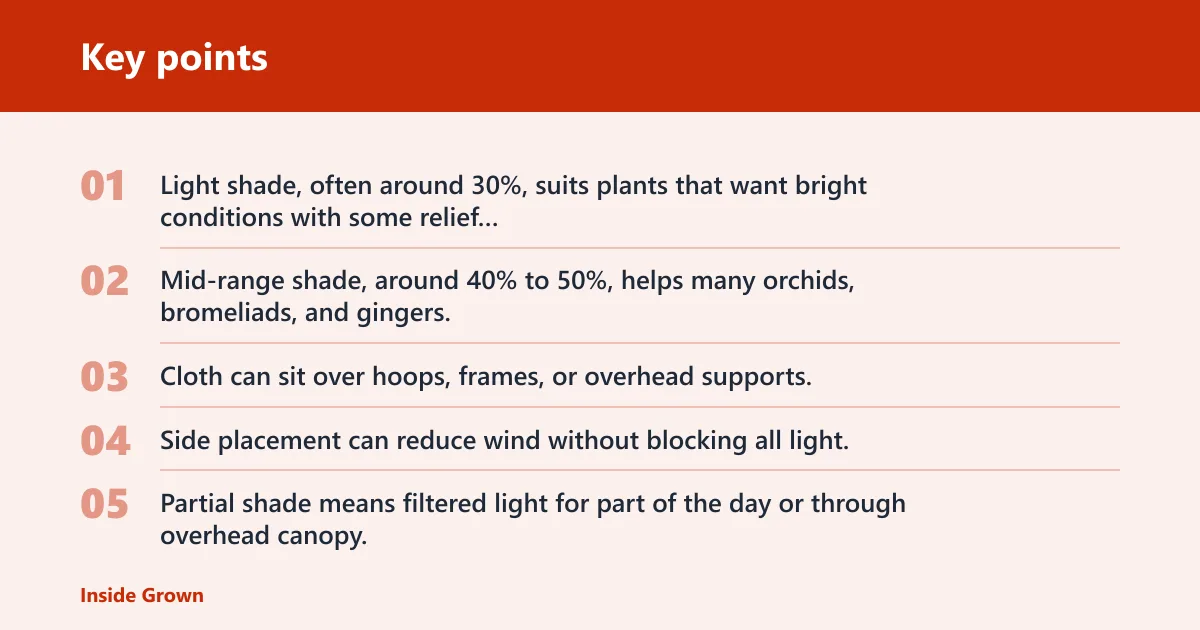
Light shade, often around 30%, suits plants that want bright conditions with some relief from afternoon sun. Mid-range shade, around 40% to 50%, helps many orchids, bromeliads, and gingers. Cloth can sit over hoops, frames, or overhead supports. Side placement can reduce wind without blocking all light.
Partial shade versus full sun
Partial shade means filtered light for part of the day or through overhead canopy. Full sun is only suitable for tropical species that can handle heat and water stress, and even then the leaves may scorch during heat waves. A plant that looks fine in spring can fail once summer sun and reflected heat intensify.
Reducing scorch during hot spells
During heat waves, gardens may increase shade, raise irrigation frequency, and check leaf edges for crisping or bleaching. Heat scorch usually shows first on exposed upper leaves, while wind burn often starts on the side facing the breeze. If damage appears, staff adjust exposure before the whole bed declines.
Outdoor watering and drainage systems
Watering tropical collections is not a fixed schedule. Gardens adjust irrigation for rainfall, soil type, pot size, heat, and wind. The aim is consistent root moisture without saturation, because tropical roots fail quickly when air cannot move through the medium.
Drip irrigation and mist systems
Drip lines are common because they send water to the root zone with less waste. Mist systems can help in nurseries, propagation areas, or collections that need extra leaf humidity, but mist should not replace root watering. In a bed, frequent misting without drainage can leave foliage damp and still dry out the roots.
Soil-moisture monitoring
Staff often check moisture by hand, with probes, or with soil sensors, depending on the collection. The key is to know the difference between surface dryness and a dry root zone. A bed may look wet after rain but still have dry pockets under mulch or, in the opposite case, stay waterlogged below the surface.
Seasonal watering changes
Watering usually rises during hot, windy periods and falls after cool weather or regular rain. In dry-climate gardens, tropical beds may need more frequent irrigation even in winter. In humid gardens, the bigger risk may be too much water after repeated storms. Seasonal records keep those changes visible.
Tropical soil and mulch setup
Tropical plants need a root zone that drains quickly and still holds enough moisture between waterings. Soil structure matters more than fertilizer alone. Organic matter, coarse particles, and a suitable pH help roots stay active while reducing the chance of rot.
Drainage and organic matter
Raised beds, amended planting pits, and coarse media can improve drainage. Organic matter helps moisture retention and soil life, but too much fine compost can hold water too tightly. Many tropical collections do best in mixes that drain fast after rain yet do not dry out to dust in one afternoon.
Root-zone insulation
Mulch protects roots from sudden heat and cold swings. A 2- to 4-inch layer is common, though it should stay a few inches away from the stem or crown to avoid rot. Mulch also reduces splash from heavy rain, which can spread soil-borne disease onto lower leaves.
pH and media fit for the collection
pH should match the plants in the bed rather than a generic target. Many tropicals tolerate slightly acidic media, but orchids, bromeliads, and some understory species often need a more specific mix. The right pH matters because nutrient uptake can fail even when water and light look correct.
What kinds of tropical plants can grow outdoors in botanical gardens?
The most successful outdoor tropicals are the ones that match the garden’s climate and microclimate. Hardy bananas, heliconias, ginger relatives, colocasia, bromeliads, and some orchids can grow outside where winters are mild and protection is available. Tender species usually stay in the warmest, most sheltered beds.
In subtropical gardens, the mix can be broader because winter lows are less severe. In dry-climate gardens, the list narrows to plants that tolerate strong sun and lower humidity, or that can be placed under shade and irrigation. Coastal gardens may gain winter moderation but still need wind protection from salt and gusts.
Greenhouse backup and overwintering
Outdoor tropical display usually depends on backup space. When cold weather arrives, gardens move the most tender specimens into greenhouses, conservatories, or other protected rooms. That backup keeps the collection alive without forcing every plant to face the same winter exposure.
Temperature and humidity control
Overwintering spaces need steady temperatures, often above the damage range for the collection, plus humidity that does not drop too low. If the air is too dry, plants may lose leaves even if the air stays warm. If humidity is too high without movement, fungal problems can increase quickly.
Hardening off and collection rotation
Plants that move outdoors in spring should harden off gradually. Sudden sun or wind can burn foliage that grew under cover. Rotation helps too: the most tender plants go in first, while hardier ones may stay out longer. That keeps labor focused where the risk is highest.
Tropical care checklist table
| Risk | Visible symptom | Likely cause | Immediate action | Seasonal priority for dry gardens | Seasonal priority for humid gardens | Seasonal priority for subtropical gardens |
|---|---|---|---|---|---|---|
| Cold scorch | Blackened or glassy leaves | Night low near freezing; wind exposure | Cover before sunset; add portable frame or move pots under shelter | High in winter and on clear nights | Medium in winter fronts | High during cold snaps |
| Heat stress | Leaf curl, pale patches, midday wilt | Direct sun, reflected heat, low humidity | Add shade cloth; water early; reduce reflective exposure | High in late spring through summer | Medium during heat waves | High in summer dry spells |
| Root rot | Yellowing, soft stems, sour soil smell | Poor drainage, overwatering, saturated mulch | Pause irrigation; improve drainage; inspect roots | High after irrigation errors | High after rainstorms | Medium in wet winters |
| Wind burn | Torn edges, dry browning on exposed side | Strong wind and low humidity | Add windbreaks; increase mulch and moisture checks | High year-round | Medium near storms | High during fronts |
| Sun scorch | Bleached spots on upper leaves | Too much direct sun after shade-grown growth | Shift to 30% to 50% shade; harden off slowly | High after cloudy periods end | Medium in bright summer | Medium in spring transition |
Frequently asked questions
How do botanical gardens keep tropical plants alive outside?
They keep tropical plants alive outside by managing the whole site as a microclimate. That means sheltered placement, filtered light, regular irrigation, drainage that prevents wet roots, and frost response before cold weather arrives. The best gardens also keep backup space ready for tender plants when weather turns sharp.
What temperature do tropical plants need outdoors?
Many tropical plants prefer nights above about 50°F, while more sensitive material may need protection starting around 40°F to 45°F. The exact limit depends on species, wind, and how long the cold lasts. Gardens often act before frost, because damage can begin well above freezing in exposed sites.
How do botanical gardens manage humidity for tropical plants?
They manage humidity by choosing sheltered locations, grouping plants, using shade, and in some cases adding mist systems or enclosed structures. But humidity alone is not enough. The root zone still needs drainage and oxygen, or plants can decline from rot even when the air feels moist.
How often are tropical plants watered in botanical gardens?
There is no fixed calendar. Watering depends on temperature, rainfall, wind, pot size, soil texture, and plant type. Some beds may need daily checks in hot dry weather, while rainy periods may require little or no irrigation. Soil-moisture checks help staff avoid both drought stress and waterlogging.
What happens to tropical plants in winter at botanical gardens?
In winter, many tropical plants are covered, moved under protection, or shifted into greenhouse backup space. Hardier specimens may stay outside in sheltered beds with mulch and frost cloth ready. Gardens also reduce watering, watch weather records, and track which plants can stay out without damage.