Is Leaf Mold Safe for Vegetable Gardens?
Finished leaf mold is generally safe for vegetable gardens once it is fully decomposed; unfinished leaf piles can sometimes tie up nitrogen and slow crop growth. Use it the wrong way, and seedlings, heavy feeders, and spring beds can stall when they need quick nutrition. This guide explains how to tell finished from unfinished leaf mold, where it helps most, and which crops need a different approach.
What leaf mold
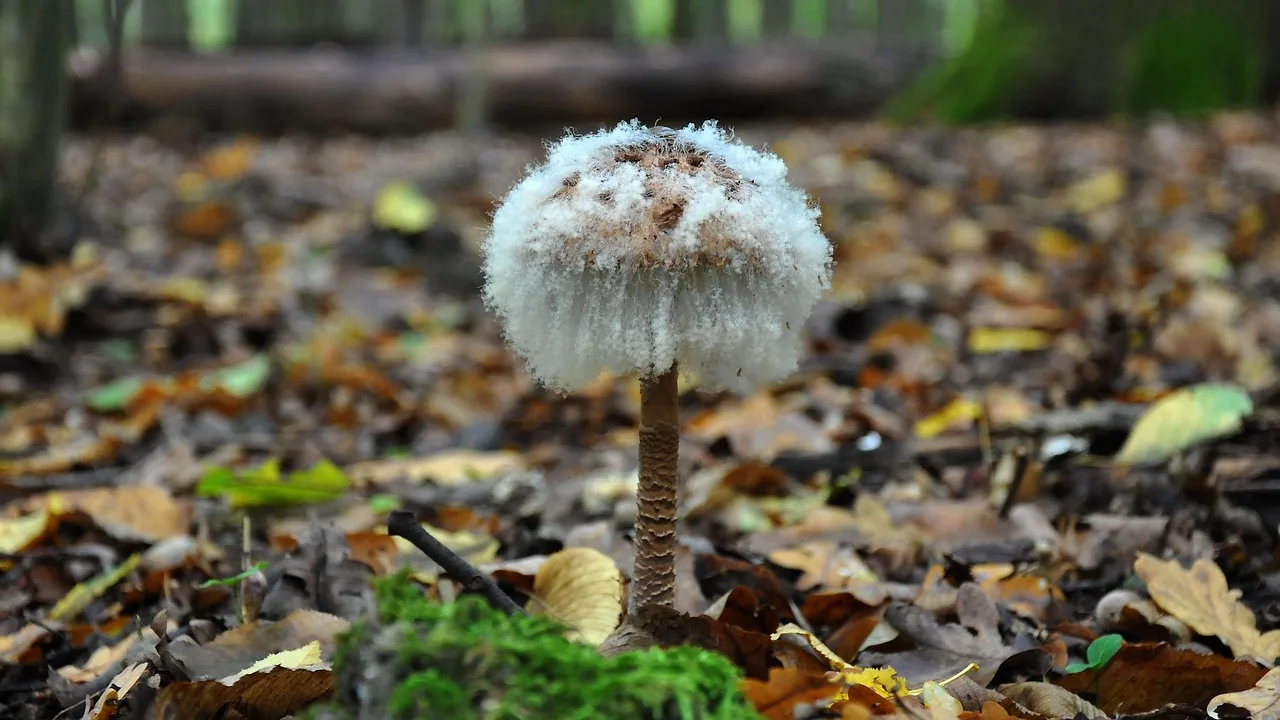



Leaf mold is the dark, crumbly, humus-like material left after deciduous leaves break down through fungal decomposition. Finished material feels soft, earthy, and loose. Fresh leaf piles are different. They still hold leaf shape, heat unevenly, and act more like raw debris than a usable bed amendment.
Finished leaf mold vs. unfinished leaf piles
Finished leaf mold is safe for beds because it is stable enough to work as a soil conditioner or mulch. Unfinished piles belong out of planting zones. They can sit on the surface, pull nitrogen from nearby soil while they break down, and give pests a damp place to hide.
A practical check is simple: if the material still looks like leaves, keep waiting. If it is dark, fine, and crumbly, it is much closer to usable leaf mold. Finished material also blends into soil without leaving obvious leaf skeletons behind.
Why fungal decomposition matters
Leaf mold forms mainly through fungal breakdown, which is slower than the hot, mixed process that makes compost. That slower path is why leaf mold does so well at building structure. It also explains why a leaf pile can look unchanged for a long time, especially if it is dry or packed too tightly. (Wikipedia)
Shredding leaves helps because smaller pieces give fungi more surface area to work on. Keeping the pile moist enough to stay evenly damp also helps. Leaf mold may take 6-12 months to form, while another says it may take up to two or more years to occur naturally. Leaf type, moisture, and pile size all change the pace.
Is leaf mold safe for vegetable gardens?
Yes, finished leaf mold is generally safe for vegetable gardens when it is clean, fully broken down, and made from suitable leaves. Safety depends on source material and stage of decay, not just the fact that it came from leaves. The main risks are contamination, allelopathic leaves, and using unfinished material too soon.
When it is safe
Finished leaf mold works well in vegetable beds as a soil amendment or mulch. It can improve soil structure and drainage, help loosen clay soil, and hold moisture as well as peat moss. It can also hold up to 500% of its weight in water, which helps reduce evaporation during hot weather.
It fits established beds, soil building between crops, and keeping moisture more even when watering is irregular. Added after soil has warmed in spring, it is less likely to slow early growth than a cold, wet layer left in place from winter.
When to limit or avoid it
Limit leaf mold when a bed needs fast nutrition. Heavy feeders such as corn, brassicas, and fruiting crops still need compost, fertilizer, or both. Leaf mold is mainly a conditioner, not a feed. If plants stay pale, grow slowly, or look hungry even with water in place, the bed likely needs more nutrients.
Also avoid using partially decomposed leaves in direct planting rows or fresh seed beds. That material can change temperature and moisture patterns near seeds, and it may keep releasing nitrogen into the breakdown process instead of into the crop.
What contamination risks matter
Check the source before you use any leaf material. Avoid leaves from treated lawns, places exposed to pesticide drift, or roadside piles loaded with dust and grit. Those sources can introduce chemicals or contaminants you do not want in a food bed. Clean deciduous leaves from your own yard are usually the safest starting point.
Say your maple leaves were raked from a lawn that gets herbicide treatments. Even if they look dry and clean, they are a poor choice for a vegetable bed because the leaf source is the issue, not the color or texture of the finished pile.
Leaf mold vs. compost
Leaf mold and compost both improve soil, but they are not interchangeable. Leaf mold is made solely from leaves, while traditional compost mixes green and brown materials. That difference matters because compost usually brings more nutrients, while leaf mold is valued more for structure, moisture retention, and texture.
Nutrient difference
Leaf mold is lower in nutrients than compost. It can improve tilth and water holding, but it does not feed crops well by itself. If your soil already drains poorly, leaf mold can help. If your plants are hungry, leaf mold alone will not fix the problem.
That is the main symptom to watch: strong leaf growth with weak fruiting, pale color, or slow recovery after transplanting often points to a nutrient gap. In that case, pair leaf mold with compost or a targeted fertilizer rather than treating leaf mold as the only input.
Why they are not interchangeable
Compost is the better choice when you need a broader nutrient base. Leaf mold is the better choice when you want a lighter, more porous amendment that helps soil hold water and air at the same time. Used together, they cover different jobs. Used alone, leaf mold leaves the feeding side of the bed underpowered.
When to pair leaf mold with compost
Use leaf mold with compost in new beds, tired soil, and containers that dry out too fast. Compost supplies the nutrition. Leaf mold keeps the mix open and moist. That pairing is often more useful than trying to force either material to do everything.
How do you use leaf mold in a vegetable garden?
Use finished leaf mold either as a surface mulch or as a shallow soil amendment. As mulch, it helps hold moisture and cut evaporation. Mixed into the upper soil layer, it improves structure. The safer choice depends on crop type, bed age, and how finished the material is.
As a 2- to 3-inch mulch layer
Spread finished leaf mold in a 2- to 3-inch surface layer around established vegetables. Keep it a little back from crowns and stems. This approach is useful where you want moisture retention without digging. It is also the safer option when the soil below is already planted and you do not want to disturb roots.
Mulch-only use is the better call for perennials, established transplants, and beds with shallow roots near the surface. It also works well in hot weather, because it slows evaporation before the topsoil dries out and crusts.
Mixed into the top 6 to 12 inches of soil
For new beds or soil renovation, work finished leaf mold into the top 6 to 12 inches of soil. That depth gives it room to improve texture without burying roots too deeply. It can help clay soil loosen and sandy soil hold water more evenly.
Use this method when the bed is empty and you want long-term structure. If you are planting immediately after mixing, make sure the leaf mold is fully finished. Half-broken leaves are more likely to cause uneven settling and temporary nitrogen drawdown.
Where mulch only is the safer choice
Choose mulch only when the bed already holds crops with shallow roots, when you are unsure how fully the material has finished, or when the soil still needs a separate nutrient source. In those cases, top-dressing is safer than turning the material in.
A common first-timer mistake is mixing every pile into the bed because it looks dark and earthy. If some of the material still has visible leaf bits, keep it on the surface until it finishes more fully.
What leaves are best for making leaf mold?
Oak, maple, and beech are common source leaves for leaf mold because they break down well enough for garden use, though each species moves at its own pace. The best leaves are clean, dry, and free of chemical exposure. Deciduous leaves are the normal starting point for finished leaf mold.
Good source leaves
Oak leaves are often slow to collapse, but they make usable leaf mold. Maple leaves usually break down faster. Beech also works well. The point is not speed alone; it is whether the material finishes into a stable, crumbly texture that can go into a vegetable bed without causing problems.
Leaves to avoid or handle with caution
Avoid leaves from treated areas, from roadsides with heavy dust, or from yards that may have pesticide drift. Also avoid leaves that came from plants known for allelopathic effects. Those can interfere with crop growth or create avoidable contamination concerns in food beds.
Decomposition speed varies by species, so do not assume every deciduous leaf behaves the same way. A pile that contains thicker, tougher leaves may need longer before it is useful in a vegetable garden.
Black walnut and juglone risk
Black walnut leaves need separate caution because of juglone, an allelopathic compound that can affect sensitive crops. Do not treat them like ordinary leaf litter for immediate vegetable use. Extra decay time does not guarantee safety for every crop, so the cleanest choice is to avoid them in beds with vegetables that may be sensitive.
If black walnut leaves are already mixed into a pile, keep that material out of food beds until you can verify it is safe for the plants you want to grow. For immediate garden use, it is a poor match.
Can leaf mold be used for seedlings?
Yes, but only as part of a mix, not as the whole mix. Seedlings benefit from the fine texture of finished leaf mold because it improves drainage and water holding at the same time. Even so, seedlings need extra nutrients, so leaf mold alone is usually too lean for long-term growth.
Why the fine texture helps
Finished leaf mold makes a light, even seed-starting texture that can reduce crusting and help roots move through the mix. That is useful in small containers and trays where dense soil can slow germination and root spread.
Why extra nutrients are still needed
Seedlings use up the small nutrient reserve in potting mixes quickly. Because leaf mold is low in nutrients, it works best as one ingredient among others, not the whole recipe. If young plants turn pale or stall after the first true leaves, the mix is too weak on nutrition.
When to choose a different mix
Use a standard seed-starting or potting mix when you need predictable germination and steady feeding. Add leaf mold only as a texture ingredient, or use it in transplant beds after seedlings are established. For direct-sown crops, keep leaf mold on the surface until the plants are past the delicate stage.
Leaf mold safety checklist
Leaf mold safety checklist for vegetable beds
| Source leaf type | Finishing stage | Recommended use | Avoid or limit notes | Crop fit |
|---|---|---|---|---|
| Oak, maple, beech, other clean deciduous leaves | Fully finished, dark, crumbly, no visible leaf shape | Mulch or mix into the top 6 to 12 inches of soil | Test pH if the bed grows crops with tighter pH needs | Good for established beds, many vegetables, moisture control |
| Clean deciduous leaves | Partially broken down, still leafy | Use as surface mulch only while it finishes | Do not mix into planting rows or seed beds yet | Better for empty beds than for direct sowing |
| Black walnut leaves | Any stage | Do not use for immediate vegetable beds | Juglone risk; extra decay time does not make this a quick fix | Poor fit for sensitive vegetables |
| Treated leaves or leaves with road dust or spray drift | Any stage | Do not use in food beds | Contamination risk outweighs the soil benefit | Not recommended for vegetables |
| Fully finished, fine-textured leaf mold | Finished and clean | Use as part of a seedling or potting mix, not alone | Add nutrients; leaf mold is not enough by itself | Good for seedlings when paired with a richer mix |
Frequently asked questions
How long does it take to make leaf mold?
Leaf mold may take 6-12 months to form under good conditions, but some piles take two or more years naturally. Shredded leaves, steady moisture, and good air access usually speed the process. Thick leaves, dry piles, and compacted heaps slow it down.
Is leaf mold the same as compost?
No. Leaf mold is made solely from leaves, while compost usually combines green and brown materials. Leaf mold has fewer nutrients and is better for structure and moisture holding. Compost feeds plants more strongly. They work best together when a bed needs both soil improvement and nutrition.
Can leaf mold be used as mulch?
Yes. Finished leaf mold works well as mulch because it holds moisture, slows evaporation, and helps protect soil from crusting. A 2- to 3-inch layer is a common surface use. Keep it back from stems and crowns, and use it only after it has fully broken down.
Can leaf mold attract pests?
Finished leaf mold is usually tidy and low-risk. Damp, messy leaf piles, though, can shelter insects, slugs, or rodents. The fix is simple: keep the pile contained, turn or fluff it when needed, and let it finish before using it near food crops.
Is leaf mould good for soil?
Yes. Leaf mold improves soil structure, helps water stay in the root zone longer, and can loosen clay soil. It is especially useful where soil compacts easily or dries too fast. Because it is low in nutrients, pair it with compost or fertilizer when the crop needs more feed.
Where can I buy leaf mold?
You may find finished leaf mold at some nurseries, garden centers, or local compost suppliers, but many gardeners make it from their own deciduous leaves. If you buy it, ask what leaves were used and whether the material is fully finished. Source quality matters more than the label on the bag.
How to prevent mold from growing
To keep a leaf pile from turning slimy or foul, avoid packing it tight, keep it damp without saturating it, and shred large leaves before piling them. Good airflow helps the pile decompose more cleanly. If the pile smells rotten, it is too wet and too airless.