Is Mushroom Compost Safe for Vegetable Gardens?
Yes, mushroom compost is generally safe for vegetable gardens if you use it lightly, keep soil pH below 7.0, and avoid salt-sensitive crops unless you dilute it with other compost. Used too heavily, it can push soil toward alkaline conditions and stress seedlings. This guide explains soil safety, plant safety, and the best crops and bed types for mushroom compost.
What mushroom compost
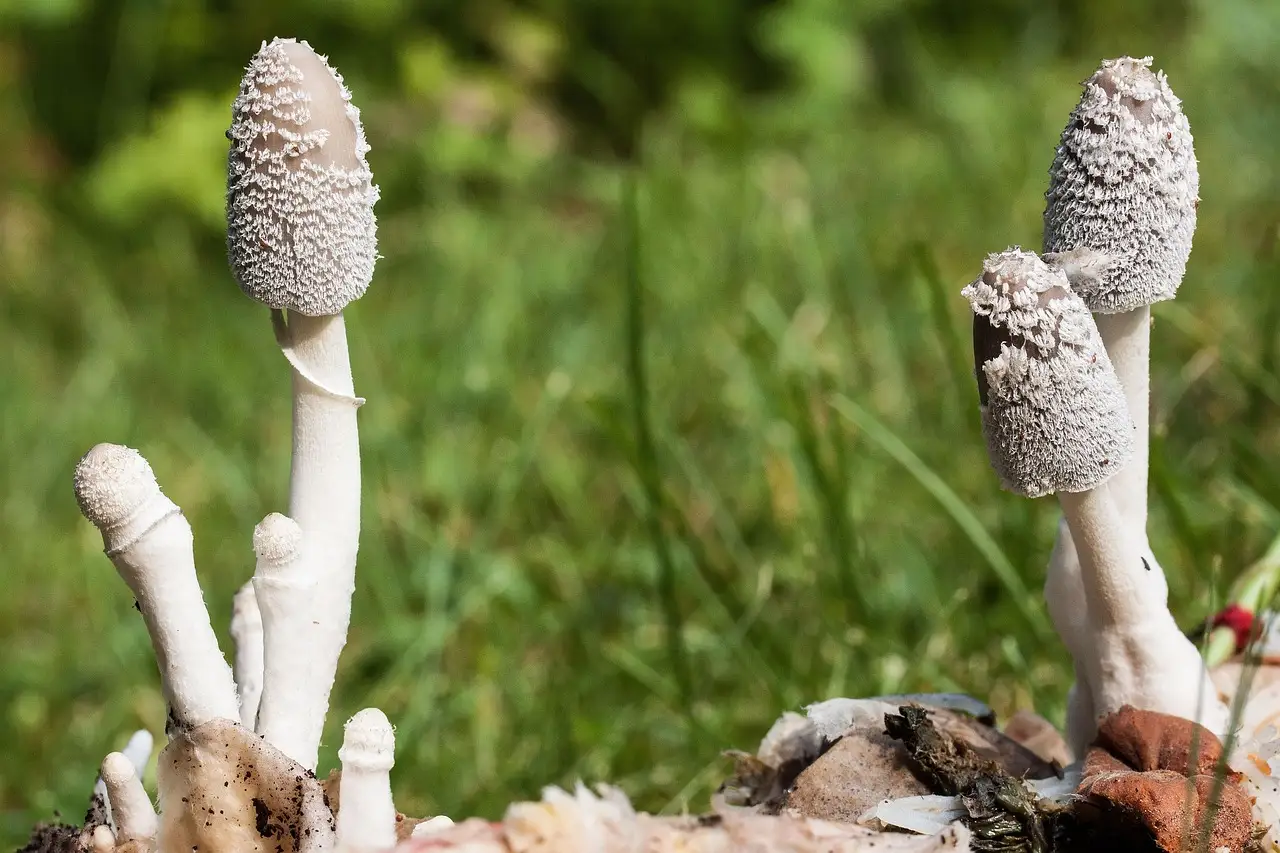


Spent mushroom compost is the by-product left after mushroom farming. It is usually made from composted straw and manure, and it is often treated before sale. In the garden, it is used as a soil conditioner and mulch, not as a complete fertilizer.
What it contains and how it is sold
Bagged material is often screened and may already be weathered enough for garden use. That matters because fresh or poorly aged material is more likely to carry soluble salts that can bother young plants. The label may say mushroom compost, mushroom manure, or mushroom soil, but the useful question is whether it is spent, aged, and intended for soil amendment.
Is mushroom compost safe for a vegetable garden?
Yes, it can be safe for a vegetable garden, but only in the right soil and at the right rate. The main safety issue is plant safety, not people or pets: mushroom compost can suit many crops, yet too much can push soil alkaline or leave salts near young roots.
Soil safety versus plant safety
For soil, the concern is pH and long-term buildup. Mushroom compost is alkaline in nature, and frequent or heavy use can build up chalk particles in soil. For plants, the concern is sensitivity to salts and pH. Those two risks show up differently, so they need separate decisions.
When it is a good fit
It is a good fit for beds that need more organic matter, especially heavy clay or very free-draining soil that needs better structure. RHS recommends using mushroom compost in the vegetable and ornamental garden, and says it is excellent on the vegetable garden. BBC Gardeners’ World says it is slightly alkaline, with a pH of 6.5-7, which suits many vegetables.
When to skip it
Skip it if your soil test already shows neutral, alkaline, or chalky conditions. The same source says it is not recommended for those soils. Also skip it around ericaceous plants such as blueberries, rhododendrons, camellias, and heathers. Those plants need acidic conditions, so mushroom compost works against their needs.
Why pH matters
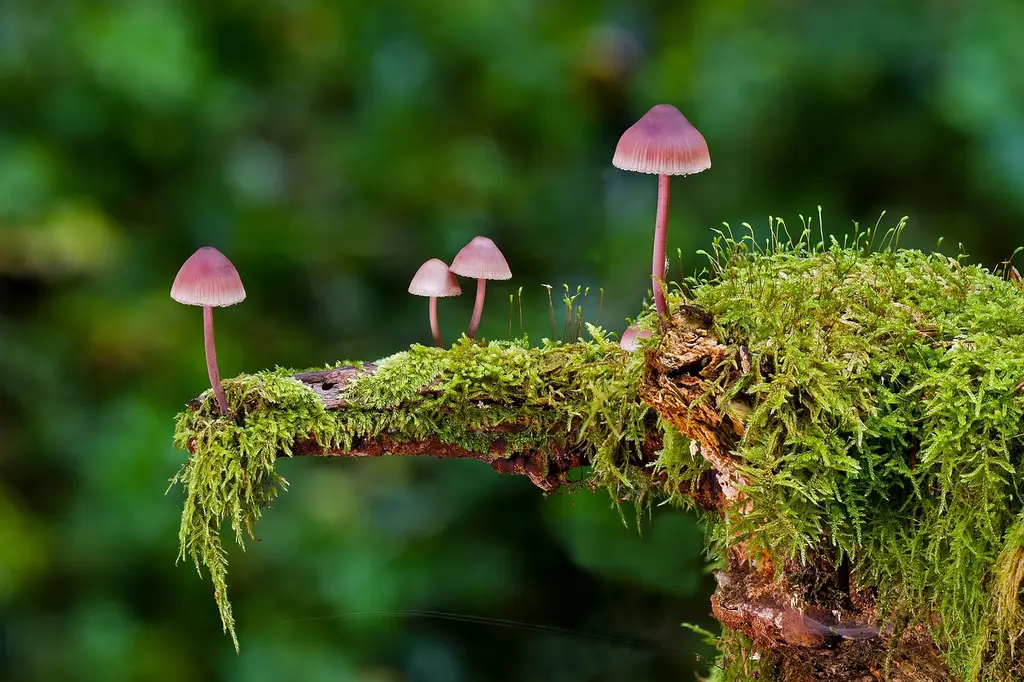
Mushroom compost is slightly alkaline, so it can help some vegetables and hinder others. A pH around 6.5 to 7 fits many garden crops, but it is the wrong direction for acid-loving plants and for soils that are already near neutral or above it.
Which vegetables tolerate it best?
Brassicas are the strongest match. The same source says mushroom compost is good for brassicas, and cabbage-family crops often do well in slightly alkaline soil. That higher pH can also help reduce clubroot pressure in beds where that disease has been a problem.
Tomatoes are another common fit. Gardeners often value mushroom compost there because the calcium in the blend can help where blossom end rot is tied to calcium availability in the soil, though it is not a cure-all. Use it as a conditioner, not as the whole fertility plan.
Why acid-loving crops are a poor match
Do not use mushroom compost around ericaceous plants, and do not treat it as a universal vegetable amendment. Blueberries, rhododendrons, camellias, and heathers need acidic soil. If your crop plan includes those plants, mushroom compost should stay out of that bed.
The salt risk you need to know
Soluble salts are the main reason mushroom compost can fail on seedlings and transplants. Fresh or insufficiently aged material can be problematic, while weathering reduces salt levels. That is why aged mushroom compost is usually the safer choice for vegetable beds.
How soluble salts affect seedlings
High salt levels can slow germination, burn tender roots, and leave seedlings looking weak or stunted. In practical terms, plants may emerge unevenly, stop growing, or show pale foliage because root uptake is disrupted. Fresh material is the version most likely to cause that kind of trouble.
Why aged compost is safer
Aged mushroom compost is preferred over fresh material. It is usually the form gardeners should buy for beds, especially where direct sowing or transplants are planned. If the bag says aged, composted, or weathered, that is a better sign than a fresh product with little time to settle.
Say your 1.2 m by 2.4 m vegetable bed is due for a spring top-up. A 5cm layer can be fine on established beds, but the same material should not be worked into the seed row and then sown the same day. Waiting reduces the chance that salts bother new roots.
Mushroom compost use chart
Use this table as a quick decision tool. It separates pH, crop type, and product age so you can see when mushroom compost fits, when it needs dilution, and when it should stay out of the bed.
| Soil pH band | Crop type | Use mushroom compost? | Safe rate | Waiting period before planting | Red flags |
|---|---|---|---|---|---|
| Below 6.5 | Brassicas, tomatoes, mixed vegetables | Yes, if aged | 1 to 2 inches on the surface; up to 3 inches in new beds | About 1 week before sowing | Fresh product, seedlings, direct sowing into thick layers |
| 6.5 to 7.0 | Established vegetables | Yes, but lightly | Thin top-dress only; keep total use moderate | At least 1 week before sowing | Already-alkaline soil, repeated heavy applications |
| Above 7.0 | Most vegetables except brief top-dress use on needy beds | Usually no | Skip or blend only in a small share with other compost | Not recommended for planting beds | Chalky soil, chlorosis risk, pH drift upward |
| Any band | Blueberries, rhododendrons, camellias, heathers | No | Do not apply | Not applicable | Ericaceous crops, alkaline response |
| Any band | Seeds and seedlings | Only with aged material and dilution | Very light surface use; not a seed-starting mix | Wait 1 week or more after application | Fresh material, salt burn, uneven germination |
How much to use in beds
For established vegetable beds, a common rule of thumb is 1 to 2 inches of aged mushroom compost on the surface. The same source recommends a 5cm layer on vegetable beds, which is close to 2 inches. For new beds, some guides allow up to 3 inches, but only when the soil needs the extra organic matter.
Top-dressing rates for established beds
Top-dress, then mix lightly into the upper layer of soil. That gives you the soil-conditioning benefit without loading the root zone with too much alkaline material at once. If the bed already reads neutral or above, use less rather than more.
Mix ratios for new beds and raised beds
Raised beds need stricter limits. A common guideline is to keep mushroom compost to about one-third of the mix at most. Gardening Elsa recommends 25 to 33 percent mushroom compost in a new raised bed. That range keeps the amendment useful without turning the whole bed too alkaline.
Suppose you are filling a 30 cm-deep raised bed for brassicas and tomatoes. A one-third share means mushroom compost should occupy only part of the mix, with the rest coming from ordinary topsoil and other compost. That is safer than building the whole bed from mushroom compost alone.
Which vegetables benefit most?
Brassicas and tomatoes are the clearest winners. Brassicas cope well with slightly alkaline conditions, and tomatoes are often a good fit where the compost improves structure and adds some calcium. Other vegetables may do fine too, but they should not be treated as automatic matches.
Brassicas and clubroot-prone beds
Cabbage, broccoli, kale, and related crops often benefit from the pH direction mushroom compost brings. In beds where clubroot has been an issue, a slightly higher pH can help create a less favorable setting for that disease. That does not replace crop rotation, but it can support the plan.
Tomatoes and calcium-related issues
Tomatoes can respond well when the soil needs more organic matter and a little extra calcium in the amendment. That said, blossom end rot is usually a moisture and uptake problem as much as a calcium problem, so even a good amendment still needs even watering and proper drainage.
Crops to avoid around mushroom compost
Do not place it near blueberries, rhododendrons, camellias, or heathers. Also be cautious with fruit crops in general; RHS says mushroom compost is unsuitable for fruit crops. If a bed mixes vegetables with acid-loving plants, pick another amendment instead of trying to force one product to fit both.
Can mushroom compost be used around seeds and seedlings?
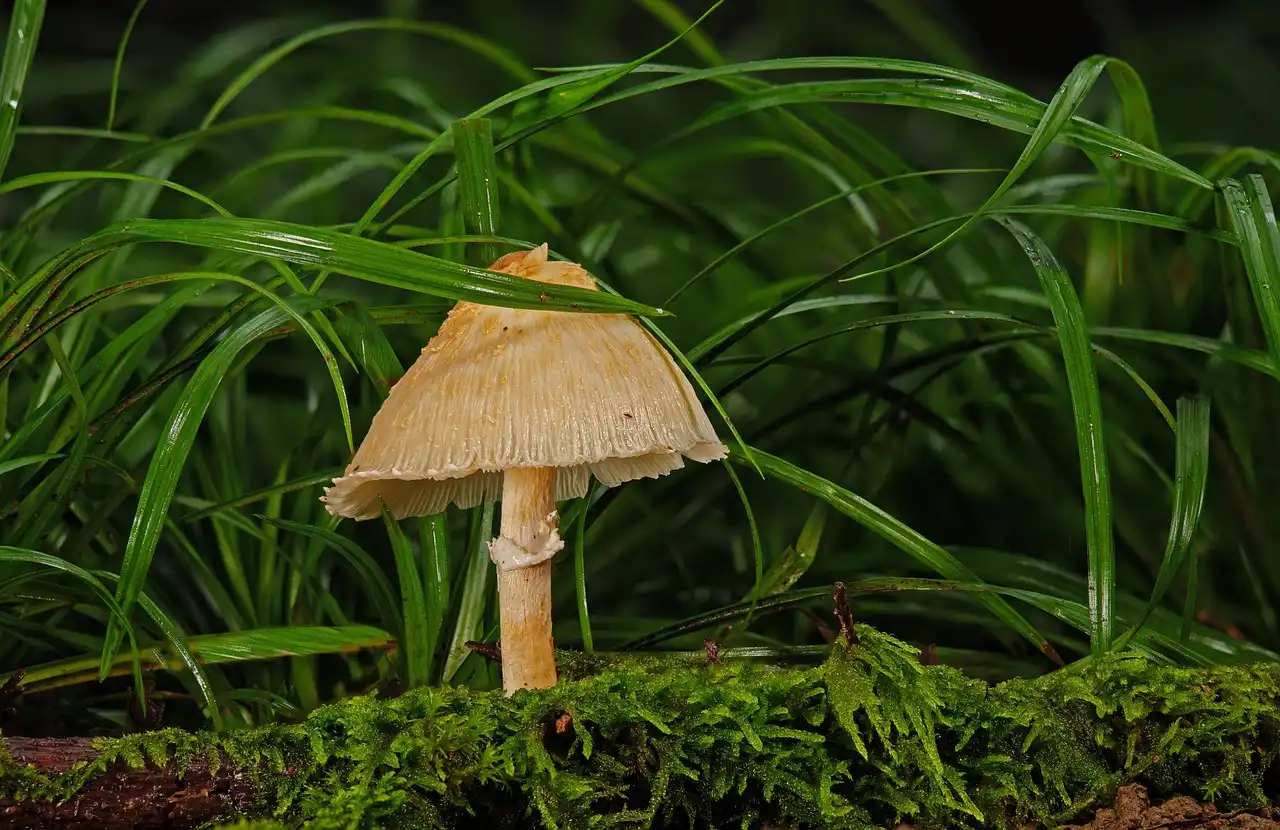
Yes, but only with caution and only when the material is aged. Seeds and seedlings are sensitive to salts, so fresh or thickly applied mushroom compost is a poor choice for direct sowing. BBC Gardeners’ World advises waiting a week after application before sowing seeds.
Why direct sowing is risky
Direct-sown carrots, lettuce, beans, and other young crops have shallow roots and little tolerance for salt stress. If the amendment is fresh, you may see weak emergence, scorched edges, or stalled growth. Mushroom compost should never be the stand-alone seed-starting medium.
Better options for seed-starting mixes
Use a fine, balanced seed-starting mix instead, then move seedlings into garden soil after they are established. If you want mushroom compost in the bed, apply it first, wait at least a week, and keep it out of the immediate seed row. That sequence lowers the risk of early damage.
- Test the soil pH before you buy or spread anything.
- If pH is below 7.0, aged mushroom compost is usually a reasonable choice for many vegetables.
- If pH is already neutral or alkaline, skip it or use a different compost.
- Keep it away from ericaceous crops and fruit beds.
- Use 1 to 2 inches on established beds, up to 3 inches for new beds, or about one-third of a raised-bed mix at most.
- Wait at least a week before sowing seeds.
Frequently asked questions
Is mushroom compost good for vegetable gardens?
Yes, mushroom compost is good for many vegetable gardens when used as an aged soil conditioner and not as a full fertilizer. It works best in beds that need more organic matter and in crops that tolerate slightly alkaline soil, especially brassicas and tomatoes.
Is mushroom manure good for vegetable gardens?
If by mushroom manure you mean spent mushroom compost, yes, it can be useful in vegetable gardens. Treat it as a soil amendment, not as a nutrient-rich manure substitute. The safest choice is aged material used lightly and matched to the crop.
Is mushroom soil good for vegetable gardens?
That term usually points to spent mushroom compost, which can be good for vegetable gardens if it is aged and applied with restraint. Check the pH and the product label first, because the wrong mix can be too alkaline for some beds.
Is mushroom compost good for raised vegetable beds?
Yes, but only as part of the mix. A common approach is to keep it to about one-third of a new raised-bed blend, or use it as a top-dress on an existing bed. Do not fill the whole bed with mushroom compost alone.
How much mushroom compost should I use in a vegetable garden?
For established beds, 1 to 2 inches is a common range, and BBC Gardeners’ World recommends a 5cm layer. For new beds, some gardeners use up to 3 inches. If the soil is already alkaline, use less or choose another compost.
Should I use aged or fresh mushroom compost?
Choose aged mushroom compost. Fresh material can carry higher soluble salts, which are harder on seedlings and young transplants. Aged, screened product is the safer pick for most vegetable beds, especially if you plan to sow soon after application.