Is Slow Release Fertilizer Safe for Vegetable Gardens?
Yes, slow-release fertilizer is generally safe for vegetable gardens when you use an edible-plant formula at the label rate; it can still burn roots, seedlings, or containers if you overapply or use a lawn product. Misuse can stunt growth, damage roots, and leave you with leafy plants that produce poorly. This guide explains the chemistry, the real application risks, and which crops can handle slow-release fertilizer best.
Slow-release fertilizer safety
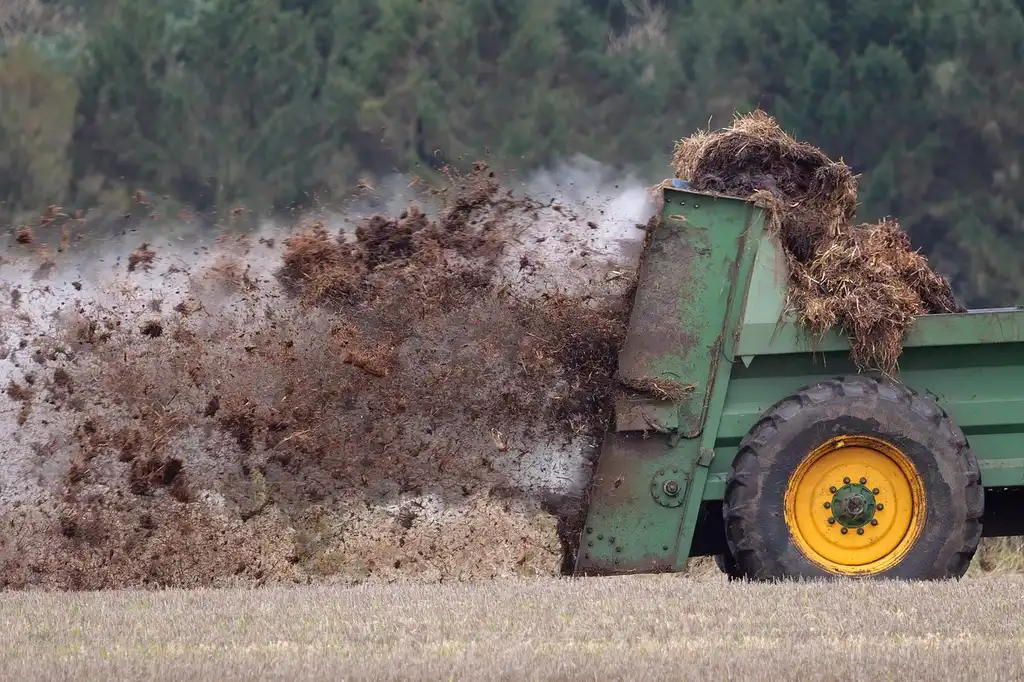
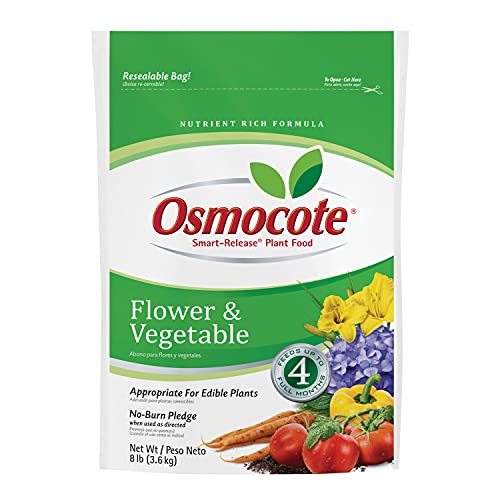

Slow-release fertilizer feeds a little at a time over weeks or months, which lowers the risk of fertilizer burn compared with quick-release fertilizer. That does not make it safe in every bed. Safety depends on the product type, where you place it, and how sensitive the crop is at that stage.
How slow-release feeding works
Some slow-release fertilizers are natural and break down through decomposition. Others are controlled-release coated granules, often made with plastic resin or sulfur-based polymer coatings, that release nutrients as water, heat, sunlight, and soil microbes work on the coating. Both types can be useful in vegetable gardens.
Because the release is gradual, slow-release products are less likely to leach with rain or watering. That makes them a better fit than quick-release products for beds that get frequent irrigation. It also means you usually fertilize less often than you would with water-soluble products.
Why burn risk is lower, not gone
Quick-releasing fertilizers can cause plant burn when overapplied or diluted improperly. Slow-release products lower that risk, but they do not remove it. Too much product, tight placement against roots, or hot weather that speeds release can still damage tender plants.
Say your lettuce transplants go into a 4-by-8 raised bed and you scatter pellets right against the stem line. The plants may stay green for a week, then show tip burn or stalled growth as the roots encounter a concentrated salt zone. The fertilizer type was not the only issue; placement was.
How the fertilizer types differ
Not all slow-release fertilizers behave the same way. Organic products feed through microbial breakdown, while coated synthetic granules release nutrients through a coating. Both can be safe for vegetables, but they carry different timing, placement, and moisture risks.
Controlled-release coated granules
Controlled-release coated granules are common in commercial garden fertilizers. The coating controls how fast nutrients move out of the granule, and that rate shifts with moisture and temperature. In warm weather, release can speed up. In cool weather, it can slow down.
That variability is useful, but it also means the label matters. A bag that promises months of feeding may still dump nutrients faster in hot, wet conditions. For vegetables, that is why a controlled-release product should match the crop and the bed type, not just the brand name.
Organic slow-release ingredients
Organic slow-release fertilizer often contains compost, bone meal, fish meal, alfalfa meal, or manure. These products feed more slowly because microbes must break them down first. They generally carry lower leaching risk and are often used in OMRI-listed fertilizers for edible crops.
An OMRI-listed label can help narrow choices, but it is not a blank check. The formula still needs the right NPK ratio and the right rate for your crop. A safe organic product can still be too strong for seedlings or root crops.
What label clues to check
Look for three things first: the NPK ratio, whether the product is designed for vegetables, and the stated feeding interval. NPK numbers show the nitrogen, phosphorus, and potassium balance. A balanced formula such as 10-10-10 is a practical starting point for many vegetable beds, while crop-specific needs change by growth stage.
For organic vegetable beds, labels such as 4-4-4 or 2-5-3 are common starting points. The Complete Garden guide lists Down To Earth at 4-4-4 for vegetable beds, and Jobe’s Organics is listed at 2-5-3 and is OMRI-listed. True Organic’s listing says 3.75% of nitrogen is slow-release.
Is it safe for vegetables?
Yes, slow-release fertilizer is usually safe for vegetables when you match the product to the crop and apply it at the recommended rate. It is especially useful in beds that need steady feeding. The main safety issue is not the product category itself, but misuse: too much fertilizer, poor timing, or the wrong placement.
Why seedlings need extra caution
Seedlings have small, shallow root systems, so they are more sensitive to fertilizer burn. Even slow-release products can be too strong when placed too close to seed rows or transplants. For very young plants, a lighter rate and wider spacing from the root zone is safer than a full-strength broadcast.
A common first-timer mistake is treating a seed-starting tray transplant the same way as a mature tomato plant. A 3-inch seedling in fresh soil does not need a heavy band of fertilizer under the crown. It needs gentle feeding and room to root.
How crop stage changes the need
Leafy greens usually want steady nitrogen, while fruiting crops need a more balanced supply once they begin flowering. Root crops need the most caution because excess fertility can push leafy tops at the expense of roots. The same bag can be useful across all three, but not with the same placement or rate.
For general beds, a balanced NPK like 10-10-10 is a practical starting point. For heavy feeders, the label may call for more frequent refreshes than for light feeders. The right choice depends on crop stage, not just on whether the fertilizer is slow-release.
Raised beds and containers
Raised beds and containers often need more frequent refreshes than in-ground beds because the structure drains quickly and nutrients move through sooner. That faster drainage is useful for root health, but it also means fertility can disappear faster. Top-dressing or re-mixing may be needed during the season.
Why placement matters more here
In raised beds, fertilizer should be spread across the root zone or lightly mixed into the top layer, not piled in one spot. Concentrated pellets near a transplant hole can create a salt hotspot. In containers, the same problem can happen even faster because the soil volume is small.
For moderate feeders in raised beds, the Yarafert guide suggests refreshing fertilizer every 8–10 weeks. For heavy feeders, it suggests every 6–8 weeks. Yarafert also recommends applying slow-release fertilizer at transplanting. Those intervals are guides, not replacements for the product label.
When top-dressing helps
Top-dressing works best when plants are already established and actively growing. It can be a good fit for leafy greens, peppers, and tomatoes in raised beds. Lightly water after application so the granules start moving into the root zone without sitting in one dry clump.
Suppose a 12-inch-deep container of basil starts paling halfway through summer. A light top-dress with a vegetable-safe slow-release product can restore feeding without the sharp spike that a water-soluble fertilizer might cause. The key is the lighter dose, not the container size alone.
Root crops need careful placement
Root crops are the most placement-sensitive vegetables in this group. Carrots, beets, radishes, and turnips can be misshapen or overly leafy if fertilizer is too close to the seed line or too rich for the bed. Overfeeding can also produce rough, forked, or cracked roots.
Side-dress away from seed rows
For root crops, band fertilizer to the side of the row or side-dress after seedlings are established, rather than placing it directly under the seed. Keep it away from the immediate root zone. That helps the plants access nutrients without forcing root growth through a concentrated fertilizer pocket.
Organic slow-release fertilizer is often a better fit here than a stronger synthetic blend, but the rate still matters. A low-to-moderate NPK formula is usually safer than a high-nitrogen product, especially early in the crop cycle.
What happens when you overfeed
Too much fertility can shift a root crop toward leafy top growth and poor root formation. It can also leave a salty strip in the bed that affects nearby plants. Root crops do not need the same nutrient push that tomatoes or squash often need.
Vegetable crop decision table
| Crop scenario | Safe use conditions | Placement method | Main failure risk |
|---|---|---|---|
| Seedlings | Use a vegetable-safe slow-release product at the light end of the label rate; avoid hot, concentrated feed zones | Mix lightly into surrounding soil or keep it several inches away from stems | Burn, stunting, and salt injury to tender roots |
| Established leafy greens | Use a balanced formula such as 10-10-10 or a mild organic blend; refresh only when growth slows | Top-dress evenly across the bed and water in | Excess nitrogen leading to soft growth and leaf-tip burn |
| Fruiting crops | Use when plants are established and feeding needs are steady; match the label to the growth stage | Apply in a ring away from the stem, then water in | Too much nitrogen, with lush leaves and fewer fruits |
| Root crops | Use only modest rates and avoid strong blends near planting time | Side-dress away from seed rows or developing roots | Malformed, forked, or oversized tops with poor roots |
How to avoid overfertilizing
The safest approach is to match the rate to the label, the crop, and the bed type. Slow-release fertilizer is forgiving, but it is not self-correcting. Overapplication can still create burn, excess salts, and overly leafy growth with weak harvests.
Match rate to the label
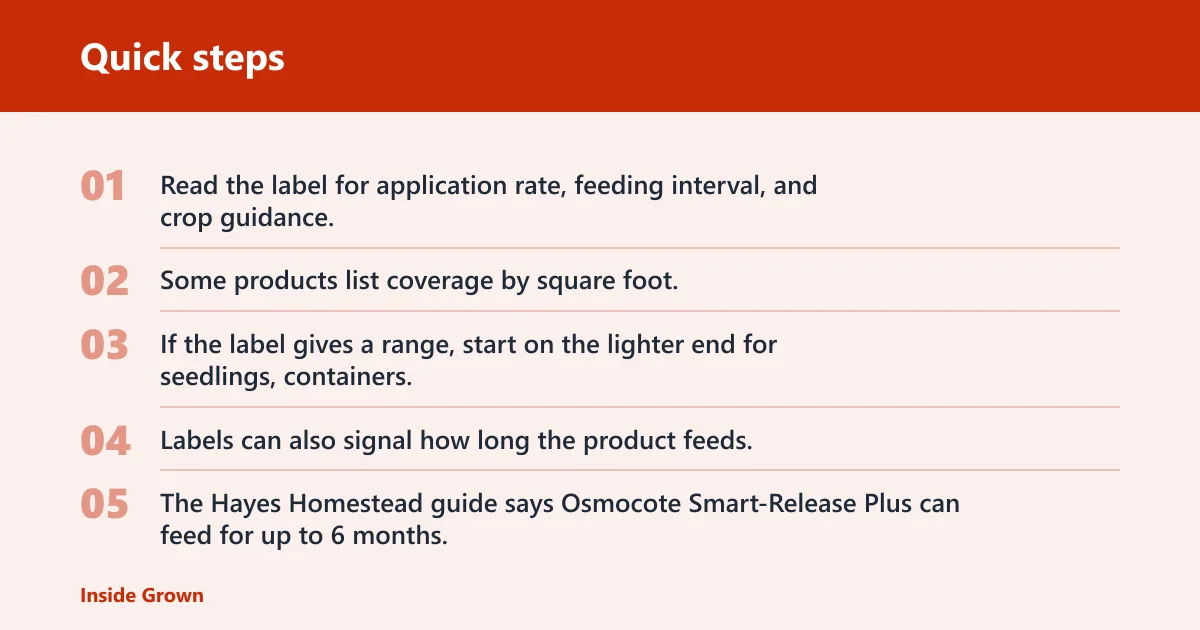
Read the label for application rate, feeding interval, and crop guidance. Some products list coverage by square foot, while others list rates by pot size or transplant hole. If the label gives a range, start on the lighter end for seedlings, containers, and root crops.
Labels can also signal how long the product feeds. The Hayes Homestead guide says Osmocote Smart-Release Plus can feed for up to 6 months, while GardenWise 10-10-10 provides up to 8 weeks of nutrition. Burpee’s organic fertilizer is said to last up to 3 months. Those figures show why the label, not a fixed calendar, should guide reapplication.
Watch for salt buildup and burn
Watch for brown leaf edges, stalled growth, and a crusty soil surface. Those signs can mean too much fertilizer or too much release too fast. In containers, salt buildup can appear sooner because the soil volume is limited and watering can concentrate dissolved nutrients.
Store and apply products safely
Store fertilizer in a dry place, out of reach of children and pets. Keep the bag sealed so moisture does not trigger early release in coated products or clumping in organic blends. Apply on calm days to reduce drift into non-target beds and water in only as directed.
Slow-release products can also help lower runoff and leaching compared with quick-release fertilizers, but they do not eliminate environmental risk. Epic Gardening says slow-release fertilizers are less likely to leach into groundwater, and that benefit is strongest when you avoid excess rates and keep fertilizer inside the intended root zone.
Frequently asked questions
Is slow release fertilizer safe for vegetable gardens?
Yes, slow-release fertilizer is generally safe for vegetable gardens when you use a product labeled for edible crops and apply it at the recommended rate. Safety drops when you overapply, place it too close to roots, or use a lawn formula. The product, crop, and placement all matter.
Can slow release fertilizer burn vegetable plants?
Yes. Slow-release fertilizer is less likely to burn plants than quick-release fertilizer, but it can still cause burn if the rate is too high or the granules sit against tender roots. Seedlings, transplants, and container plants are the most sensitive. Hot weather can also speed release.
What kind of slow release fertilizer is best for vegetables?
A balanced vegetable fertilizer is a good starting point for many beds, especially one with an NPK ratio near 10-10-10 or a mild organic blend. For edible gardens, OMRI-listed products can help narrow the field, but the best choice still depends on the crop and growth stage.
Are coated granular fertilizers safe in raised beds?
They can be safe in raised beds if you apply them at the label rate and keep them spread through the root zone instead of in a tight pile. Raised beds drain quickly, so nutrients may move out faster and need more frequent refreshes. Heat can also speed release.
How often should slow release fertilizer be applied in a vegetable garden?
Use the label interval, not a fixed calendar. Many vegetable gardeners reapply only when the label says the feeding period is ending or when the crop stage changes. Raised beds and heavy feeders may need refreshes more often than in-ground beds, while root crops usually need less.
Is organic slow release fertilizer safer than synthetic?
Organic slow-release fertilizer is often gentler and may have lower leaching risk because it feeds through decomposition, but it is not automatically safer for every crop or rate. Controlled-release synthetic products can also be safe when used correctly. The real safety test is the label, placement, and crop sensitivity.