Is Insecticidal Soap Safe for Vegetable Gardens? Guide
Insecticidal soap is often used in vegetable gardens when you spray listed crops, wet the pest thoroughly, and test a small area first. It can become risky on heat-stressed, drought-stressed, or tender foliage, especially in hotter weather. I have seen leaf scorch, slow growth, and wasted spray when the mix was too strong or the plant was already under pressure. This guide covers which vegetables take it well, which ones need caution, and how to apply it without leaf burn.
This guide is part of our Garden safety concerns: what is safe to use series.
Is insecticidal soap safe for vegetable gardens?
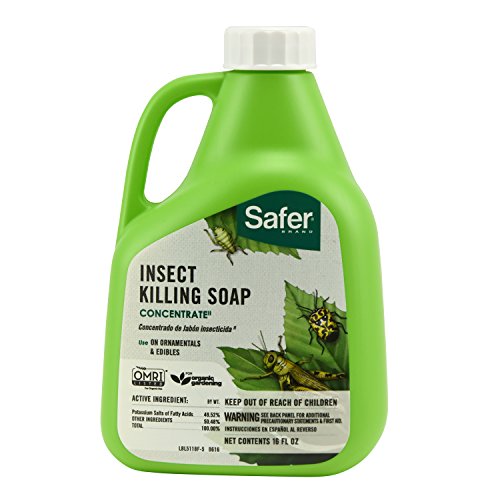
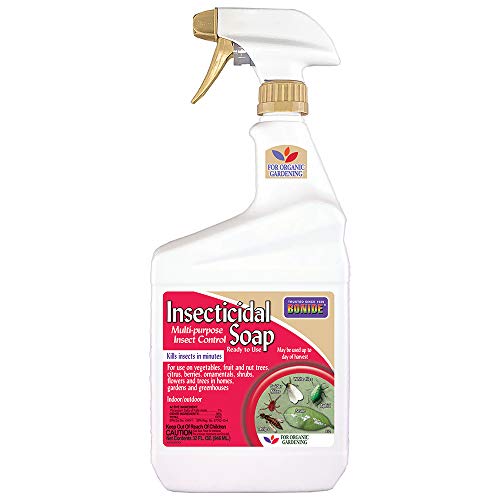

Yes, for most vegetable beds it is safe when the label is followed and the crop is not already stressed. Insecticidal soap is potassium salts of fatty acids, a contact-only pesticide with no lasting residue after it dries. Safety depends less on the word “soap” and more on crop type, weather, growth stage, and spray strength. (extension.colostate.edu)
What it is and how it works
This insecticidal soap is sold in ready-to-use form or as a concentrate that should be diluted according to the label. Spray the insect directly, or it does little. Coverage matters more than the day after you spray.
Because it has no meaningful residual effect after drying, it is most useful against pests that stay exposed on the leaf surface. It is a poor fit for insects hidden in stems, soil, or rolled foliage. That matters in vegetable gardens, where pest location changes the whole outcome.
Why safety depends on crop and condition
Leaf tissue differs a lot from one crop to the next. Tough tomato foliage and waxier pepper leaves usually take spray better than tender lettuce, basil, cucumber seedlings, or newly set transplants. The same mix can be fine on one crop and spot the leaves on another.
Weather changes the risk fast. Heat, drought stress, bright sun, wet foliage in hot weather, and overstrong mixes all raise the chance of burn. A good product can still damage a plant if the plant is already under pressure.
Which vegetable pests does it control well?
Insecticidal soap tends to work best on soft-bodied pests that it can wet directly. That includes aphids, whiteflies, spider mites, mealybugs, thrips, and scale crawlers. It is most useful when the pest is exposed on leaves, stems, or new growth and the spray can reach it well.
Aphids, whiteflies, and spider mites
Aphids are one of the clearest targets. They cluster on tender growth and leaf undersides, which makes contact sprays practical if the grower sprays thoroughly. Whiteflies and spider mites may also be reduced when coverage is good and applications are repeated at the recommended interval.
Mealybugs, thrips, and scale crawlers
Mealybugs are soft-bodied and vulnerable when the waxy coating is not too thick. Thrips are harder to hit because they move quickly and hide in flowers or tight folds. Scale crawlers are the stage soap can catch; armored adult scale is much harder to control with soap alone.
Where it fails
It does not work well on hard-bodied insects or chewing pests with a tough shell. Beetles, caterpillars, and many larger insects are poor targets. If the pest damage is caused by holes, chewed leaves, or larvae tucked deep in the plant, another control is usually a better fit.
Which vegetables are most likely to burn?
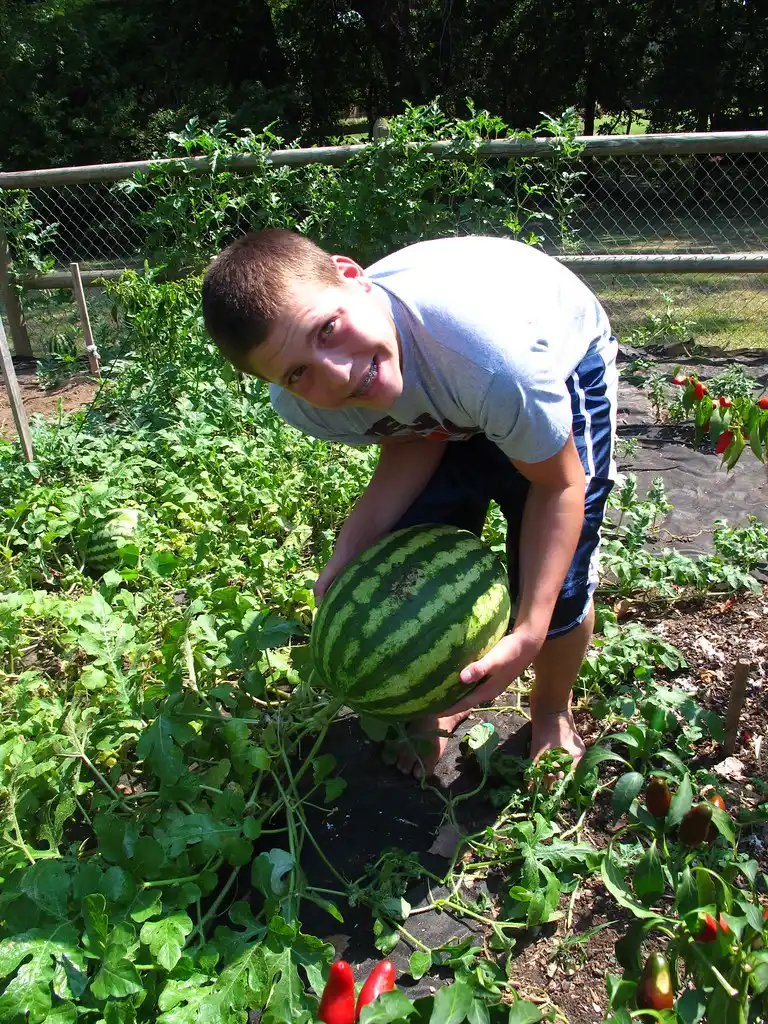
Young seedlings, tender transplants, and thin-leaved crops are the first places to watch for spotting or burn. Insecticidal soap is often tolerated by established plants, but leafy greens and very new growth are more sensitive. The same spray that is fine on an older tomato can mark a young cucumber or lettuce plant.
Tender seedlings and new transplants
Fresh transplants are the plants I would treat with the most caution. Their cuticles are thin, roots are still settling, and they dry out fast. A light drift of overmixed soap can leave pale speckling or edge burn that shows up a day or two later.
Leafy crops versus fruiting crops
Leafy crops like lettuce, spinach, kale, chard, herbs, and salad greens have more exposed leaf area and less room for cosmetic damage. Fruiting crops such as tomatoes, peppers, cucumbers, and beans often take spray better once established, but soft new growth and blossoms still need care.
Signs a plant is too stressed to spray
If leaves are wilting at dawn, curled from drought, already sunscalded, or dull and thin from transplant shock, skip the spray. Plants that cannot recover moisture quickly are the most likely to show burn. Wait for a cooler, steadier day and water the root zone first.
How do you use garden safe insecticidal soap correctly?
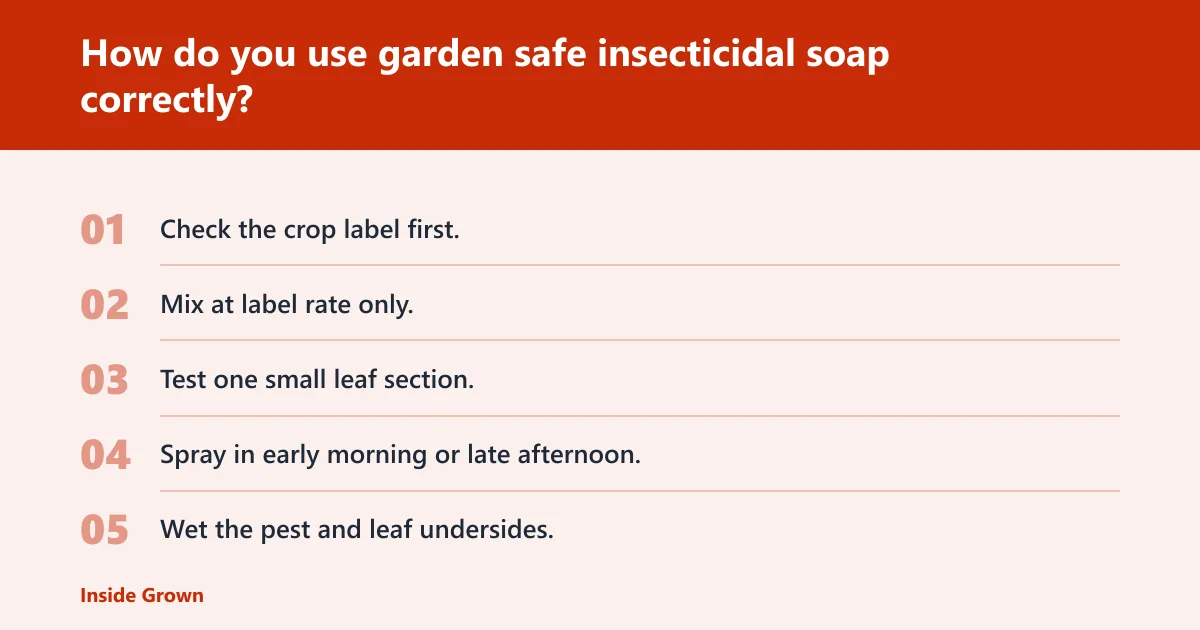
Use the label rate, spray in the early morning or late afternoon, and soak the pest rather than misting the air around it. For concentrates, one competitor gives 2.5 to 5 tablespoons per gallon of water. Label directions matter more than memory, because too-strong mixes are a common cause of leaf burn.
Reading the label and mixing the right rate
Garden Safe insecticidal soap may be sold ready to use or as a concentrate. Ready-to-use products are simpler. Concentrates need dilution exactly as directed on the label. Do not assume more soap means better control; higher strength often raises leaf burn risk before it improves pest kill.
Best time of day to spray
Early morning or late afternoon is the safer window because leaves are cooler and sunlight is weaker. One competitor advises those times specifically, and the logic is sound: slow drying on a cool leaf is gentler than a hot spray baking under full sun.
Why leaf undersides and repeat coverage matter
Many target pests sit on the underside of leaves, where the spray must reach them directly. Miss the underside and the treatment fails. One competitor advises repeat applications every 5–7 days, which fits the life cycle of aphids, whiteflies, mites, and similar pests.
- Check the crop label first.
- Mix at label rate only.
- Test one small leaf section.
- Spray in early morning or late afternoon.
- Wet the pest and leaf undersides.
- Let plants dry before touching or watering overhead.
- Repeat only as the label directs.
When should you avoid insecticidal soap and use another method?
Avoid insecticidal soap when the plant is heat-stressed, drought-stressed, or carrying very tender new leaves, and avoid it when the pest is a poor target such as caterpillars or beetles. In those cases, neem, Bt, or hand-picking often fits better and wastes less time.
Heat, drought, and bright sun
Hot, dry, bright conditions are the main burn risk. If the forecast is harsh, wait. A plant already losing water cannot handle extra surface stress well. This is especially true for young greens, transplants, and herbs with soft foliage.
Caterpillars, beetles, and other poor targets
Caterpillars chew from the inside out and are usually better managed with Bt. Beetles and other hard-bodied pests are not good soap targets. Hand removal, row cover, or a crop-specific product is usually more effective than repeated soap sprays that barely contact the insect.
When another method fits better
If the pest is large, hidden, or chewing holes, soap is the wrong tool. If the pest is a soft-bodied crawler on exposed leaves, soap may fit well. That crop-and-pest match is the difference between a useful spray and a disappointing one.
Use this checklist before you spray
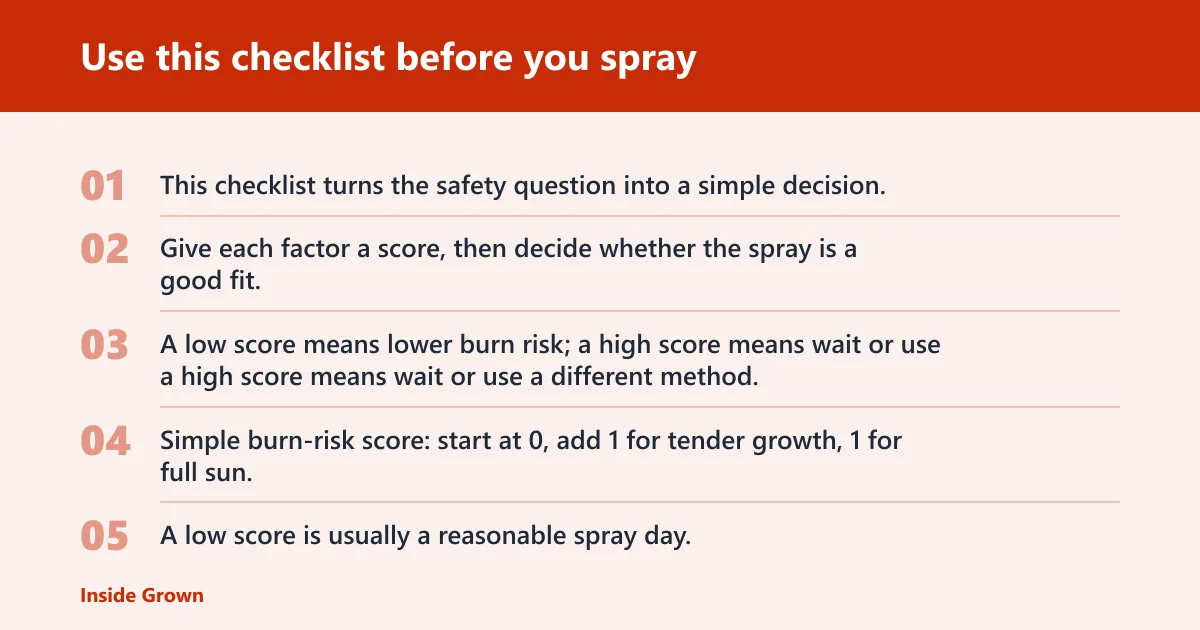
This checklist turns the safety question into a simple decision. Give each factor a score, then decide whether the spray is a good fit. A low score means lower burn risk; a high score means wait or use a different method.
| Crop type | Pest type | Weather and timing | Burn risk score | Use or avoid |
|---|---|---|---|---|
| Established tomato, pepper, bean, or cucumber | Aphids, whiteflies, spider mites, mealybugs, thrips, scale crawlers | Cool morning or late afternoon; no drought stress | 1 | Use |
| Leafy greens, basil, young brassicas | Soft-bodied pests on exposed leaves | Overcast or cool, well-watered soil, label rate only | 2 | Use with spot test |
| New transplant or tender seedling | Aphids or mites, light infestation | Warm day, recent transplant shock, full sun later | 4 | Use caution or avoid |
| Any vegetable under heat or drought stress | Any target | Above 85°F, dry soil, bright midday sun | 5 | Avoid |
| Crop with caterpillars or beetles | Hard-bodied or chewing pest | Any weather | 3 | Avoid; choose Bt or hand-pick |
Simple burn-risk score: start at 0, add 1 for tender growth, 1 for full sun, 1 for dry soil, 1 for hot weather, and 1 for a heavy or improvised mix. A low score is usually a reasonable spray day. A score of 3 or more is a day to wait.
Is it safe for people, pets, and harvest day use?
Insecticidal soap is generally low in toxicity to mammals, and dry residue poses little to no risk according to competitor guidance. The main caution is while the spray is wet: keep children and animals away until the foliage dries, and follow the label for any harvest or washing instructions. (en.wikipedia.org)
Wet spray versus dry residue
The practical safety line is simple. Wet spray can be irritating and messy, so keep hands, paws, and harvest baskets off the plants until they dry. Once dry, the remaining residue is usually considered low risk when the product has been used correctly.
Harvest timing
One competitor says the product may be used on the day of harvest. That is a label question, not a guess. If the label allows same-day use, follow it exactly and rinse produce when needed. If the label says otherwise, the label wins.
Garden Safe insecticidal soap and pets
For pets, the safest rule is to keep them away from treated plants while the spray is wet and until the area is dry. Do not treat this as a blanket “pet-proof” product. The label and the drying time matter more than the brand name.
Frequently asked questions
Is insecticidal soap safe for vegetable plants?
Yes, it is generally safe for most vegetable plants when used correctly on listed crops and at label rate. The risk comes from stress, overmixing, and spraying plants that are already struggling. A quick spot test on one leaf section is worth the time.
Is insecticidal soap safe for vegetables?
It is safe for many vegetables, but not under every condition. Fruiting crops and sturdier plants usually take it better than tender greens or fresh transplants. If the crop is heat-stressed, drought-stressed, or exposed to full sun right after spraying, burn risk rises fast.
How do I use garden safe insecticidal soap?
Read the label, mix only at the stated rate, spray the pest directly, and cover leaf undersides. Use it in the early morning or late afternoon. If the crop is tender, test a small section first and wait before treating the whole plant.
Can I spray insecticidal soap on the day I harvest?
Sometimes yes, if the label allows it and the product is used correctly. That said, harvest-day use should still follow the label and any washing instructions. Do not assume every product or crop has the same timing; the label controls the answer.
Which garden pests does insecticidal soap actually control?
It works best on aphids, whiteflies, spider mites, mealybugs, thrips, and scale crawlers. It must hit the insect directly. It is not a good answer for caterpillars, beetles, or other hard-bodied pests that do not depend on soft exposed surfaces.
Should I use homemade soap spray or a commercial product?
A labeled commercial product is the safer choice for vegetables. Homemade mixes and dish soap are not the same as potassium salts of fatty acids and can be harsher on leaves. Commercial insecticidal soap gives you a known formula, clear dilution, and crop instructions.