Gardening Techniques for Trellising Vining Crops
Match trellis strength to the crop. Peas and beans handle light netting or wire. Cucumbers and tomatoes need firm vertical support. Heavy squash needs the strongest frame plus fruit slings. Weak support can snap, tip, or shade plants, cutting yield and inviting disease. This guide covers gardening techniques for trellising vining crops by crop, spacing, anchoring, pruning, and the safest support setup.
What you’ll need


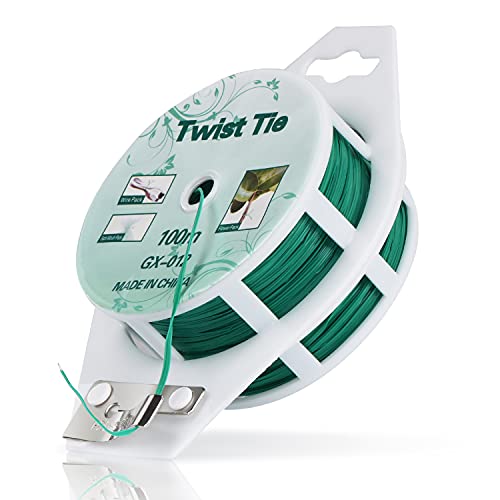
- Trellis materials: wood, metal, bamboo, wire mesh, netting, panels, cages, or poles sized to the crop and the site.
- Anchors: stakes, ground screws, post holes, bed corners, wall anchors, or fence ties for wind resistance.
- Ties and clips: soft garden ties, plant tape, clips, or twine for loose figure-8 ties at the leaf axil.
- Pruning tools: clean hand pruners or snips for side shoots and crowded growth.
- Fruit support: slings, fabric strips, or net bags for squash, melon, and heavy tomatoes.
- Measuring tape: for support spacing, bed layout, and planting gaps.
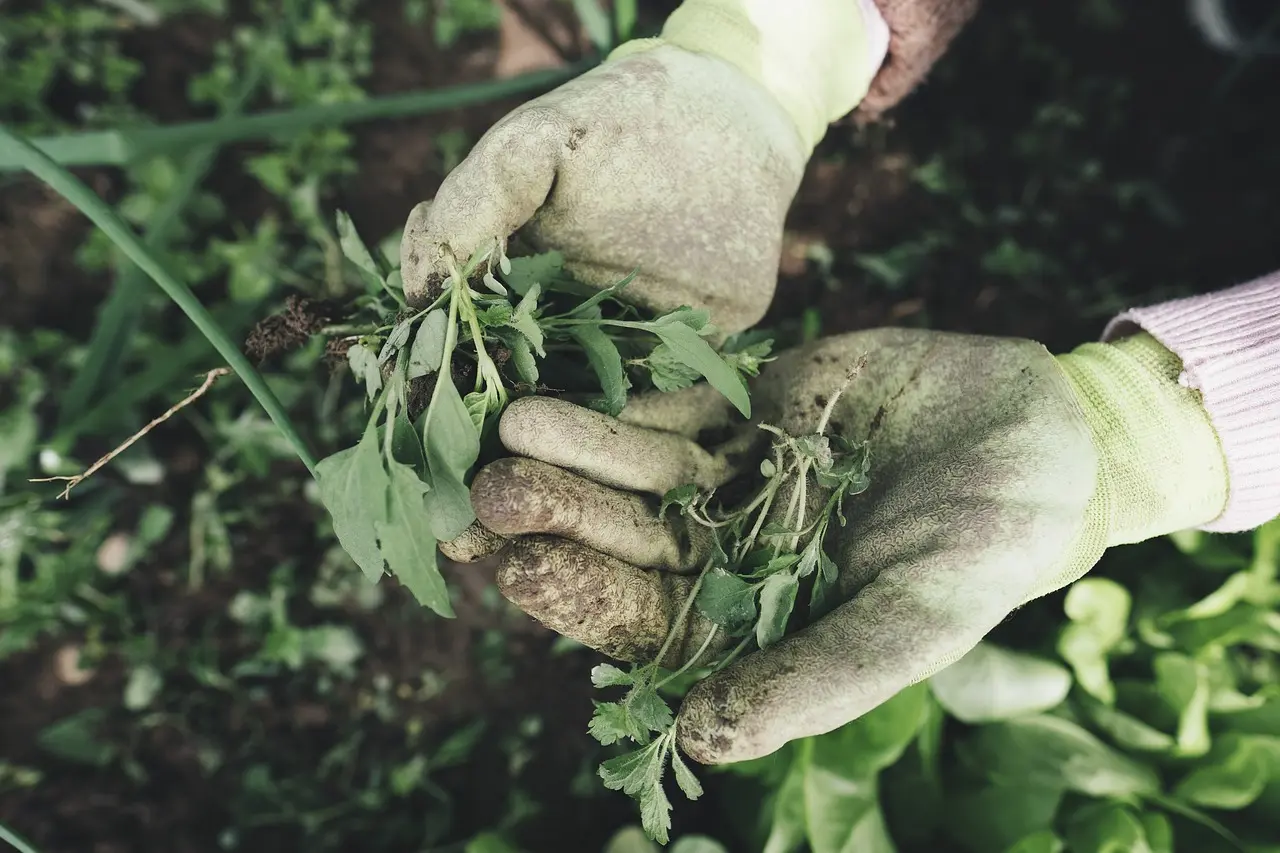
- Gloves: useful when handling wire, metal, or dense vines.
How do you choose the right trellis for each crop?
Choose the trellis by vine habit first, then check fruit weight and wind exposure. A light frame can work for peas, but pole beans need openings wide enough for their vines to wrap, and heavy crops need a frame that can carry mature fruit without sagging. Anchoring matters as much as height.
Match vine type to support surface
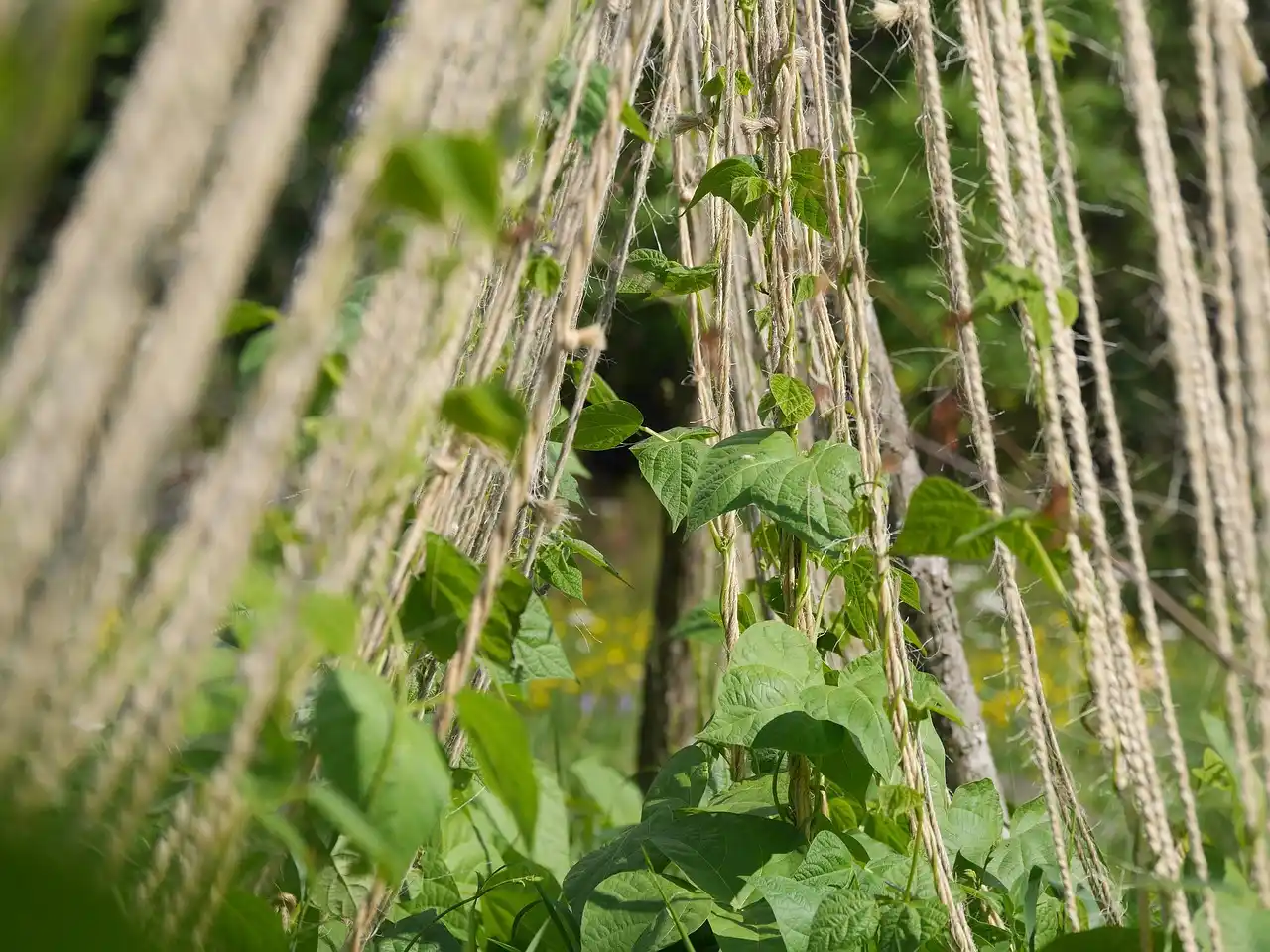
Pole beans climb by wrapping, so they do best with poles, panels, or netting with openings about 6 x 6 inches. Peas use tendrils, so they grip thin wire, string, or small mesh better than thick bamboo or branches. Cucumbers do well on netting, panels, or A-frame trellises. Tomatoes do not climb on their own, so they need staking, caging, or tying.
Match fruit weight to frame strength
Light vines are not the same as heavy fruiting vines. Squash, watermelon, and cantaloupe need strong frames and fruit slings because tendrils alone are not enough for mature fruit. A trellis can hold about 20 to 30 pounds of fruit only if the whole structure, not just the vine, is built for that load.
Choose a setup for beds, fences, or containers
A 4×4-foot garden bed is a simple starting point for beginners, and a 4×8-foot raised bed is plenty for a first garden. Use the back edge of a bed for a vertical panel, or mount a frame to a fence when the fence posts are sturdy. In containers, use a fixed cage or anchored panel so the pot does not tip as the vine grows.
What kind of trellis is best for cucumbers and pole beans?
For cucumbers and pole beans, a vertical panel, wire mesh, or A-frame is usually the best fit. Cucumbers grip well and keep fruit off the soil, which makes picking simpler. Pole beans need wider openings and strong verticals because their vines wrap around the support as they climb.
Use the crop’s climbing style
For pole beans, choose a panel or net with openings at least 6″ x 6″ so the vines can swing around and latch on. For cucumbers, use mesh or an A-frame with enough room for leaves and fruit to hang without crowding the path. Peas need finer wire or string than either of those crops.
Keep the frame light, but not flimsy
Bamboo and willow are budget-friendly and lightweight, but they work best for lighter crops or short seasons. Cedar and redwood are naturally rot-resistant, while powder-coated steel is durable and rust-resistant. If the trellis is wall-mounted, use spacers so air can move behind the plants.
Say your cucumber vines are in a raised bed beside a fence. A vertical wire panel tied to the fence posts gives the vines a climb path, keeps fruit clean, and leaves the bed open for airflow below. If the same panel were set in a windy corner, it would need stronger anchoring before planting.
How far apart should trellised vines be planted?
Spacing depends on crop size, support type, and how often you plan to prune. Trellised plants can be set closer than sprawling plants, but crowding at the base still causes shade, slow drying, and awkward harvesting. Leave enough room to tie stems, reach fruit, and see the plant line clearly.
Set spacing by crop and trellis type
Pole beans can sit closer together than squash because the vines climb upright and use the support efficiently. Cucumbers need enough room for fruit to hang without bumping neighboring plants. Tomatoes need wider spacing than beans because the stems, trusses, and ties take space along the frame.
Leave room for airflow and harvest access
Too much density can also increase sunscald, drought stress, or fruit drop if the leaves are packed too tightly against a hot wall or panel. Keep a gap between plants and the support where you can reach a tie point, snip side shoots, and check for wilt or damage.
Avoid crowding at the base of the support
Do not pack seedlings directly under the uprights. Leave a clear path so you can train vines early and remove stray growth before it mats at ground level. That matters most for squash and melon vines, which can spread fast and bury smaller neighbors if you miss a week of growth.
How do you keep a trellis from blowing over?
Anchor the trellis before planting, not after the vines are heavy. Wind is a common problem for trellised beans and tall tomato plants, and raised beds and containers need extra care because the root zone has less mass to resist tipping. A tall support is only as safe as its base.
Anchor posts before planting
- Set the posts, legs, or bed brackets first, then check for wobble by pushing from both sides.
- Drive stakes deep enough to resist side pull, or use ground anchors for A-frame legs and freestanding panels.
- Tie the frame to a fence or bed corner only if that structure is solid and fixed.
Spread load across the frame
Use more than one attachment point on tall panels. For a bed-mounted trellis, two uprights at the corners are stronger than one center post. On an A-frame, spread the weight so the load lands on both legs and the crossbar rather than on a single hinge point.
Check ties and fasteners after storms
Look for leaning posts, loose clips, cracked bamboo, and torn netting after wind. If a support starts to shift, reduce the load by tying vines back to a steadier section and removing some fruit from heavy crops. Suppose a tomato cage begins to tilt after a storm; adding a second stake and retieing the stem near the leaf axil is safer than waiting for the next gust.
How do you train and prune trellised vines?
Train vines early while the stems are flexible, then check them every week during fast growth. Tie stems without pinching them, guide new growth toward the support, and remove side shoots or crowded growth before they thicken. Weekly attention keeps the trellis useful instead of turning into a tangle.
Guide vines early while growth is flexible
Start as soon as the vine reaches the support. Use soft ties and make a loose figure-8 at the leaf axil so the stem can move without rubbing. For peas and beans, nudge the tendrils or twining stems toward the mesh instead of forcing them straight.
Tie stems without pinching them
Ties should hold, not constrict. Leave slack for stem swelling and wind movement. If a cucumber stem kinks when you bend it, stop and redirect the next vine segment instead of forcing the break point. A damaged stem can snap later when fruit weight increases.
Remove side shoots and crowded growth on a schedule
Prune each trellis at least once every week during fast growth. For tomatoes, remove unwanted side shoots before they thicken. For squash and melon, keep only the vines you can support well, because excess growth can overwhelm the frame and shade the fruit. The goal is fewer tangles, better airflow, and easier harvest access.
Gardening techniques matrix

This table matches crop, vine habit, load, and support style so you can choose the right frame before planting. It also shows what goes wrong when the support is too light, too wide, or too short for the crop.
| Crop | Vine type | Mature fruit load | Recommended support style | Minimum support spacing | Anchoring need | Pruning frequency | Failure case if undersized |
|---|---|---|---|---|---|---|---|
| Peas | Tendrils grip thin supports | Light | Small-wire trellis, string trellis, or thin mesh | Narrow wire or string grid; avoid thick bamboo | Moderate in windy sites | Weekly during fast growth | Tendrils slip on thick supports, vines flop sideways, and pods sit in a shaded mat. |
| Pole beans | Climbing habit; vines wrap around supports | Light to moderate | Netting, poles, or panels | About 6 x 6 inches | Moderate to strong in wind | Weekly during fast growth | Openings too small block the wrap; vines bunch up and break at the base. |
| Cucumbers | Tendril climber | Moderate | Netting, panel, or A-frame trellis | Open mesh or panel with room for leaves and fruit | Strong in exposed beds or containers | Weekly during fast growth | Fruit rests on the ground, vines tangle, and harvesting becomes awkward. |
| Tomatoes | Do not climb by themselves | Moderate to heavy | Stakes, cages, or tied panels | Open enough for ties and hand access | Strong, especially for tall plants | Weekly during fast growth | Light cages bow out, stems flop, and fruit touches soil or bruises on the frame. |
| Squash | Vigorous vining growth | Heavy | Strong frame plus fruit slings | Wide, rigid openings with room for vines | Very strong | Weekly during fast growth | Vines overrun the support, fruit hangs too hard on tendrils, and the frame can sag or fail. |
| Watermelon / cantaloupe | Heavy-fruited vining crops | Heavy | Strong trellis with slings and tight training | Rigid frame with secure tie points | Very strong | Weekly during fast growth | Tendrils alone cannot hold mature fruit, so stems strain and fruit drop can follow. |
Common mistakes
Using the wrong support for the vine type is the easiest way to lose time. Peas on thick bamboo may fail to grip. Pole beans on narrow gaps may twist into knots. Cucumbers on flimsy netting can collapse once the fruit sets. Match the vine to the surface before planting.
Underbuilding for fruit weight is the next problem. A light cage can work for lettuce, not for squash or melon. If the support starts to bow, add a second stake, a brace, or a sling before the load gets heavier. Waiting usually ends with broken stems or a fallen frame.
Skipping weekly training lets vines spread into each other and shade the lower leaves. That can also trap moisture and block access for pruning. A common first-timer mistake is tying only once, then leaving the plant alone until harvest. Vines grow too fast for that approach.
If that didn’t work
- Reduce fruit load on the weakest section by removing one or two developing fruits from squash or melon.
- Add a brace, stake, or second anchor point to the leaning side.
- Retie the main stem with a loose figure-8 at the leaf axil.
- Shift the heaviest vines to the strongest part of the frame and prune extra side shoots.
Inspect the support about once a week during fast growth and after strong wind.
Frequently asked questions
How do you trellis vining crops without damaging the vines?
Use soft ties, keep them loose, and tie at the leaf axil with a figure-8 so the stem can move. Train young growth early, before stems harden, and redirect a vine instead of bending it sharply. If a stem resists, stop and use the next node on the support.
Do squash and watermelon really need a stronger trellis than peas?
Yes. Peas are light and grip thin supports with tendrils, while squash, watermelon, and cantaloupe can put serious load on the frame. Heavy-fruited vines need strong anchors plus fruit slings because tendrils alone cannot carry mature fruit safely for long.
How do I stop trellised plants from blowing over in wind?
Anchor the frame before planting, use more than one attachment point, and check it after storms. Windy spots can damage trellised beans and tall tomato plants. In raised beds and containers, choose a heavier base or tie the structure to something fixed and solid.
Can I grow trellised vegetables in a raised bed or container?
Yes, if the support is stout enough for the crop and the pot or bed can resist tipping. A 4×8-foot raised bed is plenty for a first garden, and containers can work for beans, cucumbers, or compact tomatoes when the trellis is anchored and the root space is stable.