How to Create a Cactus Collection for a Botanical Garden
Create a cactus collection by grouping species by mature size, spine risk, irrigation need, and provenance before any accession enters the garden. Without that filter, a public collection becomes hard to read, costly to maintain, and prone to crowding, broken sightlines, and avoidable plant losses. This guide covers acquisition criteria, bed layout, labeling, safety, and long-term maintenance for a living exhibit.
Plan the collection goal


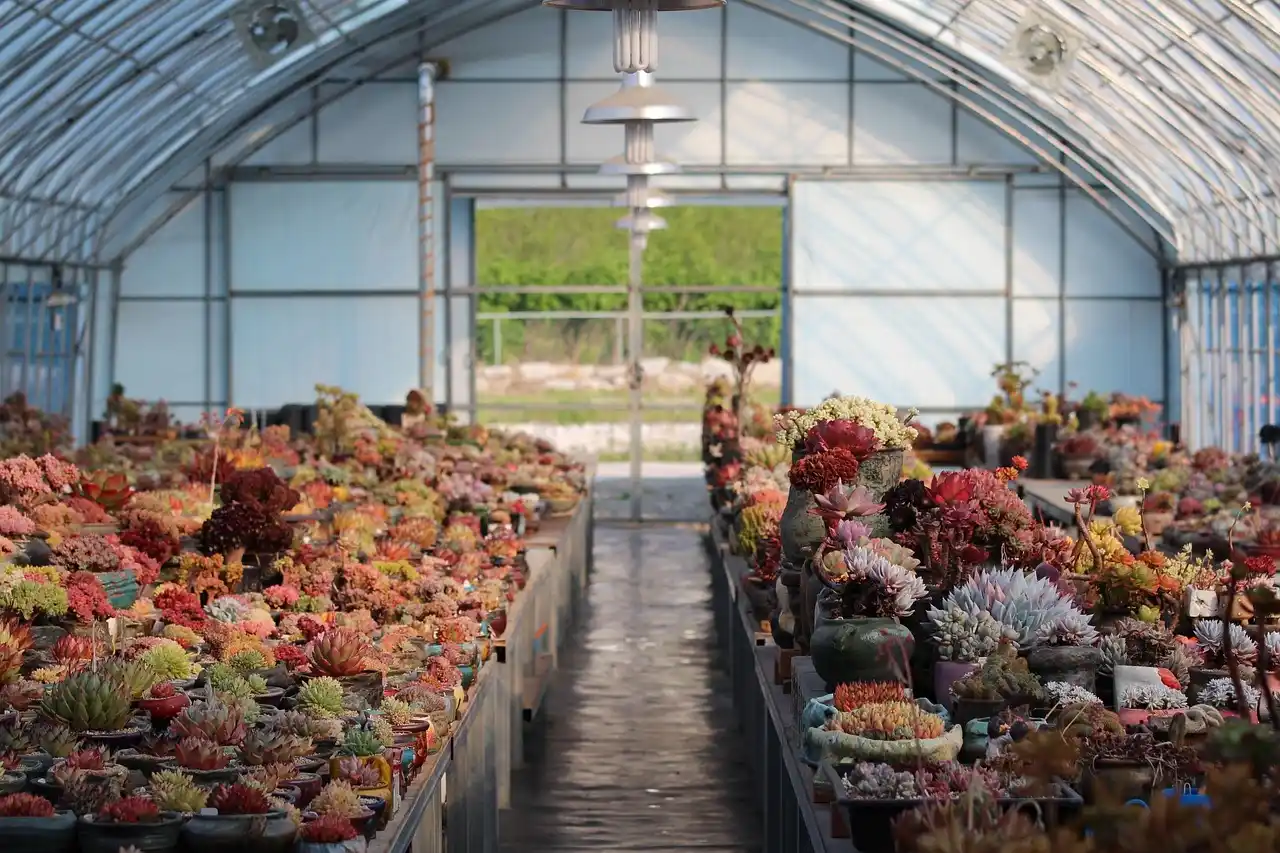
A botanical garden cactus collection works best as a public exhibit. Set a theme around a Cactus House with clean architectural lines, desert-plant structure, or a xeric display built around low water use and clear form.
Decide early whether the collection will prioritize form, size contrast, bloom interest, spine texture, or educational labels. Then set limits for mature spread, access paths, and maintenance risk. A compact house bed and a large outdoor court need different accession targets, because a plant that looks modest at purchase may become the dominant object in the display. For outdoor beds, match the plan to climate first; for indoor houses, match it to light, humidity, and visitor flow.
Match the plan to visitor movement. Place focal plants where the sightline naturally slows, and keep narrower species or lower forms near edges, steps, or secondary beds so the display reads in layers instead of as one flat block. That approach also makes it easier to place clear labels for visitors without putting them in the spine zone.
What should you decide before buying plants?
Set the collection’s purpose first: indoor Cactus House, outdoor xeric bed, or a mixed display with both. Then define the mature size band, spine-risk tolerance, irrigation grouping, and the amount of staff access needed for inspection. Those decisions prevent later replanting, overcrowding, and unsafe path edges.
What you’ll need
- Free-draining cactus compost, amended with grit where needed
- Horticultural grit for top-dressing and splashback control
- Accession labels and durable plant markers
- Barrier materials or low edging for spine safety and route control
- Hand tools for potting, positioning, and top-dressing
- Nursery stock from reliable growers
- Fresh seed from specialist-society sources or trusted exchanges
- Measuring tape for spacing, path width, and bed depth
- Nursery stock screened for firm stems, intact roots, and no visible pests or rot
- Seed-grown stock with a source name, collection data where available, and sowing date
- Quarantine space for all new arrivals before they join the main display
- A pest-inspection routine for scale, mealybugs, and root problems
- Provenance data, mature size forecast, and spine-risk class on every label record
- Irrigation-group tags so plants with similar water needs can be managed together
Species selection
Choose groups by growth form, mature size, and display role before you think about names. Barrel cactus works well as a structural focal plant in dry collections because its globe form reads from a distance. Prickly pear adds flatter pads, wider spread, and species diversity.
Use a mix of focal plants, mid-layer plants, and low fillers. Focal plants anchor the view. Mid-layer plants carry the transition. Low plants soften the base without hiding spines or labels. That mix helps the collection read as a composed exhibit instead of a crowded bench of similar silhouettes.
Say your desert bed is 3 m wide and sits beside a public path. A single barrel cactus near the center can carry the sightline, while a prickly pear on the outer third gives width without blocking access. Add smaller globose or clumping species where staff can reach them for inspection and removal.
How do you screen new accessions?
Check nursery stock for firm, undamaged stems, healthy roots, and no visible pests or soft spots. For seed-grown material, require provenance, collection details if available, and a realistic mature-size forecast. Reject or isolate plants that cannot be grouped by irrigation need, since mixed watering schedules create avoidable rot and staffing problems.
Soil/light
Set plants where they get full sun, with south- or east-facing placement where possible. Cacti generally need a bright, sunny position, but not every species tolerates the same intensity in the same way. In a Cactus House, use the brightest roof and wall zones first, then step down into secondary positions only for species that tolerate slightly less direct light.
Outdoor xeric beds should be matched to local climate rather than copied from a house display. In cooler, wetter regions, species that need the hottest, driest exposure may perform better under cover or in raised, sharply drained beds. In very hot climates, even sun-loving cacti can benefit from air movement and avoidance of reflective heat traps that scorch tender growth.
Install free-draining cactus compost and top it with horticultural grit. Cacti need very well-drained compost, and grit helps cut splashback from watering or rainfall while supporting surface drainage. Grit is a top-dressing and surface-aeration aid, not a fix for a heavy, poorly draining root zone; if the base mix holds water, the planting medium still needs rebuilding.
Leave safe visitor spacing. A common target is to keep sharp-spined plants far enough from the route that a passerby cannot brush them with an elbow or bag. Use low barriers, edging, or planting pockets to guide movement. Put clear labels for visitors on the approach side, not directly inside the spine zone.
What light do cacti need in a Cactus House versus an outdoor bed?
Indoor collections usually need the brightest available positions, especially near roof glass or unobstructed south-facing aspects. Outdoor xeric beds must be chosen for local exposure, winter wetness, and heat reflection, not just sun hours. Some species tolerate less direct light, but the safest rule is to match each accession to its actual site conditions.
| Candidate group | Display role | Mature size band | Light requirement | Drainage need | Maintenance risk | Visitor-safety notes |
|---|---|---|---|---|---|---|
| Golden barrel cactus | Focal plant | Medium | Full sun | Very high | Low to medium | Keep away from hand reach and path edges |
| Other barrel cactus types | Structural anchor | Medium to large | Full sun | Very high | Medium | Use barrier spacing for spine clearance |
| Prickly pear | Broad form and species variety | Medium to large | Full sun | High | Medium | Pad edges and spines need clear warning labels |
| Columnar cactus | Vertical accent | Large | Full sun | Very high | Medium | Allow generous setback for height and spines |
| Globose cactus | Low focal cluster | Small to medium | Full sun | Very high | Low | Best for raised beds or front rows |
| Clumping cactus | Massing plant | Small to medium | Full sun | High | Medium | Keep clumps separated for air movement |
| Flat-stemmed cactus | Texture contrast | Medium | Full sun | High | Medium | Allow room for spreading pads and labels |
| Fishhook or spiny globe types | Detail plant | Small | Full sun | Very high | Medium | Highest spine-contact risk in shallow beds |
| Cholla type | High-texture accent | Medium to large | Full sun | High | High | Restrict access; detached joints can snag clothing |
| Night-blooming columnar type | Seasonal interest | Large | Full sun | Very high | Medium | Needs wider circulation and clear label placement |
| Echinocereus type | Low accent | Small | Full sun | High | Low | Good near front edges if spines are labeled |
| Agave companion planting | Architectural support | Medium to large | Full sun | High | Medium | Leaf tips can injure visitors; set back from paths |
Watering and rot prevention
Follow a seasonal watering schedule. Water cacti sparingly between active growth and keep watering minimal in the coldest months. Overwatering is the fastest route to rot, especially in cool conditions where roots stay wet longer. A public collection should be watered on schedule, not by guesswork.
Prevent rot and cold damage by checking drainage after every major irrigation or rain event. Water should move through the root zone quickly and never sit under pots or in a bed hollow. If a plant shows soft tissue, collapse at the base, or discoloration after cold wet weather, move it to a dry quarantine space at once. For outdoor beds, drainage matters most in winter and during prolonged rain.
Watch for etiolation and pests. Stretched growth usually means light is too low for the species, so shift it to a brighter position before the shape becomes permanent. Inspect for scale, mealybugs, and root loss during routine checks. A collection that looks fine from the path can still be declining below the surface.
Suppose a 25 cm barrel cactus starts leaning and the body looks pale on the shaded side. That usually means its light exposure is falling short, not that it needs more water. Move it toward stronger light and hold irrigation steady until new growth stays compact.
How often should cacti be watered in a collection?
Water sparingly in active growth and far less in the coldest months, adjusting to pot size, bed depth, and local weather. Let the medium dry thoroughly between waterings, and use drainage checks to guide timing rather than a fixed weekly habit. Overwatering is riskier than slight dryness for most display cacti.
Propagation
Can you grow cacti from seed for a botanical garden collection? Yes, and seed is a sound way to build numbers, variation, and provenance. Fresh seed is preferable, and specialist-society sourcing can improve access to named material and less common taxa.
Combine nursery stock, seed-grown material, and specialist-society exchanges. Nursery stock gives you immediate display value and predictable size classes. Seed-grown plants build a deeper collection, but they take longer and need space in the nursery. Exchanges help expand unusual forms, but each incoming plant still needs the same accession screening for size, spine risk, and water need.
Use nursery stock for large focal plants and seed-grown plants for lower-risk clusters or future replacements. That balance keeps the public display complete while giving the nursery time to build the next generation. It also protects the collection if a mature specimen fails or has to be removed.
When sowing from seed, keep the sowing window tied to warm, bright propagation conditions, use clean free-draining medium, and label each tray with source and date. Fresh seed usually gives better germination than old seed, and specialist-society sourcing can narrow the gap between what is available commercially and what the collection needs.
When should cactus seed be sown?
Sow cactus seed when you can provide warm, bright propagation conditions and keep the tray labelled with source and date. Use a clean, free-draining medium. Fresh seed and accurate records make it easier to manage slow, uneven germination.
Design
Match the plan to visitor flow. Place focal plants where the sightline naturally slows, and keep narrower species or lower forms near edges, steps, or secondary beds so the display reads in layers instead of as one flat block. A clean architectural style suits a cactus house because it lets form, spine pattern, and bloom stand out without visual clutter.
Around the bed, use repetition to make the collection look intentional. Repeat pot shapes, stone textures, or path materials so the plants appear curated rather than simply assembled. For outdoor xeriscaping, keep the hardscape simple and the planting matrix readable; for indoor houses, leave open sightlines for interpretation and maintenance access.
Suppose the display includes a tall columnar cactus, a broad prickly pear, and several small globular species. Arrange the tallest plant as a backdrop or endpoint, set the broad form to one side, and use the small plants to create a readable foreground. The result is a layered exhibit rather than a crowded row.
What design style suits a cactus house or xeric bed?
A clean, architectural style works best because it supports strong plant silhouettes and easy wayfinding. For a Cactus House, use simple structure and bright light. For outdoor xeric beds, use climate-appropriate hardscape, good drainage, and open composition so the plants remain the focal point and staff can maintain them safely.
Labeling
Use labels to make the collection legible and safe. Put the name, origin, accession number, and spine warning where needed on each plant or planting group. Keep the label on the approach side so visitors can read it without leaning into the plant, and use the same naming logic across the whole bed or house.
Make labels do more than identify the species. They should help visitors understand mature size, whether the plant is suited to a public path edge, and whether the specimen belongs in a high-light or sheltered zone. That extra context is especially useful in collections that mix indoor and outdoor conditions.
Group plants by display role, mature size, and maintenance risk, then label each accession with the name, origin, and any spine warning. Put labels where visitors can read them without leaning into the plant, and keep the same naming logic across the whole bed or house. Clear labels also support staff when plants are moved, quarantined, or rotated.
What information should every label include?
Every label should include the plant name, accession or inventory number, source or provenance, mature-size guidance, and any spine or handling warning. If irrigation grouping or bed placement matters, capture that in the records too. Clear, consistent labels help visitors and staff read the collection quickly and safely.
Common mistakes
Overwatering and poor drainage cause the most losses. If the compost stays wet, roots fail before the top growth shows trouble. Avoid that by using free-draining cactus compost, keeping pots and beds raised where possible, and watering only when the mix has dried as far down as the root zone requires.
Crowding spiny plants too closely is another error. Dense planting hides labels, blocks inspection, and raises injury risk. Give each accession room for its mature spread, then leave a buffer for public access and staff handling. The empty space is part of the exhibit.
Buying only showy plants with no plan creates a collection that looks uneven within a season. Choose by form, size, and maintenance risk first. A balanced display needs focal plants, support plants, and backup stock, not just the most dramatic specimens available.
Frequently asked questions
How do you create a cactus collection for a botanical garden?
Start with a clear curatorial brief, then accession plants by mature size, spine risk, light need, and maintenance demand. Build the display around defined size groups, assign a role to each plant, and keep access routes, labels, and barrier spacing in the layout from the start. That structure supports both indoor houses and outdoor xeric beds.
Which cactus species work best in a botanical garden collection?
Barrel cactus works well as a focal plant, prickly pear adds spread and diversity, and columnar types supply height. Small globose or clumping species fill the front of a bed. Choose species that fit the local climate and light.
What soil do cacti need in a botanical garden bed or house?
Use free-draining cactus compost, and amend it with grit if the base mix is too heavy. Finish with horticultural grit on top to reduce splashback and help the surface dry quickly. Avoid soil that holds water for long periods after irrigation, because that raises rot risk.
How much sun do cacti need in a display collection?
Many display cacti want strong light, but not every species needs the same exposure or tolerates the same heat. Use the brightest positions for sun-loving taxa, then place more forgiving species where the light is slightly softer. In outdoor beds, factor in winter wetness, reflected heat, and local climate.
How often should a botanical garden water cacti?
Water sparingly during active growth, then give minimal to no water in the coldest months. The exact interval depends on pot size, bed depth, and weather, but the rule stays the same: let the mix dry out thoroughly before the next watering. Use the seasonal watering schedule as the baseline.
How do you prevent cactus rot in a garden collection?
Prevent rot by combining good light, free-draining compost, and restrained watering. Keep crowns dry, avoid standing water, and isolate any soft or discoloured plant at once. If a plant is cold-damaged or has lost roots, dry conditions and quarantine matter more than feeding. Rot prevention starts with site choice and drainage design.
Can you grow cacti from seed for a botanical garden collection?
Yes. Fresh seed sown when conditions are warm and bright enough for germination gives the best start, especially when it comes from specialist-society sources. Use a clean, free-draining medium, label the trays carefully, and plan for slow growth rather than expecting display-sized plants in a single season. Keep provenance records from the beginning.
What design style suits a cactus house or desert display?
A clean, architectural style works best. Straight lines, sculptural forms, and simple hardscape let the plants read clearly. Xeriscaping is the right design frame for that approach because it treats the display as a water-saving composition, not a dense decorative planting. In a Cactus House, the structure should amplify the plants rather than compete with them.
How do you label and group cacti in a public collection?
Group them by display role, mature size, and maintenance risk, then label each accession with the name, origin, and any spine warning. Put labels where visitors can read them without leaning into the plant, and keep the same naming logic across the whole bed or house. Add accession and provenance data for staff records.