Gardening Techniques for Balcony Herb Gardens
Match herbs to your balcony microclimate. Give sun-loving basil, rosemary, and thyme about 6 hours of direct light, place wind-tolerant herbs on exposed edges, and use deep pots with a fast-draining mix where heat and drying hit hardest. Ignore wind, reflected heat, and watering friction, and herbs dry out, bolt, or fail in cramped containers. This guide covers planning, plant selection, container setup, placement, and maintenance for a small balcony herb garden.
What your balcony can support


A balcony herb garden works best when you treat the space as several microclimates, not one uniform spot. South-facing, southeast-facing, and southwest-facing balconies often give herbs the strongest light, while partial shade can still support parsley, mint, and cilantro if heat is the bigger problem than sun shortage.
Check three things first: sun, wind, and heat reflection. Metal railings, pale walls, and glass doors can bounce heat back at pots, and exposed corners can dry soil far faster than a sheltered wall.
Check load, runoff, and access
Keep containers where you can water them without soaking neighbors below. Use saucers only if they do not trap standing water, and avoid placing heavy planters where the balcony slab or railing is already stressed.
What you’ll need
- Containers with drainage holes
- Potting mix made for containers
- Labels or plant markers
- Watering can or squeeze bottle with a narrow spout
- Pruners or kitchen scissors
- Railing planters, hanging baskets, grow bags, window boxes, or vertical planters as needed
- Lightweight supports or ties for upright herbs
- Shade cloth, cloche, or mini greenhouse for seasonal protection
Which herbs fit your conditions?
Pick herbs by their light needs, drying speed, and root space. Thyme, basil, oregano, cilantro, sage, and dill are all common container herbs, but they do not want the same placement. Compact, bushy, and dwarf varieties are usually better than sprawling types when floor space is tight.
Separate thirsty herbs from drought-tolerant ones. Basil and parsley usually need steadier moisture, while thyme and oregano handle faster drying and more sun. Mint spreads fast and is better contained in its own pot.
Use the right planter type
Railing planters and window boxes suit herbs you want close to the edge for light. Hanging baskets suit trailing herbs or spaces where floor room is limited, but they dry out quickly. Grow bags and standard pots are easier to move when wind or heat changes the site. Vertical planters and living wall planters fit balconies with little floor area.
How do I make a balcony herb garden?
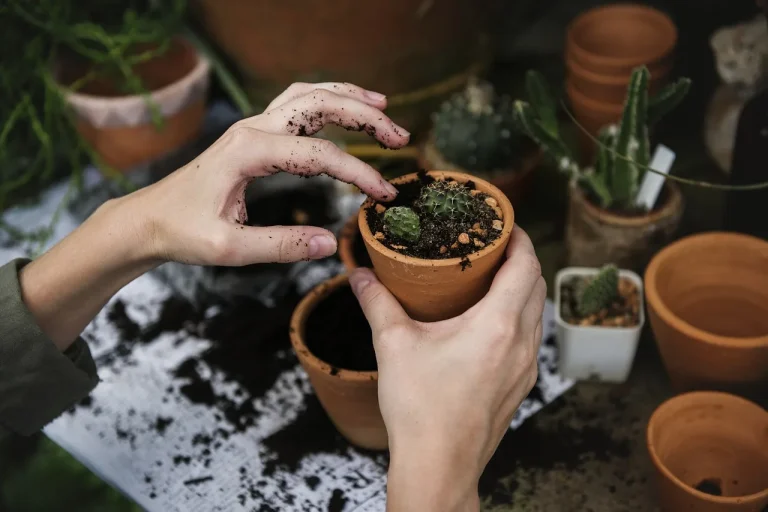
Start by matching herbs to light, then match containers to roots, then place pots where you can reach them for watering and trimming. Many herbs can grow in 6- to 8-inch deep pots, but vigorous plants need more room. The goal is a layout that fits sun, wind, and daily care, not just a neat arrangement.
- Map the brightest and hottest parts of the balcony.
- Pick herbs that fit those conditions, not the other way around.
- Choose containers with drainage holes and enough depth for the root habit.
- Fill with potting mix, leaving space at the top for watering.
- Place pots where they get the right light and do not block access.
- Water until excess drains, then empty any catch tray that holds water.
- Trim often so plants stay compact and do not shade each other.
Say your balcony faces southwest and reflects afternoon heat off a pale wall. Basil may do well in a deeper pot near the wall with afternoon shade from a taller planter, while thyme can sit closer to the edge where the air moves more. One shift in placement can change drying speed enough to matter within days.
Set up containers and drainage
Drainage holes are generally a must for most balcony herbs. Without them, water can sit in the root zone and slow growth or rot roots. A pot with holes plus a fast-draining mix gives you much better control than a decorative pot that traps water.
Use larger containers for vigorous herbs and shallow ones only for herbs that accept tighter root space. Many herbs fit 6- to 8-inch deep pots, but mint, parsley, and mature basil usually perform better with more room. If you want a mixed planting, match the pot to the most demanding root system in the group.
Runoff control matters
Water slowly until the first drops escape the drainage holes, then stop. That limits runoff and reduces the chance of staining floors or dripping on balconies below. If a saucer is used, empty it soon after watering.
How should you plant and place them?
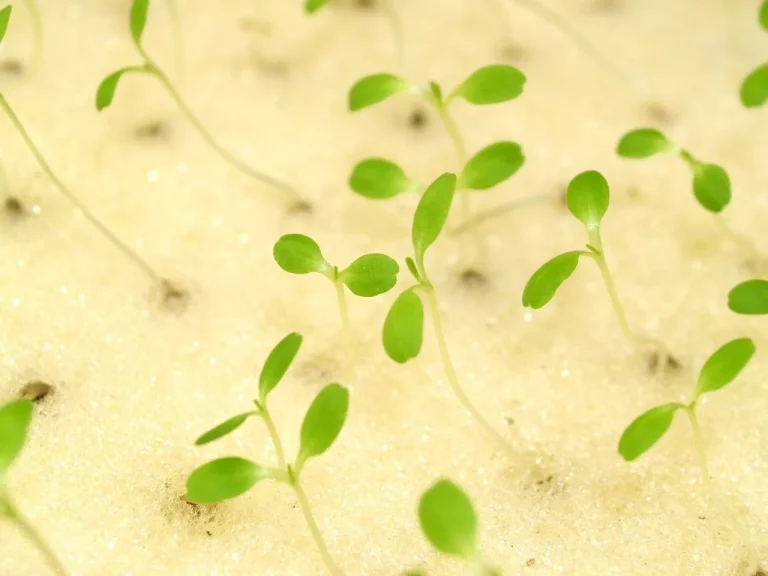
Buy transplants if you want a faster start, or begin from seed if you want more variety. Seedlings should move into larger containers after true leaves appear, then harden off over 7 to 12 days before staying outside full time. That gradual change lowers stress from wind, sun, and temperature swings.
Place sun lovers where they receive the longest direct light, and keep frequent-water herbs closest to the water source. Herbs that need more air movement can sit on railings or outer edges. Herbs that dislike drying out do better closer to a wall where wind is lighter.
Light and placement rules
South-facing, southeast-facing, and southwest-facing balconies are the best positions for many herbs. Full sun suits thyme, oregano, and basil, while partial shade can work for parsley and cilantro when summer heat is intense. If a balcony gets hot afternoon reflection, even full-sun herbs may need temporary shade.
Balcony herb decision table
| Herb | Best balcony condition | Container depth | Watering cadence | Risk notes |
|---|---|---|---|---|
| Basil | Full sun with some shelter from wind | 8 inches or deeper | Water when the top 1 inch dries | Leggy growth, bolting, scorch in reflected heat |
| Thyme | South-facing, hot, airy edge | 6 to 8 inches | Water after the surface dries | Root rot if kept wet |
| Oregano | Full sun | 6 to 8 inches | Let soil dry slightly between waterings | Spreads fast; can crowd nearby pots |
| Cilantro/coriander | Partial shade or cooler morning sun | 8 inches or deeper | Keep soil evenly moist | Bolts quickly in heat |
| Sage | Full sun, dry air, bright exposure | 8 inches or deeper | Water after the top layer dries | Root crowding in small pots |
| Dill | Full sun with room to grow upright | 8 inches or deeper | Keep lightly moist | Topples in wind if unsupported |
| Parsley | Partial shade to morning sun | 8 inches or deeper | Water often enough to avoid drying out | Yellowing from drought stress |
| Mint | Partial shade or filtered light | 8 inches or deeper, separate pot | Keep consistently moist | Rootbound fast; spreads aggressively |
| Rosemary | Full sun and good air flow | Deeper pot for mature plants | Water sparingly after dry-down | Wet roots in cool weather |
| Chives | Full sun to partial shade | 6 to 8 inches | Water when the top layer dries | Stalls in poorly drained mix |
How often should you water herbs in balcony containers?
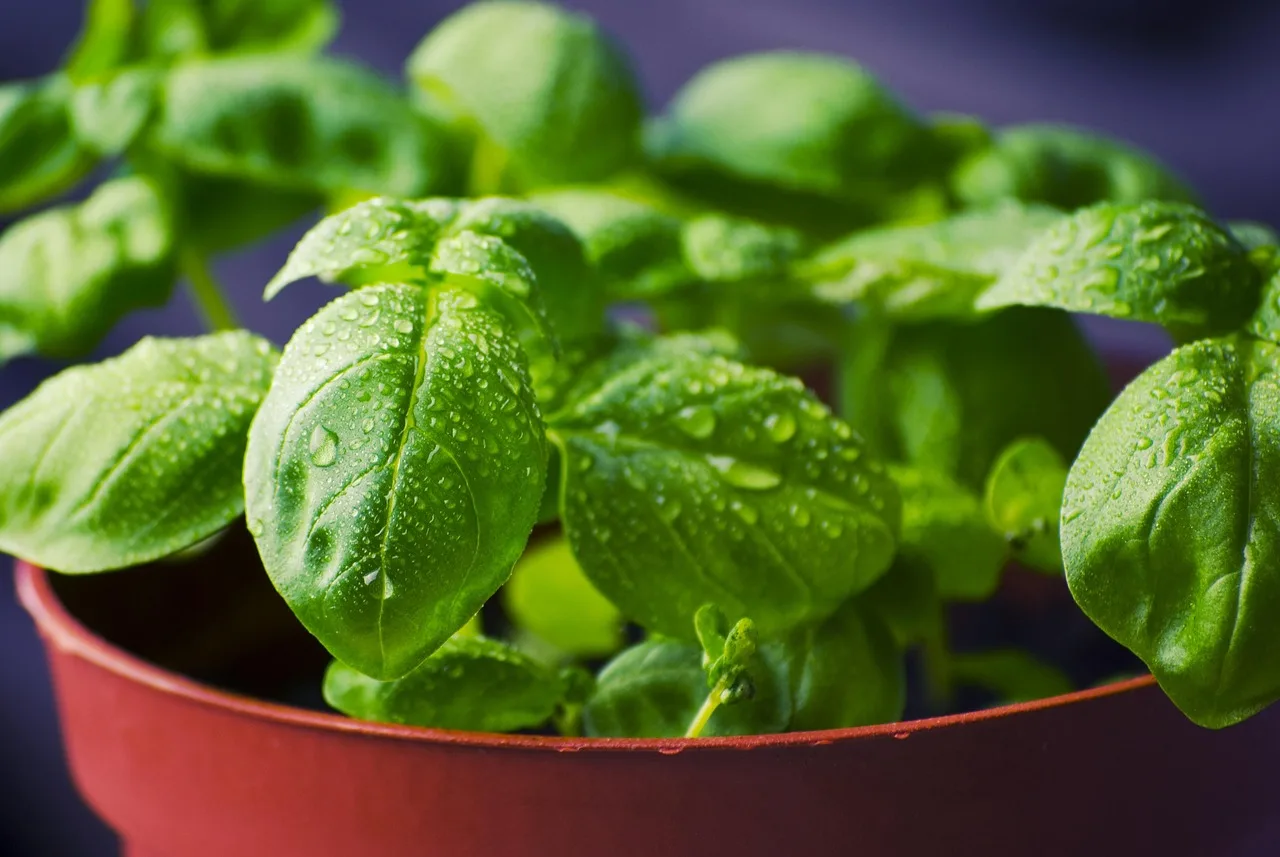
Water based on pot size, wind, sun, and heat, not on a fixed calendar. Small pots dry faster than large ones, and hanging baskets dry fastest of all. The common rule is to check the top layer daily in hot or windy weather and water when it starts to dry.
For thirsty herbs such as basil, parsley, and mint, keep moisture more even. For thyme, oregano, and sage, let the upper layer dry a bit more between waterings. A shallow pot on a southwest balcony may need attention twice as often as the same herb in a shaded window box.
Feed, trim, and rotate
Trim often to keep herbs compact and to prevent basil from going leggy. Rotate pots every few days so one side does not stretch toward the sun. Feed lightly only if growth slows and the potting mix is already well drained; too much feed can push weak, leafy growth.
Suppose mint in a hanging basket starts wilting by late afternoon even after morning watering. That often points to a pot that is too small or too exposed. Moving it into a deeper container near partial shade usually helps more than increasing water alone.
Common mistakes
Most balcony failures come from the same few problems: pots are too small, plants are too close together, or the site is too hot, windy, or wet for the herb chosen. Catch those early and the garden becomes far easier to manage.
- Overcrowding pots: leave room for each herb’s root habit and air flow.
- Letting soil dry out completely: especially in hanging baskets and small pots.
- Skipping drainage holes: standing water can rot roots fast.
- Ignoring wind: put fragile herbs away from exposed corners.
- Missing heat stress: pale walls and metal railings can scorch leaves.
- Letting mint take over: keep it in its own container.
- Waiting too long to transplant: move seedlings after true leaves appear and harden them off first.
Seasonal protection
Use a herb and salad cloche or a mini greenhouse for cold snaps, and move tender pots indoors if frost is expected. In hot climates, shade cloth or a temporary move away from reflected heat can prevent leaf burn and sudden wilting. Balcony herbs survive better when protection changes with the season.
Frequently asked questions
What herbs grow best on a balcony?
Thyme, basil, oregano, cilantro, sage, and dill are common container herbs, and mint, parsley, and chives also do well when the conditions match. Compact and bushy forms are usually easier to manage than sprawling types, especially on balconies with strong wind or limited floor space.
How much sun does a balcony herb garden need?
South-facing, southeast-facing, and southwest-facing balconies usually give the best light for herbs. Many sun-loving herbs want 6 hours or more of direct light, while parsley and cilantro can handle partial shade if summer heat is strong. If the balcony reflects heat, placement matters as much as total sun.
What size pots should I use for balcony herbs?
Many herbs can grow in 6- to 8-inch deep pots, but deeper containers suit stronger roots and reduce how fast soil dries. Basil, parsley, mint, and mature sage usually do better with more room. The right pot is the smallest one that still fits the herb’s root habit.
Do balcony herbs need drainage holes?
Yes. Drainage holes help prevent waterlogged soil, which is a common cause of weak growth and root problems in containers. If you use a decorative outer pot, keep the growing pot inside it and empty any collected water soon after watering so the roots do not sit in it.
How do I protect balcony herbs from frost?
Move tender pots indoors when frost is forecast, or cover them with a cloche or mini greenhouse for short cold spells. Pots lose heat faster than garden soil, so a protected container or a move to a sheltered wall can make a real difference overnight.