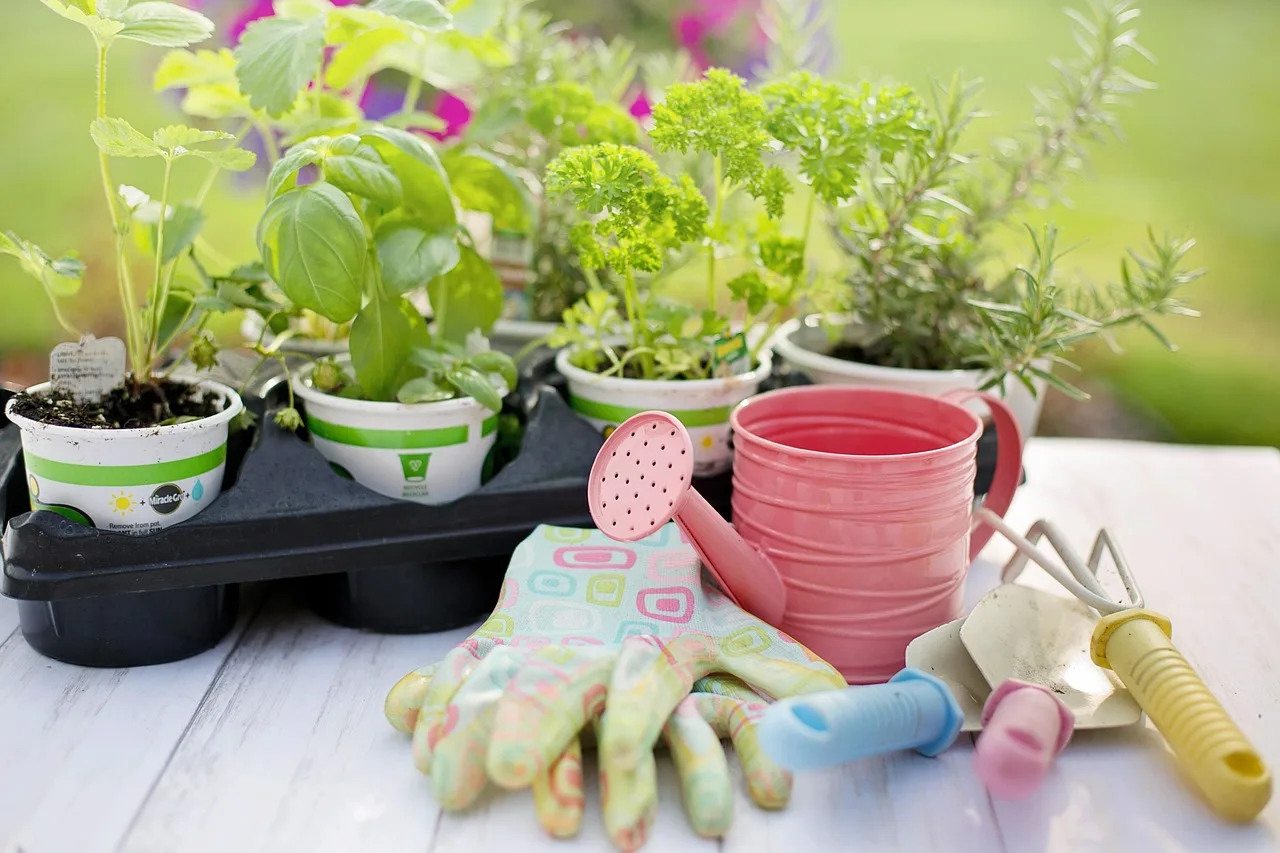
Gardening Techniques for Potted Herbs Indoors
Match the herb to the window: 6+ hours of direct sun supports basil, rosemary, thyme, and oregano; 3–5 hours favors parsley, chives, and mint in brighter shade. Poor matches cause leggy stems, root rot, and weak flavor. This guide shows how to pair light, pot size, soil, and watering for apartment herb setups.
How do you match herbs to your window?
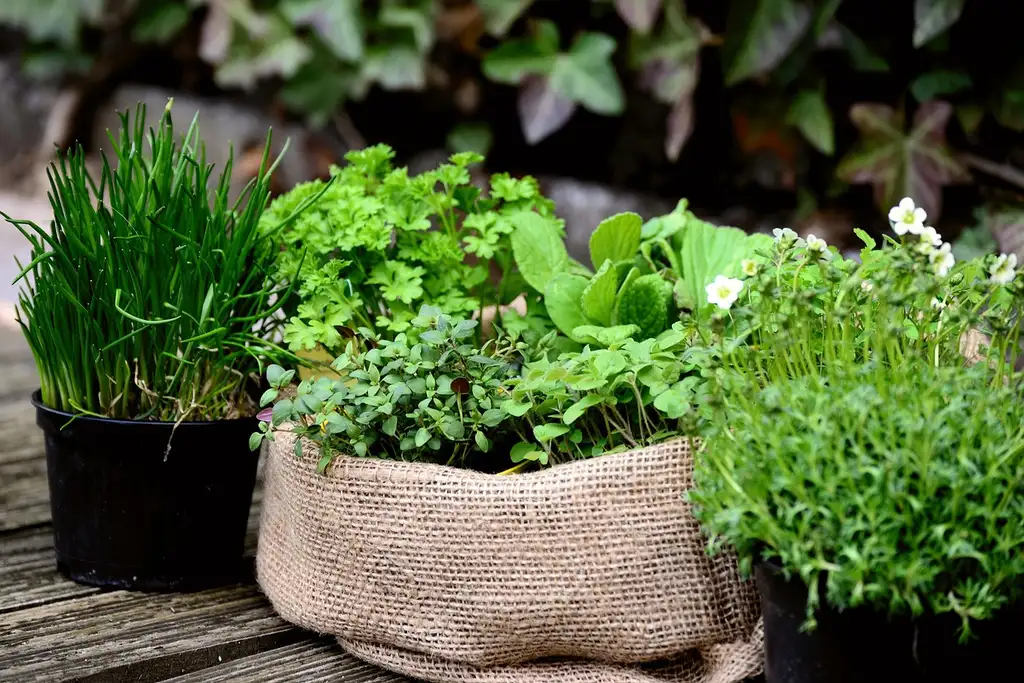


Start with window direction, then match each herb to that light before you buy pots or mix. A south-facing window usually gives the strongest natural light for sun-loving herbs, while west-facing windows can also work well. If the light is short or weak, use a grow light instead of asking a sun plant to adapt.
Use window direction as your first filter
A south-facing window is the best starting point for basil, thyme, rosemary, and oregano. A west-facing window can also support these herbs if it gets several bright afternoon hours. East-facing windows often suit parsley, chives, and mint better than basil because the light is gentler.
If your windowsill is shaded by trees, a nearby building, or a deep overhang, treat it as lower light even if the room feels bright. That difference matters. A herb that looks fine for a week can still stretch, thin out, and weaken over time.
Sort herbs by light tolerance before you buy pots
Most indoor herbs need 6–8 hours of bright light each day. Basil sits near the high end of that range and wants warmth plus strong light. Parsley, chives, and mint handle lower indoor light better than many herbs, so they are safer picks for a less sunny spot.
Use that sort order to decide what goes on the sill and what needs supplemental light. If the window is only moderately bright, choose parsley or chives first, then add basil only if you can supplement with a grow light.
When a grow light is the better choice
Use a full-spectrum LED grow light when the window cannot deliver steady brightness. A common schedule is 12 to 16 hours per day, with the light kept close enough to matter but not so close that leaves heat up. Many guides place LEDs 6–12 inches above the plants.
That setup often works better than forcing a weak window to do the job of a strong one. A south-facing window still helps, but it does not always remove the need for supplemental light in winter or in narrow apartment layouts.
What pots work best indoors?
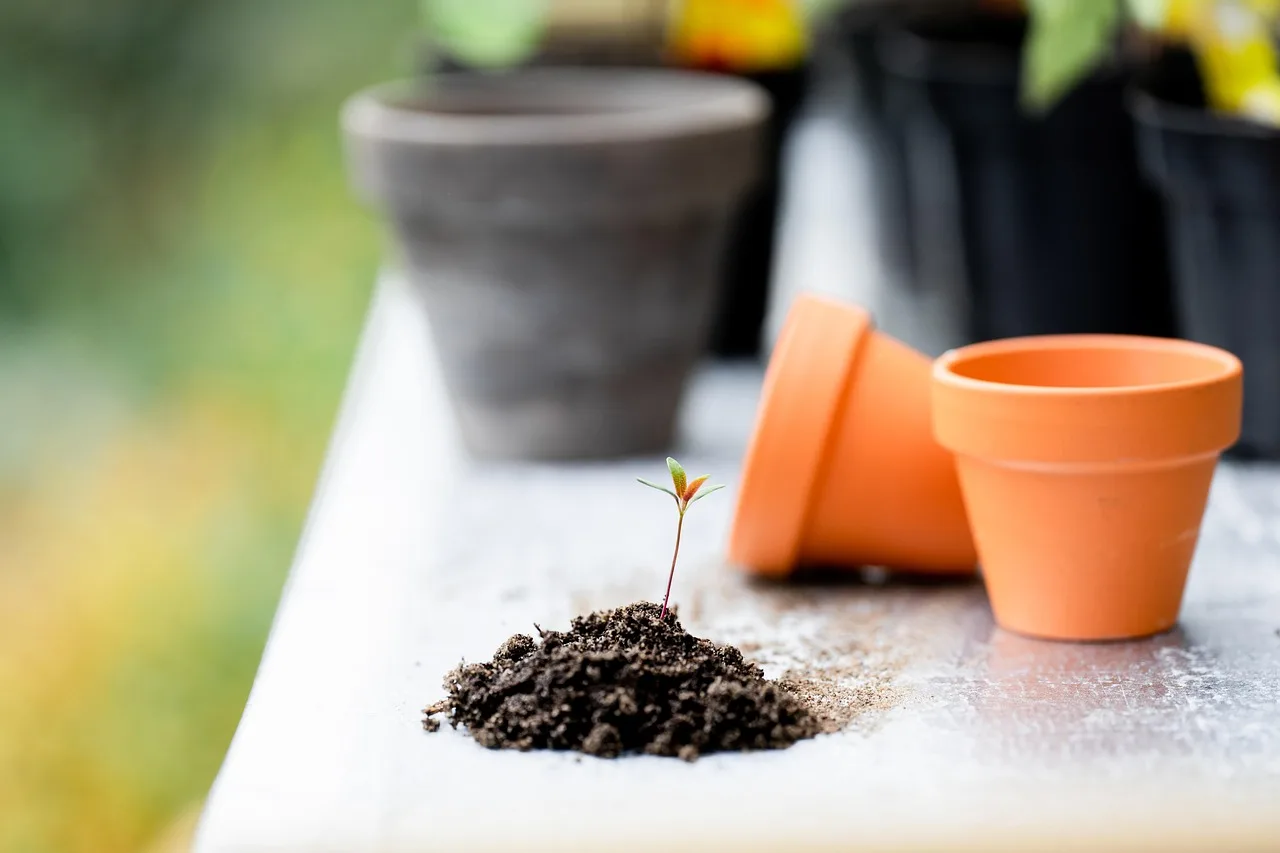
Indoor herb pots need drainage holes every time. That keeps excess water from sitting around the roots, which helps prevent waterlogging and root rot. Use a saucer under each pot so water can drain away without damaging shelves, counters, or windowsills.
Why drainage holes matter in every container
Drainage holes are not optional for indoor herbs. Even careful watering leaves extra moisture in the pot, and herbs suffer quickly when the root zone stays wet. A pot without holes turns a small watering mistake into a lasting problem.
If you want decorative outer containers, use a plastic nursery pot with holes inside a cachepot or decorative shell. The inner pot does the drainage work; the outer container catches runoff.
Terracotta vs. plastic for drier or wetter herbs
Terracotta pots breathe and dry faster, which makes them a good fit for thyme, oregano, and rosemary. Plastic tends to hold moisture longer, which may help basil or parsley if your air is dry and your window is warm. The right choice depends on the herb, not on style alone.
For a beginner, terracotta is often the safer pick for drier herbs because it gives a little extra margin against overwatering. For moisture-loving herbs, plastic can be useful only if drainage is still excellent.
How to choose pot size for basil, thyme, and parsley
Indoor herbs can be grown in containers at least 4 inches wide, but some herbs do better with more room. A small pot size recommendation is 4–6 inches for many herbs and 8–10 inches for rosemary or thyme. Basil and parsley usually settle well in that middle range if drainage is good.
Use the pot size to match growth habit. Basil fills out quickly and needs room for roots and frequent trimming. Thyme stays compact and prefers a smaller pot with faster drying. Parsley establishes slowly, then becomes steadier once rooted.
What soil should you use?
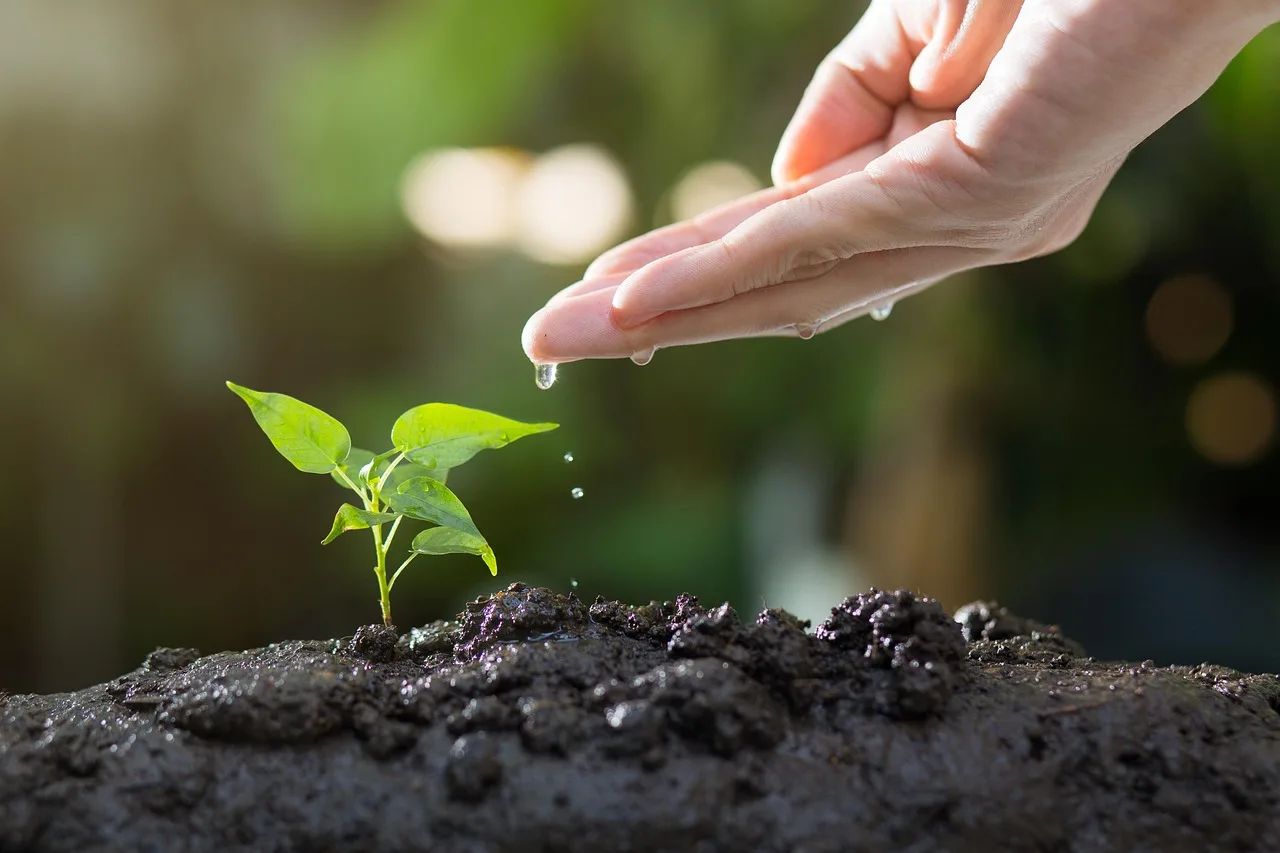
Use a light, well-draining potting mix made for containers. Garden soil is too dense for indoor pots and tends to hold too much water. That extra density limits air around the roots and makes overwatering more likely, even if you water only a little at a time.
Why garden soil fails in indoor containers
Outdoor garden soil compacts inside a pot. It drains slowly, stays wet at the root level, and can create the soggy conditions herbs dislike. Indoor herbs need air as much as moisture, so a container mix is the right starting point.
That matters most for small pots. In a 4- to 6-inch container, dense soil can stay wet for too long after a single watering. In a bright apartment window, a lighter mix dries in a more controlled way.
What to look for in a potting mix
Choose a mix labeled for containers or herbs, and look for a light texture that does not pack down hard when squeezed. Many mixes already include perlite, which improves drainage and airflow. Coco coir can help hold some moisture without turning the pot heavy and muddy.
A good mix should feel open and airy, not like field soil. If water sits on top for a long time, the mix is too dense or too fine for indoor herb work.
When perlite or coco coir helps
Perlite helps when the mix stays wet too long or the room is cool. Coco coir helps when the air is dry and the mix dries too fast, especially for basil or parsley. Either amendment can improve a container mix, but neither replaces drainage holes.
| Herb | Light level | Pot size | Watering pattern | Group or separate? |
|---|---|---|---|---|
| Basil | Bright light, 6+ hours | 6–8 inches | Keep evenly moist | Group only with similar moisture herbs |
| Mint | Moderate to bright shade | 6–8 inches | Moderate moisture | Keep separate |
| Parsley | Moderate light | 6–8 inches | Water when top layer dries | Can group with chives |
| Chives | Lower light tolerant | 4–6 inches | Lightly moist, never soggy | Can group with parsley |
| Thyme | Bright light | 4–6 inches | Let soil dry more between waterings | Group only with other dry-tolerant herbs |
| Oregano | Bright light | 4–6 inches | Dry slightly between waterings | Can group with thyme if both stay dry |
| Rosemary | Very bright light | 8–10 inches | Water sparingly after top dries | Usually separate |
| Cilantro | Moderate light | 6–8 inches | Keep lightly moist | Short-term group only |
Mint should stay in its own container. It spreads fast, crowds neighbors, and usually needs a different watering rhythm from the dry-loving herbs. Basil should also avoid a dry mix that suits thyme or rosemary.
How do you water indoor potted herbs?
Water when the top layer of soil feels dry, then stop before the pot turns soggy. Let excess water drain fully, and empty the saucer after the pot has finished dripping. Basil needs steadier moisture; thyme wants a drier cycle.
Use the top-layer dry test
Check the top inch of mix with your finger. If it feels dry, water thoroughly until the excess runs out of the drainage holes. If it still feels cool and damp, wait.
That simple rule works better than a fixed calendar because light, pot size, and room temperature change drying speed. A sunny south-facing sill can dry a pot in days; a lower-light shelf may slow that by a lot.
Drain every saucer after watering
A saucer protects indoor surfaces, but it should not hold standing water. Drain any runoff after the pot finishes dripping. If the roots sit in water, the mix stays too wet and the plant loses access to air.
Say your basil is in a 6-inch terracotta pot on a bright windowsill. If the saucer still has water 20 minutes later, empty it. The pot should drain, not bathe.
Why basil and thyme should not follow the same schedule
Basil prefers consistent moisture and strong light. Thyme prefers bright light and drier conditions. If you water both on the same schedule, one of them usually suffers.
Picture a mixed planter with basil and thyme in one 8-inch pot. The basil stays upright for a week, but the thyme starts to yellow at the base because the mix remains wet too long. The issue is the pairing, not the pot.
How do humidity and airflow affect indoor herbs?
Moderate indoor humidity and decent airflow help herbs stay compact and healthy. Keep pots away from heating vents and cold windows, which can dry or chill the leaves unevenly. Dry air can look like watering trouble, while stale air can encourage mildew.
Keep pots away from heat sources and cold glass
Heat vents dry the mix quickly at the surface while leaving the lower root zone uneven. Cold windows can chill tender herbs and slow growth. Place pots where the temperature stays steadier, ideally around 65–75°F.
This matters most for basil and parsley, which show stress faster when the air swings too hard from one condition to another. A stable spot is usually better than the brightest spot with harsh drafts.
How airflow reduces mildew and stress
Light airflow helps leaves dry after watering and reduces mildew risk. It also keeps stems stronger. A closed, stagnant corner can trap moisture and make herbs look tired even when the soil is not the main problem.
You do not need a fan blasting the leaves. You do need enough movement that the air does not sit heavy around the plants.
Why low humidity can look like watering trouble
Low humidity often causes leaf edges to crisp, tips to brown, or growth to slow, even when the pot is watered correctly. That can be mistaken for underwatering. Check the soil and the air together before changing the watering routine.
How do you plant and maintain herbs indoors?
Start with nursery transplants if you want faster harvests, or start from seed if you want the lowest upfront cost. Seeds are cheaper, but nursery-started plants are harvestable earlier. Plant into a drainage-hole container filled with light potting mix, then adjust water and light to the herb.
Start with transplants or seeds
- Choose a herb that matches your light level.
- Fill a pot with drainage holes using a light, well-draining mix.
- Set the plant at the same depth it had in its starter container.
- Water until excess drains out, then empty the saucer.
- Place the pot in the brightest suitable window or under a grow light.
Nursery starts are easier for beginners because they skip the fragile germination stage. Seeds work well for basil and chives, but they need more patience and steadier moisture.
Prune and harvest to keep growth compact
Regular cutting encourages bushier growth. Harvest basil above a leaf pair, trim chives with clean snips, and pinch parsley once it has enough leaves to recover. Do not remove too much at once from a slow starter.
Frequent harvesting is not only for the kitchen. It keeps the plant from going long and sparse, especially in indoor light.
When to repot or up-pot
Move a herb to a larger pot when roots fill the container quickly, water runs through almost immediately, or growth stalls despite proper light and feeding. Basil and parsley may outgrow a starter pot sooner than thyme. Rosemary usually wants more room from the start.
Use the next size up, not a huge jump. Too much extra soil around a small root ball stays wet too long.
Common problems and fixes
Yellowing and leggy growth usually point to different causes, so read the symptoms before changing care. Overwatering, low light, and low humidity can look similar at first. A quick symptom check helps you avoid fixing the wrong problem.
Indoor herb troubleshooting flowchart
| What you see | Most likely cause | What to do next |
|---|---|---|
| Lower leaves yellow, soil stays wet, stems feel soft | Overwatering | Let the mix dry more, empty the saucer, improve drainage, and reduce watering frequency |
| Long stems, wide gaps between leaves, leaning toward glass | Low light | Move to a south-facing or west-facing window, or add a full-spectrum LED grow light |
| Crisp leaf edges, brown tips, soil dries fast, plant otherwise upright | Low humidity | Move away from vents, raise local humidity, and keep the watering routine steady |
| Wilting even after watering, roots smell sour, mix feels dense | Root stress from soggy soil | Check drainage, refresh the mix if needed, and repot into a better-draining container |
A common first-timer mistake is to spot basil stretching toward the window and move it farther from the light. If the soil is already damp, that makes the problem worse. The safer move is to test the mix first, then adjust light and drainage.
How to spot low humidity versus root stress
Low humidity usually shows up as dry leaf edges with otherwise firm stems. Root stress from soggy soil usually shows softer growth, slower recovery, and a pot that stays wet too long. One is an air problem; the other is a drainage problem.
Suppose chives on a windowsill begin to pale after a week of cloudy weather. If the soil is still damp and the stems stay firm, low light is more likely than drought. If the pot is wet and the plant slumps, overwatering is the better fit.
Frequently asked questions
How do I plant herbs indoors?
Pick a herb that matches your light, use a pot with drainage holes, fill it with light potting mix, and place it in the brightest suitable window. Water only when the top layer dries. For beginners, basil, mint, parsley, chives, and cilantro are usually easier starting points.
What pots are best for indoor herb garden?
Use pots with drainage holes first, then choose terracotta for drier herbs like thyme, oregano, and rosemary. Plastic can suit moisture-loving herbs if you water carefully. A saucer underneath protects surfaces while still letting excess water drain away.
How much light do indoor herbs need?
Most indoor herbs need 6–8 hours of bright light each day. A south-facing window is often the best natural-light spot, while a west-facing window can also work. If the window is weak, add a full-spectrum LED grow light for 12 to 16 hours per day.
What soil should I use for herbs in pots indoors?
Use a light, well-draining potting mix made for containers. Garden soil is too dense for indoor pots and often holds too much water. Perlite can improve drainage, and coco coir can help hold moisture without turning the mix heavy.
How often should I water indoor potted herbs?
Water when the top layer of soil feels dry, not on a fixed schedule. Basil usually wants steadier moisture, while thyme needs more drying between waterings. After watering, let the pot drain fully and empty the saucer so the roots never sit in water.
Which herbs grow best indoors?
Beginner-friendly indoor herbs include basil, mint, parsley, chives, and cilantro. Mint, parsley, and chives tolerate lower indoor light better than many herbs. If your window is very bright, thyme and oregano also do well, especially in terracotta pots with careful watering.