Is Coconut Coir Safe for Vegetable Gardens? A Guide
Yes—coconut coir is safe for vegetable gardens when it is low-salt, properly washed or buffered, and used as a mix ingredient rather than the only growing medium. I have seen bad coir stall seedlings, dry out unevenly, and throw off nutrient and pH readings. This guide separates physical safety, plant safety, and product-quality safety, then shows when coir works in beds, containers, seed starting, and when it does not.
This guide is part of our Garden safety concerns: what is safe to use series.
Is coconut coir safe for vegetable gardens?

What safety means here
For vegetable gardeners, “safe” has three parts. Physical safety means the material is clean enough to handle without dust headaches or trash in the bag. Plant safety means roots can breathe, drink, and feed. Product-quality safety means the coir was washed and processed well enough that salts, fine sludge, or odd debris do not cause problems later.
When coir is a good fit and when it is the wrong choice
Coir is a strong choice when you want more water-holding in containers, better tilth in a tired bed, or a peat-free starting medium. It is a poor choice when the bed already stays wet, when the mix is mostly fine pith with little structure, or when the crop needs steady fertility and you are not adding compost or fertilizer.
According to Coco Coir for Vegetable Gardens: What To Know — Small Space Big Harvests recommends a 1 part coco coir, 1 part compost, 1 part perlite mix.
What coconut coir is, and why gardeners use it

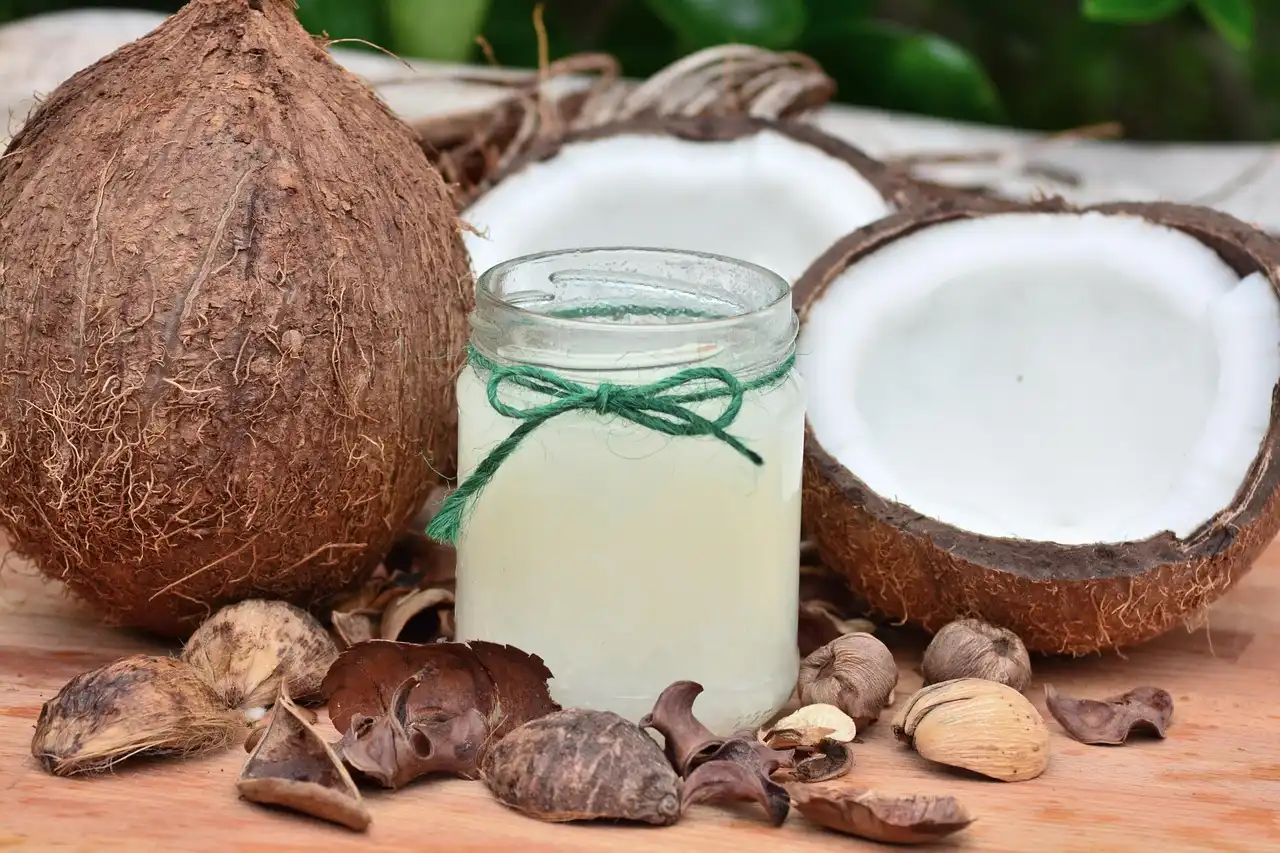
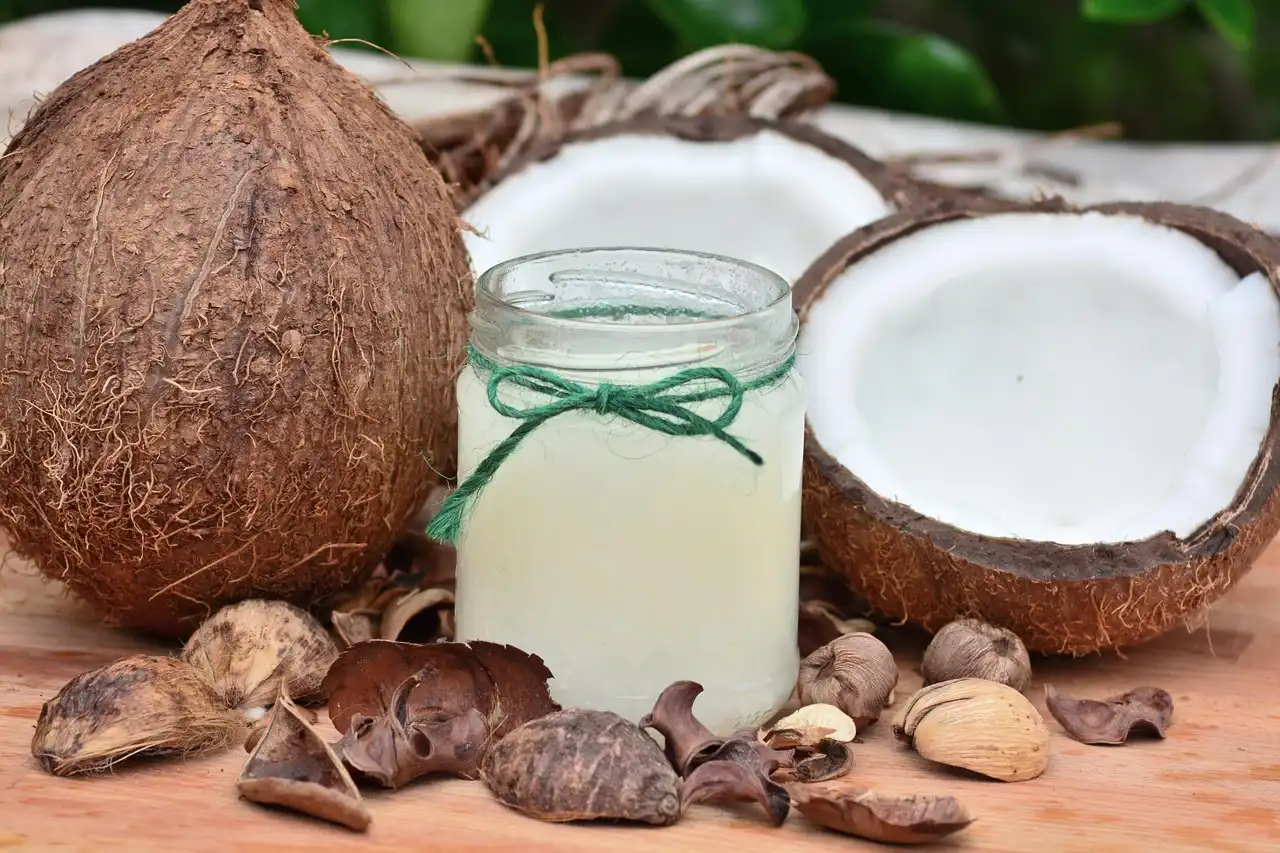
Coconut coir comes from coconut husks. It is a fibrous growing medium sold as bricks, loose bags, chips, and pith. It often sits near neutral in pH, can help keep moisture in the root zone, and can add air space to tight mixes. That makes it useful in vegetable gardens, especially where native soil is compacted or container media dry too fast.
Made from coconut husks: pith, fiber, and chips
Coco pith, also called coco peat, is the fine-textured fraction. It holds a lot of water, which helps seed starting and small pots, but it can be too dense if used alone. Coco chips are chunkier. They leave more voids for oxygen and drain faster, so they are better when the goal is a lighter mix. Fibrous coir sits between those two.
Compressed coir bricks versus loose-fill products
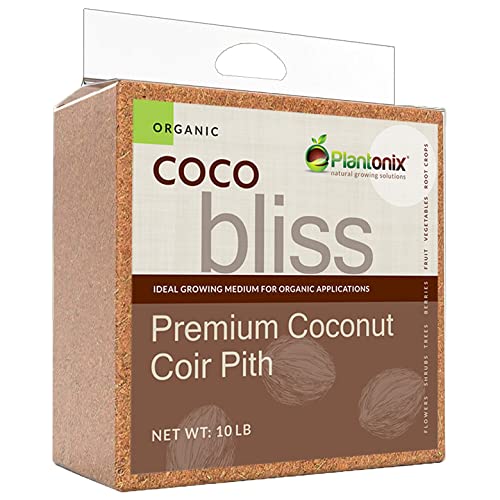
Compressed coir brick products are common because they ship small and expand after hydration. Loose bags are faster to use, but they still need a label check for salt status and texture. Bricks are fine if you have room to rehydrate them before mixing. Dry bricks should not go straight into containers or beds.

How safe is coconut coir for plants?
For plants, coir is usually safe because it is near-neutral and low in disease risk when processed well. The catch is that coir is inert or low-nutrient, so roots get structure and moisture from it, not food. If the gardener treats it like a complete medium, plants can yellow, stall, or drink poorly even when the mix looks good.
Near-neutral pH and what that means for vegetable crops
Near-neutral pH makes coir easier to use with vegetables than an acidic ingredient that needs correction. That is one reason it often compares well with peat moss for vegetable work. Peat moss is more acidic and commonly needs lime in vegetable mixes. Coir usually does not need that same correction, although the full mix still needs to match the crop.
Why coir has little to no nutrients
Coir does not replace compost, fertilizer, or hydroponic nutrients. In containers, it should be paired with compost and a fertilizer plan. In soilless systems, calcium and magnesium management matters, and pH control matters too. A coir-only pot can look airy and still leave plants hungry.
Salt, dust, and poor processing: the main quality risks
The main plant risk is not toxicity in the dramatic sense. It is sloppy processing. Poorly washed coir can carry salts that stress roots. Very dusty material can compact after watering. Fine pith that has not been aged or processed well can also swamp roots and reduce oxygen around the crown.
How do you use coconut coir in gardening without problems?
Use coir as one part of a mix, not the whole story. Hydrate compressed bricks fully, blend them with compost and, in containers, often perlite. For in-ground beds, mix it into the top layer rather than leaving it on the surface. The right ratio depends on whether the crop is in seed trays, pots, or a raised bed.
Rehydrating compressed bricks before mixing
A compressed brick needs water before use. Home Compost Guide recommends rehydrating a 1.5 lb brick with about 4 gallons of warm water. That step matters because dry chunks do not blend evenly. Dry pockets stay dry longer, and the first watering can leave the rest of the mix uneven.
- Break the brick into a tub or bucket.
- Add warm water slowly and wait for expansion.
- Fluff the material so dry cores do not remain.
- Check texture before adding compost or perlite.
- Discard any debris, mold, or salty runoff odor.
Best mix ratios for seed starting, containers, and raised beds
Seed starting benefits from a fine, even blend. Containers need more air. Raised beds need more organic matter and less reliance on coir alone. A common coir mix recommendation is 30% coconut coir and 70% garden soil or compost. That is a useful starting point for beds, but not a universal formula.
| Use case | Practical mix ratio | Why it works | When to avoid it |
|---|---|---|---|
| Seed starting | 1 part coir to 1 part compost | Fine texture, steady moisture, simpler roots | Skip if the mix stays soggy for days |
| Container vegetables | 1 part coco coir, 1 part compost, 1 part perlite | Balances water retention, fertility, and air space | Skip if the pot is in a very wet spot |
| Raised beds | 30% coconut coir and 70% garden soil or compost | Improves moisture handling and structure | Skip if the bed already stays wet and heavy |
Why perlite and compost are common partners
Perlite opens the root zone in containers. Compost feeds the crop and buffers the low-nutrient nature of coir. That pairing is why many vegetable mix recipes use all three. Small Space Big Harvests recommends a 1 part coco coir, 1 part compost, 1 part perlite mix, and also notes that coir is good for vegetables but not a complete potting mix by itself.
Coconut coir versus peat moss for vegetables
Coir and peat moss both hold water and lighten mixes, but they can behave differently. Coir is usually near-neutral and renewable or peat-free in the usual gardening sense. Peat moss is acidic and may need lime in some vegetable mixes. Coir also tends to hold structure better in some container blends, especially when mixed with perlite.
Moisture behavior and aeration
Peat moss can become hydrophobic when fully dry. Coir generally rewets more predictably. That is one reason gardeners like it for pots and seed starting. Still, fine pith-heavy coir can get too dense if the blend is not balanced well. Air space matters as much as water-holding, and that is where chips or perlite help.
Cost, availability, and replacement frequency
Coir often costs more per bag than cheap bulk compost, but less than buying ready-made potting mix for every bed. It can be used more than once, which stretches value. Compost usually wins on nutrient value and can be added again each season. Peat moss often has lower short-term cost, but it does not feed plants and may need lime for vegetable work.
Coir quality checklist: buy, buy with caution, or skip
Good coir is clean, evenly textured, and clearly labeled for horticultural use. Buy it when the product looks washed, low in debris, and matched to the job. Buy with caution when the bag is vague about rinse status or the texture looks too fine for containers. Skip it when there is salt smell, trash, mold, or heavy dust.
Product signs that usually mean buy
- Label says horticultural-grade or garden use.
- Texture matches the task: pith for seedlings, chips for aeration, blended coir for containers.
- Product mentions washed, buffered, or low-salt processing.
- Material looks clean and even, without twigs, plastics, or gray sludge.
- Bag or brick expands into loose, fibrous material after hydration.
Product signs that mean buy with caution
- No clear note about rinsing or buffering.
- Very fine pith with little structure.
- Unknown source and no clear horticultural label.
- Loose fill that is packed with dust but otherwise clean.
Red flags that mean skip the bag
- Strong salty smell or visible white crust.
- Moldy patches or damp, sour odor.
- Trash, rope fibers, or random debris mixed in.
- Brick that will not break down into usable fibers after hydration.
Proof asset: coir safety and quality checklist
This checklist separates product choice, mix choice, and failure checks. It is the fastest way to avoid the common mistakes: salt stress, soggy containers, and nutrient starvation. Use it before buying, then again when the first watered mix is sitting in the pot or bed.
| Decision | Buy | Buy with caution | Skip |
|---|---|---|---|
| Product signs | Horticultural-grade, washed or buffered, clean texture, low dust | Label is vague, pith is very fine, source is unclear | Salt crust, mold, sour smell, trash, heavy sludge |
| Best mix ratio by use case | Seed starting: 1 part coir to 1 part compost | Raised bed: 30% coir and 70% garden soil or compost | Container solo use with no compost, perlite, or fertilizer plan |
| Failure case: salt | Low-salt, rinsed product with no crust | Rinse and test if the label is unclear | White residue, bitter-salty smell, wilt after watering |
| Failure case: soggy mix | Coir balanced with perlite or chunkier chips | Fine pith only in trays, monitored closely | Dense mix that stays wet for too long |
| Failure case: nutrient starvation | Coir paired with compost or fertilizer | Soilless use with a full feeding plan | Coir used alone as if it were a complete medium |
Failure check for salt, soggy mixes, and nutrient starvation
If a container wilts even though the mix is wet, suspect salt stress or root damage from poor processing. If the surface stays wet for days and stems look weak, the mix is too fine or too dense. If leaves fade pale green and growth stalls, the problem may be nutrient starvation, not water.
Is coconut husk good for vegetable garden?
Yes, coconut husk products can be good for vegetable gardens when the texture matches the job. Coir fiber, pith, and chips all come from the husk, but they behave differently. Chips help drainage. Pith holds water. Fiber adds structure. The wrong form, used alone, can create air or water problems.
When coconut husk is helpful
Use chip-heavy coir when a pot mix needs more air. Use finer coir when you want more water retention in seed trays or small containers. Use a blended product when amending soil or building a container mix. Coconut husk is not a single material with one outcome; texture controls performance.
Can coconut coir be used as mulch for vegetable gardens?
Yes, coconut coir can be used as mulch around vegetable plants, but it works best when the material is coarse enough to stay put. Fine pith is not the same as a true mulch blanket. It can crust, blow away, or mat down too tightly, which blocks water and air instead of protecting the soil.
Where mulch makes sense
Use coir mulch where moisture loss is the main issue and the bed already drains well. It can help moderate surface drying around transplants. It is less useful in beds that already stay wet, because extra surface moisture can keep stems and crowns too damp.
Frequently asked questions
Is coconut coir good for vegetable gardens?
Yes, when it is clean, low-salt, and mixed with compost or fertilizer. Coir helps with water retention and aeration, but it does not feed vegetables by itself. It works best as part of a balanced bed, seed-starting mix, or container blend.
Does coconut coir need fertilizer or nutrients?
Yes. Coir has little to no nutrients, so vegetables need compost, fertilizer, or hydroponic nutrients depending on the system. In soilless setups, calcium and magnesium management matters too. Without feeding, plants can stay pale and slow even if the mix feels well watered.
What is the best mix for coconut coir in vegetable containers?
A strong starting blend is 1 part coco coir, 1 part compost, 1 part perlite. That gives moisture, fertility, and air space in one mix. Very wet sites may need even more structure, while thirsty crops can tolerate a little more coir.
Where do you buy coconut coir for gardening?
Look for horticultural-grade coir at garden centers, farm stores, and reputable online garden suppliers. The label should mention washed, buffered, or low-salt processing when available. Avoid mystery bricks with no texture details, especially if you plan to use them for seedlings or containers.
Is coconut coir better than peat moss for vegetables?
For many vegetable gardens, coir is easier to manage than peat moss because it is usually near-neutral and rewets more predictably. Peat moss can still work well, but it is more acidic and often needs lime. Coir is not better for every garden, especially very wet ones.
Can coconut coir be used as mulch for vegetable gardens?
Yes, but choose a coarser coir product or chips if you want it to function like mulch. Fine pith can mat and seal the surface. In damp beds, that can hold too much moisture around stems and reduce airflow at the soil line.