Is Peat Moss Safe for Vegetable Gardens?
Peat moss is generally considered safe for vegetable gardens when used as a soil amendment, commonly around 10% to 20% of the mix rather than as a stand-alone growing medium. Used the wrong way, it can leave beds too acidic, water-repellent when dry, or short on nutrients, which slows root growth and wastes effort. This guide explains where peat moss fits in seed-starting mix, raised beds, and in-ground plots, and when compost or coconut coir is the better choice.
Is peat moss safe for vegetable gardens?


Peat moss is generally considered safe for edible beds when used for soil structure rather than as a nutrient source. It is mostly partially decomposed plant material from peat bogs, and gardeners use it to hold moisture and loosen texture rather than feed crops. Safety depends on crop choice, mix ratio, and whether the bed already drains well.
What safe means in an edible bed
For vegetables, “safe” has three parts: it should not harm roots, it should not push pH outside the crop’s preferred range, and it should not replace nutrients or organic matter that vegetables need. Peat moss can meet the first part when blended properly. It can miss the other two if you treat it like a default fix.
Peat is composed mostly of partially decomposed plant remains. It forms in waterlogged, oxygen-poor, and acidic environments. Those conditions make it useful in growing mixes, but they also explain why you should treat it as a soil amendment with a specific job, not as a complete bed mix.
What peat moss is doing in the soil
Peat has strong water-holding capacity and steady air space. It drains well, yet it also locks a lot of moisture into its sponge-like texture. That makes it useful where seed roots need both moisture and air, or where a light soil tends to dry out too fast.
It is not a direct fertilizer. It adds little nutrition on its own, so vegetables still need compost, balanced fertility, and normal feeding. If you use peat by itself, you can end up with a mix that holds water yet feeds poorly.
What peat moss
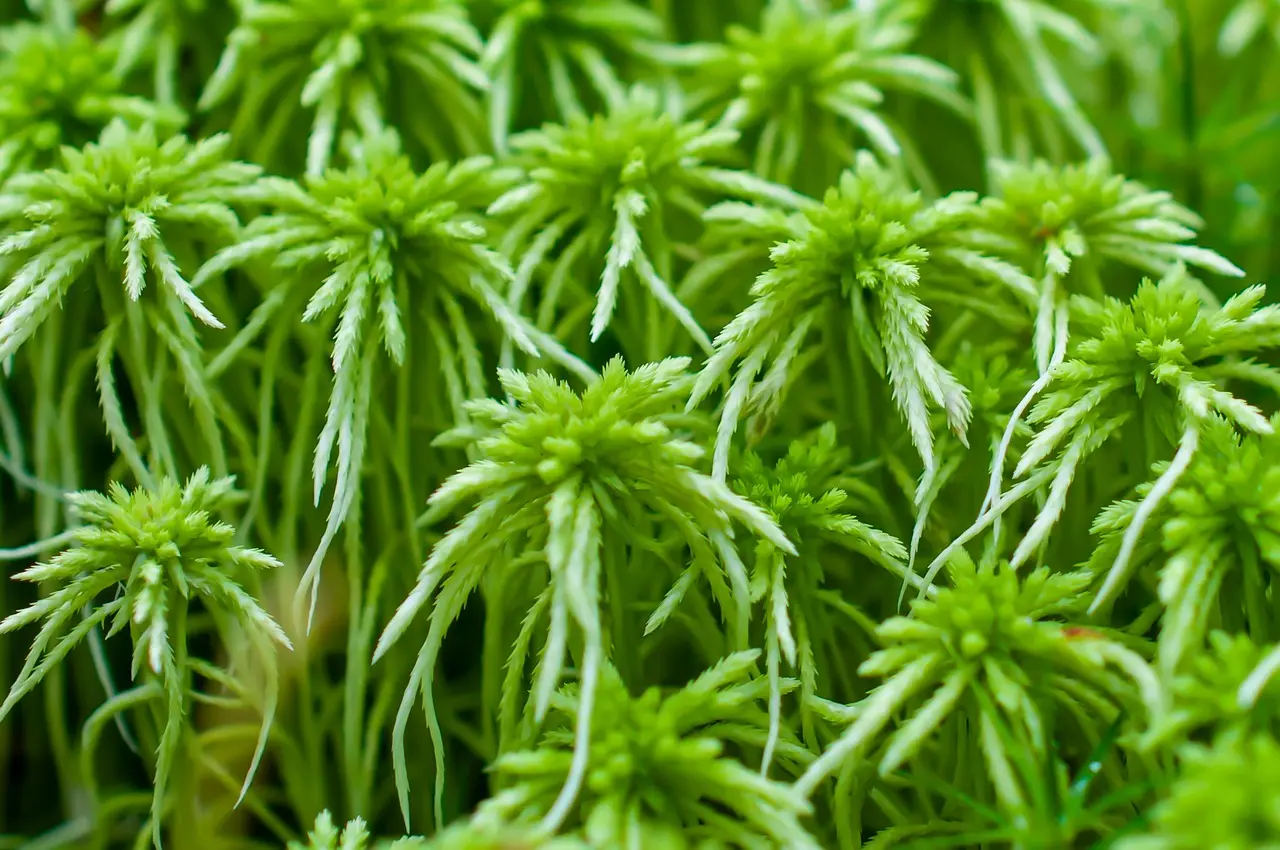
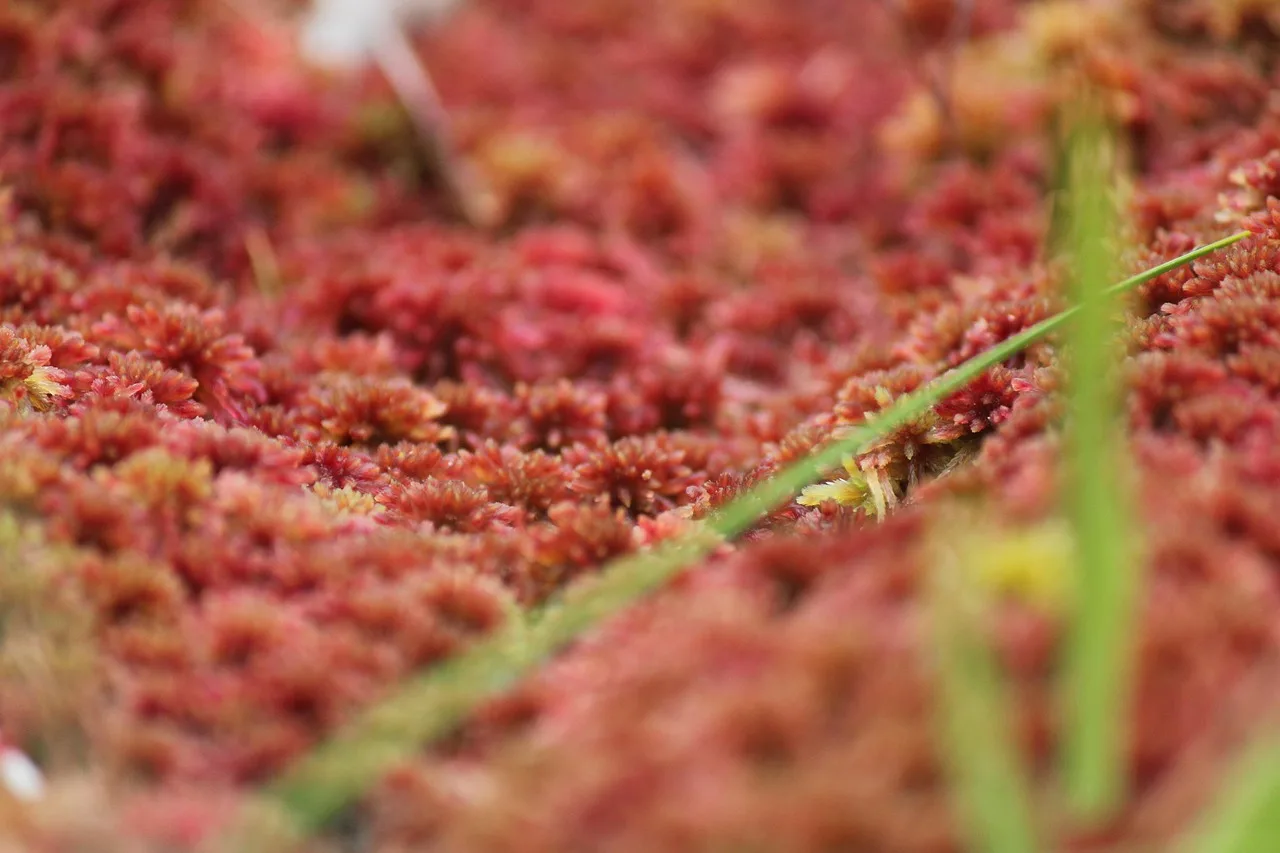
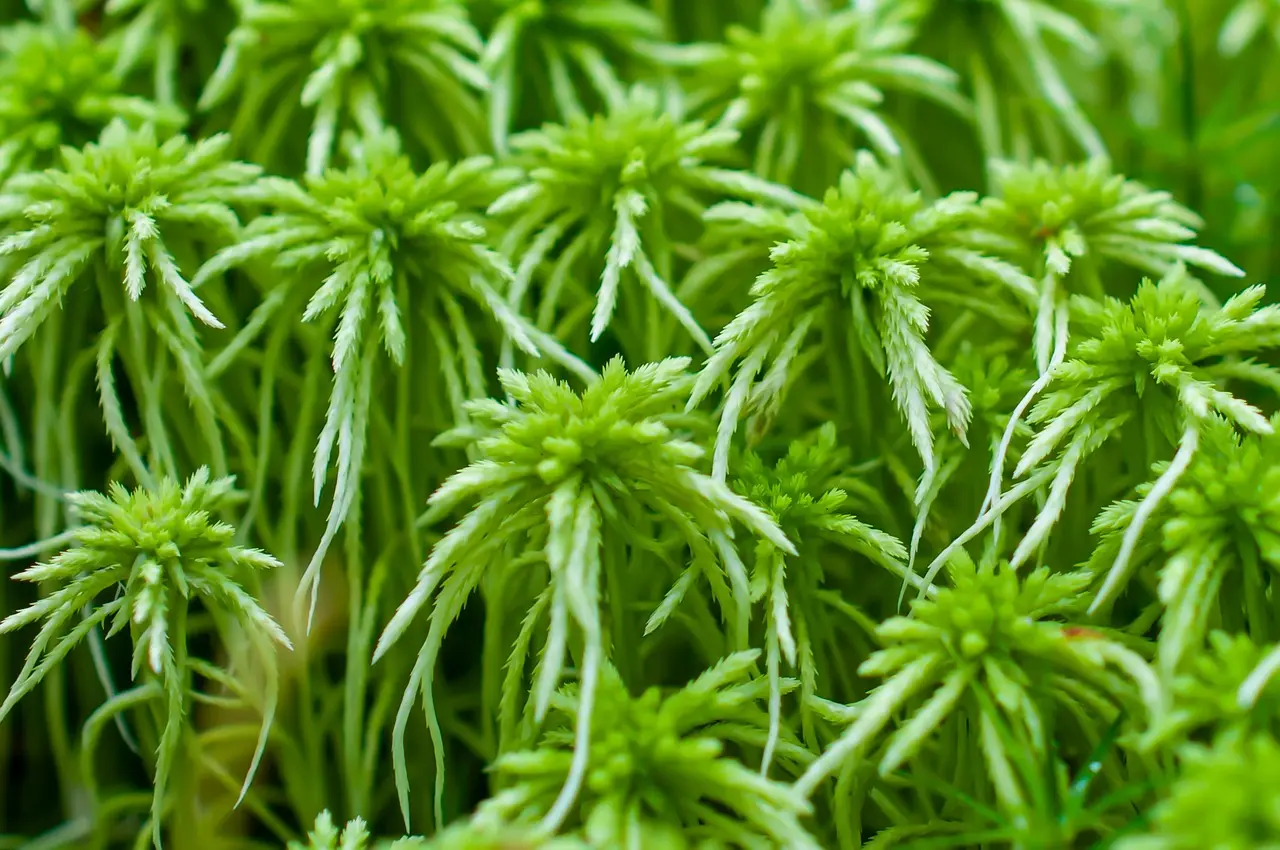
Peat moss is a horticultural material made from partially decayed plant material harvested from peat bogs. The lighter, less decomposed type is sphagnum peat moss, which is commonly used in seed-starting and potting mixes. It is more acidic than compost or many garden soils, so crop choice matters.
How peat forms in bogs
Peat forms slowly in wetland sites where oxygen is low and decay is limited. Peat bogs are slow-forming ecosystems and major carbon stores. Peatlands cover between 2 and 3% of Earth’s land surface, yet they store approximately one-third of the soil’s carbon.
That is why peat extraction carries a real environmental cost. Peat mining destroys fragile environments, and nature needs a full century to replenish 2 inches of peat. That does not make every bag unusable, but it does make “use it only where it helps” the right standard.
Why gardeners use sphagnum peat moss
Sphagnum peat moss has a fine, light texture that works well in seed-starting mix and in custom potting blends. It helps hold water without turning the whole mix heavy. It also gives young roots a looser path through the mix than dense garden soil usually provides.
That is why it appears so often in trays, starter pots, and raised-bed blends. It helps the medium stay airy while holding enough moisture for germination. It is popular for that job, but popularity is not the same thing as being the best fit for every vegetable bed.
Why gardeners add peat moss
Gardeners add peat moss for structure, moisture retention, and air space in the root zone. It is useful when a mix dries too fast or compacts too tightly. It is less useful when the bed already holds water well or when the crop wants a more neutral soil.
Water retention and aeration
Peat can hold a lot of moisture while still leaving pores for air. That balance matters for seedlings and for container-like beds that need both drainage and steady moisture. In hot weather, it can help keep the top layer from drying out as quickly.
It can also work against you. Dry peat can become water-repellent and hard to rewet. Once that happens, water may run around it instead of moving through it. Uneven watering is a common failure point in warm, fast-draining beds.
Why it appears in seed-starting and potting mixes
Seed-starting mix must hold water while staying airy. Sphagnum peat moss does that well when blended with other ingredients. It gives a lightweight base that supports fine roots, which is why it is common in trays and starter pots.
Say your tomato seeds are in shallow trays on a sunny sill. A peat-based seed-starting mix can hold moisture between waterings without turning dense, which helps germination. The same peat used as a top dressing in an already damp bed would be a different, and much less useful, choice.
Should you add peat moss to this vegetable bed?
Use peat moss only when the bed needs more water retention, more air space, or a lighter texture. It is a good fit in trays and some raised beds, but it is usually unnecessary in established in-ground beds with decent structure. The crop and the bed type should decide.
Peat moss decision table
| Bed type | Crop type | When peat helps | When to avoid it | Suggested blend range | Safer alternative |
|---|---|---|---|---|---|
| Seed-starting trays | Tomatoes, brassicas, peppers | When you need a light, even seed-starting mix that stays moist | When the mix already holds water well or dries too slowly | About 10% to 20% of the mix, usually as part of a seed-starting blend | Coir-based seed-starting mix with compost or leaf mold |
| Raised beds | Leafy greens, beans, tomatoes | When the bed dries faster than in-ground soil and needs more moisture retention | When the bed is already heavy, soggy, or nutrient-poor | Blend into the top layer or mix at low to moderate rates | Finished compost plus coconut coir or leaf mold |
| In-ground beds | Most common vegetables | When the native soil is very sandy or too fast draining | When the soil already has decent structure and moisture balance | Use sparingly, and mix thoroughly rather than layering | Compost and leaf mold for structure and feeding |
| Acid-loving crops | Blueberries, potatoes, some brassicas in specific soils | When the crop tolerates or prefers slightly acidic media | When you are growing crops that prefer neutral to slightly acidic soil | Use only as part of a tuned acidic mix, not alone | Crop-specific soil blend adjusted with composted organic matter |
| Moisture-prone soils | Root crops, onions, most greens | Only if the issue is surface crusting and not true waterlogging | When the soil stays wet for long periods or drains poorly | Usually avoid; if used, keep it minimal | Compost, coarse organic matter, and improved bed drainage |
Raised beds versus in-ground beds
Raised beds are a common place to mix peat into container-like soil. They often dry faster than in-ground beds, so peat can help hold moisture. In-ground beds usually need a different response. If the soil already has decent structure, peat is often unnecessary.
A common first-timer mistake is to add peat to a full-width in-ground row because the bed looks “dry.” Suppose a 4-by-8-foot bed already drains well after rain. Adding peat across the top without mixing it in can create uneven pockets that stay either too wet or too dry.
When peat is the wrong choice
Skip peat when the bed already holds water well, when the crop prefers a less acidic medium, or when you want a soil builder more than a texture aid. Compost and leaf mold are often reported to give better long-term results in established vegetable beds because they can improve both soil structure and overall soil quality.
Does peat moss change soil pH?
Yes. Peat moss is slightly acidic, and blond peat can have a very low pH of 3-4. That matters because some vegetables prefer neutral to slightly acidic soil, while others can struggle when the media gets too acidic. Crop choice should guide the mix.
Which vegetables care most about pH?
Vegetables that prefer neutral to slightly acidic soil can be sensitive to extra acidity, especially if the base soil is already on the low side. Root crops and many common garden vegetables often do best when the bed stays in a moderate range rather than drifting more acidic over time.
Acid-loving crops are the exception. They can accept or even prefer a more acidic mix. For those crops, peat can fit as part of the blend. For most vegetables, though, pH should stay close to what the crop wants, not what peat happens to provide.
When acidity helps and when it hurts
Acidity helps only when the crop and the rest of the mix are built for it. It hurts when it makes nutrient uptake less reliable or pushes the bed away from the crop’s preferred range. That is one reason peat should not be a default add-in for every vegetable bed.
Use peat as a blend ingredient, not a layer. For seed-starting and light mixes, keep the proportion modest and combine it with compost or another ingredient that adds nutrients and buffering. For established beds, use it only where you need its moisture and texture benefits.
Mix rates and placement
For seed-starting trays, peat is commonly part of a lightweight mix. For raised beds and in-ground beds, a common rule of thumb is to keep it in the minority share of the blend rather than making it the main ingredient. The goal is structure, not replacement.
Mix it through the root zone, not just on top. Surface peat can dry unevenly and shed water. If you are building a bed, combine it with compost, and then water the finished mix thoroughly before planting.
When to wet peat before blending
Wet peat before you blend it if it is dry and dusty. Dry peat can repel water and clump instead of mixing evenly. Pre-wetting helps the material absorb moisture before it goes into trays or beds, which improves consistency.
Use that step especially in hot weather or in fast-draining beds. The more quickly a bed dries, the more important even moisture becomes. If peat starts out dry, the first watering may not reach it evenly.
When to skip peat altogether
Skip peat when compost already gives you enough structure and moisture balance, or when you are trying to reduce environmental impact. Peat-free or low-peat mixes can do the job in many beds, especially when the goal is soil building rather than moisture control alone.
Peat-free alternatives for vegetable beds
Peat-free alternatives can cover most garden needs. Coconut coir, compost, leaf mold, and wood fibers can all help with texture and moisture management. They are often better choices when you want to avoid peat extraction impacts or when your bed needs more nutrient-rich organic matter.
Coconut coir
Coconut coir is a common peat-free substitute for helping retain moisture in seed-starting and potting mixes. It behaves much like a light growing medium and is often used where gardeners want less environmental impact than peat bog harvesting brings.
Compost and leaf mold
Compost adds nutrients as well as structure, which peat does not. Leaf mold improves soil texture and moisture holding while feeding the soil web in a way peat does not. For most established vegetable beds, that makes these two better first choices.
Wood fibers and blended mixes
Wood fibers can help build body in peat-free blends. Blended mixes are often the most practical answer because they combine moisture retention, air space, and nutrient support. For edible beds, that balance matters more than any single ingredient.
Frequently asked questions
Is peat moss good for vegetable gardens?
Yes, but only in the right role. Peat moss is good for vegetable gardens when you need more moisture retention, better aeration, or a lighter mix for trays and raised beds. It is not a fertilizer, and it is usually not the best default soil fix for established in-ground beds.
Is peat moss bad for vegetable gardens?
No, not by itself. It becomes a poor choice when you use too much, use it in the wrong bed type, or forget that it is acidic and low in nutrients. The problem is usually misuse, not the material itself.
Is sphagnum peat moss good for vegetable gardens?
Yes. Sphagnum peat moss is the lightest, least decomposed peat type and is commonly used in seed-starting and potting mixes. It works well when mixed with other ingredients. Because it is more acidic than many garden soils, crop choice still matters.
Should you put peat moss in a vegetable garden?
Only if the bed needs what peat provides. Put it in when you need moisture retention or a finer texture, especially in trays or dry raised beds. Skip it when the soil already holds water well, when the crop dislikes acidity, or when compost does the job better.
Is peat moss a good mulch for vegetable garden?
Usually no. Peat is generally better used as a mix ingredient than as a surface mulch. On top of soil, it can dry out and become hard to rewet, and it does little to feed the bed. Compost or leaf mold is usually a better mulch choice.