Is Horticultural Oil Safe for Vegetable Gardens to Use?
Yes, a horticultural oil can be safe for vegetable gardens only if the label lists edible crops and you spray under the product’s temperature, dormancy, and harvest-interval limits. Used outside those limits, it can scorch leaves, leave residues, or contaminate food crops. This guide shows how to read the label, spot unsafe weather or crop conditions, and decide when to wait or choose something else.
This guide is part of our Garden safety concerns: what is safe to use series.
What horticultural oil is and how it works

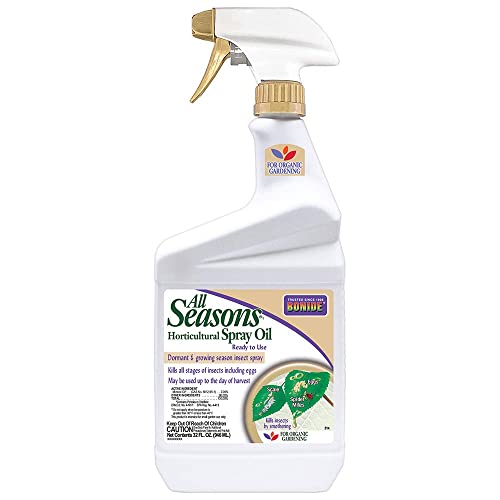

Horticultural oil is an oil-based plant spray used to control insects on crops. It kills by contact, coating pests and eggs so they can suffocate. Coverage matters. The product must also match the crop and use case on the label, because the name alone does not tell you whether it belongs on vegetables.
Mineral, neem, plant-based, and fish-based oils
Mineral oil, also called paraffinic oil, is a highly refined petroleum product that appears in many horticultural sprays. Neem oil is a plant-derived product often discussed separately because it may also contain azadirachtin, which changes how it acts. Some products are plant-based or fish-based oils. Do not treat these as interchangeable.
The label decides whether a formulation can be used on edible crops, how much water to add, how often to spray, and which temperatures are acceptable. Full label-rate dilution is not optional. Too much concentrate can burn foliage. Too little can fail to control the pest and tempt a repeat spray that exceeds the label limit.
Why contact coverage matters for pest control
Oil sprays work best on soft-bodied insects, exposed eggs, and other pests that are present when the spray lands. They do not keep working after drying the way many systemic products do. Miss the pest, miss the control. That is why thorough coverage of leaves, stems, and the underside of foliage matters so much.
Is horticultural oil safe on edible vegetables?
It can be, but only when the exact product label allows food-crop use and the crop is listed or covered by the directions. A generic “horticultural oil” label is not enough. For vegetables, safety depends on edible-crop approval, harvest interval, and any crop-specific limits on rate, timing, and number of applications.
Why the product label decides edible-crop use
The label is the legal and practical rulebook. It tells you whether the product may be used on the listed crops and whether any are excluded. It also lists the pre-harvest interval, often called PHI, meaning the waiting time between spraying and harvest.
Some products also list reentry guidance. That matters for home gardeners because it tells you when it is safe to go back into the bed after spraying. If the label does not allow the crop, or if the PHI is longer than the time left before harvest, do not spray.
When a labeled spray is a good fit
A labeled oil spray is a reasonable choice when you have a soft-bodied pest on a crop named on the label, weather is mild, the plants are not stressed, and you can keep the spray off ponds, rain barrels, and nearby water. It is also a fit when you need a lower-toxicity contact option instead of a harsher insecticide.
Say your kale has clusters of aphids on new leaves, the label lists brassicas, and evening temperatures stay below the product’s heat limit. That is the kind of situation where oil may make sense. If the same bed is heat-stressed and the label says to avoid spraying above a certain temperature, wait.
Which vegetables and growth stages are most sensitive?
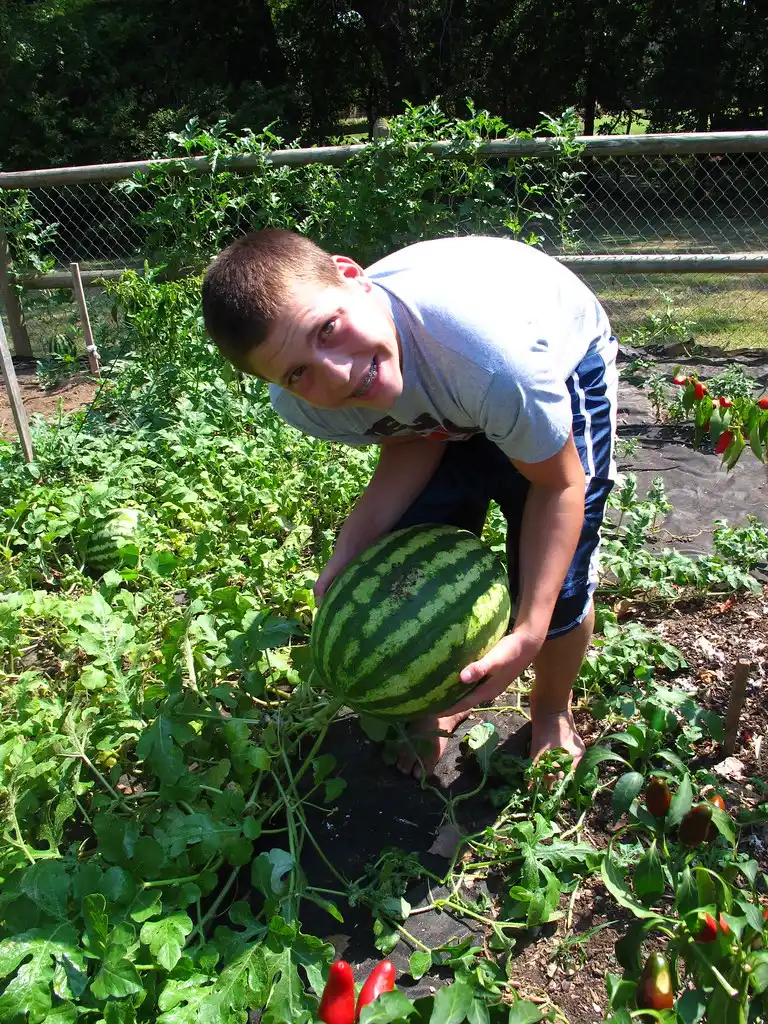
Young, tender, or stressed vegetable plants are more likely to show leaf burn from oil sprays. Leafy crops, seedlings, and plants with thin cuticles often react before mature fruiting plants do. Crop family matters less than plant condition, leaf texture, and whether the label specifically supports that crop at that stage.
Seedlings, tender new growth, and stressed plants
Seedlings have limited leaf area and less reserve to recover from spray injury. Tender new growth can spot or curl after an oil spray if the dose is too heavy or conditions are too hot. Drought-stressed plants are also risky because water-stressed tissue absorbs more injury from contact sprays.
Picture a 2-inch-tall basil transplant in a raised bed after three dry days. Even a labeled product can cause more damage there than on a mature pepper plant with firm leaves and steady moisture. If the plant is wilting, wait until it has recovered before spraying anything oil-based.
Leafy crops versus fruiting crops
Leafy crops such as lettuce, spinach, chard, kale, and herbs often need the most caution because the harvested part is the leaf itself. Fruiting crops such as tomatoes, peppers, cucumbers, and eggplants can also be sensitive, but they often tolerate oil better once they are established and actively growing.
The question is not “leafy or fruiting” by itself. The better question is whether the plant is tender, sun-stressed, or close to harvest. A mature tomato with firm foliage in cool weather may be fine under the label. A lettuce bed in full afternoon sun is a different case.
When should you spray horticultural oil on vegetables?
Spray when the label allows the crop, the pest is present and exposed, and weather conditions are gentle enough to avoid burn. Early morning or evening is usually safer than midday. Avoid hot, bright, dry conditions, and avoid spraying plants that are already under drought stress or recent transplant shock.
Temperature, sun, and drought-stress limits
Most labels give a temperature range, and many warn against spraying in direct hot sun. Some horticultural oil products can become risky in warmer weather, and the exact cutoff can vary by product. Do not guess. Use the number printed on the bottle. Sun exposure matters too, because wet oil on a leaf in bright sun can intensify scorch.
Dry soil is another warning sign. If the top layer of soil feels dry and the plant is wilting at midday, water first and wait. Oil is not a rescue treatment for stressed plants. A plant already struggling with heat or drought has less margin for a contact spray.
Timing around harvest and irrigation
Check the PHI before every spray. If the crop will be harvested before the label’s waiting period ends, choose another control or hand-remove the pest. If irrigation or rain is expected right away, that can also matter because runoff can carry the product into soil channels, rain barrels, or nearby water.
Try to spray after the day’s heat has passed and before the foliage dries completely in scorching sun. Water the bed earlier if the plant is dry. Do not spray just because pests are visible if the label, weather, or harvest timing says no.
What pests does horticultural oil control best?
Horticultural oil works best on soft-bodied insects and exposed eggs. It is a contact spray, so it performs when pests are present on the plant and covered directly. It is less useful against hard-bodied insects, hidden larvae, or pests that stay protected inside stems, fruit, or tightly rolled leaves.
Soft-bodied insects and exposed eggs
Common targets include aphids, mites, whiteflies, scale crawlers, and some egg stages. The spray must hit the pest. If insects are tucked under dense foliage or in protected folds, the result is weaker. That is why good spray angle and full leaf coverage matter more than a quick pass.
When oil is a poor choice
Oil is a weak option for chewing pests such as caterpillars that are already large and feeding openly, and it is not the right tool for soil-dwelling insects. It is also a poor fit when the label does not list the crop, when the plant is heat-stressed, or when harvest is too near for the PHI.
How do you avoid plant damage when using horticultural oil?
You avoid damage by following the label exactly, spraying under mild conditions, and stopping if the crop is not on the approved list. Use the stated dilution, cover the target surfaces without soaking the plant, and do not exceed the application frequency. Most burn problems come from heat, stress, or overapplication.
Mixing, coverage, and reapplication limits
Mix with water at the label rate. Shake or agitate the sprayer if the label requires it, because oil and water can separate. Spray enough to coat the pest habitat, but do not drench the foliage to the point of heavy runoff. Repeat sprays only at the interval listed on the product.
- Confirm the vegetable crop is listed on the label.
- Check the PHI and any reentry guidance.
- Inspect the plant for drought stress, tender new growth, or heat stress.
- Spray in cool, calm conditions, usually morning or evening.
- Apply a full, even coat to the pest-exposed surfaces.
- Wait the labeled interval before any repeat spray.
Common failure cases: heat, full sun, and water stress
A common first-timer mistake is spraying a bed at noon because the pests are visible and the bottle says “organic.” If the leaves are hot to the touch, the oil can burn. Another failure case is spraying right after several dry days, when the plant cannot buffer the extra stress. Full sun and low moisture make injury more likely.
Safety beyond the plant: bees, beneficial insects, fish, and runoff
Oil sprays can affect beneficial insects by direct contact, especially if you spray over them or onto flowers where they are foraging. They are also at least slightly toxic to fish and aquatic life. Keep drift, runoff, and overspray away from ponds, streams, rain barrels, and irrigation water that might carry residue elsewhere.
Reducing drift near ponds and rain barrels
Use a low-pressure spray and aim only at the plant. Stop if wind picks up. Remove or cover rain barrels, or keep the spray zone well away from them. If a vegetable bed sits near a pond or storm drain, choose a calmer day and keep a wider buffer than you would for a bed in the middle of a yard.
Timing sprays to limit non-target exposure
Evening sprays can reduce bee exposure because many pollinators are less active then. That does not make the product harmless to bees; it just lowers direct contact risk. Avoid spraying open flowers whenever possible, and do not apply when bees are actively working the crop.
Vegetable garden decision table: spray, wait, or choose another control
Use the table below as a quick safety check. It separates crop type, growth stage, weather, pest type, and label limits so you can decide whether to spray now, wait for better conditions, or choose a different control.
| Crop type | Growth stage | Temperature / sun | Pest type | Label restrictions | Action |
|---|---|---|---|---|---|
| Tomato, pepper, cucumber, eggplant | Established, firm foliage | 65–80°F, light sun or evening | Aphids, whiteflies, mites, exposed eggs | Crop listed; PHI fits harvest plan | Spray |
| Kale, lettuce, spinach, herbs | Young leaves or tender regrowth | Above label heat limit or strong sun | Soft-bodied pests | Crop not listed, or leaf crop has tighter limits | Wait or choose another control |
| Any vegetable | Wilted, drought-stressed, or newly transplanted | Hot, dry, full sun | Any pest | Even if listed, label warns against stress conditions | Wait |
| Any vegetable near harvest | Fruit or leaves nearly ready to pick | Mild weather | Small aphid or mite outbreak | PHI longer than days left to harvest | Choose another control |
| Brassicas, beans, leafy greens | Active growth, not stressed | Below heat limit, low wind | Visible aphids or eggs | Listed on label; reentry guidance manageable | Spray |
| Any vegetable bed near pond, rain barrel, or drain | Any | Windy or rain expected | Any | Label allows crop, but drift/runoff risk is high | Wait or use a targeted non-spray control |
If the label is unclear, choose the safer option: wait, hand-remove pests, or use a control the crop and conditions support. For many home beds, that is the better call than forcing an oil spray into hot weather or near harvest.
Frequently asked questions
Is horticultural oil safe to use on vegetable gardens?
It can be safe on vegetable gardens when the specific product label allows edible crops and the spray is applied within the listed temperature, PHI, and crop-use limits. The generic term alone is not enough. If the label does not name the crop or the weather is too hot, do not spray.
Can I spray horticultural oil on edible plants?
Yes, but only if the product label permits edible-plant use and gives directions for that crop. You still need to watch the PHI, reentry guidance, and any crop-specific restrictions. Leafy vegetables and tender herbs may need extra caution because their foliage is easier to damage.
Will horticultural oil burn my vegetable leaves?
It can. Burn risk rises in hot weather, full sun, drought stress, and on tender new growth. Seedlings, freshly transplanted vegetables, and thin-leaved crops are more prone to injury. A labeled product used in cool, calm conditions is much less likely to cause damage than the same spray at midday.
Is horticultural oil safe before harvest?
Only if the PHI on the label gives enough time before you pick the crop. Some products allow short intervals; others do not. If the harvest date is close, or if the label is vague for that crop, choose another control or wait until after harvest.
Does horticultural oil kill beneficial insects or bees?
It can harm beneficial insects and bees by direct contact, especially if you spray over them or onto flowers. Evening spraying, avoiding blooms, and targeting only infested foliage can reduce exposure. It is not harmless to non-target insects, so timing matters as much as the product choice.
What’s the difference between horticultural oil and neem oil?
Neem oil is one type of oil product often discussed alongside horticultural oils, but it is not always the same thing. Neem may contain azadirachtin, which adds insect growth-regulating activity. Mineral or paraffinic oils work mainly by smothering. Each product can have different label rules, so read the exact label, not the category name.
Is horticultural oil safe for organic gardening?
Some horticultural oils can fit organic gardening, but only if the exact product is approved for that use and the crop is listed on the label. Organic status does not override heat limits, PHI, or plant sensitivity. A labeled organic oil can still burn leaves if applied in the wrong conditions.