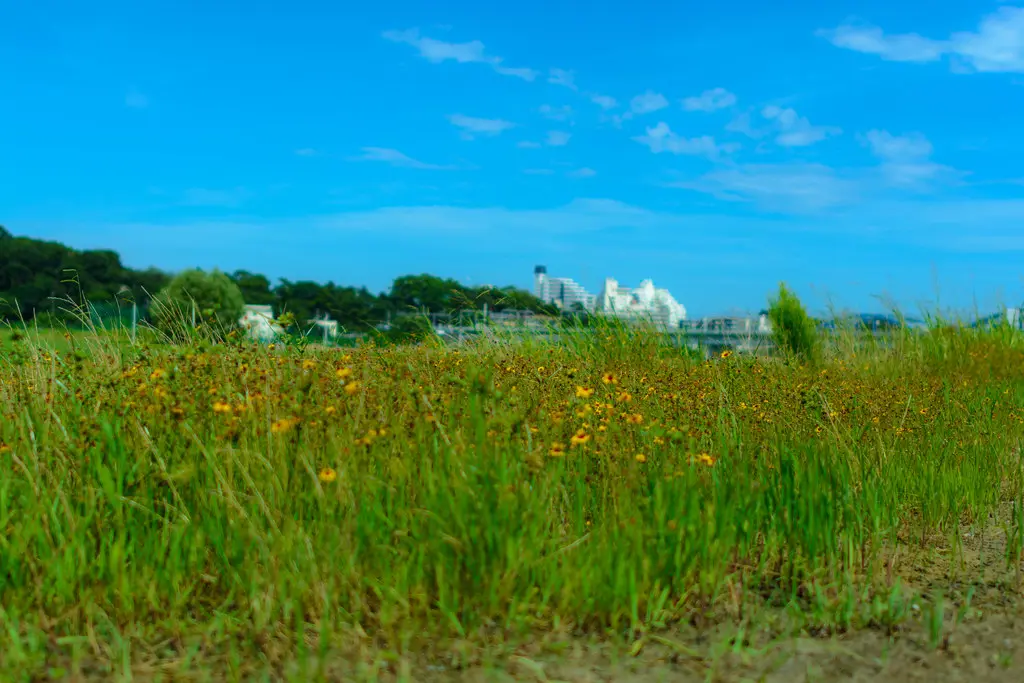
Best Native Grasses for Botanical Garden Landscapes
For botanical garden landscapes, choose several native grasses and sedges by display role: low foreground clumps, mid-height structure, taller anchors, and easy-to-label edgers, matched to sun and moisture conditions. If you ignore height, spread, and siting, beds blur, paths disappear, and aggressive species crowd out smaller plantings. This guide shortlists the best native grasses for each role and notes height, spread, visibility, moisture, and light.
What makes a native grass work in a botanical garden?
In public collections, a native grass earns its place by doing a job that visitors can read at a glance: framing a path, backing a label, separating groups, or carrying a seasonal sequence. The best picks stay legible, fit the bed scale, and fit sun and moisture without constant correction.
Display role comes before species name
Think in layers. Foreground grasses and sedges should stay low and fine-textured. Mid-height plants can fill gaps and soften hard edges. Tall species belong at the rear, where they can move without blocking labels, signage, or smaller collections.
Why public beds need visibility, containment, and clean seasonal change
Botanical gardens need more than visual appeal. Visitors need to see labels. Staff need to reach plants for maintenance. Beds should read cleanly through the season, then stay tidy enough in winter that the design still makes sense.
A common first-timer mistake is placing a tall, spreading grass in front of a label rail. Within one season, the bed starts to look crowded, and the interpretation is harder to read from the path.
When to choose sedges instead of true grasses
Sedges are not grasses, and that distinction matters in collections and interpretation. Use sedges where you need shade tolerance, low mats, or finer groundcover texture. Use true grasses when you need broader blades, taller structure, or meadow-style presence.
Best native grasses for botanical garden landscapes by display role
The strongest botanical-garden plantings use grasses and sedges for specific visual jobs. Low species keep borders and paths clear. Mid-height species bridge layers. Tall species anchor the back of a bed or create a focal mass that holds attention without a trellis or shrub framework.
Low groundcovers for borders and pathways
Pennsylvania sedge, field sedge, sand dune sedge, and blue grama work best where the bed edge must stay readable. These plants keep the visitor’s eye close to the ground and keep a collection from feeling overbuilt.
Mid-height species for layered beds
Dropseed and Arizona fescue are useful when you need a visible layer that does not dominate neighboring perennials. They can carry texture through the season while leaving room for labels and smaller plants in front.
Tall species for anchors and back-of-bed structure
Big bluestem, ‘Blackhawks’ big bluestem, and big sacaton belong where height is the point. These plants work as living backdrops, visual anchors, or seasonal sentinels at the rear of a meadow bed.
Which native grasses work best in full sun for a garden display?
For full sun, choose species that keep their form without flopping into pathways or obscuring labels. Dropseed, Arizona fescue, blue grama, big bluestem, ‘Blackhawks’ big bluestem, and big sacaton all suit open displays, but they differ sharply in height, texture, and room needed.
Dropseed for fine texture in open beds
Dropseed is a strong choice for low-maintenance borders and open sun where a soft, textured carpet reads well from a distance. Its value in a botanical garden is clarity: it fills space without forcing the bed to feel dense or coarse.
Arizona fescue for blue-green foliage and dry sites
Arizona fescue grows 1 to 3 feet tall and grows in full sun to partial shade. That puts it in a useful middle tier for dry, open plantings where the foliage color needs to be visible from the path but not overpower nearby labels.
Blue grama and big bluestem for meadow-style displays
Blue grama grows 0.75 to 2 feet tall and is adapted to full sun and zones 3-10. It fits small meadow edges, foreground sweeps, and drought-minded displays that still need a tidy outline. Big bluestem grows 4 to 6 feet tall and suits full sun and zones 4-9, so it belongs farther back.
Big bluestem also brings late fall red or purplish seed heads, and the species can spread by rhizomes and by self-seeding. That makes it valuable for a large-scale prairie display, but it needs space or containment in mixed beds.
Which native grasses are best for shade or woodland-style beds?
Shade beds need plants that keep a coherent shape under trees, along north-facing walls, or in filtered light. Pennsylvania sedge is the clearest fit for dry shade, while field sedge and sand dune sedge add evergreen cover and spring flowers where a tighter, lower texture is preferred.
Pennsylvania sedge for dry shade and mowing tolerance
Pennsylvania sedge grows to about 12 in (30 cm) and is hardy in USDA zones 3-8. It does best in shade and tolerates average to dry soils. After establishment, it can be mowed once or twice a year, which makes it useful where a woodland edge needs a maintained look.
It is also a low-water choice that does not need fertilizer or pesticides once established. That matters in public beds where repeated inputs can complicate maintenance or interpretation.
Field sedge for textured evergreen cover
Field sedge is an evergreen native with spring flowers and is hardy in zones 6-10. In Californian designs, it often functions as a textured ground cover that can soften a pathway edge or fill under open-canopy trees without reading as turf.
Sand dune sedge for shorter evergreen edging
Sand dune sedge is a shorter sedge form with spring flowers and evergreen foliage in zones 6-10. Use it where the design needs a neat, low line at the front of a bed or where the planting should stay visually quiet behind more expressive specimens.
How do height, spread, and season shape placement?
Height determines sightlines. Spread determines whether a plant stays where it was intended. Seasonal behavior determines whether the bed still reads well after bloom and into winter. In a botanical garden, those three traits matter as much as flower or foliage color.
Using mature height to protect sightlines and labels
Keep the lowest plants near the path and place taller species behind them. Blue grama and Pennsylvania sedge protect labels well. Big bluestem and big sacaton do not. That is not a flaw; it is a placement rule.
Reading rhizomes, self-seeding, and clumping habits
Big bluestem has rhizomatous spread and self-seeding, so it can widen faster than a tight mixed border can absorb. Blue grama is much easier to keep in place. Sedges usually read more like ground layers, but even low plants can fill in strongly if the bed is too small.
Evergreen versus seasonal foliage in public displays
Field sedge and sand dune sedge keep cover through the year in suitable climates. Pennsylvania sedge often functions as a low, steady matrix in shade. By contrast, big bluestem and blue grama can be seasonal showpieces, with their strongest display tied to seedheads and late-season structure.
Suppose a 12-foot-wide island bed sits beside a main path. A tall bluestem at the front would hide a label rail by midsummer. Move it to the rear, put blue grama in the foreground, and the whole planting reads clearly from the path.
Botanical-garden planting matrix: 12 native grasses and sedges
This matrix ranks species by display role, mature height, sun tolerance, moisture tolerance, spread risk, and visitor visibility. Use it to match plants to the job they need to do in a public bed, not just to their botanical name.
How to read the matrix
“Spread risk” here means the likelihood that a plant will widen enough to press into neighbors or path edges without regular editing. “Visitor visibility” reflects whether the plant stays readable from a path and keeps labels open to view.
| Plant | Display role | Mature height | Sun tolerance | Moisture tolerance | Spread risk | Visitor visibility |
|---|---|---|---|---|---|---|
| Pennsylvania sedge | Foreground, woodland groundcover | About 12 in (30 cm) | Shade | Average to dry soils | Low | High at the front |
| Field sedge | Textured evergreen groundcover | Low | Sun to part shade | Moderate | Low to moderate | High in border bands |
| Sand dune sedge | Short edging, textured cover | Low | Sun to part shade | Moderate to dry | Low to moderate | High in front of beds |
| Blue grama | Low mound, foreground texture | 0.75 to 2 feet | Full sun | Dry | Low | High |
| Dropseed | Fine-textured carpet, mid-border | Low to mid-height | Full sun | Dry to moderate | Low to moderate | High |
| Arizona fescue | Mid-height structure | 1 to 3 feet | Full sun to partial shade | Dry to moderate | Low | High |
| Big bluestem | Tall anchor | 4 to 6 feet | Full sun | Moderate | High | Low at the front, high at the rear |
| Big bluestem ‘Blackhawks’ | Tall anchor, color accent | 4 to 6 feet | Full sun | Moderate | High | Low at the front, high at the rear |
| Big sacaton | Large-format back-of-bed structure | 5 to 7 feet | Full sun | Dry soils | Moderate | Low at the front, high at the rear |
| Pale or fine sedge type for low utility plantings | Use only if locally native and documented | Varies | Varies | Varies | Varies | Varies |
| Local tall native grass option 1 | Rear structure | Varies | Full sun | Varies | Varies | Rear only |
| Local tall native grass option 2 | Rear structure | Varies | Full sun | Varies | Varies | Rear only |
Where each plant fits best in a collection bed
The first nine entries are the core of the display matrix. The last three rows are placeholders for locally native species with verified regional performance. In a real collection plan, those rows should be replaced with site-specific taxa that fit the same role.
Which native grasses need the most room or containment?
Big bluestem, ‘Blackhawks’ big bluestem, and big sacaton need the most thought about spacing. These are not small-border plants. They work best where their height, movement, and seasonal seedheads can read as structure instead of congestion.
Big bluestem and ‘Blackhawks’ as large-format accents
Big bluestem reaches 4 to 6 feet tall and suits full sun and zones 4-9. ‘Blackhawks’ big bluestem also reaches roughly 4 to 6 feet tall, grows well in full sun and a wide range of cold-climate zones, and can take on purple foliage by fall with purplish-red seedheads. Both need room or a back-row position.
Big sacaton for warm-climate, dry-soil displays
Big sacaton grows to a medium-tall height, is adapted to dry soils, drought, and full-sun environments, and can be evergreen or semi-evergreen in warmer climates. That makes it useful for large, open beds where winter presence matters, but it can overwhelm tight mixed plantings.
Managing spread without losing a natural look
Use containment through siting rather than shearing. Keep rhizomatous or self-seeding species where their edges can breathe. In narrow beds, choose clump-forming or low-spreading alternatives such as blue grama or Pennsylvania sedge.
Frequently asked questions
What are the best native grasses for botanical garden landscapes?
The best choices fit the display role first, then the site. Pennsylvania sedge, blue grama, dropseed, Arizona fescue, big bluestem, and big sacaton cover low edging, mid-height texture, and tall structure. Sedges are especially useful where shade or a restrained ground layer is needed.
Which native grasses work best in full sun for a garden display?
For full sun, start with dropseed, Arizona fescue, blue grama, big bluestem, ‘Blackhawks’ big bluestem, and big sacaton. They cover a useful range of heights, from low mounds to tall anchors, so you can build a layered sun bed without mixing plants that fight for the same visual space.
What native grasses are good for shade or woodland-style botanical beds?
Pennsylvania sedge is the clearest shade choice because it does best in shade and handles average to dry soils. Field sedge and sand dune sedge also fit shaded or partly shaded planting edges where evergreen cover and a finer texture are more useful than tall seedheads.
Which native grasses stay low enough for borders and visitor sightlines?
Pennsylvania sedge, blue grama, field sedge, sand dune sedge, and dropseed are the safest bets for front-of-bed use. They stay low enough to keep labels readable and paths visually open, which matters in collections where visitors need to see both the plant and the interpretation.
What native grasses are drought-tolerant once established?
Pennsylvania sedge, Arizona fescue, blue grama, and big sacaton are all useful where water is limited after establishment. The fit still depends on soil and light. Dry-shade species should stay in shade, and full-sun species should not be pushed into wet or heavily shaded sites.
Are native grasses evergreen or seasonal in botanical garden plantings?
Both patterns matter. Field sedge and sand dune sedge are evergreen natives with spring flowers, while big sacaton can be evergreen or semi-evergreen in warm climates. Big bluestem, by contrast, is more seasonal in effect, with late fall seedheads doing much of the visual work.