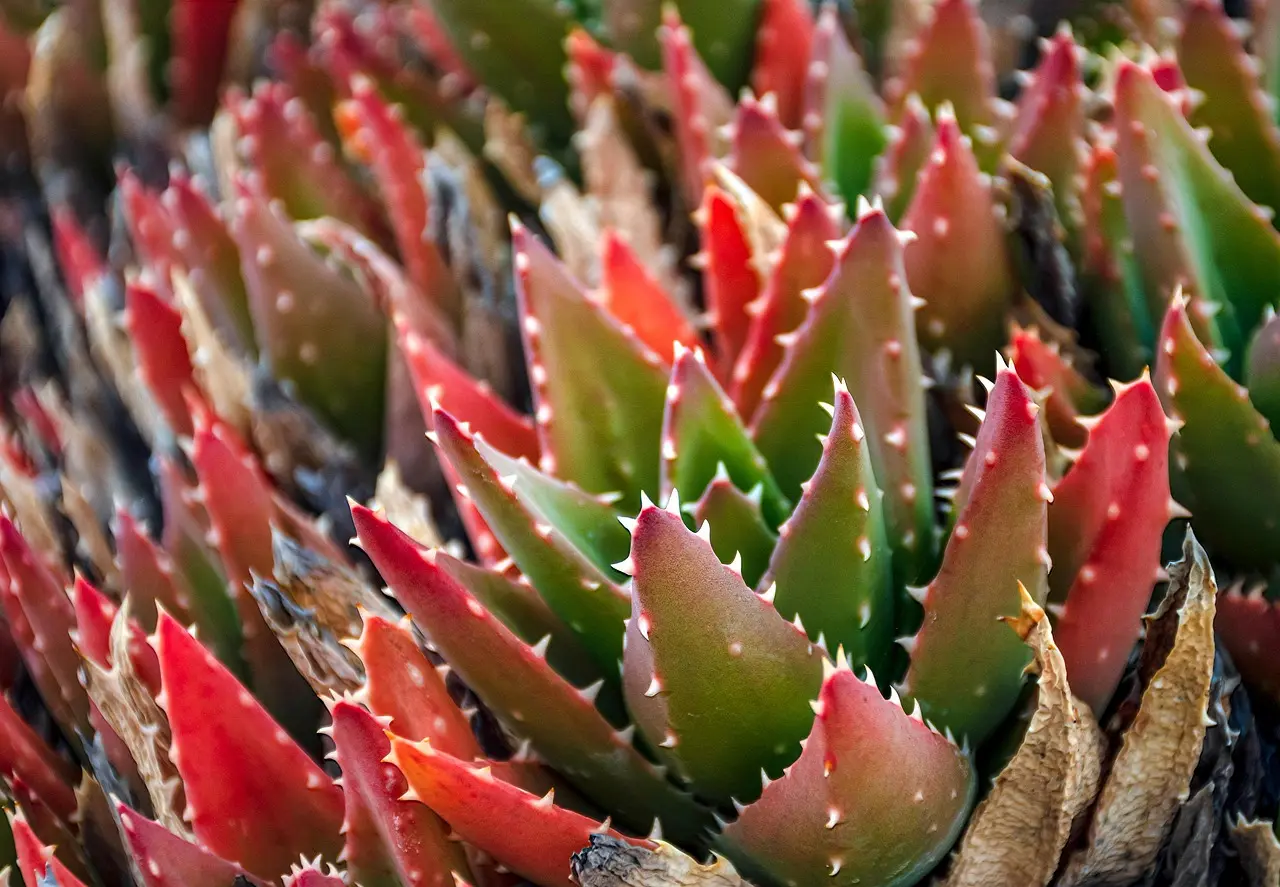
How Succulents Differ From Other Plants
Succulents store water in thick leaves, stems, or roots, and they use CAM photosynthesis to cut daytime water loss; cacti are succulents, but not all succulents are cacti. That difference explains why overwatering is such a common mistake: the plant may look fine until the roots stay wet too long and start to fail. This guide compares leaves, stems, roots, and photosynthesis, then turns the biology into simple care choices.
What makes a succulent different?
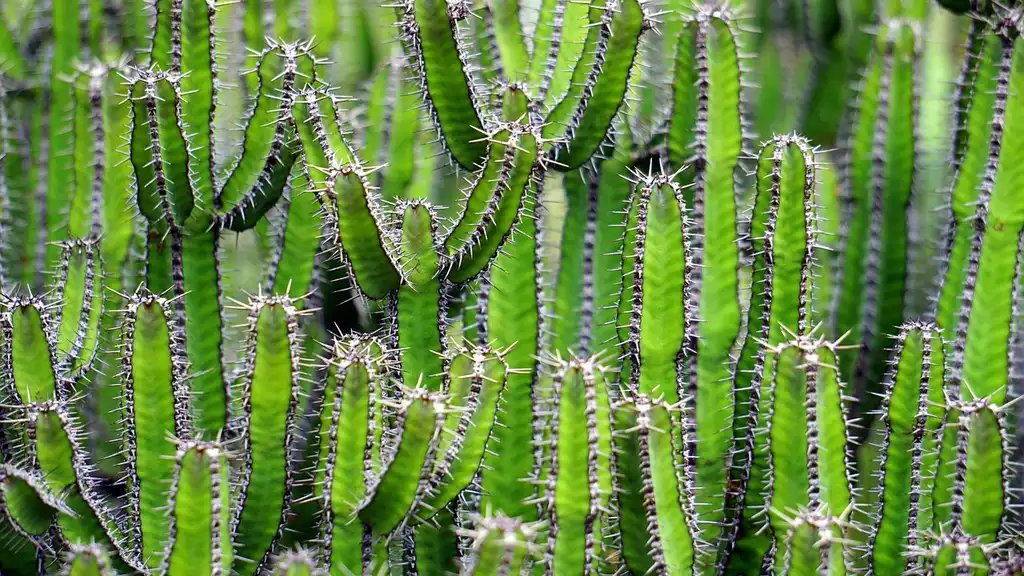
Succulents are plants with tissues that are thicker and fleshier than those of most other houseplants. That extra tissue is living storage. It holds water through dry spells, which is why many succulents can stay dry longer between waterings than leafy houseplants.
The storage tissue can sit in leaves, stems, or roots. Some succulents have plump leaves that act like tanks. Others depend on thick stems. A smaller group stores more of that reserve below the surface in fleshy roots.
Why are succulents called succulents?
They are called succulents because their tissues are succulent, meaning juicy, thick, and water-holding rather than thin and dry. The name points to the plant body itself: leaves, stems, or roots with extra storage that helps the plant survive dry periods and rebound after rain.
Leaf, stem, and root differences
Typical leafy plants usually spread water and sugar work across thinner leaves, stems, and deeper root systems. They are built to take up water more steadily from the soil. Succulents are built to keep water inside the plant body itself, then spend it slowly.
That difference changes how they grow. Succulents often grow slowly and evenly compared with leafy houseplants. Their leaves are commonly thick, and many have a waxy skin that cuts moisture loss. That thicker body also changes the way they fail: they can stay firm for a while, then decline fast after roots stay wet too long.
Why thick leaves and slow growth matter
Thick leaves and slow growth are linked. A plant that stores water in its tissues does not need to push rapid leaf turnover or constant soil moisture. It can wait out short dry periods, but it also reacts badly when soil stays wet and air cannot move through the mix.
Think of the plant body as a reserve bank. The thicker the storage tissue, the more the plant depends on drying and recharging cycles instead of steady dampness.
Are succulents and cacti the same?
No. All cacti are succulents, but not all succulents are cacti. Cacti are a subset with one defining trait that ordinary succulents do not have: areoles. If a plant does not have areoles, it is generally not considered a cactus.
Areoles are small, round, cushion-like mounds of flesh. They are the points where cactus spines, hair, leaves in some species, and flowers develop. That is why a cactus can look very different from a rosette-shaped succulent and still belong in the cactus group.
What areoles tell you
Areoles are not the same as a smooth stem bump or a leaf node on another succulent. They are a cactus feature. If you see a plant with spines or woolly tufts and the growth points sit on distinct little cushions, you are looking at a cactus, not just another fleshy plant.
Some cacti keep leaves early in life or under special conditions, but the areole is still the classification clue. That single trait matters more than whether the plant has spines, hair, or a round body.
Spines, hair, leaves, and flowers
Cactus spines come from areoles, and so do the flowers. Other succulents may have spines, prickles, or leaf edges that look armed, but those features do not count as areoles. That is the clean line between cactus and non-cactus succulent.
How do succulents use less water?
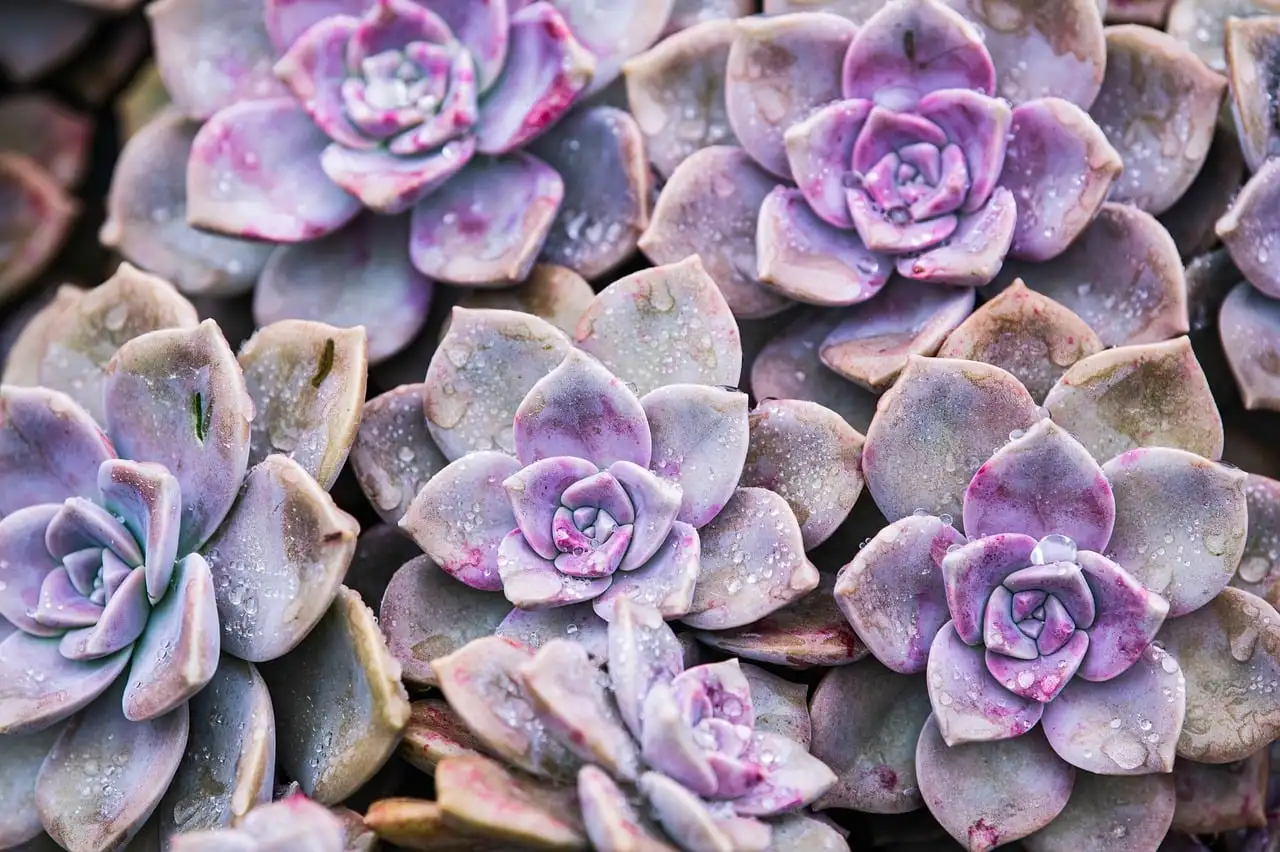
Succulents use CAM photosynthesis, which means they open their pores at night to conserve water. That timing reduces daytime water loss because cooler nighttime air limits evaporation. It is one of the main dry-climate adaptations that separates succulents from many other garden plants.
A waxy cuticle, and in some species a powdery farina, also helps reduce moisture loss. The coating is often chalky or dusty-looking. It is not dirt. For many succulents, it is a visible clue that the plant is built to limit evaporation.
Roots that grab brief rain
Succulents often have shallow roots that quickly absorb water from light rain. That matches their habitat strategy. Instead of waiting for deep, steady wetting, they are set up to catch short rainfall events and use that water fast.
Many non-succulents rely on deeper or broader roots that search a larger soil volume. That is one reason a succulent and a moisture-loving fern do not want the same potting mix or the same watering rhythm.
| Plant type | Water-storage location | Stomata timing | Root depth | Watering frequency signal | Soil drainage need | Common failure mode |
|---|---|---|---|---|---|---|
| Succulents | Leaves, stems, or roots | Mostly at night under CAM photosynthesis | Often shallow and fast absorbing | Leaves soften, wrinkle, or lose firmness before a drink | Very high; mix should dry quickly | Root rot from frequent wet soil |
| Typical leafy plants | Usually not stored in fleshy tissues | Commonly open in daylight | Often deeper or broader | Soil dryness alone may not reflect plant need the same way | Moderate to variable, depending on species | Wilt from underwatering or stress from prolonged dryness |
How this changes care
- Use a fast-draining mix so water moves through quickly.
- Water only after the plant and potting mix have dried down.
- Give bright light and airflow so soil does not stay damp.
- Watch the plant body, not just the calendar, for thirst signals.
How should you read succulent growth habits?
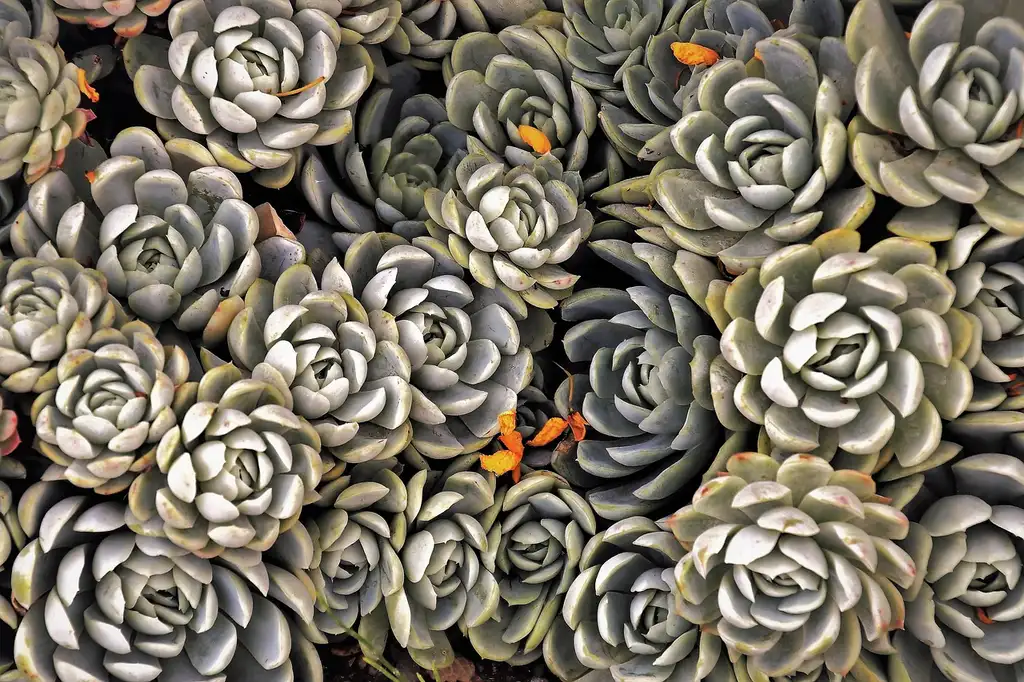
Succulents come in several forms, including rosette, trailing, upright, and clumping. Those shapes matter because they change light exposure, airflow, and whether the plant stays compact or stretches toward brighter conditions. Growth habit also helps with identification.
A rosette stays low and circular. A trailing type spills over a pot edge. Upright forms build vertical stems. Clumping types make many heads or offsets from the base. These are not just style differences. They are clues to how the plant handles water and light.
When tall growth is normal
Some succulents are meant to grow tall. Upright aloe species, for example, do not stay in a low rosette forever. Other plants grow taller as they mature or branch into a shrubby shape. Species matters.
Stretching is different. When a rosette becomes long and sparse, with wide gaps between leaves and a leaning stem, that often means too little light. That is etiolation, not normal growth. The plant is reaching for a brighter source, and the lower leaves may weaken over time.
Say your echeveria sits on a north window ledge and slowly turns into a skinny stem with widely spaced leaves. That is a light problem, not a watering signal. Move it to brighter light in stages, because a sudden jump from dim shade to harsh sun can scorch leaves that were grown indoors.
A common first-timer mistake is treating a plump, upright aloe like a flat rosette succulent. The aloe may look firm, but if it stays in dense soil and gets watered on a fixed schedule, the roots can stay wet too long and fail before the leaves show obvious damage.
Succulent anatomy comparison table
The same care rule does not fit every succulent. Genus and species matter, and the difference often starts with where the plant stores water and how fast its roots dry. Use this table as a first-pass clue, then adjust for the exact plant and pot setup.
| Genus | Most recognizable difference from ordinary leafy plants |
|---|---|
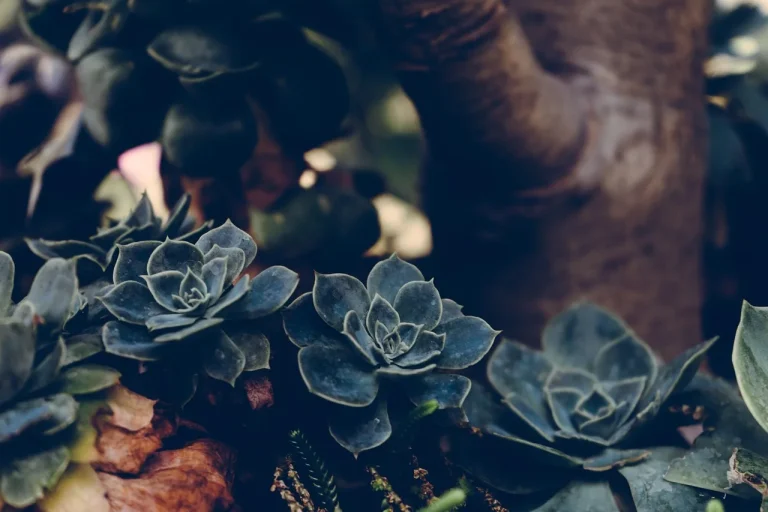
| Echeveria | Flat, symmetrical rosettes with thick leaves that hold water in the leaf body |
| Sedum | Small, fleshy leaves on trailing or upright stems, often built for quick drying |
| Crassula | Thick paired leaves or stacked stems that store water in fleshy tissue |
| Sempervivum | Cold-hardy rosettes that form tight clumps and offsets instead of broad leafy growth |
| Aloe | Spiky, upright leaves with gel-like tissue and a rosette or stemmed habit |
| Haworthia | Small, compact rosettes with thick leaves that often stay low and clustered |
| Mammillaria | Cactus bodies made of small tubercles with areoles that carry spines and flowers |
| Kalanchoe | Fleshy leaves or stems that store water and often grow as upright, flowering houseplants |
What the table means in practice
If the plant stores water in leaves, the leaves often stay firm longer than ordinary foliage after watering stops. If water is stored in stems, the stem itself may be the main sign of hydration. If roots are shallow, the pot mix should dry quickly after a drink, because the plant is built to grab short bursts of moisture.
Watering frequency signals matter more than the calendar. A succulent that still feels firm may not need water yet. A plant that is soft, wrinkled, or losing turgor may be ready. Soil that stays damp for days is a warning sign, not a benefit.
Should you plant other plants with succulents?
Only if the other plants want the same drying pattern. Succulents pair best with plants that like strong drainage, bright light, and brief watering cycles. Moisture-loving companions usually create the wrong soil balance and raise the risk of rot.
Mixed planting works when the whole container can dry at a similar rate. If one plant wants evenly moist soil and another wants dry intervals, they belong in separate pots.
Simple mixed-planting rule
- Match water needs first. Put succulents with plants that prefer dry-down between waterings, not with ferns, peace lilies, or other moisture-demanding plants.
- Match drainage second. Use a gritty, fast-draining mix for the whole container so the roots do not sit in wet pockets after watering.
- Match light last. Place only sun-tolerant species together if the pot will sit in bright light, because shade-tolerant plants can stretch while sun-lovers rot in damp shade.
What succulents to plant together depends on growth speed, light need, and how much water each genus tolerates. Echeveria and many sedums can share a bright, dry setup. Sempervivum is often better grouped with other cool, airy growers. Aloe and Haworthia may want different light levels even though both are succulents.
Frequently asked questions
Are cactus and succulents the same?
No. Cacti are succulents, but succulents include many plants that are not cacti. The key cactus trait is the areole, a small cushion-like growth point where spines, hair, leaves in some species, and flowers form. If there are no areoles, it is not a cactus.
Is a succulent a plant?
Yes. Succulents are plants with thickened, fleshy tissues that store water. They are not a separate category from plants. The difference is in anatomy and water use, especially the way they hold moisture in leaves, stems, or roots and conserve it through CAM photosynthesis.
Do succulents have leaves?
Many do, but not all in the same way. Some succulents have thick, obvious leaves that store water. Others keep most of their storage in stems, and some cacti reduce ordinary leaves to spines or lose them early. Leaf shape and thickness vary by genus.
Do succulents flower?
Yes, many succulents flower. Some bloom readily when they are mature and well lit, while others flower more rarely or under particular seasonal cues. Flower stalks can help with identification, but bloom timing varies enough that flowers are useful evidence, not the only clue.
Are succulents considered flowers?
No. Succulents are plants, not flowers. They may produce flowers, sometimes showy ones, but the succulent itself is the whole plant. The flower is just the reproductive part that appears on some species after the plant reaches the right stage and conditions.
Do all succulents flower?
Most flowering plants in the succulent group can bloom, but not every plant flowers on a predictable schedule. Some need maturity, others need strong light or a seasonal trigger, and some are grown mostly for foliage. Lack of flowers does not mean the plant is unhealthy.
Do succulents grow bigger?
Yes, but size depends on the genus and the conditions. Some succulents stay compact and clump from the base, while others become much larger or taller with age. Slow growth is common, so size changes can be gradual and easy to miss until the plant fills its container.
Do succulents have seeds?
Yes. Like other flowering plants, many succulents can produce seeds after flowering and pollination. Seed set varies by species and growing conditions. In home collections, offsets and cuttings are often more common than seed because they are easier to manage and usually faster to establish.
What does farina do on a succulent?
Farina is the powdery coating on some succulents that helps reduce moisture loss and can reflect intense light. It also marks the plant as delicate to touch, because rubbing it off can leave the surface less protected. The coating is natural and should not be scrubbed away.
What does a succulent’s shallow root system mean for care?
Shallow roots mean the plant is designed to catch water quickly after brief rain or a careful watering. That makes a gritty, fast-drying potting setup important. If the mix stays wet too long, the roots cannot benefit from the water-storage strategy the plant evolved to use.