Drought-Tolerant Plants for Botanical Garden Landscapes
For botanical garden beds, choose drought-tolerant plants by three filters: visual structure, ecological function, and irrigation risk. Do not use the drought label alone. Skip that step, and displays fail fast with mismatched water needs, uneven canopy, weak seasonal interest, and higher replacement costs. This guide shows how to build display beds, borders, and mass plantings with site-matched species, hydrozones, and plant combinations that read well from paths.
What makes a plant drought-tolerant?

Low water after establishment, not zero water
Drought tolerance means a plant can perform with less supplemental irrigation after it has rooted into the bed. It does not mean no water at all. Newly planted specimens still need regular watering while roots spread, and that establishment period often decides whether a plant becomes resilient or stays stressed.
Heat matters because it drives evapotranspiration. In warm, windy sites, even a drought-adapted plant loses water faster than it can replace it. Deep roots, efficient leaf traits, and the right soil profile all help, but none of them remove the need to match species to site.
Why site changes the answer
A plant that handles dry shade in one garden may fail in hot reflected sun or in a bed with heavy irrigation from nearby turf. Drainage, mulch depth, slope, and soil texture all change how long roots stay aerated and how much water lingers after rain or watering.
The U.S. Drought Monitor is useful for regional planning, not for judging one plant by itself. It uses five categories from D0 to D4, and D0 means Abnormally Dry, which can signal conditions going into or out of drought. Drought.gov says the map is updated weekly, and the current page lists a release date of October 15, 2026 with a data cutoff each Tuesday at 8 a.m. EDT. As of October 13, 2026, 53.73% of the Lower 48 states were in drought. (Drought) (UNL)
📊 The Drought Monitor data cutoff is each Tuesday at 8 a.m. EDT. Source: UNL.
How should a botanical garden use drought-tolerant plants?
Use them as exhibit material, not filler. In a public garden, the bed has to read clearly from a path, hold shape through the season, and support the collection story even when irrigation is limited. That means choosing plants for focal points, edges, massing, and habitat value instead of only for toughness.
Design for display first
Strong botanical garden beds usually combine one or two structural plants with lower fillers and a repeatable edge. That gives visitors a visual entry point and keeps the planting legible. A clumping grass, a long-blooming perennial, and a low groundcover can do more for readability than ten unrelated species spaced at random.
Suppose an about 20-foot border sits beside a path and gets morning sun, afternoon wind, and shallow irrigation. If every plant has the same rounded outline, the bed can flatten visually. If one section uses upright grasses, another uses a low matting succulent, and a third carries a long-blooming perennial, the eye can track the planting from near to far.
Match plant form to collection goals
Species with upright stems work well as accents. Low mounds suit edge lines. Massing plants should repeat cleanly and tolerate close spacing without collapsing into one another. Keep aggressive spreaders out of mixed displays unless containment is part of the design.
Drought-tolerant plants selection matrix
| Plant | Sun exposure | Mature height | Bloom season | Water needs after establishment | Display role | Failure risk |
|---|---|---|---|---|---|---|
| Catmint | Full sun | 18-24 in. | Late spring to summer | Low | Border, filler | Wet soil, crowding |
| Yarrow | Full sun | 18-36 in. | Early to midsummer | Low | Massing, filler | Shade, wet soil |
| Blanket flower | Full sun | 12-24 in. | Late spring to fall | Low | Border, edge | Heavy soil, overwatering |
| Asters | Full sun to light shade | 18-48 in. | Late summer to fall | Low to moderate | Seasonal color, pollinator layer | Powdery mildew, crowding |
| Blue fescue | Full sun | 10 to 12 inches tall | Late spring seed display | Low | Edge, texture | Wet soil, shade |
| Stonecrop | Full sun | 6-24 in. | Late summer to fall | Very low | Groundcover, focal accent | Poor drainage, shade |
| Lavender | Full sun | 18-36 in. | Early to midsummer | Low | Focal, border | Wet soil, winter dieback in poorly drained sites |
What are the best drought-tolerant plants for botanical garden landscapes?
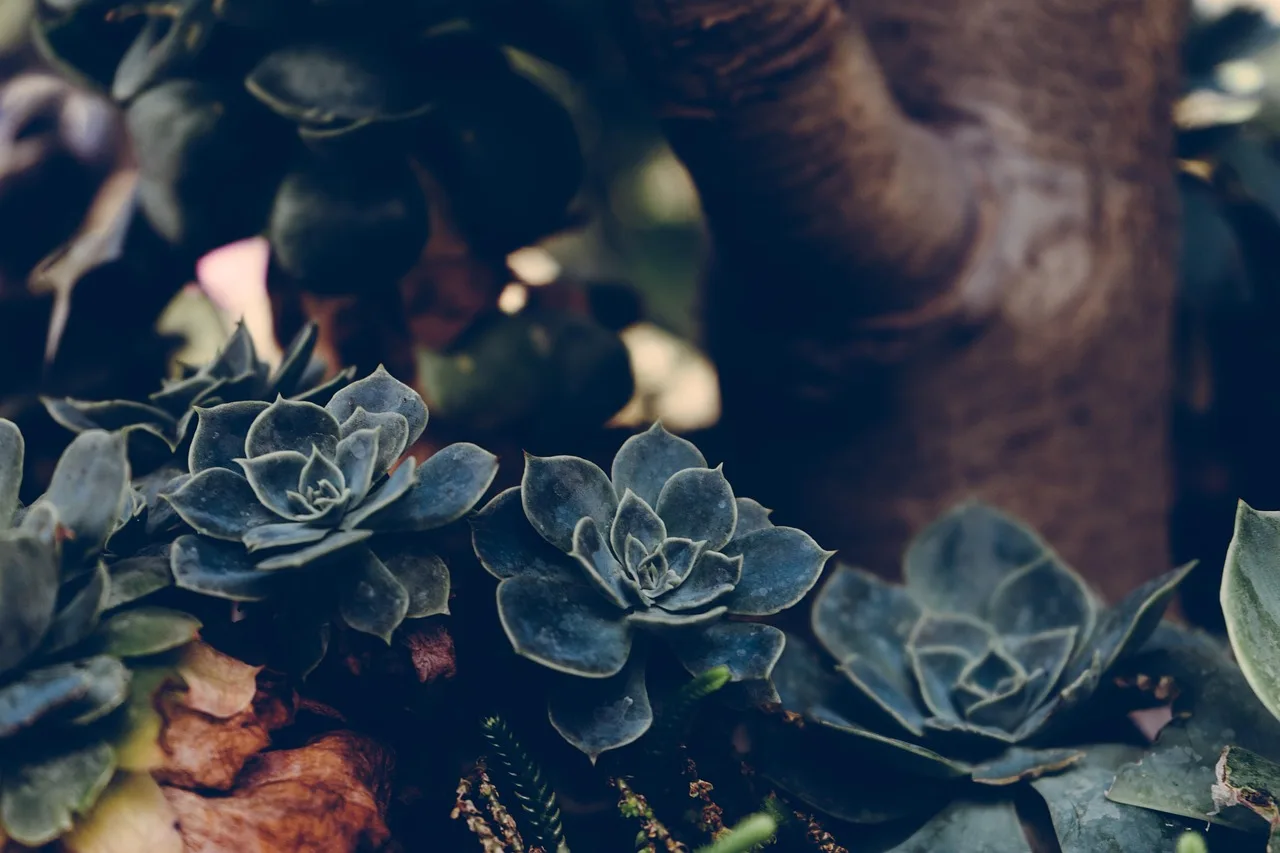
The best choices are plants that stay readable in a display bed and still hold up after establishment. That usually means a mix of long-blooming perennials, clumping grasses, and a few succulent or water-storing plants placed only where drainage and sun exposure fit.
Best full-sun perennials
Full-sun drought-tolerant perennials do well with 6+ hours of sun, leaner soils, and modest irrigation after rooting. They are useful for borders and massing because they bring repeat bloom, upright stems, or a stable mound that does not disappear halfway through the season.
Good examples include catmint, yarrow, blanket flower, asters, lavender, and stonecrop. Garden Design lists asters in zones 3-8, blanket flower in zones 3-10, catmint as long-blooming and suitable from zones 3-8, and blue fescue at 10 to 12 inches tall. Almanac lists stonecrop as hardy in zones 3 to 10, lavender as full sun in zones 5 to 11, and yarrow as full sun in zones 3 to 9.
These plants fail in wet soil more often than they fail from dry weather. In a heavy bed, roots can stay wet long enough to trigger decline, even when the canopy still looks fine at first.
Best ornamental grasses
Drought-tolerant ornamental grasses add texture, movement, and seed heads that extend the season. Clumping habits are especially useful in drift plantings because they let you repeat one form without creating an invasive sheet across the bed.
Blue fescue works well at the front of a border where its fine blades contrast with broader leaves. Taller clumping grasses can stand behind perennials and keep the bed from reading flat after bloom has finished. Leave enough space for air flow, because crowding increases decline and makes the planting harder to read from a distance.
Best succulents and water-storing foliage plants
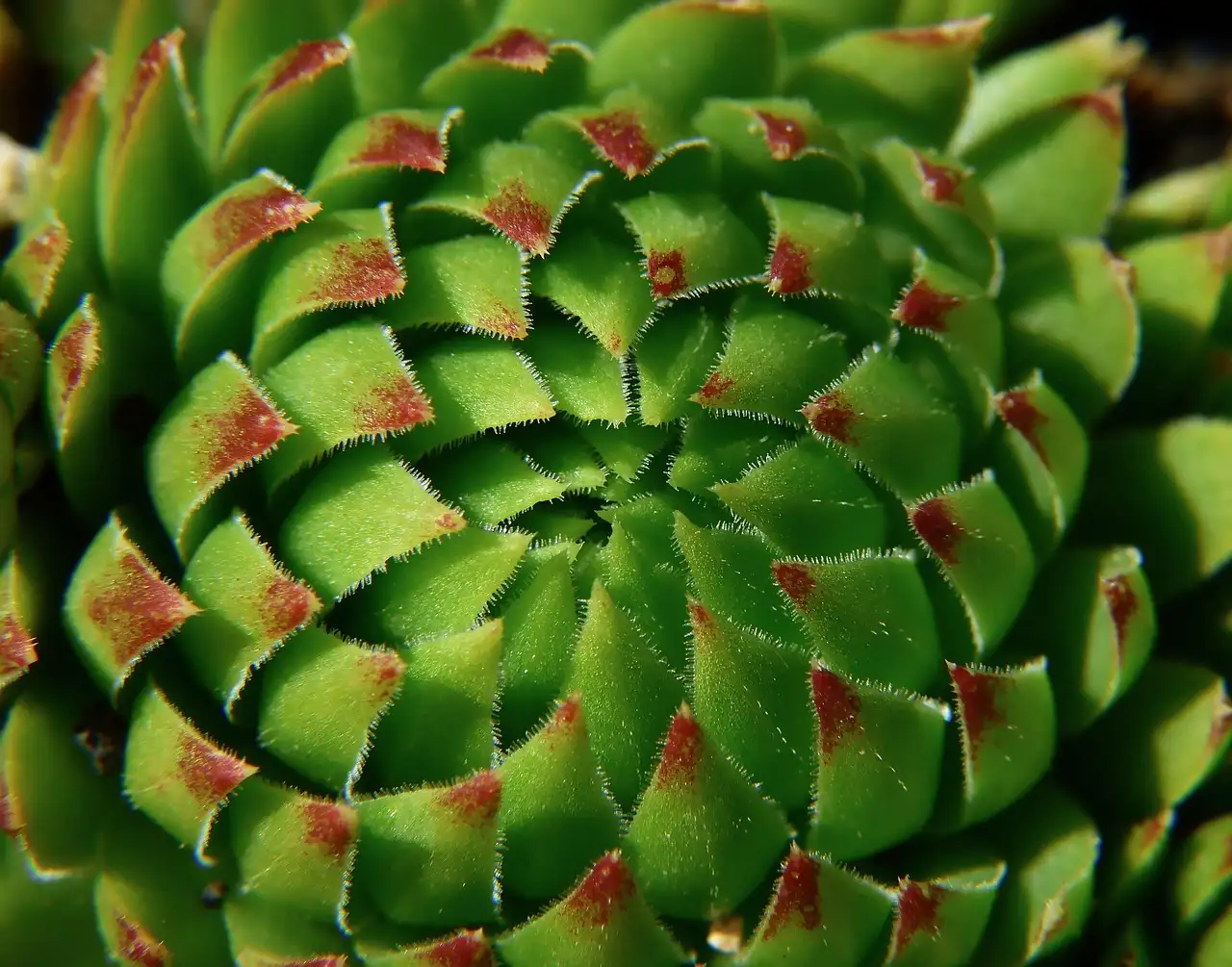
Succulents and other water-storing foliage plants are best in sunny, well-drained sites. Their fleshy leaves hold water, which makes them strong choices for focal points and groundcover where the soil drains fast and the irrigation schedule is light.
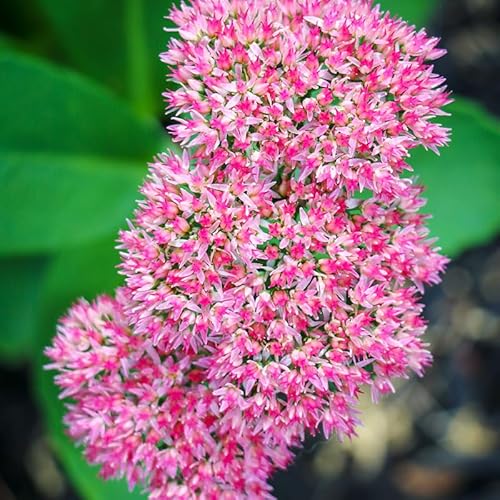
Stonecrop is the most practical broad-use example here. It gives late-season color and a low, unified form that can anchor a dry bed. Do not place succulents in poorly drained soil, in shade, or in beds that receive frequent overhead irrigation. Root rot becomes the main failure mode, not drought.
Which plants help pollinators in dry beds?
Plants that feed pollinators in dry beds usually combine nectar-rich flowers with a bloom sequence that runs through the season. Bees, butterflies, and hummingbirds need overlap and continuity, not a single brief flush of color. Seed heads can keep the bed useful after flowering ends.
Use bloom sequencing, not one-time color
Catmint, blanket flower, yarrow, lavender, and asters create a useful sequence from spring into fall. That sequence helps a botanical garden bed stay active for visitors and insects over a longer window. Long bloom also makes the display look more intentional when some plants are past peak and others are opening.
Seed heads matter too. They give birds and small wildlife additional value, and they keep the bed from looking stripped once petals drop. In a public garden, that late-season structure can matter as much as the flowers did in June.
How do you prevent failure in dry plantings?
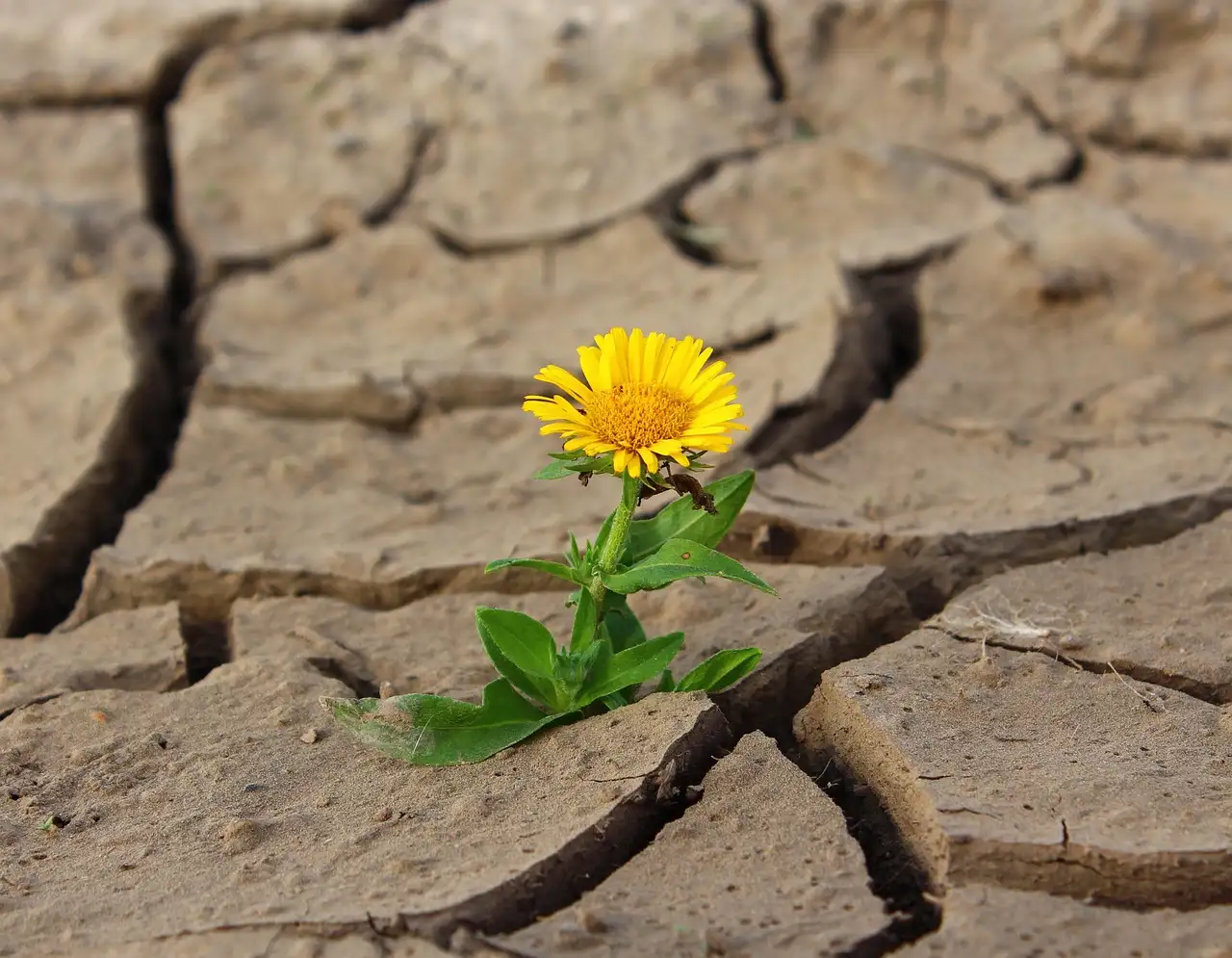
Prevent failure by separating establishment care from long-term watering, then matching the bed to soil and irrigation reality. New plantings need supplemental water until roots reach surrounding soil. Once established, many drought-tolerant plants need far less water, but only if the site drains well and the bed is not crowded or oversupplied.
First-year irrigation strategy
- Water new plants deeply and on a regular schedule during establishment.
- Keep mulch even, but do not pile it against crowns or stems.
- Check the root zone after rain and irrigation; if soil stays soggy, reduce water and improve drainage.
- Increase spacing when plants are likely to expand fast.
- Use the first season to build roots, not to push top growth.
Heavy soil is a common problem in botanical gardens because the bed may receive water meant for nearby collections, lawns, or maintenance wash-down. A plant can tolerate drought and still fail in saturated soil. Grading, compost use, and mulch depth should support drainage, not seal moisture in.
Use drought context in planning
Regional drought status helps justify irrigation schedules and plant choices, especially when the garden is deciding where to cut supplemental watering first. D0 through D4 gives a rough risk frame for the broader area, but bed-level conditions still matter more than the map for individual plant success.
USGS notes that drought affects water for people, agriculture, industry, and natural resources. In a botanical garden, that means planning for public display, plant survival, and maintenance capacity at the same time.
A common first-timer mistake is to crowd a lavender block into rich, irrigated soil because the plants look small at purchase. Two months later, the foliage may still be green, but the base is woody, the center is thin, and the bed is collecting water after every cycle. The problem is site fit, not plant toughness.
Which drought-tolerant plants work in mixed borders versus mass plantings?
Mixed borders need plants with clear outlines, long season presence, and different textures. Mass plantings need repetition, a predictable mature size, and forms that can be spaced tightly without turning muddy. The same plant can do both jobs if the bed conditions are right.
Use perennials in mixed borders
Catmint, lavender, blanket flower, and asters fit mixed borders because they read as distinct clumps and provide bloom at different times. They work best where the garden wants a layered look with a clear foreground, middle, and back plane.
Use grasses and low spreads in masses
Blue fescue and some stonecrops are better in drifts and repeated blocks. Their value comes from repetition, not from a single specimen. That approach is useful along wide paths, slope edges, and transition zones where the planting must hold together visually from a distance.
Frequently asked questions
Which drought-tolerant plants still look good in a display bed?
Plants with clear architecture usually hold up best in display beds. Clumping grasses, long-blooming perennials, and compact succulents keep a neat outline longer than floppy or overly tall plants. Good spacing matters as much as species choice, because crowding quickly makes any bed look tired.
What drought-tolerant plants work in full sun at a botanical garden?
Full-sun options include catmint, yarrow, blanket flower, lavender, blue fescue, stonecrop, and many asters. These plants are suited to hot, open beds with at least 6 hours of sun and drainage that keeps roots from sitting wet after rain or irrigation.
Which drought-tolerant plants need the least watering once established?
Stonecrop and blue fescue are among the lowest-water choices once rooted, provided the soil drains well. Lavender, yarrow, blanket flower, and catmint also settle into low supplemental irrigation needs, but each one still needs establishment watering during the first season.
What drought-tolerant plants are best for pollinators in a garden landscape?
Catmint, yarrow, blanket flower, asters, and lavender all support pollinators with nectar-rich flowers and staggered bloom. They are especially useful when combined so that flowering begins in spring or early summer and continues into fall, with seed heads left for later wildlife value.
How much drought can a plant tolerate before irrigation is still needed?
That depends on the plant, the soil, and whether it is newly planted or established. New specimens need regular water until rooted. Established plants may go much longer between irrigations, but heat, wind, and shallow soil can still push them past their limit quickly.