What Shoes Are Best for Walking a Botanical Garden?
For most botanical gardens, I wear a cushioned walking shoe or light trail shoe with a grippy outsole, breathable upper, and enough room for swelling. If the paths stay wet, I switch to waterproof or quick-drying pairs. Bad shoes turn a good visit into sore arches, blisters, slips, and an early exit. This guide matches footwear to gravel, lawns, heat, rain, humidity, and foot needs.
What a botanical garden asks of your shoes


A botanical garden is rarely one surface for long. On a single loop, I may move from paved entries to crushed stone, lawn edges, wooden boardwalks, and conservatory tile, then back outside for damp paths and uneven transitions. The shoe has to stay steady through all of that.
FitVille describes a botanical-garden visit as “three miles, four surfaces, two humidity zones.” That is a useful shorthand. It also explains why the wrong shoe feels fine for the first stretch and wrong by the second hour.
Mixed surfaces change the job
Flat pavement rewards smooth roll-through. Gravel and damp grass ask for grip. Tile and boardwalks punish oversized lugs and clunky soles. A garden shoe needs enough tread to bite on loose or wet ground, but not so much that it feels noisy, stiff, or awkward indoors.
Slow walking changes comfort needs
Botanical-garden walking is stop-and-go. People slow down for labels, photos, benches, shade, and exhibits. FitVille says garden walking is closer to “20-25 minutes per mile,” while running shoes are designed for a heel-strike at “8-9 minutes per mile.” That pace gap matters.
Visit length changes the shoe threshold
Short comfort is easy. Long comfort is harder. FitVille says garden visits can last “three hours and six” and may mean “3-6 hours on your feet” with “2-4 miles of cumulative walking.” Shoes that feel soft for a mile can turn vague and tiring by hour four.
What shoes are best for walking a botanical garden?

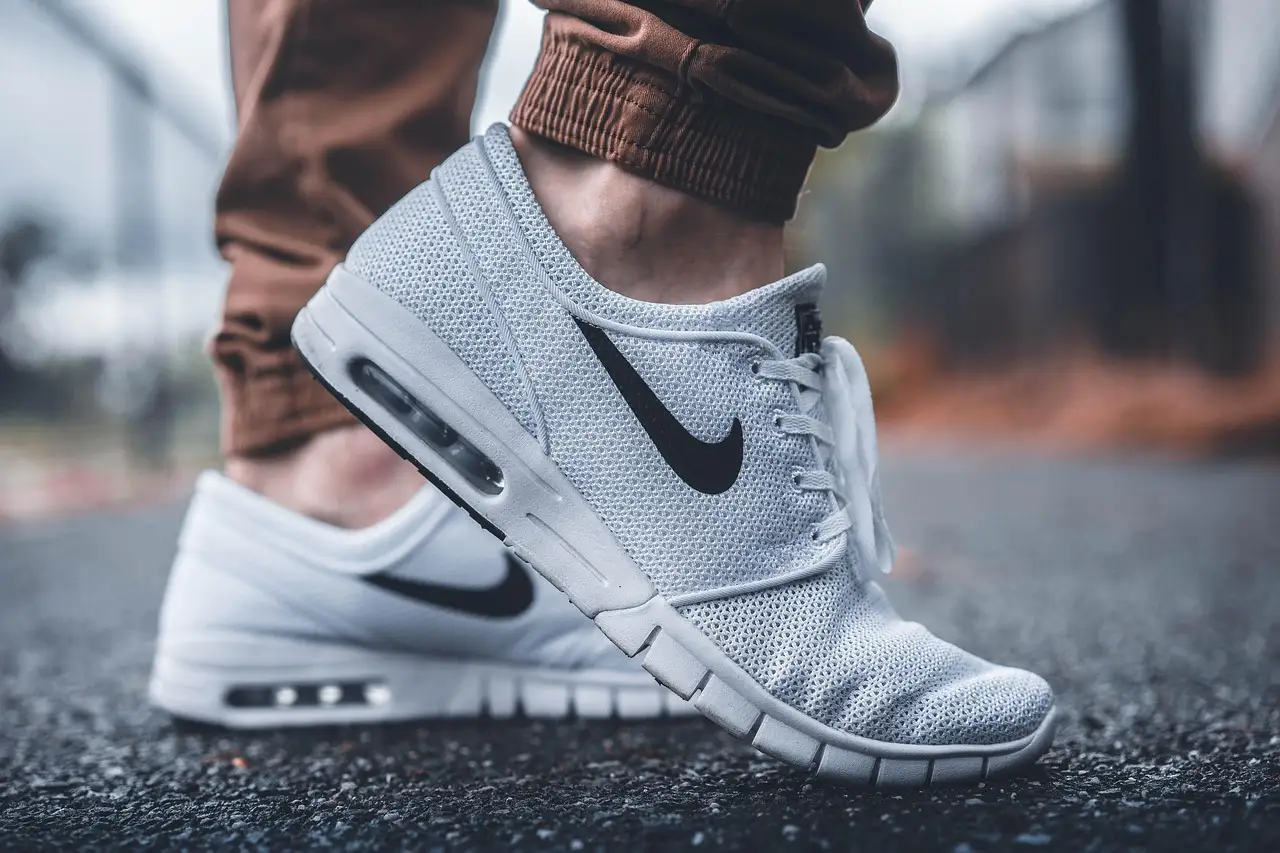
For most visitors, I reach for a comfortable walking shoe. It usually gives better all-day comfort than a fashion sneaker, more stability than a soft running shoe, and less bulk than a trail shoe. Pick one with a moderate tread, breathable upper, and enough toe room for swelling.
When a walking shoe fits the job
A walking shoe works well when the day includes paved paths, gravel, garden rooms, benches, and a fair amount of standing. FitVille recommends all-day cushioning tuned for “slower walking” rather than running. That matches how people actually move through gardens.
When a running shoe can work
A running shoe can be fine if it is not too tall or overly soft. It tends to suit visitors who walk at a brisk pace and stay mostly on smooth paths. The tradeoff is stability. On mixed garden ground, a running shoe can feel higher and less settled during turns and stops.
When a trail shoe is too much
Trail shoes help when paths are rough, muddy, or loose. They become a mismatch in many formal gardens, where tile, boardwalks, and paved promenades are part of the route. Aggressive lugs can feel loud and clumsy indoors, and they are often more shoe than the day needs.
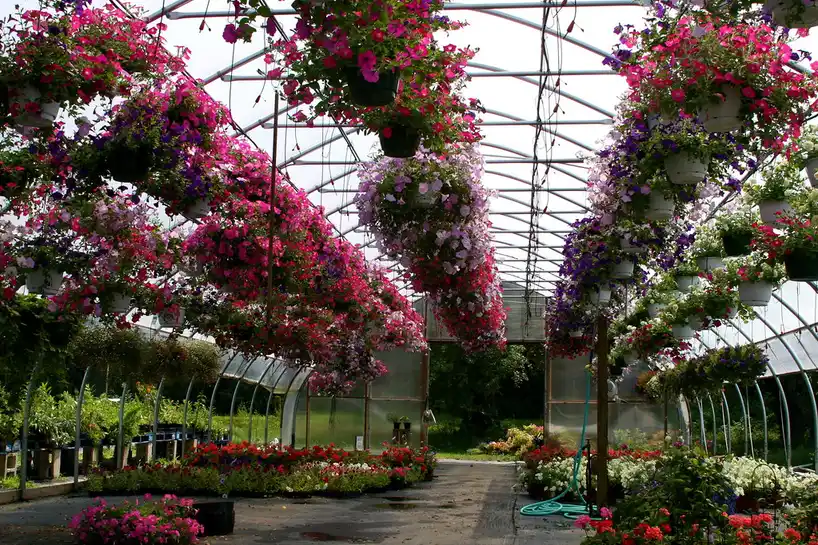
Which sole works best on gravel and damp grass?
A multi-surface outsole with moderate tread is the safest middle ground for garden walking. It should grip crushed stone and damp grass without feeling like a hiking boot on pavement. FitVille specifically recommends “a moderate multi-surface outsole” for garden visits, and that is the right idea.
Low-profile tread versus aggressive lugs
Low-profile tread is usually enough for firm gravel, light mud, and damp turf. Aggressive lugs help more on soft soil or deeper mud, but they can feel overbuilt on hard paths. They may also catch slightly on tile and make indoor sections less comfortable.
Stability on wet ground and hard paths
The sole should move cleanly from loose to hard surfaces. That means grip on crushed-stone paths and damp grass, but a shape smooth enough for pavement and tile. A shoe that is too soft underfoot can also wobble on uneven edges and boardwalk transitions.
Should botanical garden shoes be breathable?
Yes. Breathable shoes are usually the smarter choice for warm weather and conservatories. A breathable mesh upper improves airflow, helps moisture move out of the shoe, and keeps the foot from feeling sealed in. In humid glasshouses, that matters more than many visitors expect.
Humidity inside conservatories and glasshouses
FitVille describes conservatory conditions as “80°F and 70%+ humidity.” In that kind of air, feet swell, socks get damp faster, and heat builds inside the shoe. FitVille also says, “Breathability is not a luxury here,” which is exactly right for extended indoor garden time.
When breathability matters more than weather resistance
If the forecast is warm and mostly dry, breathability usually wins. A shoe that vents well can prevent hot spots and reduce friction. For many visitors, that matters more than extra water protection, especially when half the visit happens in humid rooms or under glass.
When do you need water-resistant or waterproof shoes?
Choose water-resistant shoes for dew, light drizzle, and lightly damp edges. Choose fully waterproof shoes when the paths are likely to stay wet for longer stretches, or when you expect to cross very wet ground. Waterproofing helps with water entry, but it does not fix poor fit or weak traction.
Dew and light drizzle
Water-resistant construction is often enough for early-morning visits, mist, or brief rain. It can slow moisture entry without making the shoe heavy or stuffy. That is a useful balance when the rest of the day is dry and you still want decent airflow.
Limits on soaked ground
Water resistance has limits. It will not keep feet dry in puddles, soaked grass, or water that splashes over the upper. If the route includes muddy edges, persistent rain, or wetland boardwalks after weather, a dedicated waterproof pair makes more sense.
When fully waterproof footwear is the better call
Go waterproof when comfort depends on staying dry rather than venting heat. That makes sense in steady rain, saturated ground, or cold weather where wet socks become the main problem. In hot and humid weather, waterproof shoes can trap too much heat unless the day is clearly wet.
How cushion and platform shape affect long visits
Moderate cushioning is usually the steadier choice for a long botanical-garden visit. Too little cushion can feel harsh after hours on paths. Too much stack height can feel vague and unstable, especially on uneven ground or when stopping often to look at plants and signs.
Why moderate cushioning feels steadier
A moderate stack gives enough comfort for “3-6 hours on your feet” without making the shoe feel tall and springy. For garden walking, that steadier platform often matters more than plush softness. It supports slow pacing and reduces the side-to-side wobble that can creep in late in the day.
Why tall soft foam can feel unstable
Soft foam can be pleasant at first. The problem is control. A taller midsole sits higher off the ground and can feel less certain on gravel, roots, wet tile, and small grade changes. On a long visit, that instability can be tiring even when the shoe feels cushioned.
Which shoe fits your feet and your forecast?
Foot shape and weather should steer the final choice. Wide feet need room up front and across the forefoot. Bunions need a softer upper and a wider toe box. Plantar fasciitis often does better with a stable platform and consistent cushioning than with a very soft, squishy ride.
Wide feet, bunions, and hot-weather swelling
In heat, feet expand. That makes generous toe room and a forgiving upper more important than usual. Breathable mesh helps, but so does a shape that does not pinch the forefoot. For bunions, look for a shoe with a roomy toe box and no stiff seams at the pressure point.
Plantar fasciitis and support needs
For plantar fasciitis, the main goal is steady support through hours of walking and standing. A stable walking shoe with moderate cushioning is often a better fit than a very soft running shoe. The shoe should feel controlled when the pace slows and the foot stays on it longer.
Rain, heat, or mixed weather
Match the upper to the forecast. Hot and humid conditions favor breathability. Rainy forecasts favor water resistance or waterproofing. Mixed weather usually calls for the middle ground: a breathable shoe that dries reasonably fast, unless the route is known to stay wet.
Botanical garden shoe decision table
This table turns surface mix, humidity, forecast, visit length, and foot issues into a quick choice. Use it to rule out overbuilt trail shoes, weak fashion sneakers, or waterproof pairs that will run too hot for the day you actually have planned.
| Garden condition | Surface mix | Humidity / forecast | Walking duration | Foot issue | Best choice | Avoid |
|---|---|---|---|---|---|---|
| Formal garden loop with a conservatory | Paved main walkway, conservatory tile, short crushed-stone sections | Warm, humid, possibly “80°F and 70%+ humidity” indoors | 3-6 hours | Hot feet or swelling | Breathable walking shoe with moderate multi-surface outsole | Heavy waterproof shoe, tall trail shoe |
| Wet morning visit after dew | Damp grass, paved paths, boardwalk | Light drizzle or lingering moisture | 2-4 miles | None specific | Water-resistant walking shoe with steady platform | Thin fashion sneaker, slick outsole |
| Rainy day with muddy edges | Crushed-stone, wet grass, puddled borders | Steady rain, soaked ground | 3-6 hours | Cold-sensitive feet | Dedicated waterproof footwear with decent tread | Mesh shoe that soaks quickly |
| Long slow visit with lots of stops | Mixed surfaces, mostly easy grades | Dry or mild weather | “three miles, four surfaces, two humidity zones” | Plantar fasciitis | Stable walking shoe, moderate cushioning stack height | Very soft running shoe, tall foam platform |
| Rougher garden path network | Loose stone, dirt, wet grass, uneven edges | Dry to damp | 3-6 hours | Wide feet | Light trail shoe with moderate lugs and roomy fit | Formal dress sneaker, narrow toe box |
| Short visit, mostly paved route | Pavement and tile with little grass | Warm, dry | Under 2 hours | Bunions | Soft walking shoe or a forgiving regular sneaker with room | Stiff pointed shoe, aggressive trail lug |
Quick read examples
If the visit is mostly paved and dry, a regular sneaker with enough cushioning may work, as long as it is not thin or tight. If the route adds gravel, damp grass, and a conservatory, move up to a walking shoe with better grip and airflow.
- Check the route: pavement, gravel, lawn, tile, boardwalk.
- Check the forecast: dry, humid, drizzle, or steady rain.
- Estimate time on feet: a short loop or a 3-6 hour visit.
- Match the outsole: moderate tread for mixed ground, stronger tread only if the path is genuinely rough or muddy.
- Match the upper: mesh for heat and humidity, water-resistant or waterproof only when moisture is a real risk.
- Make room for swelling, bunions, or wide feet.
Frequently asked questions
What shoes are best for walking a botanical garden?
A cushioned walking shoe with a moderate multi-surface outsole is the safest default for most botanical gardens. It handles pavement, crushed stone, damp grass, and indoor tile better than thin sneakers. Choose breathable mesh for warm days and enough toe room for long visits.
Can I wear regular sneakers to a botanical garden?
Yes, if they are comfortable, steady, and have some grip. Regular sneakers fall short when the day includes wet grass, gravel, or long hours on your feet. Thin fashion sneakers are a poor pick because they usually lack traction, support, and lasting comfort.
Are trail shoes good for a botanical garden?
They can be good on rougher, wetter paths, but they are often too aggressive for formal gardens. Strong lugs help on loose soil and mud, yet they can feel loud, bulky, or awkward on tile, pavement, and boardwalks. Use them when the route is truly rough.
What kind of sole is best for gravel and damp grass?
A moderate multi-surface outsole is usually the right answer. It should have enough grip for crushed stone and damp grass, but stay smooth enough for pavement and tile. Very aggressive lugs are often more than a garden day needs unless the ground is muddy or soft.
Do I need waterproof shoes for a botanical garden?
Not for every visit. Water-resistant shoes usually handle dew and light drizzle well enough, while fully waterproof shoes make more sense for soaked ground, steady rain, or muddy edges. In hot weather, waterproofing can trap heat, so breathability may matter more than rain protection.
Should botanical garden shoes be breathable?
Yes, especially for warm weather and conservatories. A breathable mesh upper helps manage moisture and heat, which matters when the air is humid and feet swell during a long visit. If the day is dry, breathable shoes are often more comfortable than water-stiff pairs.
Are running shoes okay for a long garden visit?
Sometimes. A running shoe can work if it has a steady feel and is not too tall or soft. For slow, stop-and-go walking, a dedicated walking shoe is often better because it stays steadier on mixed surfaces and feels less wobbly after hours on your feet.
What shoes should I wear if the garden has a conservatory?
Pick a breathable shoe with a comfortable, stable platform. Conservatories can be warm and humid, and FitVille describes them as “80°F and 70%+ humidity.” A shoe that vents well and does not trap moisture will usually feel better than a heavy, sealed pair.