Gardening Techniques for Transplanting Seedlings Safely
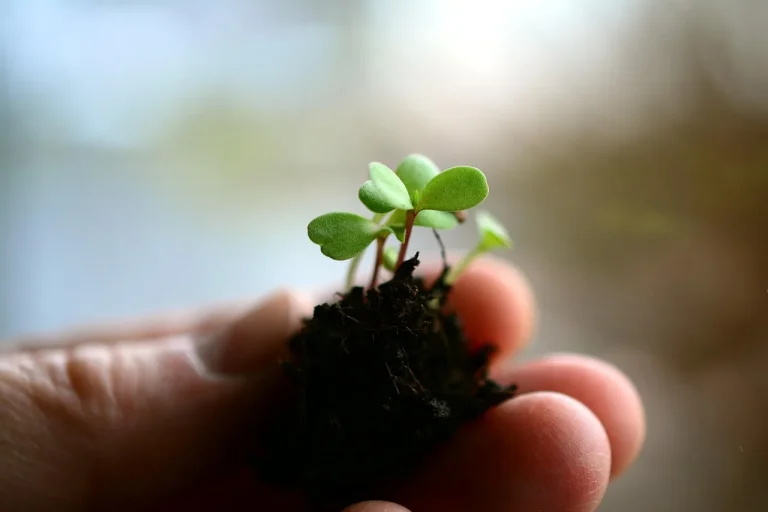
Transplant seedlings after hardening off, once they have 2 to 4 true leaves, the soil is workable, and wind is light; water first, lift by leaves, and set roots at the same depth they grew in the tray.
This guide is part of our Gardening techniques series.
Bad timing, rough handling, or dry soil can stall growth, wilt young plants, or kill weak roots.
This guide explains when to plant, how to handle damaged or rootbound seedlings, and how to adjust for crop type, weather, and root condition.
What you’ll need before you start


- Clean trowel or narrow spade
- Watering can with a rose head
- Labels and marker
- Shade cloth or light cover
- Mulch such as straw or compost
- Water for pre-wetting seedlings and the planting hole
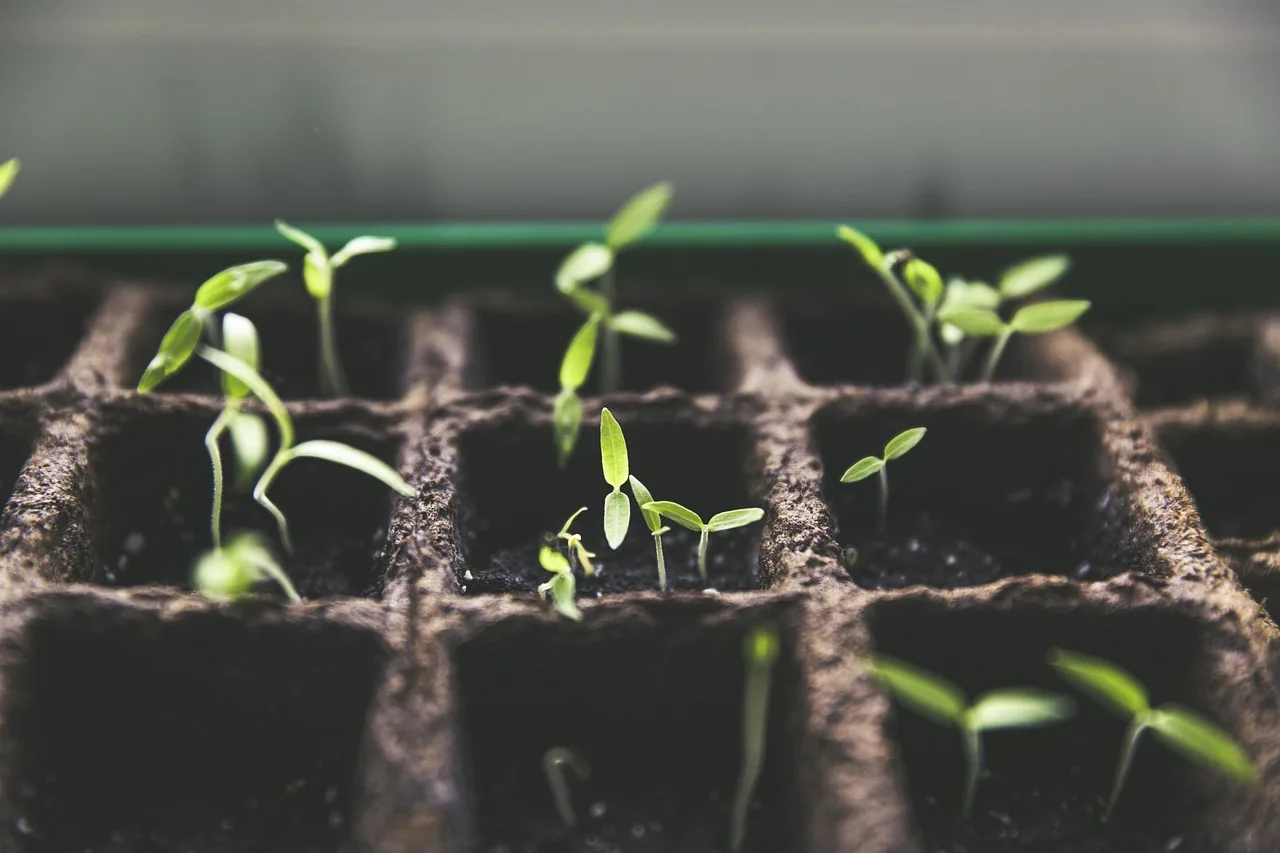
- Seedlings with sturdy stems and intact root plugs
Set labels, water, and shade in place before you lift a single plant. That shortens the time roots sit in air, and warm, breezy days make that gap matter fast.
Check whether today is safe to transplant
A safe transplant day is cool, calm, and damp where the roots sit. Wait for mild, overcast weather with light wind, and delay warm-season crops until after the last frost. If the forecast brings strong sun, wind, or cold nights, hold off.
Weather and timing gate
| Check | Safe to plant | Delay planting |
|---|---|---|
| Cloud cover and temperature | Mild, overcast, late afternoon | Bright midday sun or heat |
| Wind | Light wind | Strong, drying wind |
| Overnight low | Above the crop’s cold limit; day 7 hardening off allows overnight exposure if nights stay above 50°F | Cold nights or frost risk |
| Soil condition | Moist, not wet | Dry, crusted, or muddy soil |
Most vegetables need 6 to 8 hours of direct sunlight daily, and a sunny, well-drained location is the right starting point. For beginners, a 4×4 or 4×8 raised bed is a practical size for managing watering and spacing.
Soil moisture check before planting
Press a finger into the bed or container. The soil should feel moist and cool, not sticky or dusty. If it crumbles dry, water first and wait a short time so the transplant hole stays damp through the root zone.
How long should seedlings be hardened off before transplanting?
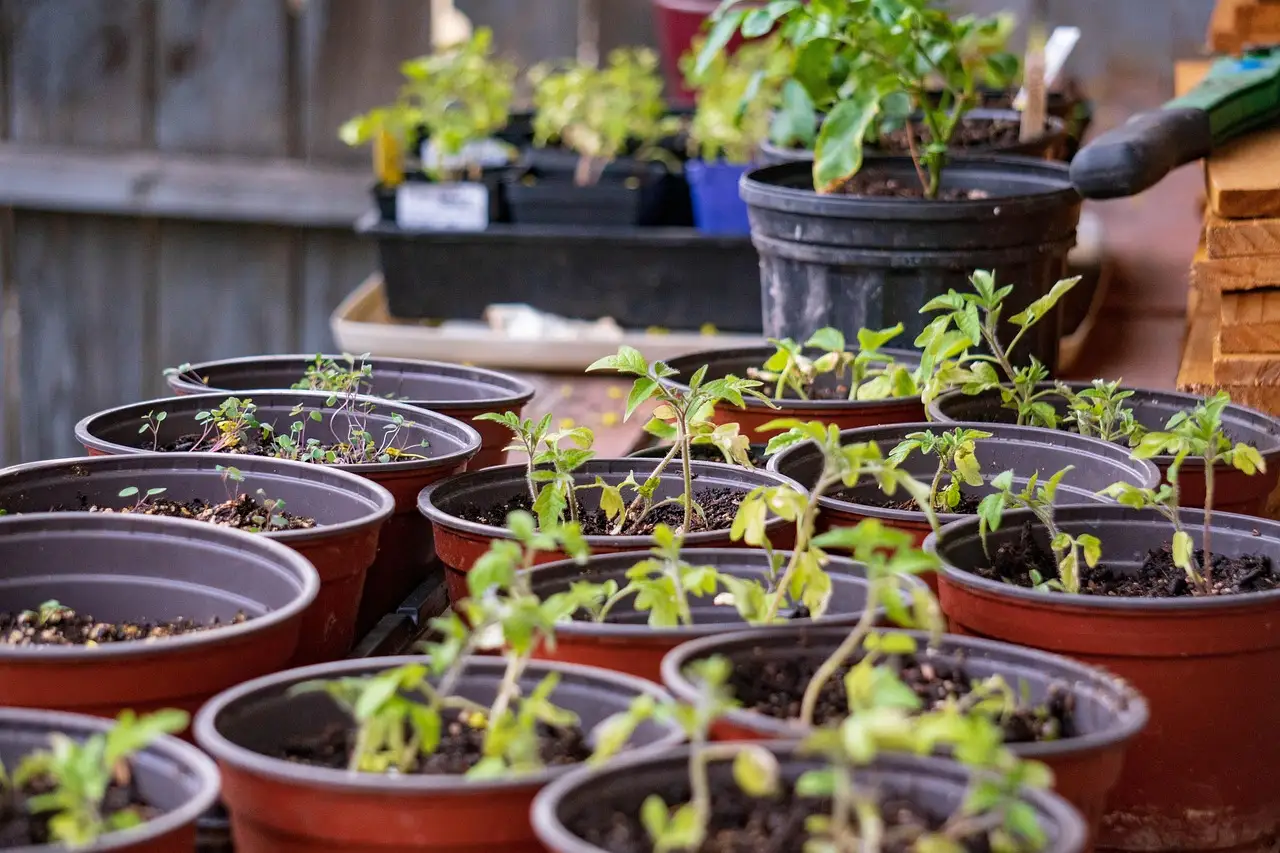
Many indoor starts need about a week of hardening off before they go outside. Begin with short exposure, then increase time outdoors gradually while shielding seedlings from wind, direct sun, and cold nights.
Use a 5- to 7-day acclimation window
Day 1 should be short and shaded. Each day after that, increase outdoor time and light exposure. By day 7, seedlings can stay out overnight if nights stay above 50°F. Skip the final overnight step if cold is in the forecast.
Protect seedlings while they adjust
Hardening off is not only about sunlight. A sheltered porch, open shade, or a windbreak cuts leaf and stem water loss. That matters for tender starts grown under still indoor conditions.
- Water seedlings about an hour before planting so the root plug stays cohesive.
- Loosen the bed to 8 to 10 inches and dig each hole before removing plants from trays.
- Lift seedlings by the root plug, not the stem, and keep roots intact.
- Set the plant at the correct depth for the crop, then backfill gently.
- Firm the soil, water in well, and add a light layer of mulch or compost.
If your tomato seedlings are tall and thin in a small cell pack, you can plant them a bit deeper. Plant them deeper, because buried stem sections can form roots. A pepper seedling at the same size should stay at the original soil line, or it can stall instead of recovering.
Suppose a cucumber seedling has only two true leaves and a firm plug. Move it early, before roots tangle in the cell, and keep the planting depth shallow and even with the tray line.
How deep should you plant different crops?
Most seedlings should go into the ground at the same soil line they had in the tray. Tomatoes are the main exception, peppers should not be buried deeper than their original line, and cucurbits are often moved early at the two true leaf stage.
Tomatoes can go deeper
Tomatoes tolerate deeper planting because buried stem tissue can root. Remove lower leaves and set the root plug so more stem sits underground, but keep the top leaves above the soil surface.
Peppers should stay at the original soil line
Peppers are less forgiving of deep planting. Place the root plug level with the surrounding soil, then firm lightly. Do not mound soil up the stem in a way that changes the original line.
Cucurbits and other fast starters at the two true leaf stage
Cucurbits such as squash and cucumber move best before they become root-bound. Aim for the early true-leaf stage and transplant promptly, because delayed moves can twist roots and slow recovery.
How can you reduce transplant shock in young plants?
Reduce transplant shock by keeping roots covered, moving seedlings in cool weather, and shading them from sun and wind for the first 2 days. Wilting, pale leaves, and stalled growth are warning signs, and the first couple of weeks are often the riskiest after transplanting.
Use the right aftercare from day 1 to day 14
Water immediately after planting, then check moisture daily for the next couple of weeks. If leaves wilt but recover by evening, keep watching. If wilt does not perk up by evening, treat it as shock and add shade, moisture, and wind protection.
| Day range | What to check | Action if needed |
|---|---|---|
| Day 1 to 2 | Leaf turgor, surface moisture, sun exposure | Add shade for two days after transplanting |
| Day 3 to 7 | New growth, wilting by afternoon, dry soil | Water at the base when the top layer begins to dry |
| Day 8 to 14 | Color, firmness, and steady growth | Remove temporary shade if growth is steady |
What should I do if seedlings wilt after transplanting?
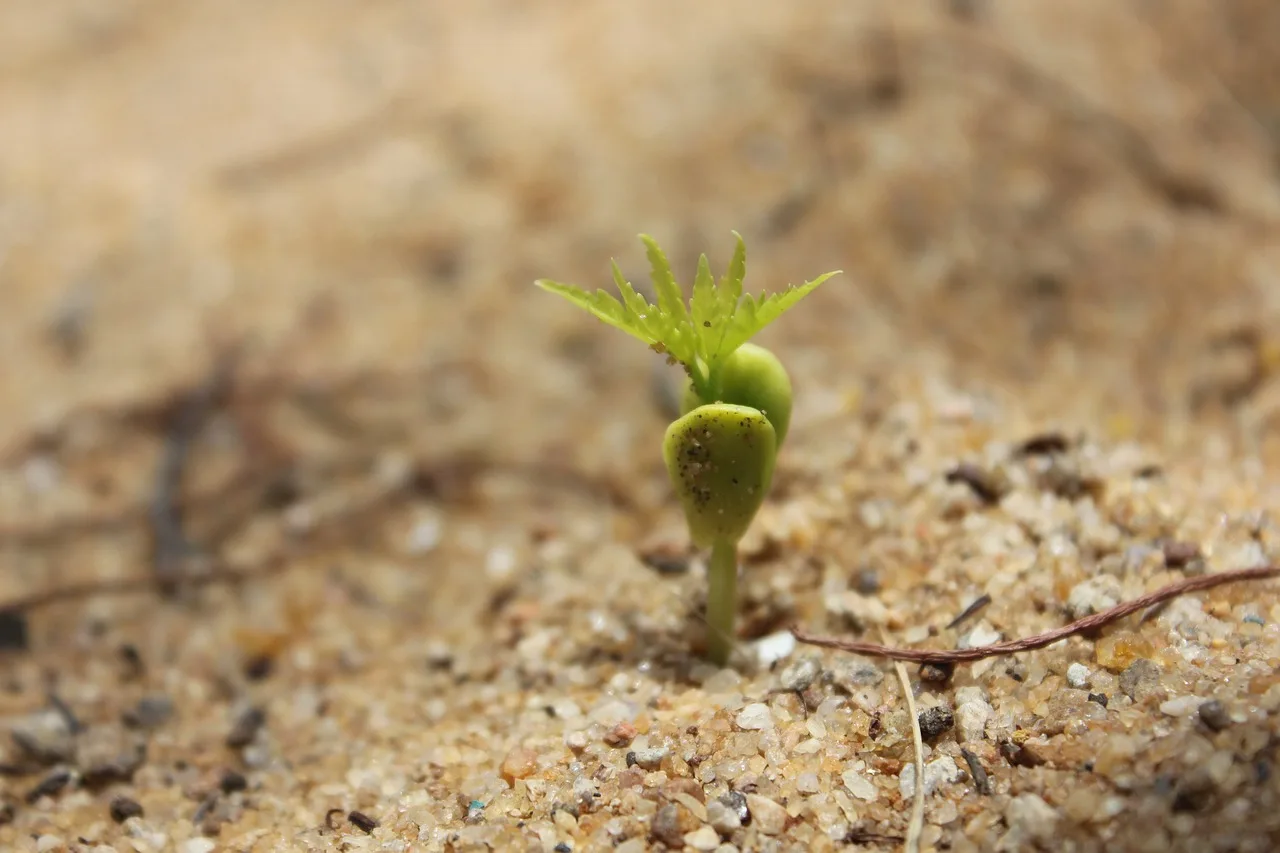
Wilting after transplanting usually means the roots are losing water faster than they can absorb it. Check soil moisture first, then shade the plant and block wind. If wilt persists into evening, treat it as transplant shock and act immediately.
Ranked fixes, from most likely to less likely
- Check moisture at the root zone. If the soil is dry, water slowly at the base until the plug is fully damp.
- Add temporary shade. Use light cover or shade cloth for 2 days so leaves lose less water.
- Reduce wind exposure. A stake, screen, or row cover can cut drying and help the plant catch up.
- Inspect planting depth. If the crown was buried too deep, uncover it to the original line for crops that need it.
If that did not work, remove one seedling carefully and check the plug. Circling roots, a dry core, or a broken root ball can slow recovery more than the top growth suggests. Replant only if the root plug still holds together.
Common mistakes that cause transplant shock
Hot sun, strong wind, and dry roots are the fastest way to set seedlings back. Skipping hardening off, burying crops too deep, or watering only the surface can create the same result: pale leaves, stall, and slow rooting.
A common first-timer mistake is setting a tray of seedlings out in full sun at noon. The leaves can collapse within hours, even when the soil looks damp, because the plant cannot replace water quickly enough.
How do I water seedlings after transplanting?
Water seedlings right after setting them in place, then check them daily for 14 days. The goal is even moisture around the root ball, not soggy soil. A rose head on the watering can helps soak the area without washing soil away.
First watering
Water each transplant well after firming the soil. The root zone should be fully settled, and any air pockets around the plug should collapse. If water runs off, pause and return once the surface absorbs it.
Follow-up watering
During the first week, water whenever the top layer starts to dry. In warm or windy conditions, that may mean daily checks. Mulch with straw or compost to slow surface drying, but keep it away from the stem.
What plants should not be planted deeper when transplanting?
Plants that do not tolerate buried stems should stay at their original soil line. Peppers are the clearest example. Many other tender seedlings also do best at tray depth unless a crop guide specifically allows deeper planting.
Crop-specific depth rule
Tomatoes are the main crop that can be planted deeper. For peppers, set the plug level and do not bury the stem farther down. For cucurbits, transplant early at the two true leaf stage instead of waiting for a crowded, root-bound plug.
How do you transplant seedlings without killing them?
Transplant seedlings safely by matching timing, handling, and crop type. Move them after hardening off, in cool weather, with moist soil and intact roots. The quickest way to lose a plant is to expose a dry plug to heat and wind too long.
Use this readiness checklist and 14-day aftercare tracker
| Readiness check | Yes/no gate |
|---|---|
| Weather is mild, overcast, and light wind | Yes / No |
| Seedlings hardened off for 5 to 7 days | Yes / No |
| Root plug is full but not root-bound | Yes / No |
| Seedlings have 2 to 4 true leaves | Yes / No |
| Crop-specific depth is clear | Yes / No |
| Day | Water check | Shade check | What to note |
|---|---|---|---|
| 1 to 2 | Moist at base | Keep shaded | Leaf angle and color |
| 3 to 7 | Water when top layer dries | Reduce shade if steady | Any wilt by evening |
| 8 to 14 | Adjust to weather | Remove cover if recovery is strong | New leaves and stem firmness |
Prevention
Tag each transplant with the crop name and planting depth before you move to the next cell pack. That keeps tomato, pepper, and cucurbit settings from getting mixed up when you are working quickly.
Frequently asked questions
When is the best time of day to transplant seedlings?
Late afternoon is the ideal time, because sun and heat are lower and seedlings face less water loss. A cool, overcast day with light wind is also a strong choice, especially if the forecast stays mild overnight.
How deep should I plant seedlings in the ground?
Most seedlings should go in at the same depth they had in the tray. Tomatoes can be set deeper, peppers should stay at the original soil line, and cucurbits are best moved early rather than buried deeper to compensate for size.
Do I need to harden off seedlings before planting them outside?
Yes. Seedlings grown indoors need time to adjust to sun, wind, and cooler nights. A 5- to 7-day hardening-off plan lowers stress and helps prevent the sudden wilt that often follows direct planting from indoor conditions.