What are plant hormones? A beginner-friendly overview
Plant hormones are chemical messengers made in tiny amounts in one part of a plant and active in another. If you misunderstand them, pruning, propagation, and spray timing can work against the plant instead of helping it. This guide explains the main hormone groups, where each is made, how each travels, and what changes each one causes.
What are plant hormones?
Plant hormones are chemical messengers made in one place and active in another. They usually occur in very small concentrations, yet they can shift cell division, cell elongation, organ formation, senescence, dormancy, and stress responses. A small amount can change how a plant grows.
Why plants need hormones
Plants need hormones because they cannot move from place to place. Hormones let different tissues communicate so roots, stems, leaves, buds, flowers, and fruits can coordinate growth. That coordination lets a plant germinate, branch, flower, set fruit, rest through stress, and resume growth later.
Plant biology often looks simple from the outside, but the internal signaling is not. A single hormone can have different effects depending on concentration, the plant part receiving it, and the developmental stage of the tissue. That is why a hormone is better understood as a signal, not a one-word instruction.
What are the main types of plant hormones?
The five major plant hormones are auxin, gibberellin, cytokinin, ethylene, and abscisic acid. Beginners can separate them by asking three questions: where is it made, how does it move, and what change does it trigger. That framework is more useful than memorizing isolated definitions.
How beginners can tell them apart
Auxin is tied to tip growth and directional bending. Gibberellin drives stem elongation. Cytokinin promotes cell division and upward transport from roots. Ethylene is a gaseous hormone tied to ripening and senescence. Abscisic acid is linked to dormancy and water-stress signaling.
Here is the short version of the family names you will see in textbooks: auxin, gibberellin, cytokinin, ethylene, and abscisic acid. Auxin is also called indole-3-acetic acid, or IAA. That name appears often in plant physiology, so it helps to recognize both forms.
Where are plant hormones made in a plant?
Plant hormones are made in specific tissues, not spread evenly through the plant. Auxin is associated with the apical meristem near the growing tip, where the shoot is actively extending. Cytokinins are produced in the root apical meristems. Other hormones are made in several tissues depending on the plant’s stage and needs.
Apical meristem and auxin
The apical meristem is the growing tip of a shoot or root. In shoots, it is a major source of auxin and helps control shoot dominance. That tip-based source is why removing the main shoot can change how buds below it behave.
Other source tissues for hormone production
Different hormones come from different places. Ethylene can be produced in many tissues, especially during ripening or senescence. Abscisic acid is associated with tissues responding to drought or other stress. Gibberellins and cytokinins are also made in growing tissues, including roots and young organs.
Suppose a gardener trims a tall basil plant back by a few centimeters at the top. The lower buds often start to grow because the main auxin source has been reduced. That is a simple example of how source tissue changes later growth.
How do plant hormones move through a plant?
Plant hormones move by different routes depending on the hormone. Auxin generally moves downward from the top of the plant toward the roots. Cytokinins travel upward with water through the xylem. Ethylene moves as a gas. Direction matters because it helps determine which tissues receive the signal first. (en.wikipedia.org)
Downward movement and transport gradients
Auxin moves downward from the stem tip toward the roots. That downward flow helps create concentration gradients, where one side or one region has more hormone than another. Those gradients matter in bending responses, branching control, and other local growth changes.
Xylem transport and upward movement
Cytokinins travel upward with water through the xylem. The xylem is the water-conducting tissue of the plant. Because water moves from roots to shoots, cytokinin can move along that same route to influence shoots and leaves.
Why movement direction matters
Direction matters because the same hormone can produce different outcomes in different places. A hormone arriving at a young shoot tip may change cell division, while the same hormone in a mature leaf may affect aging or stress responses. Movement path helps determine the message.
How does auxin affect growth and bending toward light?
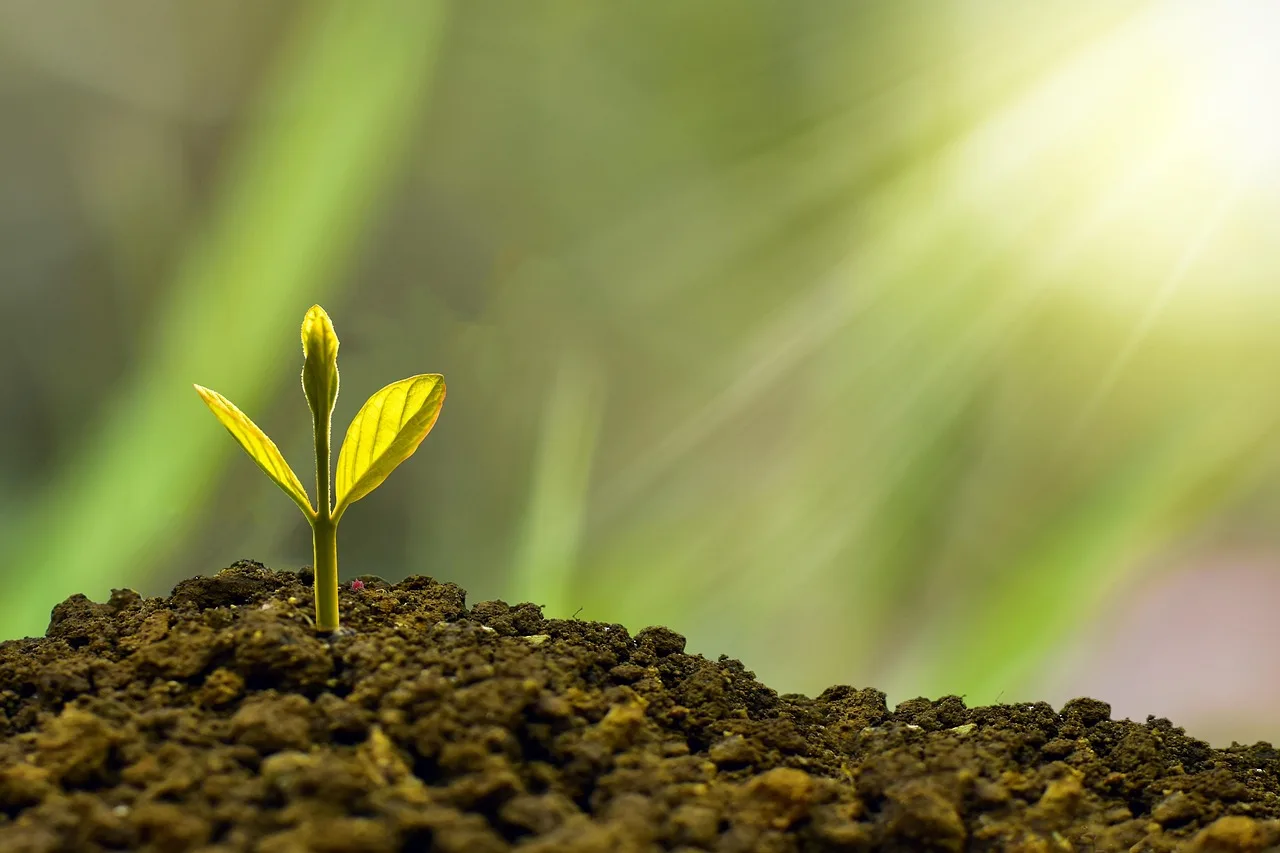
Auxin promotes cell growth and cell expansion, helps control apical dominance, and participates in phototropism. It usually moves downward from the top of the plant toward the roots. When light comes from one side, auxin redistributes, so the shaded side grows faster than the lit side.
Cell growth and cell expansion
Auxin supports growth by influencing how cells expand. That matters in stems, young leaves, and other developing tissues. Because its action depends on where the cells are and how much auxin they receive, it can encourage elongation in one context and coordinate shape in another.
Apical dominance
Apical dominance is the suppression of lateral buds by auxin from the main shoot tip. Auxin from the apical meristem helps prevent many side buds and branches from growing. When the shoot tip is removed, that suppression is reduced and lower buds can begin to grow.
Phototropism
Phototropism is growth toward light. Auxin redistribution causes differential growth, usually with more elongation on the shaded side of the stem. That uneven growth makes the shoot curve toward the light source, which improves light capture for the plant.
A common first-timer mistake is to assume a houseplant leaning toward a window is “reaching” only by stretching randomly. In many young stems, the bend is a hormone-guided growth response, not simple weakening. The directional growth is part of a controlled pattern, not a random accident.
What do gibberellin and cytokinin do?
Gibberellin and cytokinin both support growth, but they do different jobs. Gibberellin promotes stem elongation, especially between nodes on the stem. Cytokinin promotes cell division, supports formation of new organs, travels upward through the xylem, and delays senescence, the natural aging process in plants. (en.wikipedia.org)
Gibberellin and stem elongation
Gibberellins promote stem elongation between nodes on the stem. A node is where a leaf attaches to a stem, so internodes are the spaces between those attachment points. In crops such as sugar cane, gibberellin-related growth can influence stem length and overall plant stature.
Cytokinin and cell division
Cytokinins are produced in the root apical meristems and move upward with water through the xylem. Their best-known role is promoting cell division. That makes them important in tissues that are actively making new cells, especially in shoots and developing organs.
Organ formation and delayed senescence
Cytokinin also supports formation of new organs and delays senescence. In practical terms, that means it can help keep some tissues physiologically active for longer. It does not stop aging forever; it changes the timing and pace of that process.
What do ethylene and abscisic acid do?
Ethylene and abscisic acid are major plant hormone categories with especially clear stress and aging roles. Ethylene is a gaseous hormone linked to fruit ripening and senescence. Abscisic acid is linked to dormancy and water-stress signaling, and it helps the plant respond when water is limited.
Ethylene, fruit ripening, and senescence
Ethylene is unusual because it is a gas. That allows it to move through air spaces and around plant tissues without the same transport path used by waterborne signals. It is associated with fruit ripening, leaf drop, and other senescence-related changes.
Abscisic acid, dormancy, and water-stress signaling
Abscisic acid is important in dormancy and water-stress signaling. When conditions dry out, it helps the plant shift toward water-saving responses. In seeds and buds, it is also associated with keeping growth paused until conditions improve.
Plant hormones at a glance: source, movement, and effect
This comparison table gives a compact view of the five major plant hormones. It shows where each one is made, how it moves, what it mainly changes, and one common beginner misconception to correct. That format is useful for study, review, and quick comparison.
| Hormone | Main source tissue | Movement route | Core function | Common misconception corrected |
|---|---|---|---|---|
| Auxin | Apical meristem at the stem tip | Moves downward from the top of the plant toward the roots | Cell growth, cell expansion, apical dominance, phototropism | It does not always “speed up growth” in every tissue; effect depends on location and concentration. |
| Gibberellin | Growing tissues, including young shoots and seeds | Moves through plant tissues with growth signals | Stem elongation, internode length changes | It is not just a “tall plant hormone”; it affects developmental timing and stem structure too. |
| Cytokinin | Root apical meristems | Travels upward with water through the xylem | Cell division, new organ formation, delayed senescence | It is not only a root hormone; it also acts strongly in shoots and leaves after xylem transport. |
| Ethylene | Many tissues, especially ripening or aging tissues | Gaseous movement through air spaces | Fruit ripening, senescence | It is not a liquid hormone carried like auxin or cytokinin; it is a gas. |
| Abscisic acid | Stress-affected tissues, including seeds and leaves | Moves through plant tissues in response to stress signals | Dormancy, water-stress signaling | It is not simply a “growth stopper”; it helps the plant survive stress and time its dormancy. |
Common beginner misconceptions
One frequent mistake is to treat each hormone as if it has only one job. That leads to oversimplified notes and weak exam answers. Another is to ignore concentration. Hormones act in tiny amounts, and their effect can change with the tissue receiving the signal.
- Identify the hormone.
- Check the source tissue.
- Follow the movement route.
- State the main growth change.
- Note one context where the effect differs.
How do plant hormones affect growth and development?
Plant hormones affect growth and development by coordinating cell division, cell elongation, organ formation, senescence, and dormancy. They do this through local concentration differences and tissue-specific responses. That is why the same plant can be growing in one region, aging in another, and resting in a third.
Growth, shape, and timing
Growth is not only about size. Hormones influence shape, branching, leaf aging, seed dormancy, and how a plant responds to stress. A stem can elongate, a bud can stay quiet, or a fruit can ripen because a hormone signal changed at the right time and place.
Picture a young tomato plant under a bright window. The stem leans toward the light because auxin shifts to one side, the top shoot keeps suppressing some side buds, and the plant’s form changes in response to both light and internal signals. That is hormone control in action.
Frequently asked questions
what are plant hormones called
Plant hormones are called plant growth regulators or phytohormones in many textbooks. The term plant growth regulator is broader, because it includes any substance capable of controlling plant growth. In beginner study, the five main hormones are usually the first names to learn.
What do auxin, gibberellin, cytokinin, ethylene, and abscisic acid do?
Auxin supports cell growth, apical dominance, and phototropism. Gibberellin promotes stem elongation and internode length changes. Cytokinin promotes cell division and delays senescence. Ethylene is associated with fruit ripening and senescence. Abscisic acid is linked to dormancy and water-stress signaling.
What is apical dominance in plants?
Apical dominance is the suppression of lateral buds by auxin from the main shoot tip. As long as the apical meristem is active, side buds stay less active. If the shoot tip is removed, that auxin source drops and lateral buds can begin growing.