Best seasonal color schemes for botanical garden beds
Seasonal color schemes for botanical garden plantings often pair cool spring pastels, saturated summer blocks, warm autumn tones, and winter structure, with beds generally leaning toward more foliage and structure plants than flowering accents. Skip seasonal succession, and beds fade after peak bloom, colors fight under changing light, and maintenance rises as gaps, deadheads, and weak late-season interest stack up. This guide gives plant-by-plant sequences, bloom timing, foliage cues, and after-peak maintenance for spring, summer, fall, and winter display beds.
This guide is part of our Botanical gardens and plant care series.
What seasonal color schemes mean in botanical bed design


Seasonal color scheme means more than a paint-chip mood. It links a dominant hue family to a bloom window, supporting foliage color, contrast level, and a use case such as a shaded entry bed, a full-sun border, or a drought-prone slope. The same purple can read soft in spring and harsh in high summer.
How timing changes the same color family
Spring light makes pale pink, icy blue, cream, and fresh green feel open and cool. Summer sun pushes reds, oranges, and strong magentas forward, so the bed needs more green mass and fewer competing hot tones. Autumn favors gold, rust, burgundy, and bronze because fading light softens them. Winter asks for bark, berries, stems, and evergreen shape.
The plant traits that create a palette
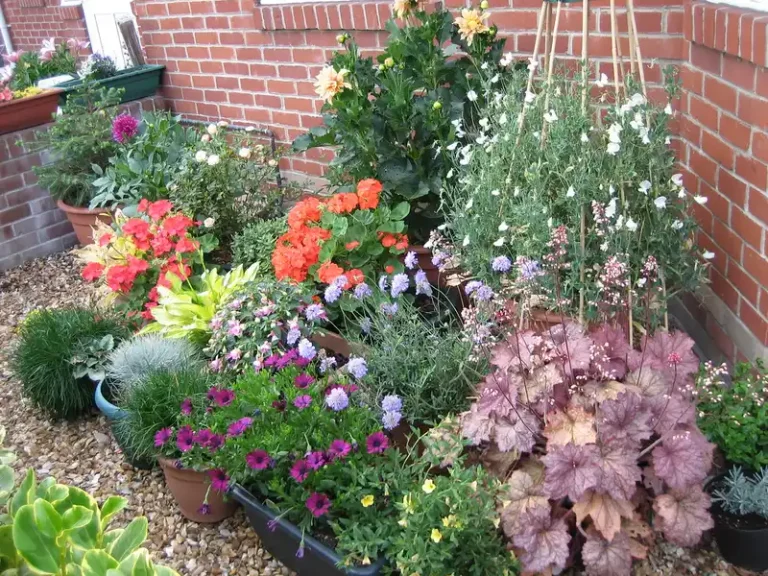
Flowers give the first color hit, but foliage keeps the bed alive after bloom ends. Silver leaves cool a bright scheme. Chartreuse lifts shade. Purple foliage deepens contrast. Variegated leaves break up heavy blocks of one hue. Shrubs and perennials hold the frame, while annuals fill gaps fast and can be replaced when one display passes.
Where each seasonal scheme works best
Use spring pastels where visitors slow down and look close. Use summer saturation in open sun where strong color can carry at distance. Use autumn warm tones along paths and borders where seedheads and foliage matter after bloom. Use winter structure at gates, corners, and beds seen from indoors, where silhouette and bark color do most of the work.
📊 The collection is framed as featuring 43 botanical color palettes and schemes. Source: 43 Botanical Color Palettes & Schemes.
How to use color theory without flattening the planting
Color theory works in planting design when you connect hue to habit. Pairing colors alone is too flat. You also need leaf texture, bloom height, repeat spacing, and the rate at which a plant finishes and hands the display off to the next one. Repetition matters because a color used once reads accidental; repeated across the bed, it reads planned.
Complementary color pairings
Complementary pairings sit opposite each other on the color wheel, such as purple with yellow or blue with orange. In a bed, that contrast is strongest when one color leads and the other acts as an accent. A common first-timer mistake is using equal amounts of both, which can look noisy instead of clear.
Analogous color pairings
Analogous schemes keep neighbors together, such as pink, coral, and red, or blue, violet, and blue-green. These beds feel smoother and work well when foliage carries part of the load. They need enough value contrast, meaning light against dark, or the planting can go muddy, especially if the flowers are all mid-tone.
Triadic schemes, contrast, and repetition
Triadic schemes use three spaced hues, such as yellow, red, and blue, but in gardens they work best when one color dominates and the other two appear in smaller repeats. Strong contrast helps from a distance. Repetition helps the eye travel. If a bed has one bold color block, repeat that color in the edge, mid-layer, and back layer.
What are the best spring color schemes for botanical garden plantings?
The best spring color schemes use soft pastels, fresh greens, and a cool-warm balance that feels light after winter. Bulbs give the first wave, early annuals extend it, and foliage keeps the bed from going blank once the main flush fades. Shade beds do best with pale blooms and brighter leaves.
Soft pastels with fresh green foliage
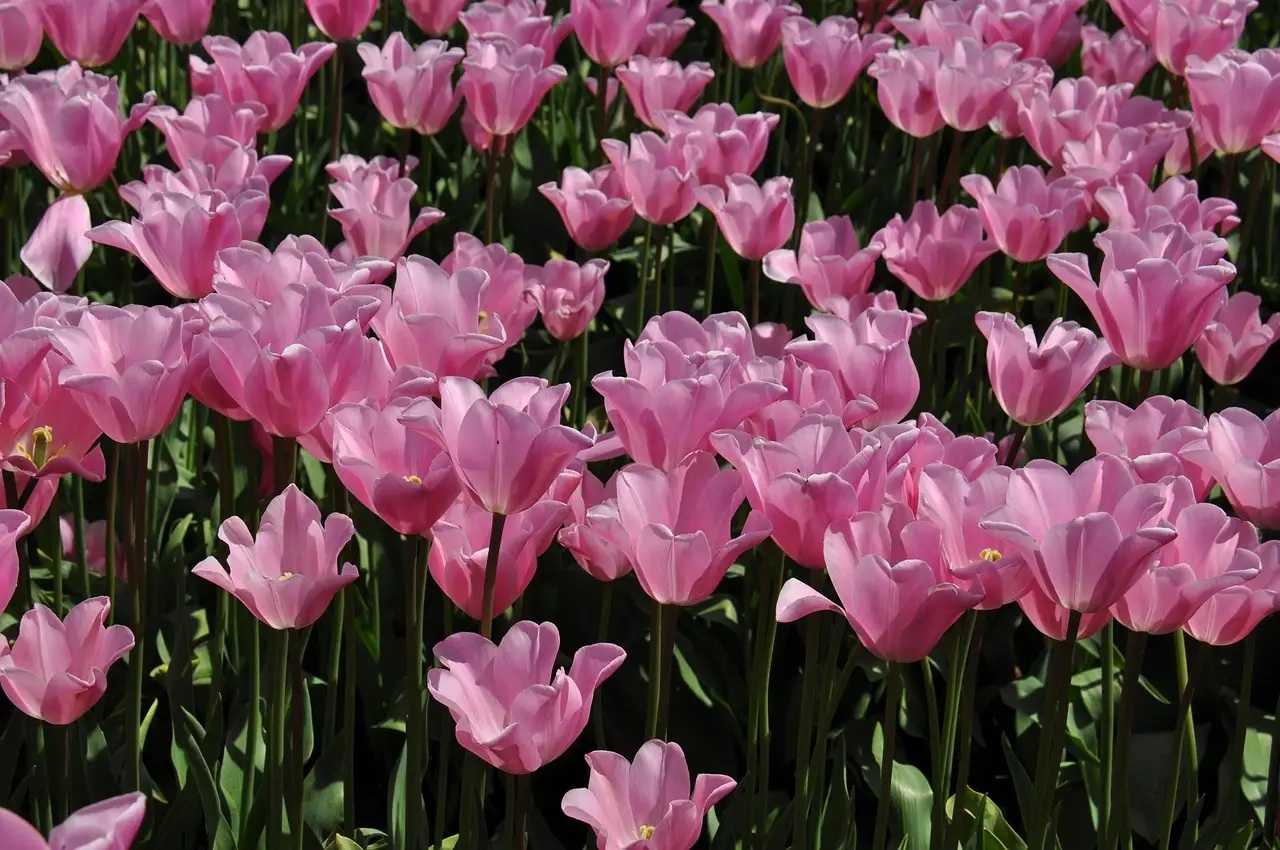
Think tulip, narcissus, hyacinth, primrose, forget-me-not, and pansy against emerging fern fronds, clipped boxwood, or chartreuse euphorbia. The green base matters because spring flowers are often narrow in bloom window. Fresh leaf growth fills the bed between bulbs, and soft pink, pale yellow, and lilac stay readable without shouting.
Bulbs, cool-warm balance, and early annuals
Bulbs should anchor the first color block, then annuals can bridge the gap. Pansies, violas, and stock add cool-to-warm range, while dusty miller or silver artemisia cools the edge. Keep warm tones contained if the bed sits in bright afternoon sun, where cream may read yellow and pink may wash out.
Spring bed recipe: one workable planting sequence
Picture a front bed of roughly this size in partial sun. Set drifts of tulips in pale pink and white behind a low edge of violas, then insert five hellebores or dwarf spiraea as lasting structure. Add creeping phlox at the front for early color, and leave room for hosta or fern unfurling to carry the bed after bulb foliage yellows.
- Plant spring bulbs in fall for staggered bloom.
- Place structure plants first, then annual fill.
- Use one foliage accent, such as silver or chartreuse.
- Deadhead spent flowers, but let foliage finish naturally.
- Swap exhausted annuals once bulb stems collapse.
What are the strongest summer color schemes for botanical garden plantings?
The strongest summer schemes rely on high-saturation blooms, full sun, and plants that hold color under heat. Mass planting density matters here because thin drifts can look patchy once flowers open unevenly. Use repeat-bloom perennials and heat-tolerant annuals, then keep a green framework strong enough to carry the bed when one flush stops.
High-saturation blooms in full sun
Zinnia, lantana, salvia, geranium, marigold, and verbena create clear color blocks in sun. Pair red with deep green, orange with blue-green foliage, or magenta with silver leaves. Keep the palette tight. Too many hot colors in one bed can flatten into glare, especially where reflected light from paving increases brightness.
Heat-tolerant annuals and repeat-bloom perennials
Annuals provide quick mass color and can be replaced through the season if one block fails. Perennials such as echinacea, daylily, catmint, and coreopsis repeat bloom and keep the bed from resetting every few weeks. In hotter sites, choose perennials that keep tidy foliage after bloom so the base does not brown out early.
Summer bed recipe: one workable planting sequence
Suppose a south-facing border gets full sun and dry wind. Use a block of orange zinnia and yellow marigold in the front third, purple salvia through the middle, and blue-green sedum at the back. Add dwarf fountain grass for movement and keep a narrow ribbon of silver foliage, such as artemisia, to cool the color balance.
What are the best autumn color schemes for botanical garden plantings?
The best autumn schemes lean on gold, rust, burgundy, and bronze, then keep interest through late foliage, seedhead texture, and fading-bloom strategy. Autumn beds should not depend on flowers alone. As bloom slows, leaves, stems, and seedheads must take over quickly or the design turns brown instead of warm.
Gold, rust, burgundy, and bronze
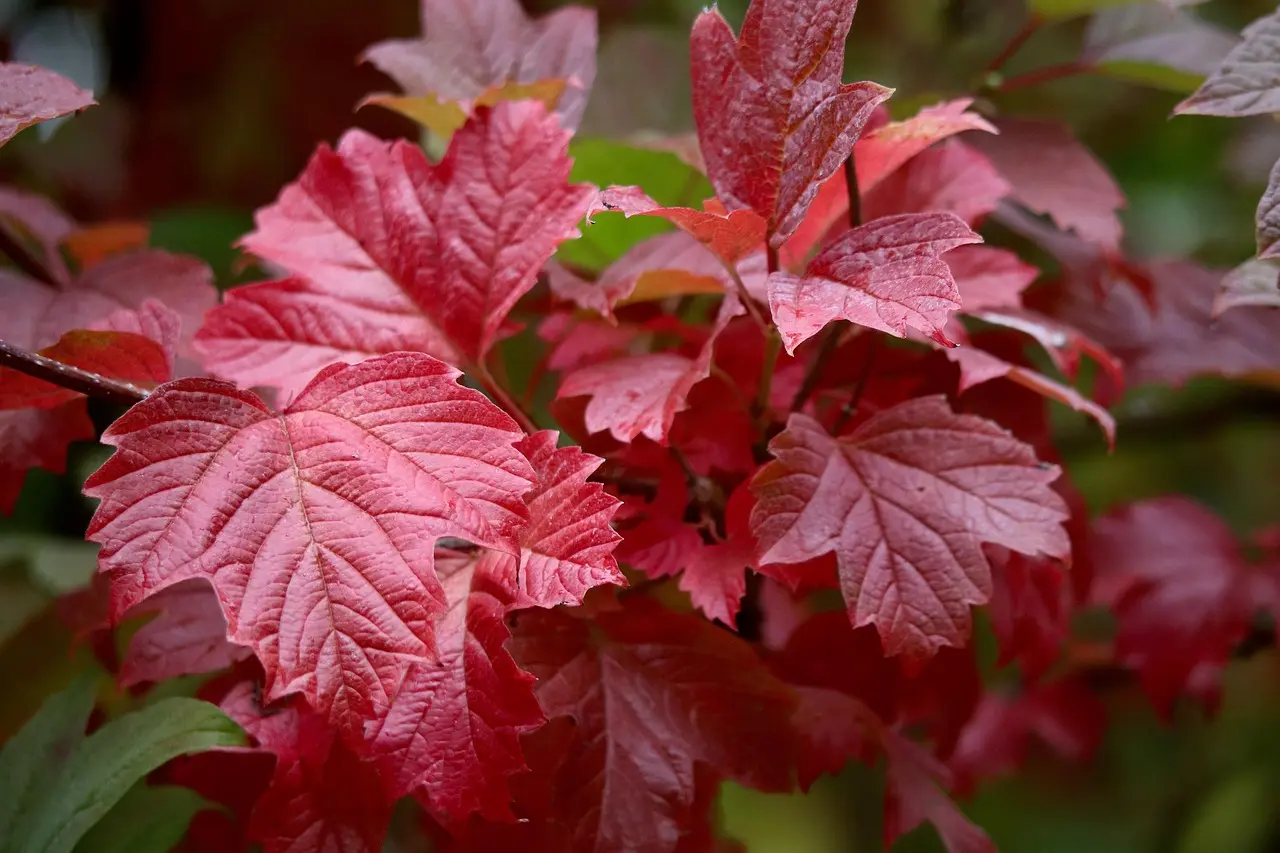
Use chrysanthemums, asters, ornamental grasses, sedum heads, Japanese maple foliage, and late rudbeckia to build the autumn layer. Burgundy foliage reads strongest beside gold and bronze. Rust tones work well with olive and dark green. If every plant turns orange, the bed loses depth, so keep one darker anchor in the group.
Late-season foliage, seedheads, and fading-bloom strategy
Leave coneflower heads, allium stems, sedum umbels, and grass plumes standing into late fall, or until frost, birds, and weather have taken their toll. Cut back only when the seedheads no longer contribute. Fading bloom strategy means you plant for the handoff: flowers first, then seed texture, then foliage color, then structure.
Autumn bed recipe: one workable planting sequence
Use burgundy fountain grass at the back, golden mums and yellow rudbeckia through the middle, and bronze heuchera at the front edge. Add asters for blue-violet contrast, then leave coneflower seedheads in place. A low band of evergreen thyme or dwarf euonymus keeps a green line under the warm foliage.
How do you keep a botanical garden colorful in winter?
Winter color comes from evergreen structure, bark, stems, berries, and contrast with hardscape. Flowers are optional here; shape is not. A winter bed works when it still looks planned after frost drops petals and leaves. The best designs keep one strong evergreen mass and one bright secondary feature, such as red stems or berries.
Evergreen structure and hardscape contrast
Boxwood, holly, pine, juniper, hellebore leaves, and bergenia create the main body of winter beds. Their color reads best next to stone, brick, gravel, or snow. Hardscape contrast matters because winter light is low and shadows are long. Without a clear outline, green plants can disappear into the background.
Bark, stems, berries, and silhouette
Red-twig dogwood, paperbark maple, winterberry holly, ornamental grasses, and contorted hazel add visible winter color without bloom. Place them where winter sun can catch the stems. Silhouette matters more than density now, so avoid overclipping shrubs into shapeless blobs. Keep some open spacing so stems and berries stand apart.
Winter bed recipe: one workable planting sequence
Use a compact evergreen shrub as the backbone, then insert red-stemmed dogwood in a repeating line behind it. Add winterberry holly where conditions allow fruit set, and keep ornamental grass clumps standing for texture. A silver-leaved evergreen or variegated groundcover can brighten the lower edge when frost dulls the rest.
Seasonal planting matrix: color schemes, plant types, and maintenance

This matrix turns palette language into planting decisions. It links hue family, bloom window, foliage color, contrast level, and maintenance load so you can choose a bed that fits your site and your upkeep schedule. Use it as a planning sheet before you buy plants or draw the bed layout.
| Seasonal scheme | Timing | Dominant hue family | Supporting foliage color | Contrast level | Best-use context | Maintenance level |
|---|---|---|---|---|---|---|
| Spring | Bulbs, then early annuals and perennials | Soft pastels | Fresh green, silver, light chartreuse | Low to moderate | Partial shade, entry beds, close-view borders | Moderate; deadhead and remove bulb foliage late |
| Summer | Late spring through heat | High-saturation reds, oranges, pinks, purples | Deep green, silver, blue-green | Moderate to high | Full sun, mass plantings, traffic-heavy beds | High; water, deadhead, replant annual gaps |
| Autumn | Late bloom, foliage color, seedheads | Gold, rust, burgundy, bronze | Olive, dark green, fading green, purple | Moderate | Paths, borders, views from inside and out | Moderate; cut back after seedheads finish |
| Winter | Evergreen season and dormant structure | Green, red stems, berry red, bark tan | Evergreen, gray-green, variegated white-green | High against hardscape | Entrances, corners, exposed beds, formal spaces | Low to moderate; selective pruning and cleanup |
Maintenance level and refresh timing
Plan swaps before the bed looks tired. Annuals may need replacement once the first flush thins. Perennials may only need deadheading. Shrubs need seasonal pruning rather than constant cutting. Edging matters because a clean border makes even a simple color block read deliberate. Cut back only when the next layer is ready to carry the bed.
Sample bed recipes by season
Spring: tulips, pansies, hellebores, creeping phlox, and a silver foliage edge. Summer: zinnia, salvia, lantana, sedum, and dwarf grass. Autumn: mums, asters, rudbeckia, heuchera, and fountain grass. Winter: boxwood, red-twig dogwood, winterberry holly, hellebore leaves, and standing grass plumes.
What plants give the strongest seasonal color impact in botanical displays?
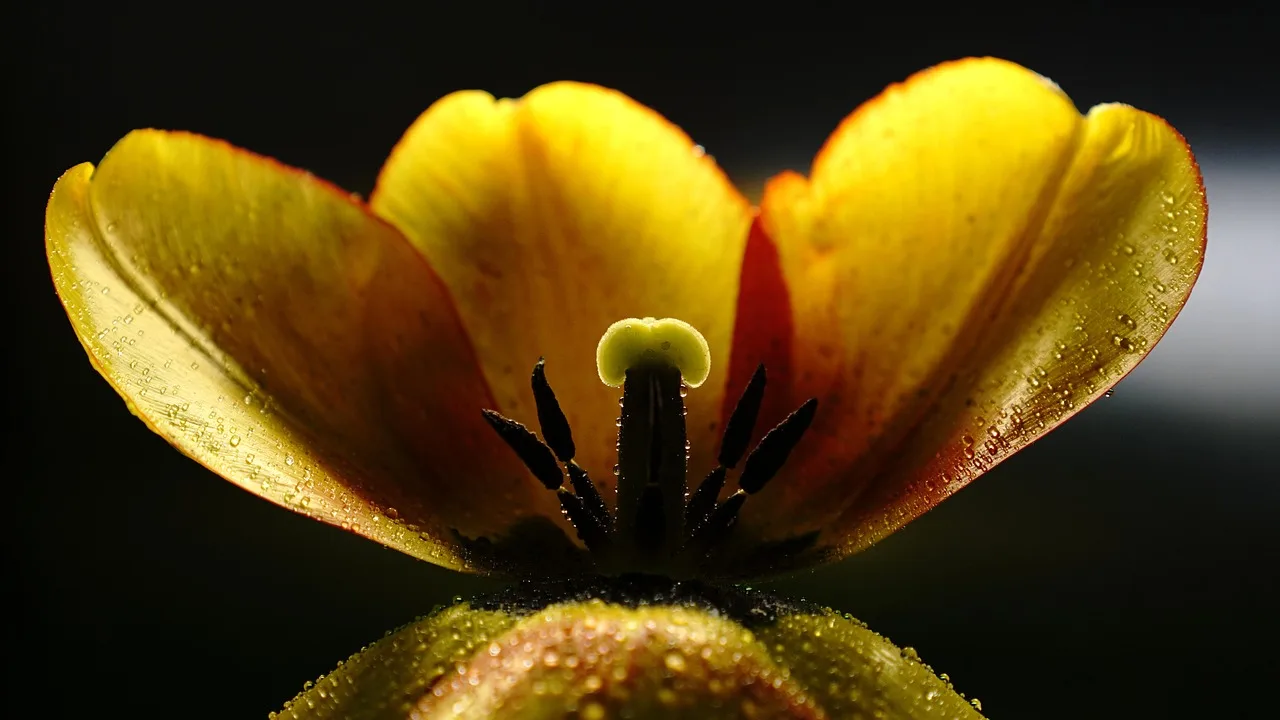
The strongest seasonal color impact usually comes from plants that hold one job well: bulbs for spring arrival, annuals for fast mass color, perennials for repeat bloom, shrubs for structure, and foliage plants for continuity. The best display beds mix those roles so color continues after the flowers peak and fade.
Foliage plants as year-round structure
Silver, chartreuse, purple, and variegated foliage plants are the stabilizers of seasonal design. They keep contrast visible when bloom drops off. Use silver in hot sun to cool a bed. Use chartreuse to lift shade. Use purple where bright flowers need a dark foil. Use variegated leaves to break large blocks of green.
Blooming annuals as fast seasonal fill
Annuals are the quickest way to fill holes and align a bed to a season. They are useful where a bulb crop ends before summer planting begins or where a display needs immediate mass. Because they finish fast, keep a replacement plan ready. In public beds, that often means a seasonal swap every few months.
Perennials and shrubs as seasonal anchors
Perennials and shrubs hold bloom windows, structure, and maintenance timing together. A repeat-bloom perennial can bridge spring to summer. A shrub can carry a bed through winter. Choose varieties with clean post-bloom foliage, because that is what the bed shows after the flowers are gone. Without that anchor, the palette collapses.
Say your front border is 10 feet long and sits in dappled shade. A pastel spring mix of tulips, violas, and hellebores will read clearly there, but a hot orange summer block will fade into the trees. The fix is simple: shift summer color toward magenta, silver, and blue-green foliage, then keep the same structural shrubs in place.
Picture a drought-prone strip along a gravel path. A muddy mix of peach, brick red, and olive can look dull if the light is flat. Swap in stronger contrast: purple salvia, yellow yarrow, silver artemisia, and a dark evergreen edge. The bed will still need water to establish, but the colors will read cleanly from the path.
Frequently asked questions
How do I choose a color palette for spring, summer, fall, and winter garden beds?
Start with site conditions, then choose a dominant hue family and one supporting foliage color. Shade beds usually suit softer spring tones and brighter leaves. Full sun can carry stronger summer color. Drought beds need silver, gray-green, and tough structure. Winter beds need evergreen form and bark or berry contrast.
Which plant colors look good together in a botanical garden?
Complementary pairs like purple and yellow, or blue and orange, create strong contrast. Analogous groups like pink, coral, and red feel softer. The key is balance. Let one hue lead, repeat it across the bed, and use foliage color to keep the planting from becoming too flat or too noisy.
How do I keep a botanical garden colorful all year?
Use a layered plan: bulbs and annuals for quick color, perennials for repeat bloom, shrubs for anchor structure, and foliage plants for continuity. Replace annuals before they fail, deadhead spent flowers, and cut back only when the next layer is ready. That sequence keeps the bed active after the first flush ends.
What color combinations work in shade, sun, or drought-prone plantings?
Shade works best with pale blooms, chartreuse, silver, and clean whites that do not disappear in low light. Full sun can handle saturated reds, oranges, and magentas, especially with dark green or silver foliage. Drought-prone beds need restrained palettes with gray-green, blue-green, and strong structural plants to avoid visual chaos.
How do I avoid clashing seasonal flower colors in a garden design?
Limit the number of hot hues in one view, and keep value contrast high enough to separate blooms from foliage. Avoid mixing equal amounts of warm and cool flowers unless one color is clearly secondary. Repetition helps too. If a color appears only once, it often looks accidental rather than planned.