Gardening Techniques for Overwintering Tender Plants
Choose the overwintering method by matching the plant’s hardiness, your indoor space, and your winter lows: move frost-tender container plants inside, store dormant tubers and bulbs cool and dry, or wrap borderline shrubs for one zone of extra protection. Skip that match and you can lose roots, buds, and a full season of growth to freeze damage or rot. This guide shows how to pick the right technique and the exact storage or wrapping setup for each case.
Match frost timing to storage method and plant type
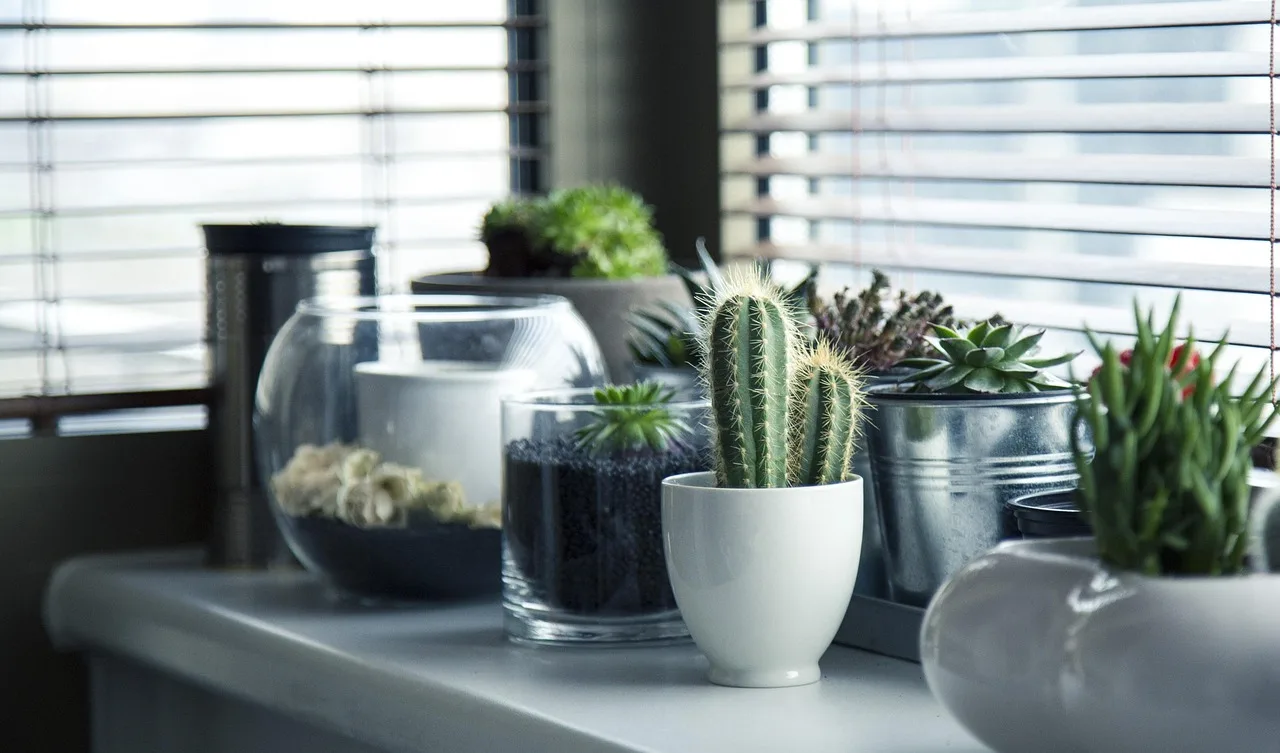
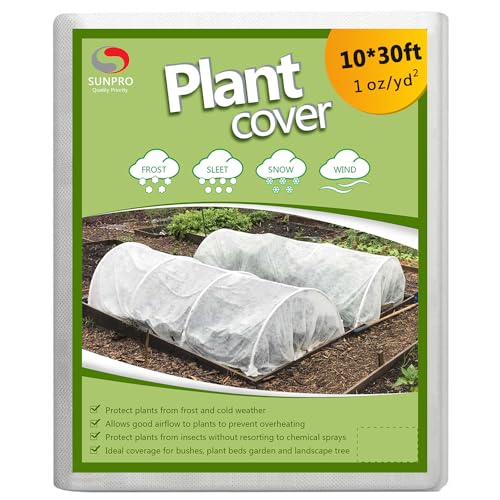

Tender plants can include nonhardy and borderline hardy plants such as tropicals, tender perennials, shrubs, bulbs, corms, tubers, and rhizomes. They need protection from frost, cold, wet, and wind, and the right method depends on whether the plant can rest through winter or must keep growing.
USDA hardiness zones help you judge how much winter risk a plant faces in the ground, but they do not replace local frost timing. A Zone 6 garden with an early first frost needs a different schedule than a sheltered urban yard that stays mild into late fall.
Use first frost as your deadline. Bring plants in before the first frost, wrap outdoor plants at the first warning of frost, and unwrap in spring only after severe frost danger has passed. That timing matters as much as the material you use.
Space, labor, and failure risk should guide the choice too. Dormant storage is cheap and compact, but it fails fast if the plant stays wet. Warm, bright overwintering takes more room and light. Outdoor wrapping saves floor space, yet it can rot in wet weather if air and drainage are poor.
What you’ll need
- Clean pots, saucers, and labels
- Pruners or shears for cutting back tender growth
- Hand fork or spade for lifting bulbs, tubers, and rhizomes
- Dry storage boxes, paper bags, or ventilated trays
- Peat-free dry packing material, if you normally use one for storage
- Bright windowsill space or a shelf for supplemental light
- Grow light for dim rooms
- Heating pad for a bright setup that needs extra warmth
- Watering can with a narrow spout
- Heavy fleece or row cover
- Chicken wire or a rigid frame for larger plants
- Straw, bracken, hessian, and netting
- Waterproof cap material for wet sites
- Thermometer for checking storage temperatures
Tender plants decision table
| Plant type | Winter exposure | Indoor space | Moisture risk | Recommended method |
|---|---|---|---|---|
| Tropical foliage plant in a pot | Outdoor frost or cold wind | Sunny room available | Moderate | Warm bright overwintering |
| Tender perennial that can rest | Borderline winter, sheltered patio | Cool cellar or garage | Low if kept dry | Dormant storage |
| Dahlia tuber | In-ground after hard freeze | Dry box or tray space | Low to moderate | Dormant storage after drying |
| Canna rhizome | In-ground after hard freeze | Dry storage area | Moderate | Dormant storage after lifting |
| Borderline shrub or banana in the ground | Mild wind, light frost, root zone exposed | No spare indoor space | High in wet soil | Outdoor wrapping with frame and insulation |
| Small banana in a pot | Frost risk plus indoor access | Frost-free greenhouse or conservatory | Moderate | Cool bright overwintering or frost-free protected space |
If a plant must keep leaves and active growth, choose bright overwintering. If it can go dormant, choose cool dark storage. If it is too large to move and can tolerate a little winter protection, wrap it outside.
How do you move plants indoors?
Bring tender container plants indoors before the first frost, inspect them for pests first, and cut back only what the plant type tolerates. Put the plant where its light needs match the room, because weak indoor light is a common reason for failure.
- Check the forecast for the first frost warning and move plants inside before that night.
- Inspect stems, leaf undersides, and pot rims for insects, eggs, and webbing.
- Trim only damaged or excess growth that the plant can spare.
- Set the plant in the right overwintering zone: dormant, cool bright, or warm bright.
- Water lightly, then feel the soil again before you water more.
Warm bright overwintering fits plants that need a sunny windowsill or similar light. Rotate pots every few weeks so stems do not lean toward one side. Water when the soil dries near the surface, not on a fixed calendar.
A sunny south window is generally better for a hibiscus in a 10-inch pot than a dark basement. If a sunny south window is available, that plant is better off in warm bright overwintering than in a dark basement, where it will drop leaves and struggle to recover.
How do you store bulbs and tubers?

Dig and dry tender storage organs after hard frost or after the foliage collapses, then keep them cool, dark, and only lightly moist if the species needs any moisture at all. Dahlia tubers and canna rhizomes are the standard examples, but the same logic applies to many tender roots.
- Cut foliage back after a hard freeze for dahlias, or after the first hard freeze for cannas.
- Lift the clump carefully so you do not nick the storage tissue.
- Shake off loose soil and let the pieces dry in air.
- For dahlia tubers, dry them for 24 to 48 hours before storage.
- Store the roots around 40°F to 50°F in a cool, dry location.
- Label each batch before you box it up.
The Northern Plains guidance for cannas and dahlias is to leave them in the ground for five to seven days after cutting back foliage, which gives the underground parts time to settle before lifting. That step matters most in dry weather and well-drained soil.
Keep dormant material in a cool, dark place with minimal watering. Wet packing, sealed containers, or warm storage push roots toward rot. If a box feels damp, open it and increase airflow before the tissue softens.
How do you protect plants outdoors?
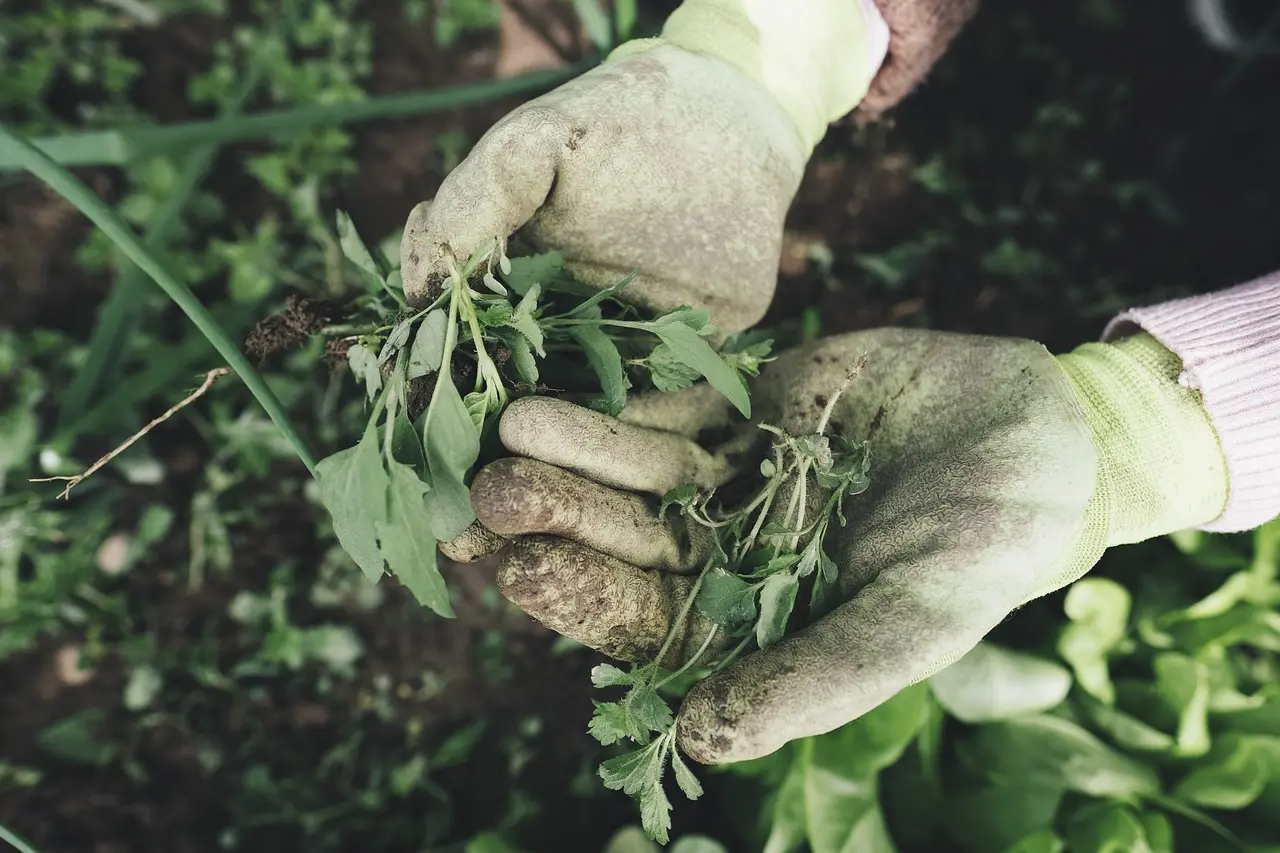
Wrap outdoor plants when moving them indoors is impractical and the plant can accept a layer of winter insulation. Use heavy fleece or row cover for frost protection, then support it with chicken wire or a rigid frame so wind does not crush the covering.
- Build the frame or cage before the weather turns severe.
- Fill the cage with straw or bracken around the crown and stems.
- Cover the outside with hessian or fleece and secure it with netting.
- Use a waterproof cap in wet climates so the insulation does not soak through.
- Vent or lift the cover during mild weather, then close it again before frost returns.
RHS advises winter wrappings at the first warning of frost, usually between September and November. Heavier grades of fleece give about 2°C of protection from frost. Remove wrappings in stages or on a dull day after severe frost danger has passed.
For bananas, RHS recommends a frost-free greenhouse or conservatory for small plants. For larger ones outdoors, use a cage packed with straw or bracken and topped with hessian or fleece. That setup works best where the root zone drains well and the air is not trapped under wet cover.
Picture a border banana in heavy clay soil. A loose fleece wrap alone will not solve the problem if rain keeps the crown wet. A frame, dry insulation, and a waterproof top reduce that risk far better than a single layer of cover.
Common mistakes
Rot, shriveling, and leggy growth usually trace back to the storage method, not the plant itself. Most failures come from too much water, too little light, or covers left on after the weather turns mild.
- Rot: Reduce watering, improve airflow, and check that boxes and wraps are not trapping rain.
- Desiccation: If tubers wrinkle or stems shrivel, add a little humidity or a barely moist packing layer, then recheck in a few days.
- Light stress: Move plants closer to a bright window or add a grow light when shoots stretch.
- Pest carryover: Inspect stems and leaf joints before storage, then again after about two weeks indoors.
One practical adjustment is to add 1 inch of dry packing material or insulation at a time, then check the plant again after a week. That small increment is usually enough to correct a borderline dry setup without tipping it into damp rot.
Frequently asked questions
How do I overwinter tender plants without a greenhouse?
Use the plant’s needs, not the structure, to decide the method. A sunny window works for warm bright overwintering, a cool basement or garage suits dormant storage, and an outdoor frame with fleece or straw fits large border plants that cannot be moved inside.
When should I bring tender plants indoors for winter?
Bring them in before the first frost, not after damage shows. If your local forecast keeps dipping near freezing, move pots first and delay pruning until the plant is under cover. That timing protects roots and reduces shock from cold night air.
Should I cut back tender plants before overwintering them?
Only cut back what the plant type can lose safely. Tubers, rhizomes, and many dormant perennials are usually cut back before storage, while leafy houseplant types often keep some growth. Overcutting can weaken the plant; undercutting can create extra moisture and pest problems.
What is the best way to store dahlias for winter?
Cut dahlia tops after a hard freeze, dry the tubers for 24 to 48 hours, and store them in a cool, dry spot around 40°F to 50°F. Keep them dark, label the clumps, and inspect for soft spots before packing them away.
How do I keep overwintered plants from rotting indoors?
Cut watering way back, keep air moving, and do not leave pots in cold water. Check the soil before each watering instead of following a fixed schedule. If stems soften or the pot smells sour, move the plant to a drier, brighter spot at once.
When do I unwrap or move tender plants back outside in spring?
Wait until severe frost danger has passed, then unwrap in stages or on a dull day. Move indoor plants out gradually, starting with a few hours in shade before full sun. That slow return helps prevent leaf scorch, wind damage, and sudden growth shock.