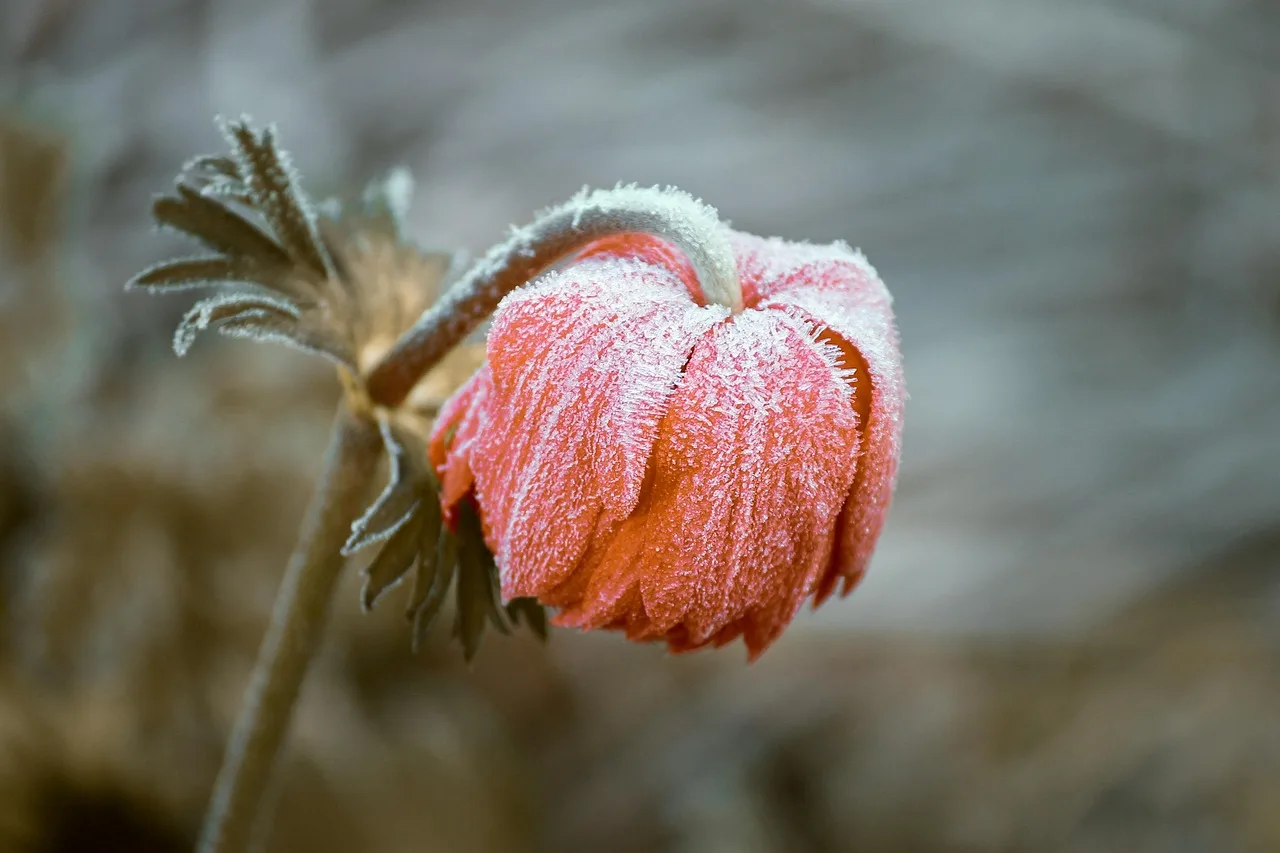
Gardening Tips for Frost Protection on Tender Plants
For tender plants, act at 40°F and below: water in the morning, cover before dusk, move pots under shelter at 36°F to 32°F, and accept losses on truly frost-tender species if a hard freeze is forecast. Miss the timing and you can get blackened foliage, split stems, and dead roots overnight. This guide gives you a temperature-by-temperature frost-response plan for annuals, tropicals, herbs, seedlings, and potted plants, based on extension guidance and weather-service frost definitions.
What you’ll need


- Row cover or frost cloth
- Stakes, hoops, or other supports to keep fabric off foliage
- Mulch for in-ground root zones
- Labels for moved pots and dug tubers
- Pot saucers or trays for indoor moves
- A tote, crate, or box for carrying small containers
- Pruners or snips
- Paper bags, mesh bags, or shallow trays for drying tubers
- Potting mix or fresh dry medium for overwintering storage, if needed
When should you act on a frost forecast?
Start acting the evening before the low temperature may reach 40°F, especially if the forecast calls for clear sky, calm wind, or a low-lying site. The National Weather Service distinguishes frost from freeze by how close air temperatures get to 32°F; a light frost often develops in the 36°F to 32°F range under calm, clear conditions, while a hard freeze is colder and more destructive. For pots, move sooner because containers lose heat faster than garden soil and the root zone has less insulation.
Use the temperature band
- 40°F to 36°F: Water in the morning, gather covers, and stage pots near the door.
- 36°F to 32°F: Cover beds and move container plants to a porch, garage, or indoors.
- 32°F to 28°F: Treat this as a hard-freeze warning for tender plants; move, dig, or write off the least hardy species.
- Below 28°F: Protect only plants with a real overwintering plan. Most tender foliage will not rebound.
Picture a patio with basil in a 12-inch pot, geraniums in another container, and dahlias in a bed. At 36°F, the basil and geraniums should move to shelter first, while the dahlias stay in place with mulch until digging time. One temperature, three different actions.
Check exposure before dusk
South-facing walls, porches, and other windbreaks buy time by reducing radiative heat loss. Open beds, roof edges, and exposed decks cool faster. If the site is windy, act one band earlier than you would in still air. This matters most during a radiational frost night, when calm air and clear skies let exposed surfaces lose heat rapidly to the sky.
How do you know if a plant is tender, half-hardy, or frost-hardy?
Use the label, the zone, and the plant’s growth behavior together. Tender plants usually have no reliable frost tolerance, even if they look strong in warm weather. Half-hardy plants may take a light frost but not a hard freeze. Frost-hardy plants are bred or adapted to keep growing after light frosts and, in many cases, to survive repeated near-freezing nights.
Read the label and the zone first
Look for words like tender, tropical, annual, or houseplant on tags and seed packets. Those are clues that the plant should be protected before freezing weather. If a label gives a USDA hardiness zone, compare it with your location, but do not assume the zone alone tells the whole story: many edible annuals and ornamentals are grown outside their winter survival range as seasonal crops.
Use plant behavior as a second cue
Broad, thin, fleshy, or glossy leaves are often less forgiving than small, waxy, or naturally cold-adapted leaves. Plants that collapse, blacken, or turn translucent after a brief chill are usually tender. Plants that keep their stems firm and only show minor tip burn are more likely to be half-hardy or frost-hardy. Seedlings of almost any crop are more vulnerable than established plants because their tissues are softer and their root systems are smaller.
Match the category to the likely response
Tender plants should be moved, dug, or abandoned before freezing temperatures settle in. Half-hardy plants can often be saved with covers, windbreaks, or a short stay under shelter. Frost-hardy plants usually stay in place, though even hardy crops may need protection in a strong freeze, exposed site, or container.
How do you protect tender plants overnight?

Cover in-ground plants before frost starts to form on leaves and soil, move containers to shelter or indoors, and use mulch only where the roots are meant to stay in the ground. The right move depends on plant type and setting. A frost cloth helps foliage plants. A garage or bright indoor spot helps pots. Mulch helps roots, not leaves. Extension guidance also notes that frost cloth and row cover are limited tools: they buy degrees of protection, not immunity from a deep freeze.
Night-before frost checklist
- Check the forecast low and note whether clear sky, calm wind, or valley location raises frost risk.
- Water beds and pots earlier in the day if soil is dry.
- Bring in or stage container plants before sunset.
- Set out frost cloth, stakes, hoops, twine, and clips.
- Cover in-ground plants before temperatures reach freezing.
- Keep fabric off leaves and make sure edges reach the ground.
- Move label tags, tools, and dig supplies where you can grab them fast.
- Set aside a place for pots, tubers, and cut foliage if you need to move them inside.
Cover plants without crushing foliage
- Set hoops, stakes, or an upturned frame over the plant.
- Lay frost cloth or row cover over the supports before dusk.
- Secure the edges so cold air cannot pour in from below.
- Leave fabric loose above the leaves; do not press it onto stems.
- Remove or vent the cover the next morning if the sun warms quickly.
Can row covers protect tender plants from frost? Yes, for a light frost, if the fabric stays off the leaves and reaches the ground on all sides. They are better for in-ground beds than for tall, floppy tropicals. They are not a rescue plan for a hard freeze, and extension sources generally caution that row cover performance drops as temperatures fall further below freezing.
Move container plants to shelter or indoors
Container plants need more urgency because their root zone is exposed on every side. USDA notes that small spaces like a windowsill or balcony can work, and a south-facing window is a common indoor overwintering spot. Before you move pots inside, inspect leaves, stems, and pot rims for insects. (USDA)
Reduce watering after the move. Containers still dry out, but they do not need the same schedule as summer pots. Indoor overwintering generally means slower growth, lower water demand, and better results in bright, cool conditions than in warm, dark rooms.
Use windbreaks to buy time
If a plant cannot be moved, place it beside a wall, porch, fence, or hedge that blocks wind. This does not create warmth. It simply slows heat loss enough to help a cover work better and can extend the cold snap protection window through a cold night.
What should you do by plant type?
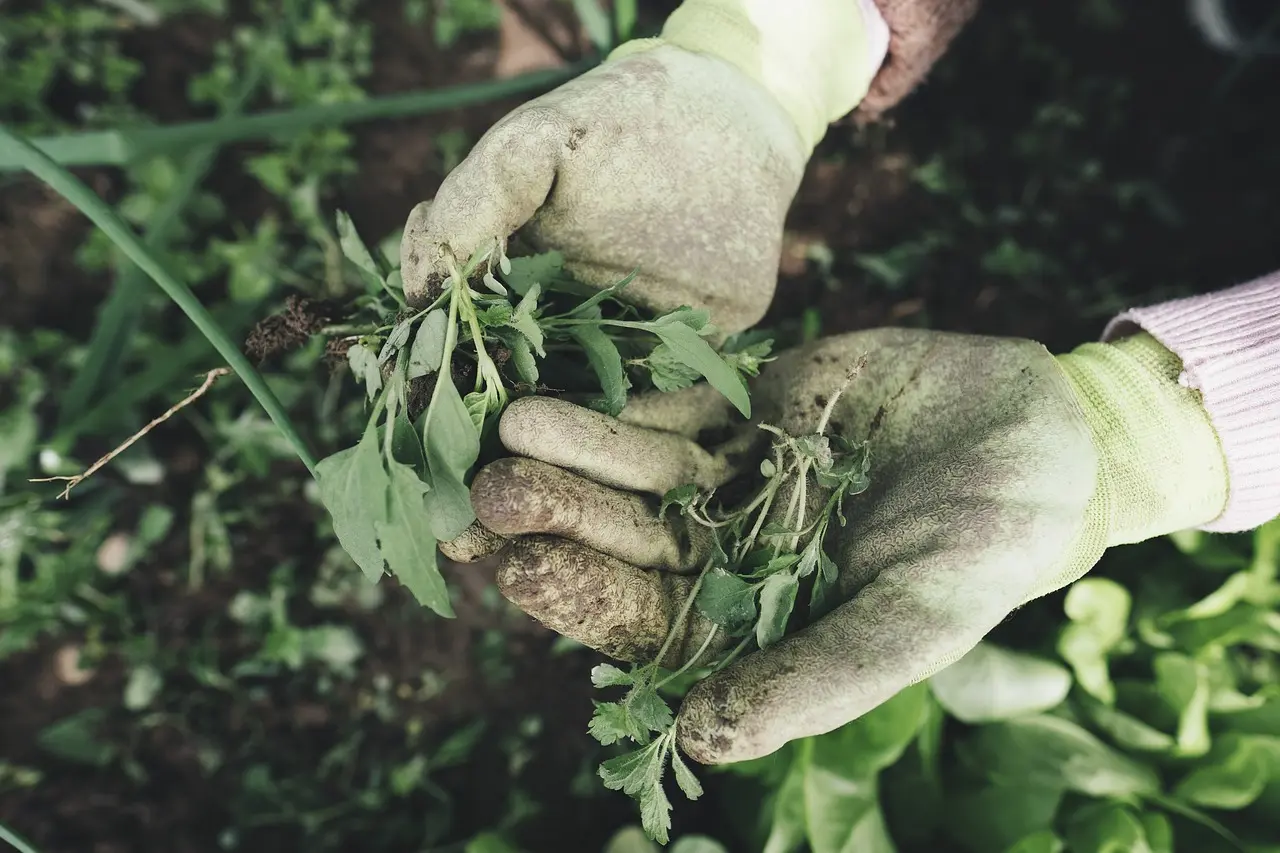
Split your decision by plant type, not by habit. Tender foliage plants, tropicals, herbs, tender perennials, and tuberous plants do not all need the same response. Begonias, agave, dahlias, bananas, rosemary, Malabar spinach, and Mexican sour gherkin fall into different frost-response buckets.
Tender foliage plants and tropicals
Begonias and bananas usually need the fastest response. If frost is forecast, move containers indoors or under deep shelter before the first drop in temperature. For in-ground tropicals in marginal climates, cover for a light frost only. If a hard freeze is coming, expect severe damage or loss.
Some gardeners choose to relocate agaves indoors before cold weather. That makes sense for potted specimens and smaller plants that can still fit through a door. Large ground-planted agaves may need a very different plan, and some are best left to the site’s normal winter limits.
Tender herbs and soft-stemmed plants
Herbs such as rosemary can sit on the border between hardy and tender. If the forecast is only a light frost, a cover may be enough in a bed. If the pot sits outside, move it sooner because the root ball cools faster than the surrounding soil.
Malabar spinach and Mexican sour gherkin are tender crops that need earlier action than hardy greens. Treat them like frost-sensitive vines: cover for a brief light frost, but move or end the crop if repeated freezes are coming.
Tender perennials and tuberous plants
Dahlias are a special case. The top growth can die with frost, yet the tubers may still be worth saving. That is why some gardeners dig and overwinter them rather than discard them. Mulch can hold a little warmth in the bed, but it is not enough for tender species that should be dug or moved.
Frost response matrix
| Temperature band | Plant type | Best action | Setting |
|---|---|---|---|
| 40°F to 36°F | Tender herbs, begonias, tropicals | Prepare covers; water early; stage pots for movement | Bed or container |
| 40°F to 36°F | Half-hardy annuals, seedlings, soft herbs | Cover beds at dusk; move pots to a porch or garage; keep fabric off leaves | Bed and container |
| 40°F to 36°F | Frost-hardy greens and established cool-season crops | Usually leave in place; use cover only if exposure is strong or wind is high | In-ground |
| 36°F to 32°F | Container plants, soft-stemmed annuals | Move pots indoors or to a porch; cover beds | Container and in-ground |
| 36°F to 32°F | Half-hardy vegetables, tender herbs, bedding plants | Cover before dusk; in exposed sites, move the most valuable pots inside | Bed and container |
| 32°F to 28°F | Frost-tender annuals, bananas, begonias | Move indoors or cut losses if too large to save | Mostly containers |
| 32°F to 28°F | Half-hardy plants in exposed beds | Cover, but expect damage on leaf tips and tender stems; prioritize moving pots | Bed and container |
| Below 28°F | Truly frost-tender species | Do not rely on mulch alone; dig, store, or discard | Bed or container |
| Below 28°F | Frost-hardy perennials and cool-season crops | Leave in ground if established; add insulation around roots only if the site is exposed | In-ground |
| After first frost | Dahlias and other tubers | Wait for top kill if needed, then dig and dry tubers | In-ground |
Do you need to dig up dahlias before frost?
Often, yes. Dahlias are usually dug after frost has nipped the top growth, not before the first cool night. That gives the tubers time to finish a season’s cycle. Once frost blackens the stems, cut the tops back, lift the clump, dry it, and store it in a cool, dry place. Extension recommendations commonly time digging after the foliage is killed back but before soil turns cold and wet enough to invite rot.
When to wait and when to dig
- Let a light frost take the foliage if the tubers are mature.
- Cut stems down after the top growth collapses.
- Lift the tubers carefully so the necks do not snap.
- Brush off excess soil and let them dry out of direct sun.
- Store them in a dry medium or dry tray where they will not rot.
If a dahlia has weak tubers, poor bloom, or signs of rot, replacement may be the better call. Saving every clump is not always worth the space, time, or storage risk.
What should you do after frost?
After a cold night, check damage before you water heavily or prune hard. Frozen covers can stick to leaves. Some plants only look damaged at the top, while others have lost their growing points. The first morning after frost is for triage, not cleanup.
Gardening triage checklist
- Wait until ice or frost has thawed before touching brittle leaves.
- Lift covers gently and only after the sun or air has warmed them enough to release.
- Check whether stems are still firm or have gone limp and watery.
- Look for blackened, translucent, or collapsed tissue.
- Keep plants with firm stems on a watch list; do not prune them immediately.
- Move surviving container plants back to bright light, but keep them cool.
- Remove obviously dead annuals or tender vines that will not recover.
- Reassess in a day or two before cutting more on borderline plants.
Check for frozen covers and leaf damage
- Lift row cover only after the sun reaches the fabric, if possible.
- If the cover is frozen to foliage, let it thaw before pulling.
- Look for limp stems, translucent leaves, and blackened tips.
- Mark plants that still have firm stems for later recovery.
Triage damaged plants the next morning
For example, basil in a patio box may look dark and collapsed after a 30°F night. That is a write-off. A rosemary plant with browned tips may still hold usable stems. Cut only the dead parts once the tissue is fully thawed, then reassess in a day or two. For borderline perennials, wait until you can tell whether new growth points are still alive before making a bigger pruning cut.
Adjust watering and indoor care after moving plants inside
Move containers into bright light or a cool room and cut watering back. Keep the soil slightly moist, not wet. Inspect for pests again after a few days indoors, because insects often hide under leaves and in pot rims before a move. If a plant came inside with damp soil, let the top layer dry before watering again to reduce rot risk.
One short prevention note: label the pots and dig list before the first cold snap. That makes the next frost night faster.
Common mistakes
Missing the timing is the biggest problem. A cover put on after frost begins traps cold leaves under cold fabric. Move or cover before dusk, not after midnight. If you wait until the sky has already cooled, the plant may already be damaged.
Another mistake is letting frost cloth sit directly on foliage. That can transfer cold and crush stems under the weight of wet fabric. Use stakes or hoops. A third mistake is treating mulch like a full winter plan for tender species. It helps roots in beds. It does not rescue a plant that should be indoors or dug.
Frequently asked questions
How do I protect tender plants from frost overnight?
Cover in-ground plants before dusk, move potted plants to shelter at 36°F to 32°F, and use a south-facing wall or porch to reduce heat loss. For a hard freeze, do not rely on mulch alone. Tender species that cannot handle cold should go indoors or be dug.
When should I cover plants before a frost?
Cover the day before the forecast low reaches freezing, and preferably while it is still above 32°F. If wind or clear sky is part of the forecast, start even earlier. A dry, loose cover put on before dusk works better than a rushed cover after temperatures drop.
What is the best way to save tender plants from a hard frost?
Move containers indoors, or move them to a protected porch or garage if light still reaches them. For in-ground plants, a cover may help only briefly. For truly frost-tender species, the best option may be to dig, store, or replace them instead of trying to push through the freeze.
Should I move tender container plants indoors for frost?
Yes, if the plant is frost-sensitive and the container can be moved safely. Pots cool faster than beds because the root zone is exposed on all sides. Put them in a bright window or cool room, water less often, and inspect for pests before they come inside.
What plants need frost protection in the fall?
Begonias, bananas, agave in containers, rosemary in marginal spots, Malabar spinach, Mexican sour gherkin, and many tender herbs need protection. Dahlias need a different plan because the tubers can often be saved after frost. If a plant is tender, do not wait for the first hard freeze to decide.
How long can tender plants stay outside in cold weather?
Only as long as the overnight low stays above the plant’s tolerance and the setting gives real protection. Containers need to come in sooner than beds. If the forecast drops to 32°F or below, the safe window is short, and a hard freeze can end that window quickly.
Sources
- USDA People’s Garden gardening advice, for indoor overwintering basics, pest checks before bringing plants inside, and bright window placement.
- National Weather Service frost and freeze guidance, for the common temperature range that supports frost formation and the difference between frost and freeze conditions.
- University extension frost-protection guidance, for row-cover use, the limits of light fabric protection, radiational frost behavior, and the need to keep fabric off foliage.
- University extension dahlia-overwintering guidance, for waiting until top growth is frost-killed before digging, then drying and storing tubers.
- University extension container-plant overwintering guidance, for the faster cooling risk in pots compared with in-ground plantings.