Gardening Tips for Edging Garden Beds Like a Pro
Use a straight spade or half-moon edger to cut a trench about 2 to 4 inches deep. For most beds, that depth is enough to create a vertical boundary that holds up between touchups, but turf type, soil, and climate can change the ideal interval. Then match the edging material to the bed: flexible edging for curves, steel or stone for straight runs, and no edging where you want a natural line. Skip this step and grass creeps in, mulch spills out, and you spend more time re-cutting the border. This guide covers the best edging options for common bed types and the fastest way to keep the line sharp all season.
What does clean edging do for a garden bed?


Clean edging creates a visible boundary, slows grass creep, and keeps mulch where you place it. A vertical cut also gives you a maintenance line you can refresh without reworking the whole bed. In practice, that means less tidying, fewer spills into the lawn, and a border that stays readable through the season.
What should the edge accomplish?
- Define the boundary between turf and planting space
- Hold mulch inside the bed instead of letting it spill into the lawn
- Create a vertical cut that slows grass encroachment
- Support a repeatable maintenance routine through the season
What tools do you need to edge a garden bed?
A half-moon edger or straight spade does the cutting, while a string trimmer only cleans the lawn side after the edge is set. Add gloves, eye protection, and a way to mark curves or straight runs. The right tools make the cut cleaner and reduce the chance of scalping turf or collapsing the border.
- Half-moon edger for a clean vertical cut
- Spade for wider trench edges and broken lines
- String trimmer for finishing only on the grass side
- Gloves
- Eye protection
- Marking paint, hose, or rope for curved layouts
- Rake or gloved hand for removing loose soil and clipped turf
- Mulch for topping up after the edge is reset
How do you edge a garden bed like a professional?
Start by marking the line, then cut a vertical edge 2 to 4 inches deep and clean up the lawn side after the cut is established. A manual cut gives the bed its shape; trimming alone usually only blurs the boundary. Finish by clearing debris and pulling mulch back from the lip so the edge stays visible.
- Lay out the line with a hose for curves or a taut string for straight runs.
- Set a half-moon edger or spade on the turf side of the line.
- Press down with your body weight, then lift out a strip of turf and soil.
- Repeat the cut in the same groove until the trench is 2 to 4 inches deep and nearly vertical.
- Use a string trimmer only to clean the grass edge after the cut, keeping the head on the lawn side so you do not scalp the turf.
- Rake out loose clippings, then pull mulch back from the lip and add only what is needed to restore the border.
Why does the vertical cut matter?
A shallow scrape leaves roots connected across the boundary, so grass rebounds quickly. A vertical cut breaks that connection and creates a cleaner maintenance line. The goal is not a narrow decorative groove. It is a border you can re-cut with less work next time.
What if grass has already invaded the bed?
If lawn runners have pushed several inches into a bed, a light trim will not fix the problem. Remove the invaded strip with a spade, then re-cut the new edge at full depth. Once the line is open again, reset mulch on the bed side only and keep the lawn side clear.
Which edging method works best for your bed type?
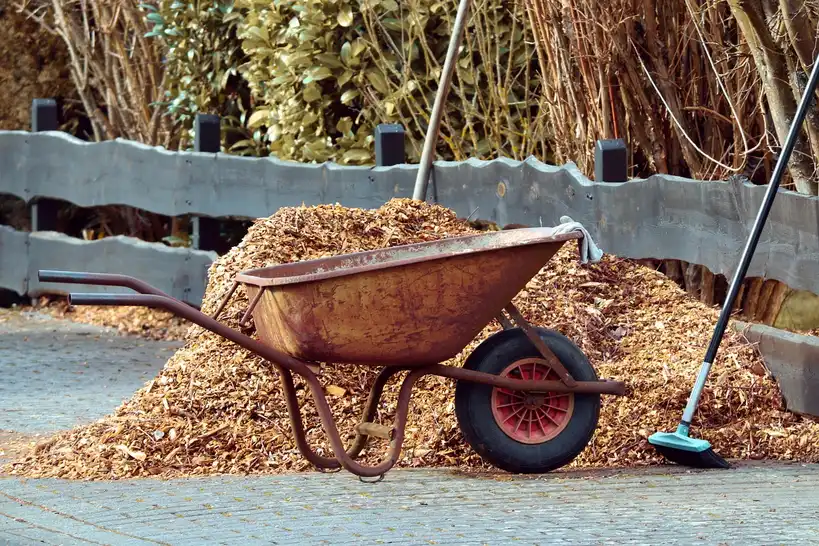
Choose edging by bed type first, then by how much upkeep you will tolerate. Flexible materials suit curves. Steel and stone work well where the line is straight or formal. A mulch-free trench edge is often the least fussy choice for natural borders and many vegetable beds, especially where you want easy access for cultivation and cleanup.
How do steel and aluminum edging compare?
Steel edging has a thin profile, holds a crisp line, and works well on straight runs and modern beds. It is usually set below grade so only a narrow top edge shows. Durability is strong, but finish and rust resistance matter, especially in wet climates. Aluminum is lighter and easier to shape, though it can bend more easily than steel.
How do brick and stone edging compare?
Brick or stone gives a durable border and fits formal garden styles, but the base must be level or the line will shift. That makes installation slower. Once the base settles unevenly, the edge can rock, open gaps, or trap mower wheels. It is a good choice where appearance and permanence matter more than speed.
How do plastic edging and trench edges compare?
Plastic edging is flexible and budget-friendly, which makes it useful for curved beds and simple layouts. Its tradeoff is lower stiffness and more visible movement over time, especially in heat or soft soil. A mulch-free trench edge skips installed material entirely and can be the easiest option to refresh with a spade each season.
Which choice works best around vegetable beds?
For vegetable beds, a mulch-free trench edge or a low, simple border is often easier to maintain because you can rework the edge without disturbing crops. Avoid heavy decorative edges that make cultivation harder. A narrow, clean trench also helps when you need to move compost or mulch in and out quickly.
What edging method should you choose?
| Method | Best bed type | Soil firmness | Maintenance level | Lawn encroachment risk | Installation difficulty |
|---|---|---|---|---|---|
| Steel edging | Straight ornamental beds | Firm to medium | Low | Low | Moderate |
| Aluminum edging | Curved or straight beds | Firm to medium | Low | Low to moderate | Moderate |
| Brick edging | Formal beds and paths | Firm | Moderate | Low to moderate | High |
| Stone edging | Formal or mixed borders | Firm | Moderate | Low to moderate | High |
| Plastic edging | Curved beds | Medium to soft | Moderate | Moderate | Low to moderate |
| Mulch-free trench edge | Natural borders and vegetable beds | Medium to firm | Moderate to high | Moderate | Low |
A common first-timer mistake is picking a decorative border for a bed that gets trimmed every week. On a 30-foot straight run, that can mean more repair work than the planting bed needs. A simple steel strip or trench edge usually holds up better where the lawn pressure is steady.
How do you keep grass out of beds?
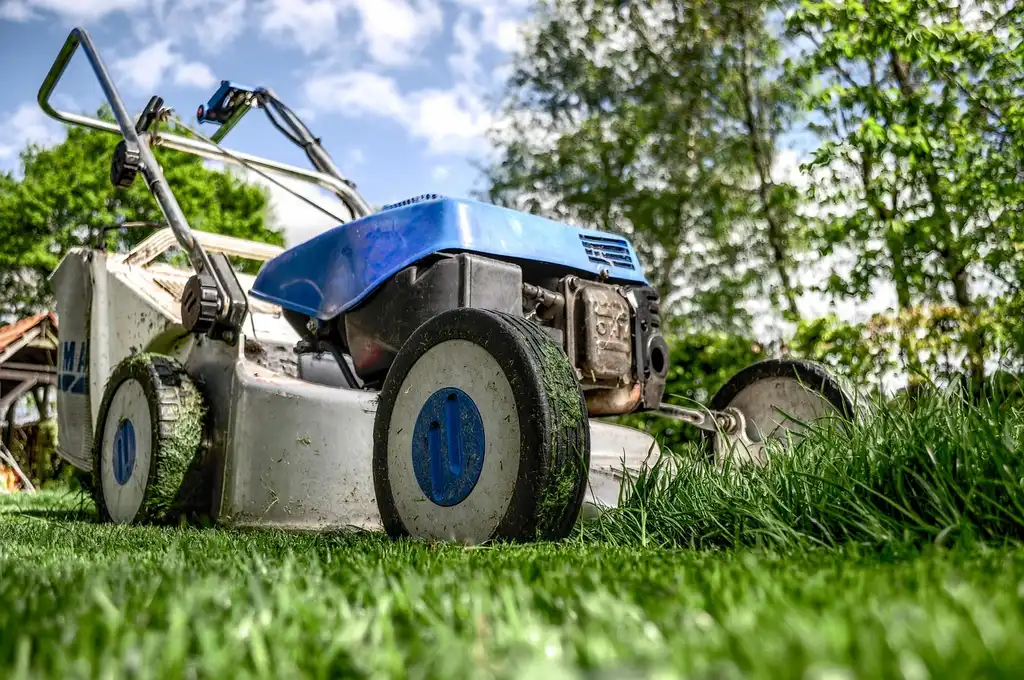
Keep the border visible, trim from the lawn side only, and refresh the edge before runners spread far into the bed. A maintained trench or vertical cut reduces how often you need to dig back into the planting area. Mulch helps too, but it works best when the edge itself is holding the line.
How should you trim the edge?
Keep the string trimmer on the grass side of the line. That reduces the risk of scalp damage to turf and keeps the bed edge from turning wavy. Wear eye protection, since clipped soil and gravel can kick back from the edge line.
How should you use mulch near the edge?
Mulch helps define the edge visually, but its retention depends on edge height and shape. A flat or shallow border lets mulch spill into the lawn more easily. Keep mulch depth around 2 to 3 inches in ornamental beds, and avoid piling it against stems or over the edge lip. For more detail, see mulch depth guidance.
When should you avoid landscape fabric?
Landscape fabric is usually a poor fit where beds need frequent reworking, where roots should expand naturally, or where drainage has already been inconsistent. It can also make maintenance harder if grass rhizomes, roots, or debris knit through the material. In those settings, a clean trench and regular mulching usually work better than a barrier layer.
Where can landscape fabric make sense?
Landscape fabric can work in limited, low-disturbance installations where the bed shape is fixed and access is straightforward. It is most defensible when the planting plan is stable, the soil drains well, and the top layer is maintained so the fabric stays covered. Even then, it should be treated as one part of the system, not a substitute for edging or weed removal.
How does landscape fabric interact with mulch and edging materials?
Fabric can sit beneath mulch, but it does not replace a defined edge. Mulch still needs a border to keep it in place, and permanent edging still needs clean soil contact and a maintained line. If the border is loose or the fabric is exposed, debris collects and the bed becomes harder to refresh.
What are the drainage and rooting tradeoffs?
Landscape fabric can slow water movement and reduce the ease of root growth through the bed, especially if soil structure is already compacted. That can be a drawback for long-term planting health. In beds where drainage, replanting, or soil improvement matters more than weed suppression, a fabric-free design is often easier to manage.
When is the best time to edge?
Edge when growth is active and soil is slightly moist, not soggy. Spring and early summer are usually the easiest times to edge, since turf is often actively growing and cuts are cleaner. In hot dry spells, hard soil can require more force; in very wet periods, cuts may smear and slump. Turf type and climate can change the best timing, so use the local growing season as your guide.
What time of year works best?
In many regions, the most practical time to edge is during active turf growth, when the lawn responds quickly and the cut holds shape better. Avoid frozen or saturated soil because the trench tends to crumble or smear. If the bed is newly installed, a first clean-up cut is usually easier after the surrounding turf has settled into a normal growth pattern.
How often should you re-cut?
For fast-growing turf in warm climates, a common rule of thumb is a touchup about every 4 to 6 weeks during active growth. Cooler climates may allow that interval to stretch to about 6 to 10 weeks. The line is easier to maintain if you re-cut before grass rhizomes fully cross into the bed.
Can you edge a garden bed without a power edger?
Yes. A half-moon edger, spade, or sharp trenching tool can produce a cleaner border than a powered trimmer alone. Manual edging takes more effort, but it is often better for curved beds, small jobs, and precise maintenance work. The key is a vertical cut, not a shaved grass line.
What if you only have hand tools?
A half-moon edger is the simplest option for most beds, especially if the soil is slightly moist. A spade works well for repair work, broken edges, and longer straight sections. If the lawn edge is already uneven, make the first pass by opening the line, then make a second pass to square it up.
How do you use a string trimmer safely if you do not have an edger?
A string trimmer can maintain the lawn side of an existing edge, but it should not be the main shaping tool. Keep the head on the grass side and make light finishing passes only after a manual cut is already in place. That limits turf damage and helps the edge stay readable instead of scalloped.
What are the most common edging mistakes?
The biggest errors come from using the wrong tool for the job, cutting too shallow, and assuming a permanent border needs no base prep. Fix those and maintenance gets easier. Most problems show up early as waviness, mulch spill, or grass that starts creeping under the lip.
- Do not use a string trimmer as the main shaping tool; it finishes the edge, but it does not create a true vertical cut.
- Do not cut only an inch or two deep; 2 to 4 inches gives the border more staying power.
- Do not skip a level base under brick or stone, or the edge will shift and trap debris.
- Do not push mulch over the border; keep the lawn edge visible so you can see creep early.
- Do not force repeated cuts in frozen or saturated soil; wait for workable moisture.
What safety and ergonomics matter most?
Half-moon edging takes stepping force, so plant your feet carefully and switch sides often on long runs. Repeated passes are easier if the blade stays sharp. For straight sections, a spade with a broad, sharp blade can reduce the number of cuts. For long jobs, take breaks before your stance gets sloppy. For tool comparisons, see lawn edging tools and steel edging installation.
How do you keep weeds down in bed edges?
Weed control works best when the edge stays open, mulch stays at a steady depth, and debris is removed before it becomes a seedbed. The border itself is only part of the system. If the edge is buried or clogged, weeds have a foothold and the line gets harder to maintain.
How does edging help with weed control?
A clean edge makes it easier to spot weed pressure early and remove it before it spreads. It also keeps grass runners from hiding under mulch or overhanging the bed. For broader bed strategy, see weed control in beds.
How do vegetable beds change the maintenance approach?
Vegetable beds usually need easier access for cultivation, compost topdressing, and seasonal reset work. That makes a simple trench edge or low border more practical than a heavy decorative wall. For related guidance, see vegetable bed maintenance.
Frequently asked questions
What is the best tool for edging garden beds?
A half-moon edger is best for a clean vertical cut, especially in moist soil. Use a spade for wider trench repairs and straight runs. A string trimmer should be the last step on the grass side, not the tool that defines the border.
How deep should I cut a garden bed edge?
A common target is 2 to 4 inches deep. Shallower cuts blur faster because roots stay connected across the line. If the bed has heavy turf pressure, cut to the deeper end of that range and keep the wall as vertical as the soil allows.
Should I use steel, stone, brick, or plastic edging?
Choose steel for thin, durable lines; stone or brick for formal beds with a level base; and plastic where curves matter and budget is limited. For vegetable beds, a simple trench edge often makes maintenance easier than a heavier permanent border.
How do I keep grass from growing into flower beds?
Cut a vertical edge, keep mulch off the lawn side, and re-cut before runners spread far into the bed. If the grass has already crossed the border, remove the invaded strip with a spade and reset the trench before topping up mulch.
How do I edge curved garden beds neatly?
Use a hose or rope to trace the curve, then make shorter overlapping cuts with a half-moon edger. Flexible edging or a trench edge usually follows curves more easily than brick or stone. Keep the depth even so the curve looks intentional, not wobbly.
Sources
- https://extension.umn.edu/lawn-care/mowing-and-edging-lawns
- https://extension.psu.edu/landscape-fabric-does-it-work
- https://extension.okstate.edu/fact-sheets/mulching-landscape-plants.html
- https://hgic.clemson.edu/factsheet/mulch-in-the-garden/