How Close Should Plants Be To House In California
California’s diverse climate and unique fire risk make landscaping around homes a complex issue. Homeowners, property managers, and landscaping professionals must consider not only aesthetics but also building codes, wildfire safety, pest control, foundation integrity, and water conservation. The question “How close should plants be to a house in California?
” is more than a matter of taste, it’s essential for property protection, ecosystem health, and legal compliance. In my experience as a property consultant, I’ve seen how thoughtful plant placement can mean the difference between a resilient home and one at risk.
With California facing increasing threats from wildfires and drought, the space between your home and plants is critical. While lush greenery can boost curb appeal and provide shade, improper placement can inadvertently create pathways for fire, pests, and moisture damage.
The right approach balances beauty with safety and sustainability, blending local regulations with practical landscaping strategies. This guide provides a comprehensive look at the optimal plant-to-house distance in California, informed by current building codes, expert recommendations, and environmental best practices.
Key Takeaways
- Minimum clearance for plants from homes in California is generally 5 feet, but local fire and building codes may require more.
- Defensible space is vital; maintaining 0-5 feet of noncombustible material next to structures is recommended for wildfire safety.
- Foundation protection and pest prevention are enhanced by keeping plants away from siding and vents.
- Drought-tolerant landscaping and proper spacing support water conservation and reduce maintenance.
- Regular inspection and pruning of plants near homes are necessary to ensure ongoing safety and compliance.
- Homeowners should consult local agencies and professionals for site-specific guidance.
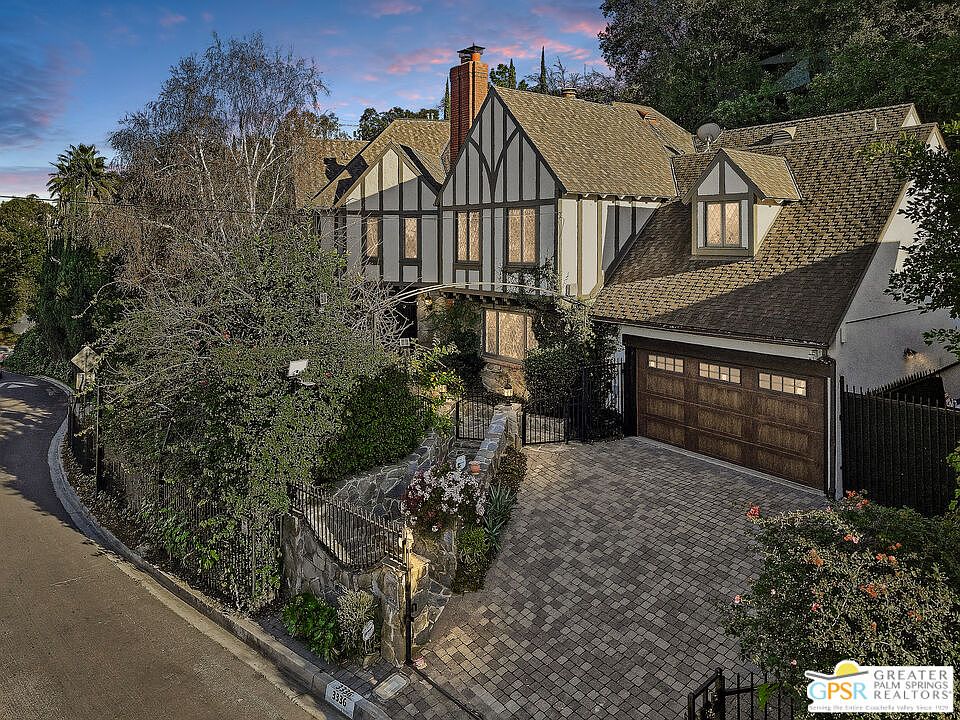
Credit: www.zillow.com
California Building Codes And Fire Regulations
Understanding how close plants can be to a house begins with California’s building and fire codes. These standards are enforced to protect properties, especially in areas prone to wildfires and earthquakes.
Defensible Space Laws
California Public Resources Code Section 4291 mandates that homeowners in wildfire-prone areas maintain defensible space around structures. The law divides the area into two zones:
- Zone 1 (0-30 feet from structures): Requires removal of dead vegetation and spacing of plants to minimize fire risk.
- Zone 0 (0-5 feet from structures): The latest updates, known as the “ember-resistant zone,” recommend no plants, mulch, or combustible materials within the first 5 feet of a structure.
Local fire departments may have stricter rules. For example, Marin County and Los Angeles County extend these guidelines, sometimes requiring up to 30 feet of lean, clean, and green space depending on the terrain and vegetation.
Building Code Considerations
The California Residential Code (CRC) and International Wildland-Urban Interface Code (IWUIC) outline further requirements, including:
- Minimum clearance between tree canopies and structures.
- Restrictions on overhanging branches.
- Prohibition of flammable plants near vents, roofs, or decks.
Pro Tip: Always check with your local fire authority or planning department before landscaping. Requirements can vary by city and county.
Insurance And Legal Implications
Some insurance providers in California require defensible space as a condition of coverage. Failing to comply may result in higher premiums or denial of claims after a wildfire.
Data Table: Minimum Required Clearances By Region
| Region | Zone 0 (0-5 ft) Rules | Zone 1 (5-30 ft) Rules |
|---|---|---|
| Statewide (Cal Fire) | No plants or mulch | Prune/space, remove dead plants |
| Los Angeles County | Noncombustible only | 10 ft between trees, 3x bush height |
| San Diego County | No woody plants | Horizontal/vertical separation |
Foundation Protection And Structural Concerns
Proper plant-to-house distance does more than reduce fire risk, it also protects the physical integrity of your home. The wrong plants or poor placement can threaten foundations, walls, and building systems.
Moisture And Drainage Issues
Plants located too close to the house can:
- Trap moisture against siding, leading to wood rot or mold.
- Disrupt drainage patterns, causing water to pool near foundations.
- Increase the risk of basement or crawlspace flooding.
Pro Tip: Ensure a minimum 2% slope away from the house for at least 6 feet to direct water away from the foundation.
Root Infiltration
Large shrubs and trees planted close to foundations can:
- Invade and crack concrete.
- Disrupt underground utilities (water, sewer, gas lines).
- Cause uneven settling or heaving of walkways.
A general rule is to plant trees no closer than half their mature height to the house. For example, a tree that will reach 30 feet tall should be at least 15 feet away.
Pest Control
Dense plantings against walls provide shelter and travel routes for:
- Ants, termites, and other insects.
- Rodents like mice and rats.
Maintain a 12-18 inch gap between vegetation and siding to reduce pest problems.
Case Example: Homeowner Foundation Damage
A homeowner in Sacramento planted boxwoods directly against their stucco foundation. Within five years, moisture from irrigation and trapped leaves led to mold growth and $7,000 in remediation costs. Afterward, they re-landscaped with gravel and drought-tolerant plants set back 3 feet, resolving the issue.

Credit: www.ocregister.com
Wildfire Risk: Defensible Space And Ember-resistant Landscaping
California’s history of devastating wildfires has led to strict guidelines for defensible space, the buffer zone that slows or stops the spread of fire to structures.
The Ember-resistant Zone (0-5 Feet)
This area should be kept as noncombustible as possible. Best practices include:
- No bark mulch, wood chips, or flammable plants.
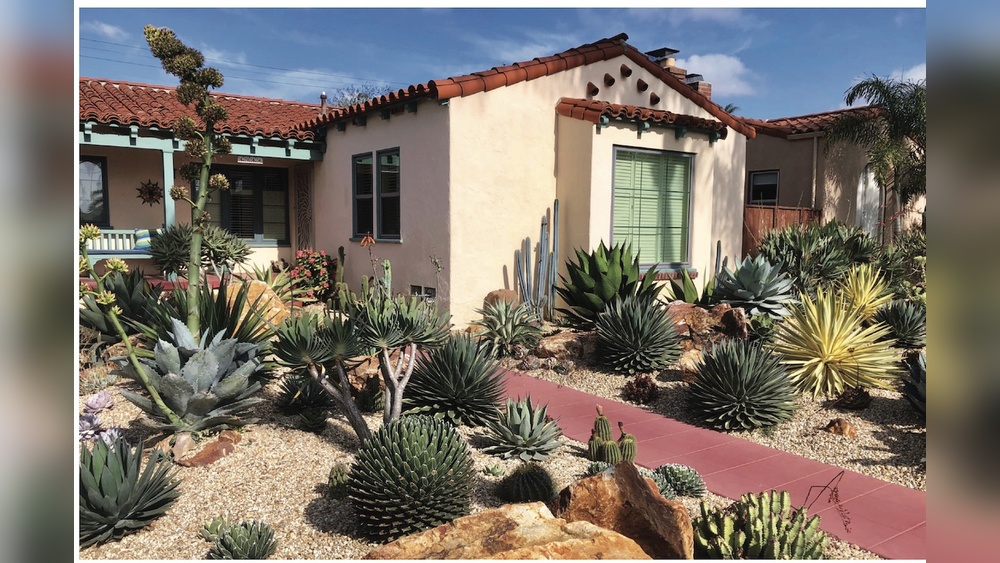
- Use hardscape materials like gravel, stone, or concrete.
- Replace wood fences with metal or masonry sections where they meet the house.
Spacing For Shrubs And Trees
In Zone 1 (5-30 feet):
- Space shrubs at least twice their mature width apart.
- Tree canopies should be at least 10 feet from each other and from the house.
- Prune lower tree branches at least 6 feet from the ground.
Plant Selection
Choose fire-resistant species such as:
- California lilac (Ceanothus)
- Toyon (Heteromeles arbutifolia)
- Manzanita (Arctostaphylos)
Avoid highly flammable plants like juniper, pine, and eucalyptus.
Data Table: Fire-resistant Vs. Flammable Plants
| Plant Name | Fire Resistance | Recommended Distance from House |
|---|---|---|
| Manzanita | High | 5+ feet |
| Lavender | Moderate | 3+ feet |
| Juniper | Low | 10+ feet |
| Pine | Low | 30+ feet |
Real-world Example: Paradise, California
During the 2018 Camp Fire, homes with well-maintained defensible space often survived while neighboring properties with dense, close plantings were destroyed. Cal Fire’s post-incident reports highlight the critical importance of spacing and plant selection.

Credit: www.vvdailypress.com
Water Conservation And Sustainable Landscaping
California’s recurring droughts make water-wise landscaping a necessity. Plant spacing affects not only safety but also water use and ecosystem health.
Drought-tolerant Planting
Native and drought-adapted species require less frequent irrigation and are less likely to cause moisture-related foundation problems. Proper spacing prevents overcrowding, reducing competition for limited water and nutrients.
Mulching And Hardscape
Use noncombustible mulch (such as rocks or decomposed granite) within 5 feet of the house. Beyond 5 feet, organic mulch can help retain soil moisture and suppress weeds, but should be kept at least 18 inches from walls.
Irrigation Best Practices
- Use drip irrigation to target root zones and minimize water waste.
- Avoid overhead sprinklers near the house to prevent siding and foundation moisture.
Pro Tip: Group plants with similar water needs together (“hydrozoning”) and maintain open areas between clusters to reduce water use.
Example: Santa Monica Water Conservation Project
The City of Santa Monica replaced turf and closely planted shrubs with spaced native gardens, reducing outdoor water use by 30% and improving compliance with local fire ordinances. The success of this initiative is detailed in the city’s annual water report (City of Santa Monica).
Plant Spacing Guidelines By Plant Type
Different types of plants require different distances from the house. The following section provides practical spacing recommendations for common landscaping categories.
Trees
- Small ornamental trees (under 20 ft mature height): Plant at least 8-10 feet from the house.
- Medium trees (20-40 ft): Minimum 15-20 feet from the house.
- Large shade trees (40+ ft): At least 30 feet from the house.
Select slow-growing, deep-rooted species less likely to damage foundations.
Shrubs
- Low-growing shrubs (under 4 ft tall): 3 feet from siding.
- Medium shrubs (4-8 ft): 5 feet from siding.
- Tall hedges (over 8 ft): 8-10 feet from the house.
Prune regularly to maintain airflow and visibility.
Groundcovers And Perennials
- Maintain an 18-inch gap between groundcovers and exterior walls.
- Use noncombustible mulch in this zone to suppress weeds and retain moisture.
Vines And Climbing Plants
- Do not allow vines to attach directly to siding or eaves, as they can trap moisture and provide pest access.
- Train on separate trellises placed at least 1 foot from the wall.
Table: Recommended Minimum Distances
| Plant Type | Recommended Minimum Distance from House | Key Reason |
|---|---|---|
| Small Tree | 8-10 ft | Root/foundation protection |
| Medium Shrub | 5 ft | Moisture/pest control |
| Groundcover | 18 in | Prevent moisture buildup |
| Vine (on trellis) | 12 in | Airflow/prevent siding damage |
Maintenance And Inspection Best Practices
The work doesn’t end once plants are installed. Ongoing maintenance is crucial to preserving safety and compliance.
Regular Pruning
- Trim branches and shrubs to maintain clearances.
- Remove dead or diseased wood promptly.
- Prune trees to keep canopies away from roofs and chimneys.
Debris Removal
- Frequently clear leaves, pine needles, and other debris from gutters, roofs, and around the foundation.
- Monitor mulch layers and replenish only with noncombustible materials near the house.
Irrigation And Drainage Checks
- Inspect drip lines and emitters for leaks or overwatering.
- Observe soil moisture levels to prevent foundation issues.
Professional Inspections
- Schedule annual checks with certified arborists or pest control experts.
- Consult landscape professionals for plant health and code compliance.
Pro Tip: Document all maintenance activities with photos and notes. This record can be valuable if you need to demonstrate compliance for insurance or code enforcement.
Real-world Examples And Case Studies
Examining actual properties can clarify the impact of proper plant spacing.
Case Study 1: Wildfire-resilient Subdivision In Sonoma County
A new subdivision in Sonoma County was designed with strict plant spacing and material rules. No plants are allowed within 5 feet of any home; only succulents and hardscaping are permitted in this zone. During a 2026 wildfire, all homes in the development survived, while nearby older neighborhoods suffered losses. Residents reported increased peace of mind and lower insurance costs.
Case Study 2: Urban Los Angeles Bungalow
A Los Angeles homeowner replaced a hedge that was 2 feet from their house with drought-tolerant perennials set 5 feet away and installed a decomposed granite walkway. The move improved airflow, reduced pest issues, and passed the city’s fire inspection with no required changes.
Case Study 3: Pest Infestation In San Diego
A family in San Diego allowed ivy to grow up their stucco wall, closing off air gaps and creating a haven for ants and rodents. A pest control expert recommended removing all vegetation within 2 feet of the house and adding a gravel barrier.
Within months, pest activity dropped dramatically.
Local Ordinances And Homeowners Association Rules
While state codes set the baseline, local ordinances and HOA rules may add further requirements.
City And County Variations
Some cities (e.g., Santa Barbara, San Jose) have adopted stricter rules, such as:
- Prohibiting all woody plants within 5 feet of structures.
- Mandating specific plant lists for fire-prone neighborhoods.
- Requiring permits for tree removal or major landscaping changes.
Check with your local planning or fire department for site-specific rules.
Hoa Considerations
Homeowners associations often regulate plant types, heights, and placement for uniformity and safety. Violating these rules can result in fines or forced removal.
- Review CC&Rs (Covenants, Conditions, and Restrictions) before making changes.
- Submit landscaping plans for approval if required.
Example: Bay Area Hoa Enforcement
A Bay Area HOA fined residents for planting bamboo within 3 feet of homes, citing both fire safety and invasive root concerns. The issue was resolved by replacing the bamboo with succulents spaced 5 feet from foundations.
Environmental And Aesthetic Factors
Creating a beautiful, sustainable landscape while respecting safety and code requirements is possible with thoughtful planning.
Biodiversity And Pollinator Support
Set back native flowering plants at least 3 feet from the house to attract pollinators while minimizing pest risks. Layering plant heights and spacing supports birds, bees, and butterflies.
Shade And Energy Efficiency
Strategically placed trees can shade windows and reduce cooling costs, but must be set back far enough to avoid root and branch problems. In California, the Cool Roof and Cool Wall initiatives encourage using vegetation for passive cooling, while observing defensible space principles.
Visual Appeal
Use noncombustible hardscape features (stone paths, boulders, dry creek beds) close to the house to provide structure and interest. Beyond 5 feet, mix in well-spaced, colorful plants for year-round appeal.
Example: The UC Davis Arboretum demonstrates how to combine safety, water conservation, and beauty through careful plant selection and spacing (UC Davis Arboretum).
Frequently Asked Questions
What Are The Penalties For Not Complying With Plant Spacing Regulations In California?
Penalties vary by locality but can include written citations, mandatory abatement (forced removal or trimming), and fines ranging from $100 to several thousand dollars. In high-risk fire zones, persistent non-compliance may result in a lien against the property or loss of insurance coverage.
Some cities conduct annual inspections and bill homeowners for corrective work if they fail to act.
Can I Plant Edible Gardens Close To My House In California?
Edible gardens (vegetables, herbs) are allowed near homes in most areas but should still respect defensible space and foundation protection guidelines. Avoid dense, moisture-retaining crops directly against walls. Use raised beds or containers set at least 18 inches from siding to prevent pest issues and facilitate maintenance.
How Do I Find Out My Specific Local Requirements For Plant Spacing?
Contact your local fire department, planning, or building department. Many cities and counties post defensible space requirements and landscape guidelines on their official websites. Your local UC Cooperative Extension office is also a valuable resource for site-specific advice. For HOA properties, consult your association’s rules and approval process.
What Should I Do If My Neighbor’s Plants Are Too Close To My Property Or House?
First, communicate your concerns to your neighbor, many are unaware of spacing rules. If fire or safety codes are being violated, you can report the issue to your city or county code enforcement or fire prevention office. Document your communications and provide photos if needed.
Legal action is generally a last resort.
Are There Grants Or Financial Incentives For Fire-safe Landscaping In California?
Yes, several programs offer financial assistance for defensible space improvements, particularly in wildfire-prone areas. Cal Fire, local fire districts, and some utility companies periodically provide rebates or cost-sharing for removing hazardous vegetation, installing noncombustible landscaping, and upgrading irrigation systems. Check with your local agency for current opportunities.
Creating a safe, beautiful, and sustainable landscape in California requires thoughtful planning and ongoing care. By respecting state and local guidelines, choosing appropriate plants, and maintaining defensible space, you not only safeguard your property but also contribute to community resilience.
With the right approach, your home can be a model of both curb appeal and safety.