How Close Can a Houseplant Be to a Heater?
Keep most houseplants at least about 3 feet from heaters as a starting distance, not a universal rule; humidity-loving plants are often safer at 4 to 6 feet away, and succulents or cacti are commonly kept no closer than about 18 to 24 inches from a gentle radiator or baseboard. Manufacturer manuals, fire-safety guidance, and plant-care references all emphasize that the heater type, output, and airflow matter as much as distance. Heat dries leaves, pulls moisture from the top of the pot, and can scorch foliage or trigger bud drop. This guide gives heater-by-heater placement rules and a quick two-point temperature-and-humidity check to confirm the spot is safe.
This guide is part of our Winter Houseplant Care: Light, Water, Humidity and Cold Drafts series.
Why heater distance matters


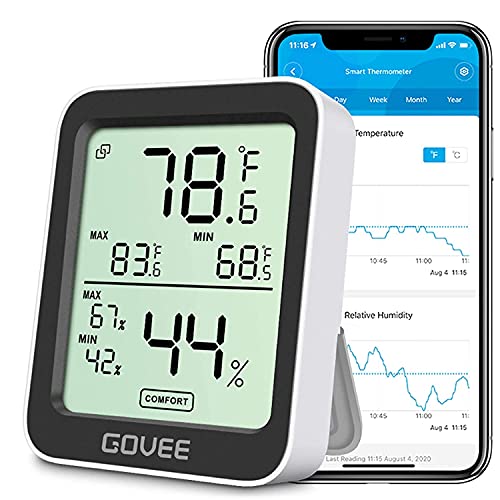
Heat near a plant does more than warm the air. It can raise leaf temperature, dry the top layer of soil, and pull moisture from foliage faster than roots can replace it. Direct airflow is the bigger problem than ambient warmth alone, especially for tropical houseplants that already lose water quickly in winter. In heated rooms, lower relative humidity can increase transpiration and make watering needs rise even when the plant is in dormancy or slower growth (University extension houseplant guidance; indoor-environment RH references commonly cite about 30% to 50% RH as a comfortable residential range, with many tropical plants preferring the upper end or higher where practical).
Brown or crispy edges, curling, wilting, and early leaf drop are the usual warning signs. A plant can also smell like a burnt leaf before visible damage appears. That smell is a clue to move it right away.
What you’ll need
- A thermometer that can read at plant height
- A hygrometer for humidity readings
- Your plant label or care notes
- A tape measure or ruler
- A notepad or phone for the two readings
How far should the plant be?
Start with the heater type, then adjust for the plant. Appliance-safety clearances come first for any portable heater because the manufacturer manual controls the minimum safe space around the unit; plant placement comes after that. A radiator can be closer than a forced-air vent, but foliage still needs separation. For sensitive tropicals, distance and airflow both matter.
Space heater
Use the manual first, because clearance rules differ by model and fire-safety recommendations require following the manufacturer’s instructions (NFPA fire safety guidance; consumer-product manuals). For ceramic or oil-filled units, a common starting rule is 6 feet for non-succulents, and 8 feet for ferns and calatheas, but treat those as plant-care starting distances rather than appliance clearances. Keep the unit away from flammable materials, and do not count indirect warmth as safe if the plant is in the radiant path.
Radiator
Do not place plants on top of a radiator. Older radiators can be hot enough to scorch foliage, and manufacturer and extension guidance generally recommend keeping plants off hot surfaces and out of direct heat exposure. One starting guideline puts safe distance at 12 to 18 inches or more; another starts at 4 feet of horizontal clearance. Use the wider gap for calatheas, ferns, and any plant already showing stress.
Forced-air vent
Do not set a plant in the direct stream. Warm dry air from a vent can lower humidity around foliage and dry soil fast, and HVAC guidance notes that supply registers are intended to move conditioned air, not to be blocked or crowded. Plants should be several feet away from heating vents, and one rule of thumb puts them at 5 feet or more. Measure in feet, not inches, because the airflow reaches farther than it looks.
Quick placement rule by plant type
| Plant type | Gentle radiator | Space heater | Forced-air vent |
|---|---|---|---|
| Calathea, fern, other humidity-loving tropicals | 4 feet or more | 8 feet or more | 5 feet or more, out of the stream |
| Most common tropical foliage plants | 12 to 18 inches minimum; farther is better | 6 feet or more | 5 feet or more, out of the stream |
| Succulents and cacti | 18 to 24 inches minimum, never touching | 3 to 6 feet, depending on the manual | Several feet away |
Should you change airflow or humidity?
Yes. Stop direct blasts first, because airflow can dry a plant faster than warmth alone. Then check whether the room is dry enough to stress the plant even after you move it. A higher humidity reading helps winter placement, especially for tropicals, but the evidence for a single universal RH target is weak; many indoor plant references simply recommend “moderate to high” humidity, with extra care below roughly 40% RH and particular caution for moisture-loving species.
Stop direct blasts first
If a vent or heater is pointing at the plant, redirect the airflow before you move furniture around. If the plant sits above a radiator or beside a vent, change the air pattern first, then recheck distance. Ambient warmth is manageable; direct blast is the common failure point.
Use humidity to reduce winter stress
Dry winter air raises water loss from leaves and soil, and lower humidity can also increase stress on heaters, radiators, and nearby furnishings by speeding evaporation and making the room feel drier. A hygrometer lets you compare humidity near the heater with the rest of the room. For plants near radiators, a practical starting target is to keep relative humidity above about 60% when possible, especially for calatheas and other moisture-loving plants, though exact targets vary by species and room conditions.
Keep vents and plants from competing for the same space
Do not crowd a plant into the same zone a vent needs to move air. Blocked vents strain the system, and the plant gets the driest air in the room. Give both the plant and the vent clear space.
How do you know it is too close?
Look at the leaves first, then check the soil, then compare readings at plant height. If the plant is losing moisture too fast or showing scorch, the spot is too hot, too dry, or too exposed to airflow. The safest fix is usually more distance plus better airflow control.
- Inspect the newest and outer leaves for brown or crispy edges, curling, wilting, or early leaf drop.
- Touch the soil surface; if the top layer dries much faster than the pot’s usual schedule, the heater is pushing moisture out too quickly.
- Measure temperature at plant height beside the heater and again a few feet away. If the difference is clear, the microclimate near the plant is harsher.
- Measure humidity with the hygrometer at the same two spots. A lower reading beside the heater means the plant is taking the dry hit.
Say a calathea sits about 18 inches from a radiator and the outer leaves start to crisp while the center stays green. Move it to 4 feet away, then check the same two readings again. The move helps because the plant is humidity-sensitive, and the direct dry heat is the main stressor.
Suppose a succulent is on a shelf about 3 feet from a baseboard heater and the soil still dries very fast. Leave the plant in the room, but shift it farther from the direct warm stream and check whether the temperature and humidity difference at plant height narrows. Succulents tolerate drier air better, but they still should not touch hot surfaces.
Houseplant heater checker
Use this table to match the heater, the plant, and the first move. Start with the minimum distance, then change the airflow or humidity if the readings still look harsh.
| Heater type | Plant type | Minimum starting distance | Measure this | Warning signs | Next action |
|---|---|---|---|---|---|
| Radiator | Calathea or fern | 4 feet or more; do not place on top | Thermometer at leaf height; hygrometer beside the pot and 3 feet away | Brown edges, curled leaves, fast soil drying | Move farther away and raise humidity above 60% if possible |
| Radiator | Succulent or cactus | 18 to 24 inches minimum, more if the surface is very hot | Thermometer at pot height; hygrometer in the same spot | Scorched leaf tips, shriveling, hot pot sides | Shift off the radiator zone and keep foliage clear of the surface |
| Forced-air vent | Any tropical foliage plant | 5 feet or more, out of the direct stream | Thermometer and hygrometer at leaf height near the vent and away from it | Crispy margins, wilting, soil drying early | Move the plant out of the airflow and avoid vent obstruction |
| Space heater | Non-succulent houseplant | 6 feet or the manual clearance, whichever is greater | Thermometer at plant height; hygrometer beside the pot | Burnt-leaf smell, leaf scorch, sudden leaf drop | Follow the manual, then add more distance if the spot stays dry |
Common mistakes
The biggest mistake is treating all heaters the same. A radiator, a vent, and a portable heater stress plants in different ways, so one distance rule does not fit all. Another mistake is trusting warm air alone when the plant is sitting in dry airflow.
- Do not place any plant on top of a radiator.
- Do not count indirect room warmth as safe if the plant is in direct airflow.
- Do not skip humidity readings near the heater.
- Do not stop checking soil moisture just because winter watering is less frequent.
A common first-timer mistake is moving a plant only 6 inches away from a vent and expecting the problem to stop. The air still hits the leaves, and the top of the soil still dries early. Move the plant out of the stream, then recheck the readings at leaf height.
If that didn’t work
If the leaves still scorch after you change distance, work through the next layer of protection. The heater may be safe for the room but still too harsh for the plant’s type, especially if it is a calathea, fern, or another moisture-loving tropical.
- Move the plant another 12 inches farther away and recheck temperature and humidity after 24 hours.
- Raise humidity around the plant, if the room allows it, and keep the plant out of direct airflow.
- If the spot still shows a dry, hot reading at leaf height, relocate the plant to a cooler wall or farther from the heater type that is causing the stress.
- For space heaters, follow the model manual and use that clearance as the floor, not the ceiling.
What if the leaves are already brown?
Move the plant first, then trim only the fully dead parts if they are brittle and brown. Damaged tissue will not turn green again, but healthy green tissue can keep working once the heat stress stops. Check whether the soil is drying too fast and whether the same leaf pattern keeps appearing on the side facing the heater.
Should the damage continue after the move, the next step is not more fertilizer or more water. The plant likely still needs more distance, less direct airflow, or a room with steadier humidity.
Frequently asked questions
Note: If you meant how far apart to plant heather, that is a different gardening topic. Heather spacing depends on the species, mature spread, and landscape use, so this page stays focused on houseplants near heaters.
How far should a houseplant be from a heater?
A good starting point is at least 3 feet from most heaters, with 4 to 6 feet for humidity-loving plants and 6 feet or more for many non-succulents near space heaters. Forced-air vents need several feet of separation, and direct airflow should be avoided entirely.
Can a houseplant sit on a windowsill above a radiator?
No. Plants on top of or right next to a radiator will have their leaves scorched. Use 12 to 18 inches as the bare minimum for older radiators, and use more distance for sensitive tropicals. A windowsill directly above the unit is still too hot for the foliage and the pot.
Are space heaters worse for plants than radiators?
They can be, because a portable heater combines radiant and convective heat and often blows dry air into a small area. That is why the manual clearance matters so much. For many houseplants, the safest answer is farther away than you would place them from a passive radiator.
What houseplants tolerate heat and dry air best?
Succulents and cacti usually handle warmer, drier air better than tropical foliage plants. Even so, they should not touch hot surfaces or sit in direct airflow. If you keep them near a heater, use a larger margin than you would for a radiator or vent side by side.
Should I use a humidifier if my plant is near a heater?
Yes, if the room is dry and the plant is a humidity lover. A humidifier can help reduce moisture loss, but it does not cancel direct heat or airflow. Use it with distance, not instead of distance, and confirm the change with a hygrometer at plant height.
Can heating vents dry out houseplants?
Yes. Forced-air vents blow warm dry air, which can lower humidity around the leaves and speed soil drying. Keep plants several feet away, avoid the direct stream, and measure the spot in feet rather than inches. If the vent is blocked, move the plant first.