Best Houseplants to Give as Christmas Gifts: We Compared
The best Christmas houseplants to give are the ones matched to the recipient’s light, watering habits, and pets: poinsettia, holiday cactus, phalaenopsis orchid, Norfolk Island pine, and rosemary are the safest starting picks for most homes. A pretty plant that needs brighter light, more humidity, or has toxic leaves can fail fast or create a pet hazard. This guide compares festive options by care level, light needs, and pet safety so you can choose the right gift.
Quick comparison
| Product | Badge | Best for | Price | ||
|---|---|---|---|---|---|
 | Hopewind Plants Shop Pothos N’Joy Live Indoor Plant, 4 inchHopewind Plants Shop | Our pick | 4-inch pot · live pothos · variegated leaves | $19.99 Price as of 30 Oct 2026 | View |
 | American Plant Exchange Snake Plant–Medium 6-Inch Pot GreenAmerican Plant Exchange | Also great | 6-inch pot · live snake plant · green variegation | $28.66 Price as of 30 Oct 2026 | View |
 | American Plant Exchange Peace Lily, Live SpathiphyllumAmerican Plant Exchange | Also great | 4-inch pots · 2-pack · white blooms | $29.49 Price as of 30 Oct 2026 | View |
 | Shop Succulents Monstera Deliciosa Swiss Cheese Plant, LiveShop Succulents | Upgrade pick | 6-inch pot · live monstera · split leaves | $29.99 Price as of 30 Oct 2026 | View |
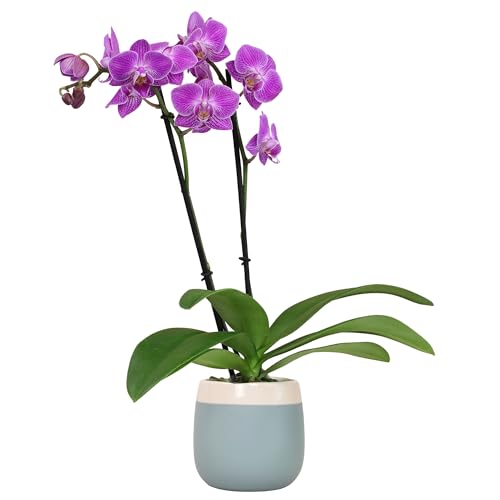 | Premium Purple Live Orchid Plant Blooming in 3.5" Blue &Plants for Pets | Pair with it | 3.5-inch pot · live orchid · purple blooms | $27.00 Price as of 30 Oct 2026 | View |
Use this comparison to narrow the gift before you pick a pot or wrap paper. The best choice changes with the recipient’s light, travel schedule, and whether cats or dogs have access to the plant.
If you only remember one rule, remember this: festive color is not the same thing as easy care. A plant that looks perfect on Christmas week may need very different conditions by January.
How we chose
The list below leans on four practical filters: light level, watering demand, pet safety, and how long the plant stays attractive after the holiday. It also favors gifts that are easy to present in a nursery pot or decorative sleeve without forcing the recipient to repot right away.
We also compared short-term holiday display value against longer-term ownership. That matters because some gifts are meant to bloom now, while others are better for desks, apartments, and first-time plant owners who want a plant that can stay in the home for years.
| Plant | Light level | Care difficulty | Pet-safety note | Bloom longevity | Best recipient type |
|---|---|---|---|---|---|
| Poinsettia | Bright indirect light | Easy to moderate | Toxic concern for cats and dogs | Weeks of color, not a long bloom cycle | Someone who wants classic holiday color and can keep pets away |
| Christmas cactus | Indirect light | Easy | Generally non-toxic to pets | Several weeks; can rebloom later | Anyone who wants a plant that can return next year |
| Amaryllis | Bright light while growing | Easy once planted | Toxic concern | Short indoor bloom window | Gift recipients who want a dramatic winter flower spike |
| Paperwhites | Bright light | Easy | Toxic concern | Short display, often 1 to 3 weeks | Someone who wants fast fragrance and a temporary display |
| Orchid | Bright indirect light | Moderate | Usually considered pet-safe, but keep away from chewing | Long-lasting blooms | Recipient willing to follow a simple watering routine |
| Snake plant | Low to bright indirect light | Easy | Toxic if eaten by pets | No bloom focus | Busy people, apartments, low-light rooms |
| ZZ plant | Low to medium light | Very easy | Toxic if eaten by pets | No bloom focus | Beginners who forget to water |
Poinsettia: best for classic Christmas color
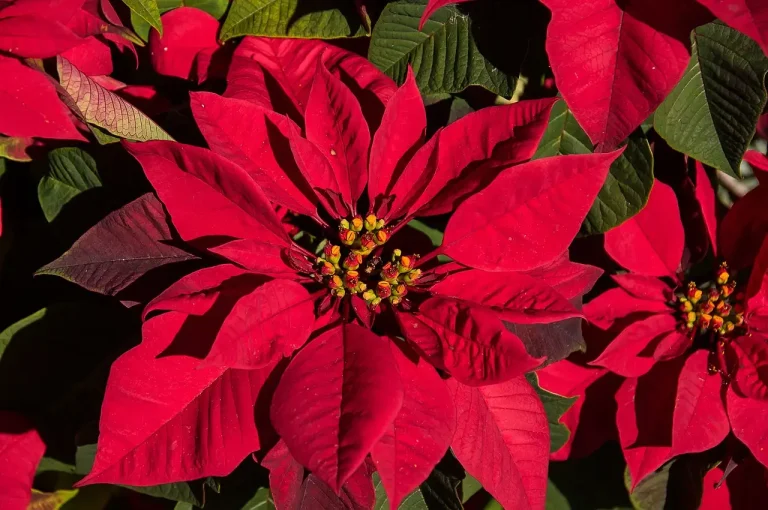
Poinsettias are the default holiday plant for a reason: the red, pink, white, or speckled bracts give strong Christmas color right away. Based on published care guidance, they prefer bright indirect light and should be watered when the top inch of soil dries, not on a fixed calendar.
This is a better short-term gift than a long-term one for many homes. Poinsettias can keep their color for weeks, but they are also the plant on this list that most clearly raises pet-toxicity concerns, so they belong in homes where cats and dogs will not chew on leaves.
For presentation, keep the nursery pot inside a decorative sleeve or basket only if the inner pot still drains freely. If the plant arrives wrapped in foil, remove or pierce the wrap before watering so excess water does not pool around the roots.
A common first-timer mistake is leaving a poinsettia in standing water after a party weekend. The soil should be moist, not soggy, and the pot should not sit in runoff.
Christmas cactus: best for a reblooming gift
Christmas cactus is one of the most useful holiday gifts because it can bloom indoors, tolerate indirect light, and rebloom in later years. It also has lower pet risk than many festive plants, which makes it a strong choice for homes with cats and dogs.
Its bloom cycle depends on cool nights and longer dark periods. That trigger matters: if the recipient keeps it in a warm room with lights on late, the plant may stay healthy but fail to flower again on schedule.
Water needs are lower than many people expect. Let the top layer of mix dry slightly, then water thoroughly and let the excess drain away. It should not be treated like a succulent, but it also should not stay wet for long stretches.
For someone who wants a gift that lasts beyond December, this is one of the best holiday picks. It can keep growing after the season and may flower again with the right light and temperature pattern.
Amaryllis and paperwhites: best for fast indoor blooms
Amaryllis and paperwhites are the fastest route to a holiday flower display. Both can be given as a bulb or potted plant, and both are best understood as short-term seasonal gifts rather than long-term foliage plants.
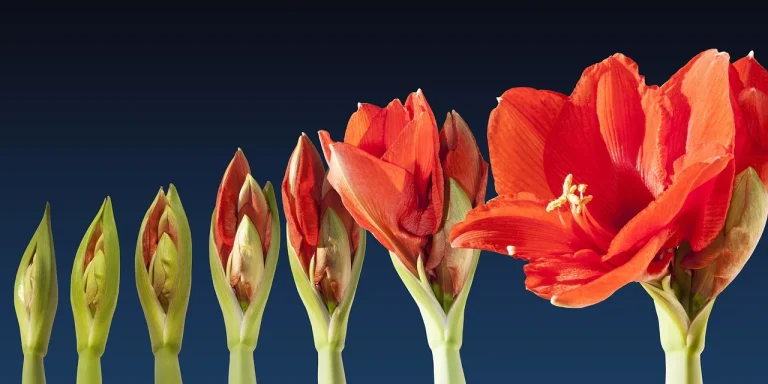
Amaryllis usually flowers in roughly 6 to 10 weeks from planting, depending on bulb size and warmth. Its tall flowering stalks make it a dramatic gift, but the spike can need support if it leans toward the light, and the bulb has toxic parts for pets.
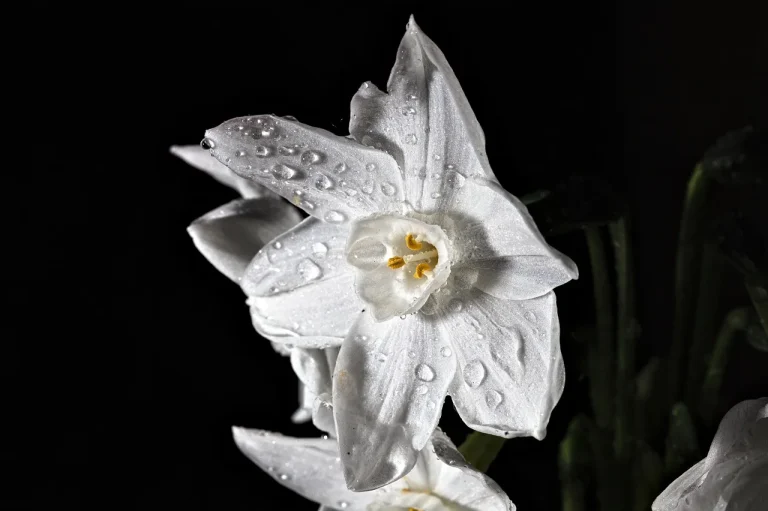
Paperwhites move faster. Many forced bulbs bloom indoors in about 2 to 4 weeks, and the fragrance can be strong enough to matter in a small room. That scent is welcome for some recipients and too much for others, so fragrance sensitivity should be part of the buying decision.
Both plants are best for a short holiday display. After bloom, amaryllis can sometimes be saved and regrown with patience, while paperwhites are usually treated as a one-season gift.
Amaryllis care after bloom
After flowering, cut the spent stalk but leave the leaves in place if the bulb is being saved. The plant needs bright light and careful watering while it rebuilds the bulb, and it should not be forced back into bloom without a recovery period. If the recipient does not want that process, treat it as a seasonal display gift and say so clearly.
Paperwhite display tips
Paperwhites forced in water or pebbles may grow leggy, so a small stake can help keep them upright. If you want the best chance of a neat display, keep them in bright light and rotate the container every few days. They are ideal when the goal is fragrance and quick bloom, not years of ownership.
Orchid, snake plant, and ZZ plant: best for low-care gifts
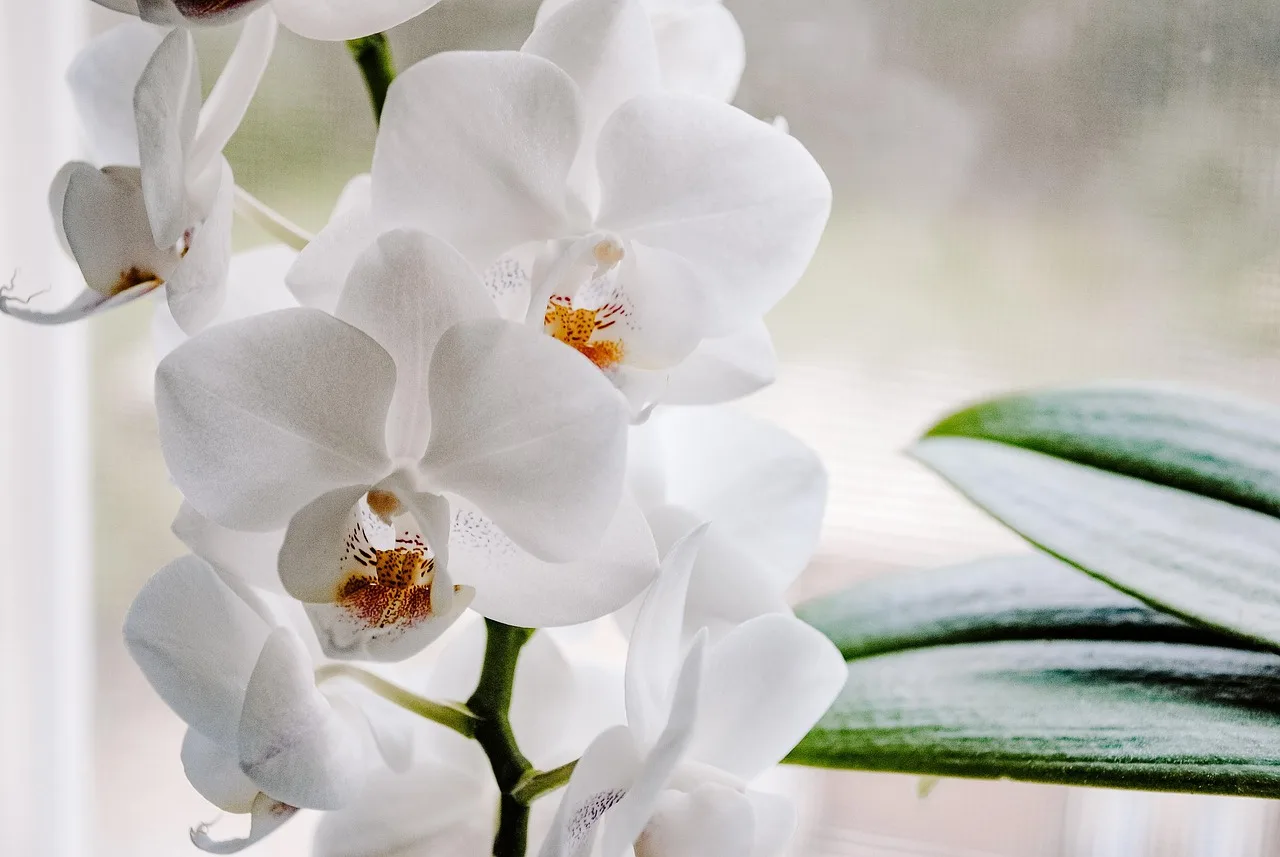
The orchid here is the best upgrade pick for someone who wants flowers that last longer than most holiday blooms. Based on the listed product details, it arrives in a decorative pot, is already blooming or in bud, and is positioned as a pet-friendly option with bright indirect light requirements.
The drawback is care precision. Phalaenopsis orchids are not difficult in the strict sense, but they do better with a stable routine than many beginners expect, and repotting usually comes later rather than immediately. That makes it a thoughtful gift for someone willing to learn a new watering pattern.
Snake plant is the most forgiving choice for low-light rooms and busy schedules. Its upright, architectural leaves suit desks, shelves, and small apartments, and the plant tolerates drought better than the flowering options on this list.
The tradeoff is pet safety. Snake plant is toxic if eaten, so it is not a free pass for homes with curious cats or dogs. It is also less festive than a poinsettia or orchid, so it works best when the recipient values durability over holiday color.
ZZ plant is the strongest beginner pick for forgetful waterers. It handles low light, stores moisture in its rhizomes, and stays compact enough for a small gift table or apartment corner. It is one of the easiest plants to keep alive once it has settled in.
The drawback is the same one that makes it tough: it is toxic if chewed. That means it should be paired with a clear pet warning on the gift card. It also does not read as festive unless you wrap it well or pair it with a seasonal container.
How do you choose the right plant gift?
Start with the recipient’s light, then narrow by how often they travel, how much they want to water, and whether pets can reach the plant. That order matters because a beautiful plant in the wrong room will fail faster than a plain plant in the right spot.
If the home has a bright window, poinsettia, orchid, or Christmas cactus are safer bets. For lower light, snake plant and ZZ plant are more practical, especially in apartments where the only window faces north or is partly blocked by neighboring buildings.
Budget matters too, but price should follow care fit rather than holiday color alone. An orchid can be a better value than a short-lived forced bulb if the recipient wants flowers for longer, while a paperwhite bulb is better when the goal is a quick seasonal display.
Say your recipient has two cats, a shady apartment, and a habit of leaving town for long weekends. A snake plant may suit the light and travel pattern, but the pet risk makes it a poor gift unless it can stay well out of reach. In that case, a Christmas cactus or a pet-safer orchid is the cleaner choice.
Suppose the recipient wants something for the dining table for Christmas week only. Paperwhites or a poinsettia in a decorative sleeve make sense, but the card should say whether the plant needs bright indirect light, how often to check water, and whether the pot has drainage holes.
Holiday planter and cachepot basics
Gift presentation helps, but drainage comes first. A decorative sleeve, basket, or cachepot should hold a nursery pot with holes, not replace it. If the outer container has no drainage, the recipient needs to remove the inner pot for watering and let it drain fully before putting it back.
Match the container size to the root ball. A pot that is far too large holds extra wet mix and can stress the roots. A pot that is too tight dries out too fast and makes the plant harder to keep alive after the holiday.
Which plants are safest for pets?
The safest options on this list are Christmas cactus and, with a caveat, the orchid. They are the best starting points for homes with cats or dogs because they avoid the clear toxicity warnings that come with poinsettia, amaryllis, paperwhites, snake plant, and ZZ plant.
That does not mean any plant is a chew toy. Even pet-safer plants can be knocked over, stressed, or damaged by repeated chewing. The practical goal is to lower risk, then place the plant where the pet cannot treat it like a snack or a perch.
For homes with active pets, the care card should say “place out of reach” even when the plant is considered lower risk. It should also name the specific plant, because pet owners need a clear warning, not a vague seasonal note.
What to put on the care card
- Light: state whether the plant needs bright indirect light, indirect light, or a lower-light corner.
- Watering: say when to water, such as “when the top inch dries” or “when the top layer feels dry.”
- Temperature: include a room range or a simple note to keep it away from heat vents and cold drafts.
- Pet safety: name the plant’s toxicity status clearly.
- First week: tell the recipient to unwrap the pot, check drainage, water only if needed, and place the plant near the right window before wrapping it into its final spot.
What is the best gift for houseplants?
The best gift is the one the recipient can keep alive in the space they already have. For many homes that means a Christmas cactus, orchid, or snake plant rather than the most festive bloom on the shelf. Light, watering habits, and pets matter more than holiday color.
What are the best plants to give as Christmas gifts?
The strongest Christmas plant gifts are poinsettia for classic color, Christmas cactus for reblooming value, amaryllis for a fast flower spike, paperwhites for fragrance and speed, orchid for long bloom life, and snake plant or ZZ plant for easy care. Choose by the home, not by the holiday wrapper.
Which houseplants are easiest to gift for beginners?
Christmas cactus, snake plant, and ZZ plant are the easiest gifts for beginners because they do not demand a rigid watering schedule or special humidity. A beginner still needs the right light and drainage, but these plants tolerate small mistakes better than many flowering holiday gifts.
What plants make good Christmas gifts for someone who lives in an apartment?
Apartment dwellers often need compact plants that handle indirect light and smaller window spaces. Christmas cactus, snake plant, ZZ plant, and a small orchid fit that brief well. If the apartment is dim, snake plant and ZZ plant are the safest choices; if it has a bright window, orchid and Christmas cactus work well.
How do I choose a plant gift that lasts beyond Christmas?
Pick a plant that can grow after the holiday instead of one that peaks and fades quickly. Christmas cactus, orchid, snake plant, and ZZ plant are the clearest choices for longer ownership. Avoid choosing only for color if the recipient wants a plant that can live on a desk, shelf, or windowsill year-round.
What are good flowering plant gifts for Christmas?
Poinsettia, Christmas cactus, amaryllis, paperwhites, and orchid are the main flowering choices. Poinsettia gives the strongest holiday color, Christmas cactus can rebloom, amaryllis gives a tall winter flower, paperwhites bloom fast, and orchid offers the longest viewing period of the group.
How much care do gift houseplants usually need?
Most gift houseplants need bright indirect light, a pot with drainage, and watering only after the soil begins to dry. The exact pace varies a lot: poinsettia and paperwhites need more attention during bloom, while snake plant and ZZ plant need far less. A good care card prevents most gift failures.